


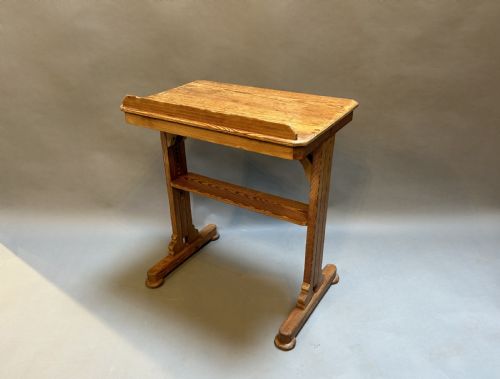


Edwardian Church Furniture
Edwardian church furniture brings solid oak and pitch pine craftsmanship directly from chapels and vestries into domestic or institutional spaces.
Edwardian Church Furniture
When you search for edwardian church furniture, you encounter substantial utilitarian and liturgical pieces originating from chapels and vestries. These items span from heavy oak benches and altar tables to hymn boards and lecterns shaped by ecclesiastical demands.
The versions most commonly met on this page belong primarily to the Edwardian period and the broader Gothic Revival tradition. They combine robust timber construction with restrained ecclesiastical detailing suited for communal seating and administrative use.
How they were made
Makers relied heavily on solid oak, pitch pine, and standard pine for structural integrity. These timbers were selected for durability in high-traffic ecclesiastical environments, often left with natural finishes or simple staining.
Metal elements such as brass and iron appeared routinely in hardware, hinges, and structural brackets. Joinery prioritized utilitarian strength, utilising shaped trestle ends and sturdy framing to withstand decades of heavy daily use.
Listings feature oak, pitch pine, and standard pine alongside brass and iron hardware across multiple decades.
What varies in quality
The distinction between ordinary utility items and superior ecclesiastical pieces rests on timber selection and joinery refinement. Superior examples employ dense oak with clean architectural lines, whereas lesser pieces utilise simpler pine with basic construction.
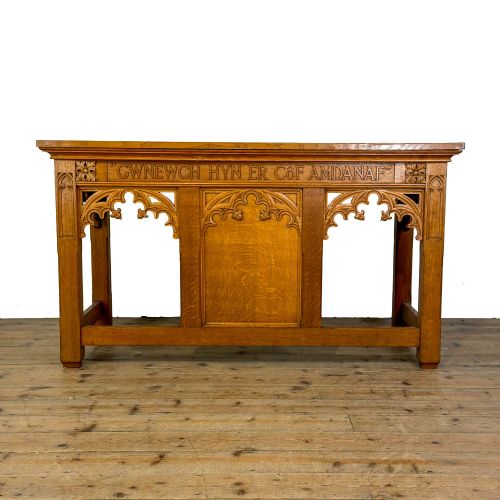
Design ambition separates basic sanctuary fittings from sophisticated Gothic Revival commissions. Carved detailing, shaped trestle ends, and well-executed screen work indicate a higher degree of workshop attention during manufacture.
The Edwardian Church Furniture Glossary
- Gothic Revival
- An architectural and decorative style drawing inspiration from medieval ecclesiastical design. It dominates much of the seating and altar work from this era.
- Pitch Pine
- A resinous and durable softwood utilised frequently for church furniture and interior fittings. Its distinct grain gives surfaces a warm character.
- Trestle Ends
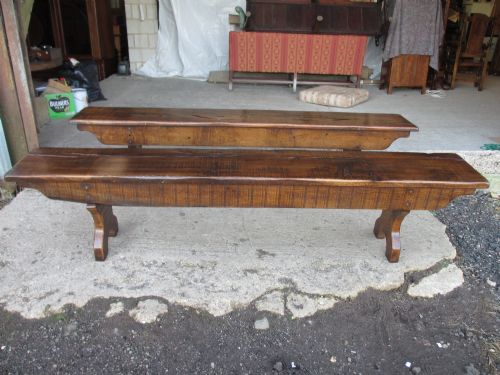
- Support structures consisting of a horizontal beam fixed to vertical feet. They provide stable foundations for heavy benches and altar tables.
- Ecclesiastical
- Pertaining to the Christian Church or its clergy. This term defines the original operational context of these utilitarian items.
Edwardian Church Furniture: Frequently Asked Questions
How do I use an altar table at home?
Altar tables function effectively as large console tables, sideboards, or writing desks in domestic settings. Their generous proportions provide substantial surface area for display or daily tasks.
Ensure the height matches your intended seating or placement requirements before integrating them into a modern room layout.
Can church benches fit in a hallway?
Heavy oak benches with shaped trestle ends fit narrow hallways and entranceways exceptionally well. Their shallow depths leave walkways clear while offering robust seating.
Pair them with entrance screens or vestibule pieces to create a cohesive architectural aesthetic in large reception areas.
What is a hymn board used for?
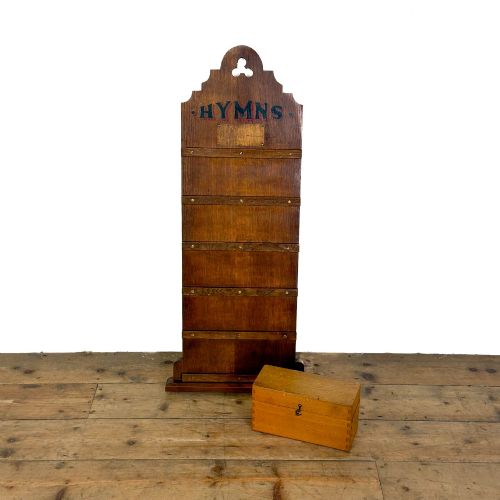
Hymn boards originally displayed numbers to guide congregations through musical services in chapels and churches. Today they serve as unusual wall displays or decorative wooden plaques.
Their modular design and numeric slots lend themselves well to quirky interior styling and wall art installations.
How do I identify pitch pine furniture?
Pitch pine displays a strong, highly figured grain pattern with warm amber tones derived from its natural resin content. It feels heavier and denser than standard white pine.
Over decades of exposure, the timber develops a deep patina that distinguishes it from newer softwood alternatives.