
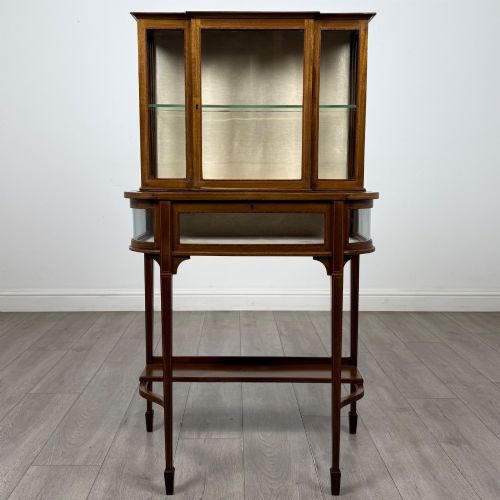
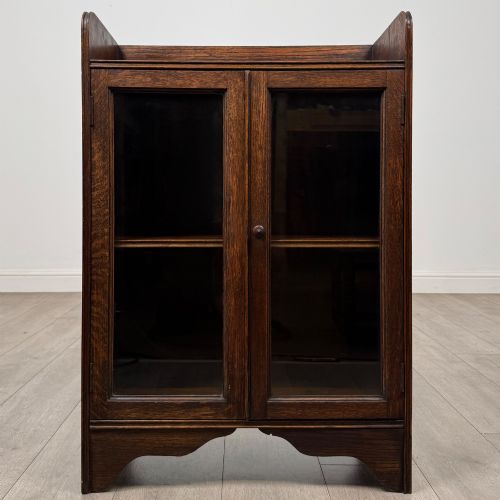
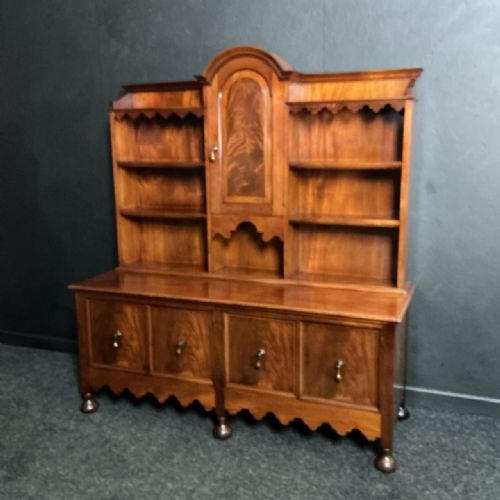
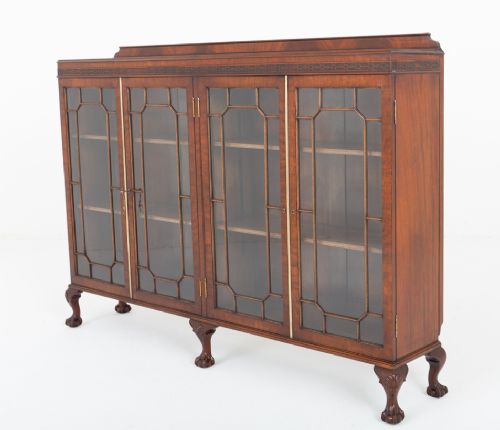

Edwardian China Display Cabinet
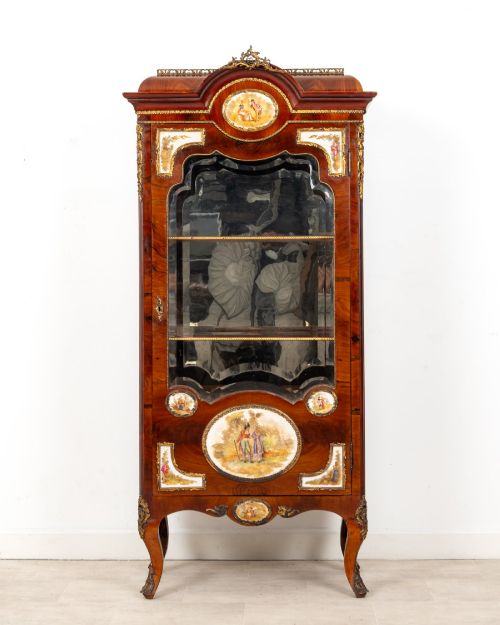
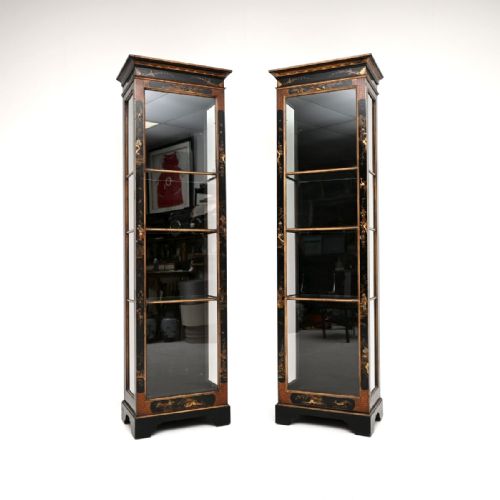
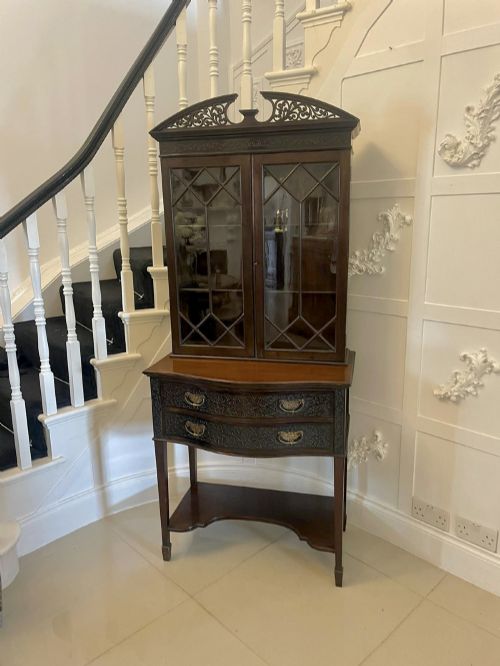
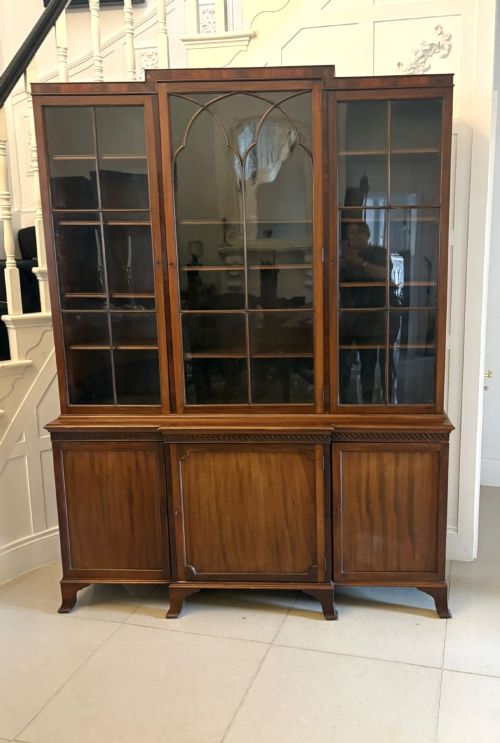
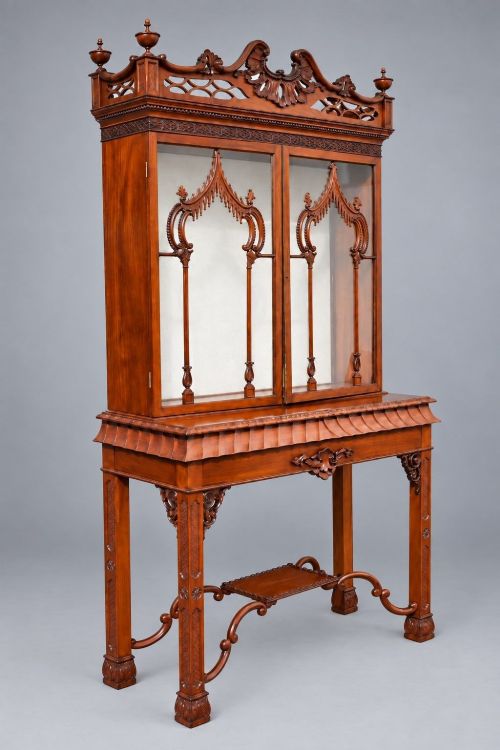
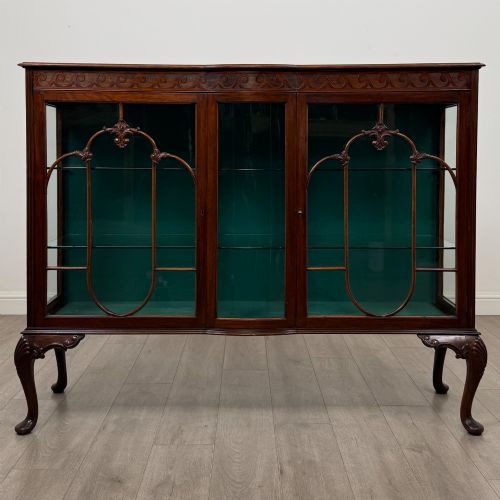
An edwardian china display cabinet brings refined glazed storage into a room, designed to showcase precious porcelain while protecting it behind glass.
Edwardian China Display Cabinet
When you examine an edwardian china display cabinet, you encounter pieces primarily originating from the Edwardian period and the early twentieth century alongside late nineteenth century Victorian antecedents.
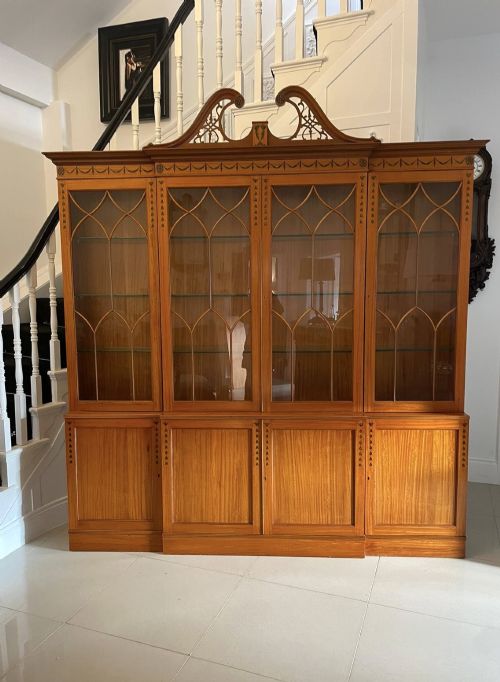
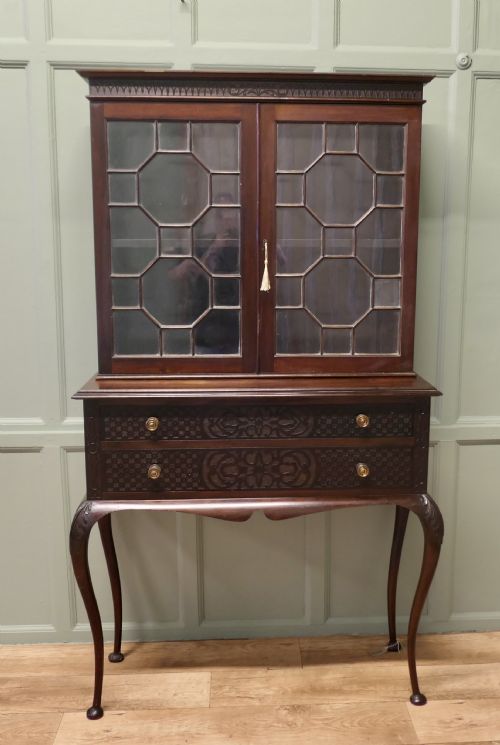
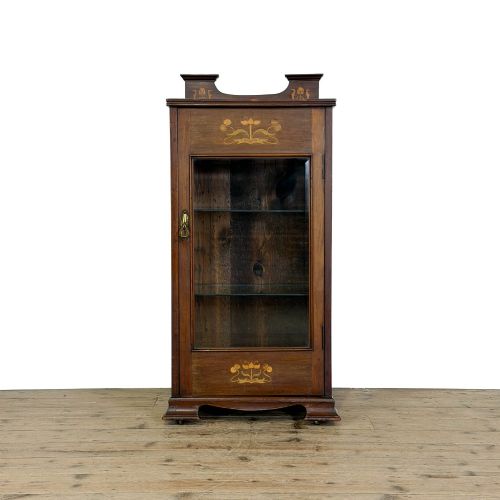
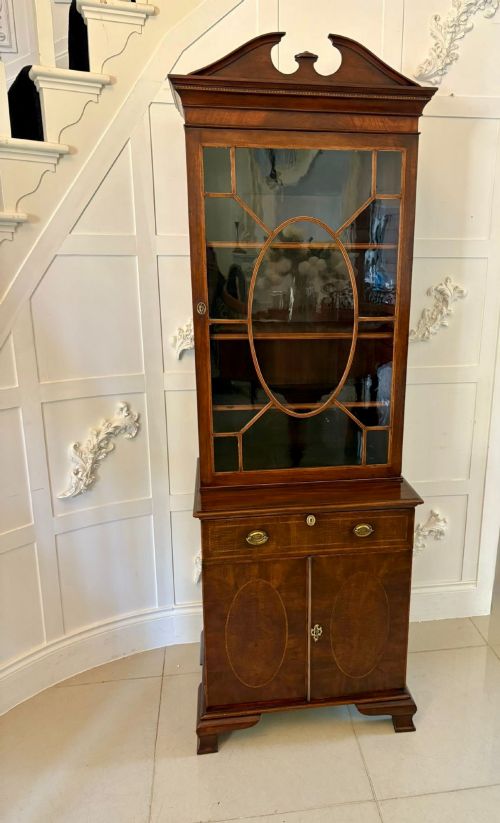
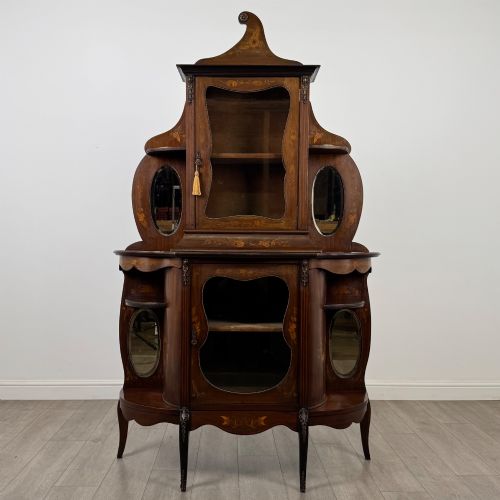
The dominant form takes the shape of an upright mahogany cabinet featuring glazed doors and delicate inlaid woodwork, sometimes built as a two-part construction or with a bow front.
Makers of the era drew heavily on Sheraton Revival and Chippendale Revival styles, producing breakfront bookcases and corner cabinets suited to formal drawing rooms.
Materials and Construction
The primary carcass relies on solid mahogany or satinwood, often enhanced with intricate marquetry and contrasting timber banding across the panels.
Glazing takes the form of fitted glass panes secured by wooden astragals, while interior shelves occasionally incorporate fabric linings or mirrored backs to reflect light through displayed ceramics.
Listings feature mahogany, satinwood, oak, and walnut cabinets constructed across the Edwardian, Victorian, and early twentieth century periods.
Craftsmanship and Proportion
Quality reveals itself in the crispness of the inlaid decoration, the selection of figured timber veneers, and the structural balance of the glazed doors.
Superior examples exhibit refined architectural proportions, original painted decoration, and signed maker elements that distinguish bespoke workshop production from standard commercial output.
Hampton & Sons·Edwards & Roberts·H. J. Hatfield & Sons·Maple & Co.
The Edwardian China Display Cabinet Glossary
- Astragal
- A narrow moulding used to hold glass panes within a frame. These wooden strips divide the glazed door into smaller geometric sections.
- Marquetry
- Decorative patterns formed by inserting pieces of coloured wood into a veneer surface. This technique creates floral or classical motifs on cabinet doors.
- Breakfront
- A piece of furniture where the central section projects forward from the flanking wings. This architectural arrangement adds depth to large cabinets.
- Sheraton Revival
- A late nineteenth and early twentieth century design movement replicating the light, neoclassical furniture of George Sheraton. It relies on satinwood, fine banding, and symmetrical inlay.
- Vitrine
- A glass-fronted cabinet designed specifically for displaying objects. These pieces prioritise visibility through glazed sides as well as front doors.
Edwardian China Display Cabinet: Frequently Asked Questions
What fits inside an edwardian china display cabinet?
These cabinets suit porcelain plates, tea sets, and decorative ceramics collected across various periods. The interior shelving protects fragile items behind glass while keeping them clearly visible.
Larger breakfront versions and dressers accommodate broader collections of cabinet plates and glassware, whereas single door or bow front variants hold smaller curated groups of porcelain.
How do I identify a Sheraton Revival piece?
Sheraton Revival pieces from the Edwardian era utilise lighter timbers such as satinwood and mahogany, contrasted with delicate floral marquetry. They draw inspiration from eighteenth century neoclassical design principles.
Look for tapering legs, symmetrical stringing, and refined proportions that distinguish them from heavier Victorian furniture styles.
Where should I place a display cabinet?
Position your cabinet away from direct sunlight to protect interior fabric linings and delicate painted decorations on ceramics. Placing the piece against an interior wall prevents timber movement caused by temperature fluctuations.
Ensure the floor is level so the glazed doors hang properly within their frames and close evenly.
How do I distinguish Edwardian cabinets from Victorian ones?
Edwardian cabinets generally display lighter proportions, brighter satinwood or inlaid mahogany surfaces, and simpler neoclassical revival motifs. They reflect a shift towards airier drawing room aesthetics.
Victorian predecessors tend to employ darker, heavier mahogany construction with deeper carved decoration and more imposing architectural cornices.