
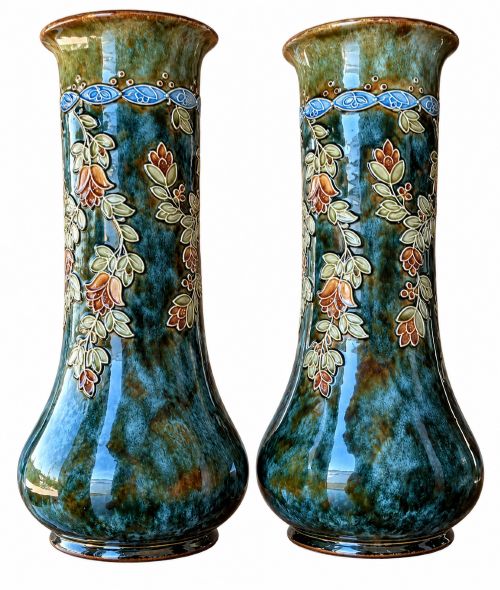
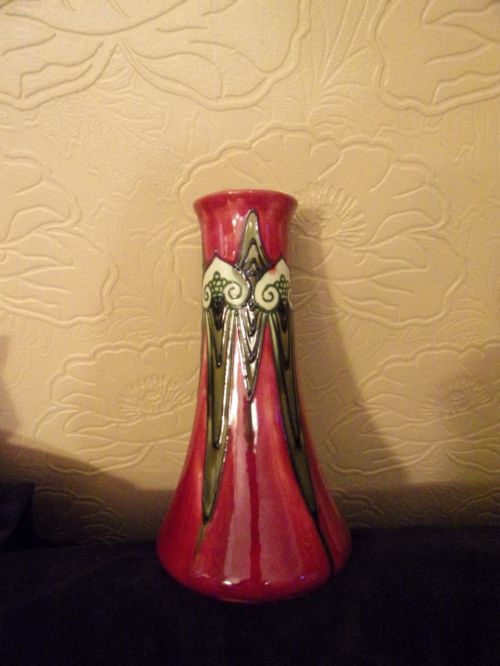
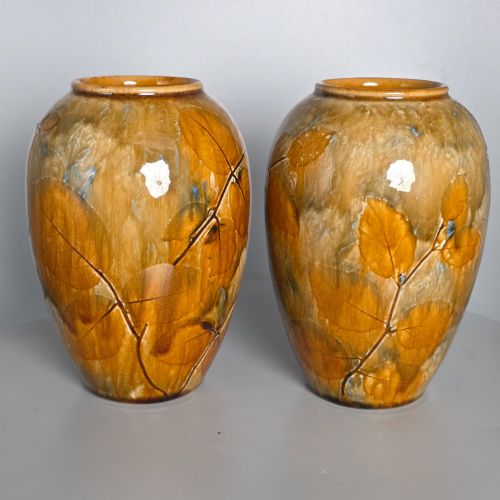
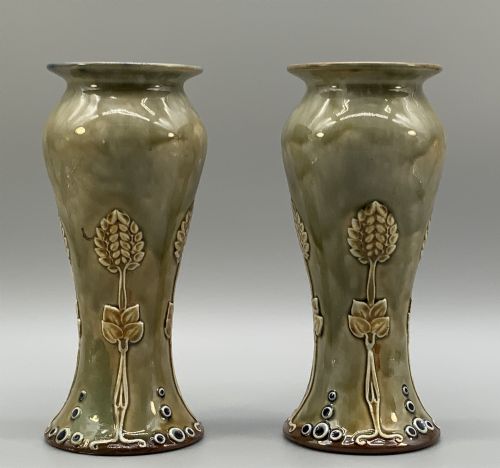


Edwardian Ceramic Vessel
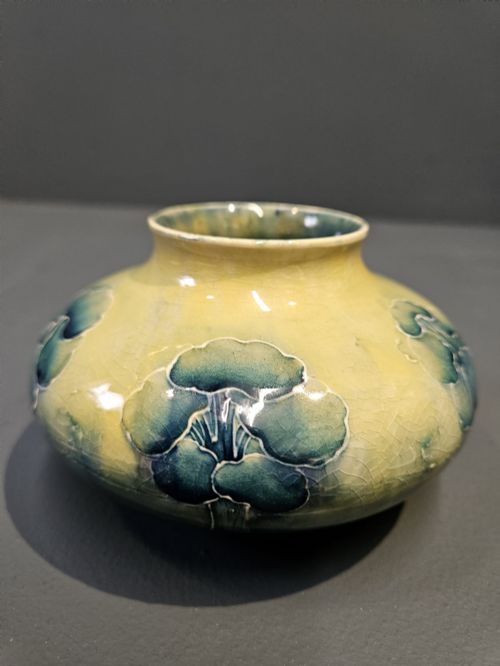
An edwardian ceramic vessel brings together the floral curves of Art Nouveau and the earthy weight of studio pottery.
Edwardian Ceramic Vessel
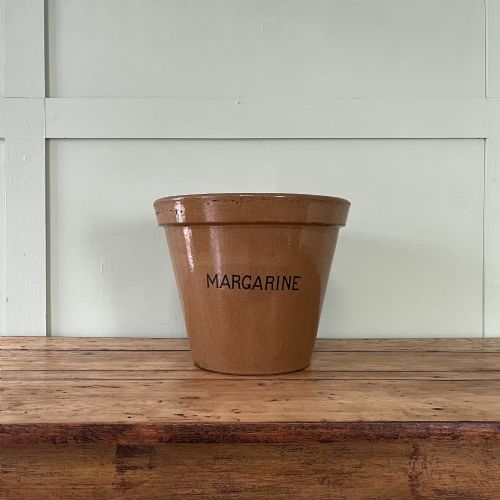
When you search for an edwardian ceramic vessel, you encounter utilitarian crocks, chamber pots, and display vases made around the turn of the twentieth century. These pieces reflect the tastes of the Edwardian period, often overlapping with late Victorian and early twentieth-century designs.
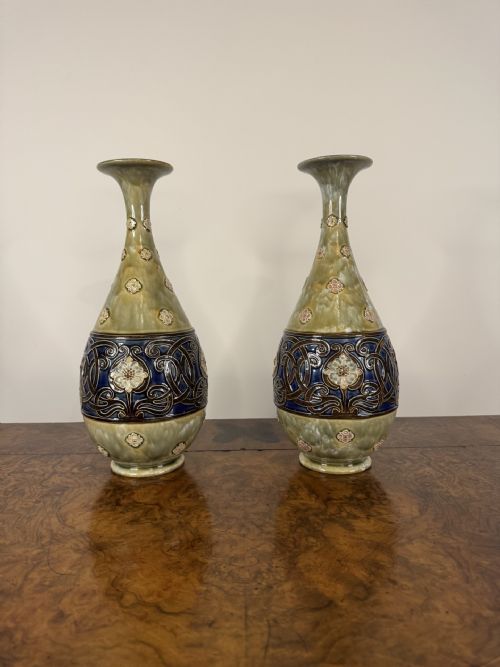
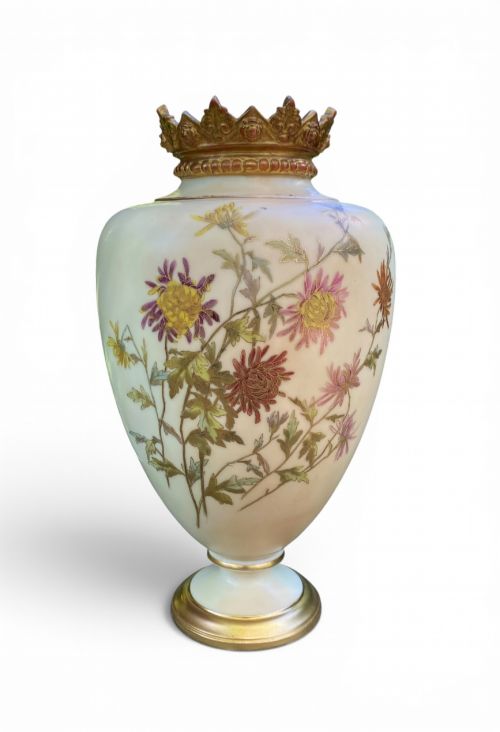
The most common examples on this page are stoneware and porcelain vases decorated in the Art Nouveau or Arts and Crafts styles. You also find decorative bowls, ewers, and loving cups originating from major potteries operating during this era.
How they were made
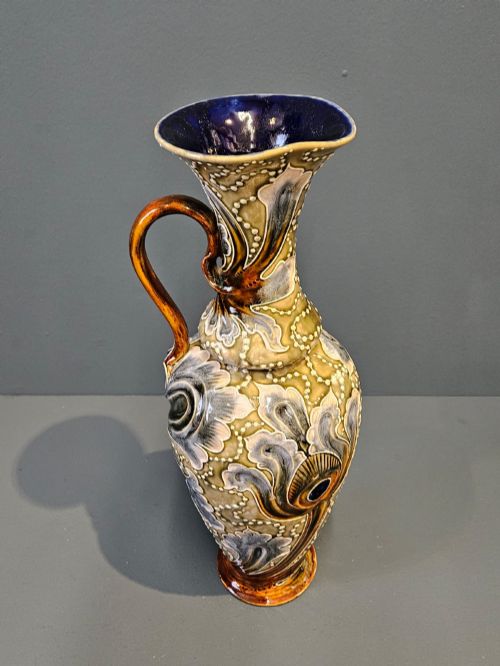
Potters shaped these items using earthenware, porcelain, and stoneware, applying glazes, enamel, and occasional gold leaf for surface decoration. Techniques included tube lining to separate colours and salt glazing to create a textured, durable finish.
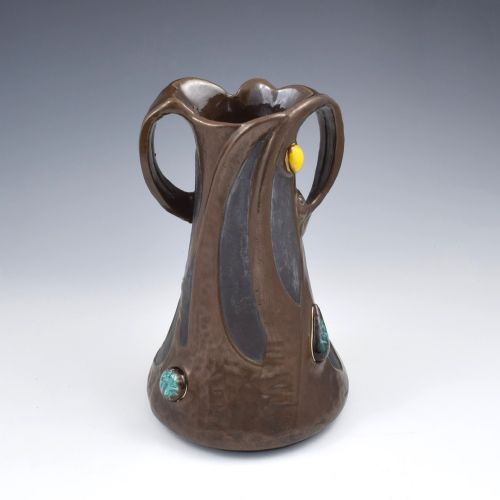
Makers utilised manual turning alongside specialised moulding to produce both large utility vessels and delicate display pieces. Hand-painted details and applied cabochons frequently finished the surface before firing.
Listings feature porcelain, stoneware, and earthenware pieces spanning from the Victorian era through the Edwardian period.
What varies in quality
Quality rests on the crispness of the modelled design and the skill behind the hand-painted decoration. Pieces bearing specific artist signatures or executed for Liberty's show a higher level of individual studio input.
The complexity of the glaze work and the precision of tube-lined or enamelled patterns separate standard production items from ambitious exhibition pieces. Material choice also plays a role, with fine porcelain and dense stoneware commanding attention.
Royal Doulton Lambeth·Royal Worcester·Moorcroft·Minton·Wileman Intarsio·Royal Crown Derby·Wedgwood·Fulham Pottery·Bretby Pottery
The Edwardian Ceramic Vessel Glossary
- Stoneware
- A robust ceramic fired at high temperatures until vitrified and impervious to liquids. It forms the heavy body of many utilitarian and decorative pots.
- Tube lined
- A decorative technique where a thin line of clay is squeezed onto the vessel to outline patterns before glazing. This creates raised barriers that hold distinct pools of colour.
- Earthenware
- Porous pottery fired at lower temperatures, requiring a glaze to become watertight. It serves as the base for many traditional jugs and decorative bowls.
- Imari
- A style of ceramic decoration featuring rich underglaze blue and overglaze iron red, often highlighted with gold. It originates from Japan but heavily influenced European porcelain makers.
- Lustre
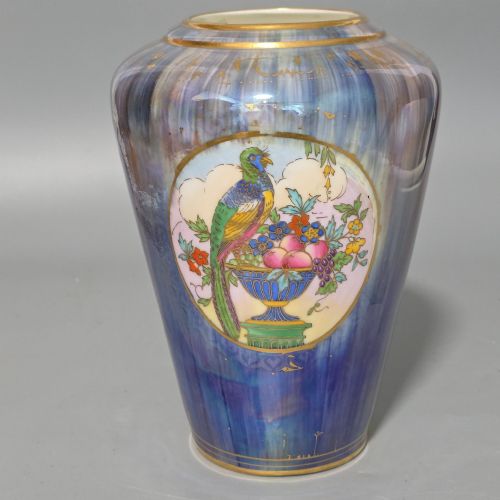
- A type of ceramic glaze containing metallic oxides that produce an iridescent sheen when fired. It catches the light with a pearlescent glow.
Edwardian Ceramic Vessel: Frequently Asked Questions
Can I use these vessels for fresh flowers?
Glazed stoneware and porcelain vessels are generally watertight and safe to hold water for floral displays. Inspect the interior first to ensure there are no unsealed hairline cracks that could leak.
Unglazed earthenware or older porous items should be used with a concealed inner liner. This prevents moisture from seeping into the historic clay body.
How can I tell Art Nouveau from Arts and Crafts?
Art Nouveau vessels feature flowing, organic lines inspired by plant stems and whip-like botanical curves. The aesthetic prioritises dynamic movement and decorative asymmetry.
Arts and Crafts pieces emphasise visible handcraftsmanship, simple structural forms, and motifs drawn from traditional British flora. The focus remains on the integrity of the material rather than fluid ornamentation.
What is salt glaze pottery?
Salt glazing involves throwing common salt into the kiln during the high-temperature firing process. The salt vaporises and reacts with the silica in the clay body to form a durable, textured surface.
This creates a distinctive orange-peel texture that resists acids and moisture. It is most commonly found on hard-wearing stoneware jugs and storage crocks.