

Edwardian Carved Stool
These edwardian carved stool pieces span revival forms and solid timbers, offering practical seating with period detail.
Edwardian Carved Stool
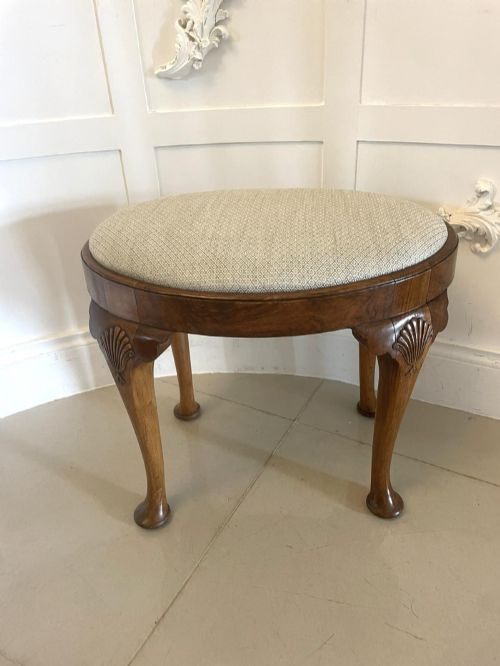
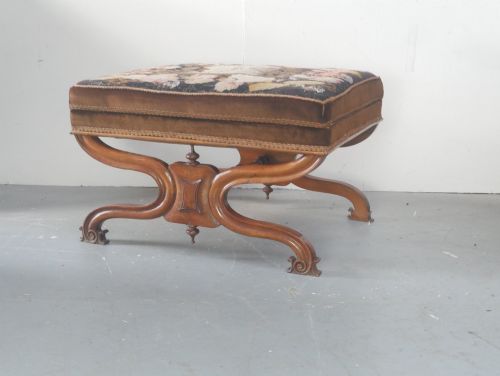
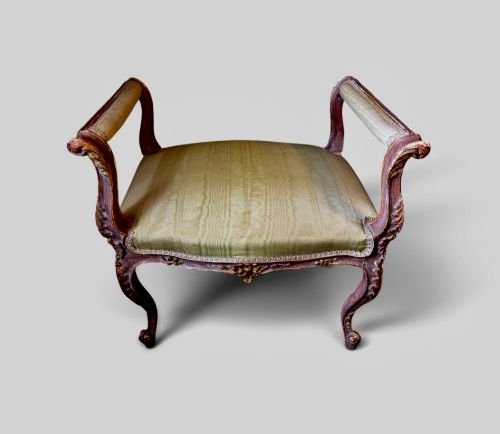
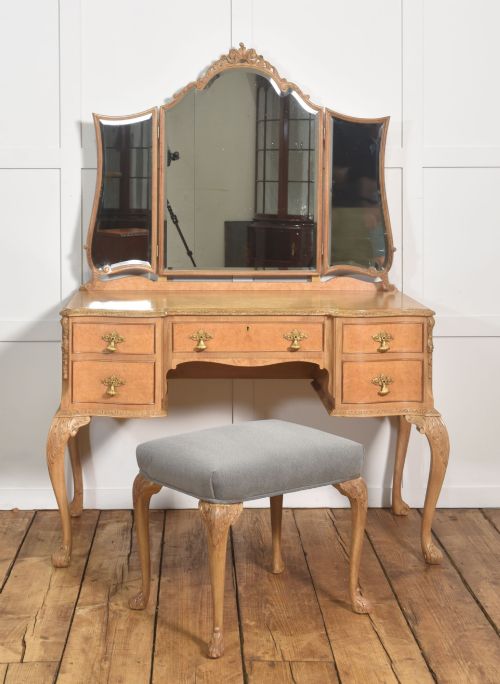
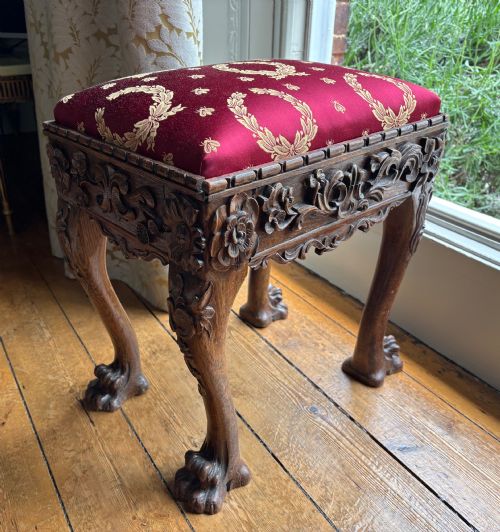
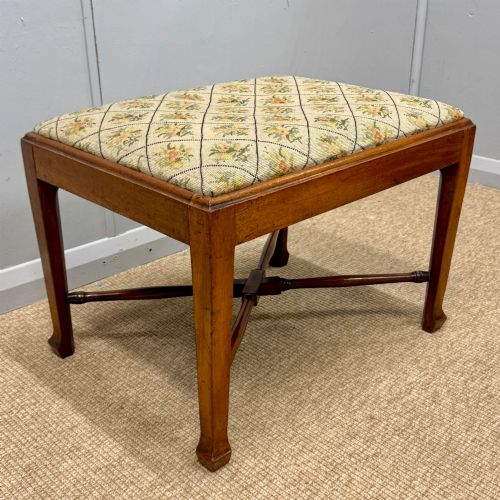
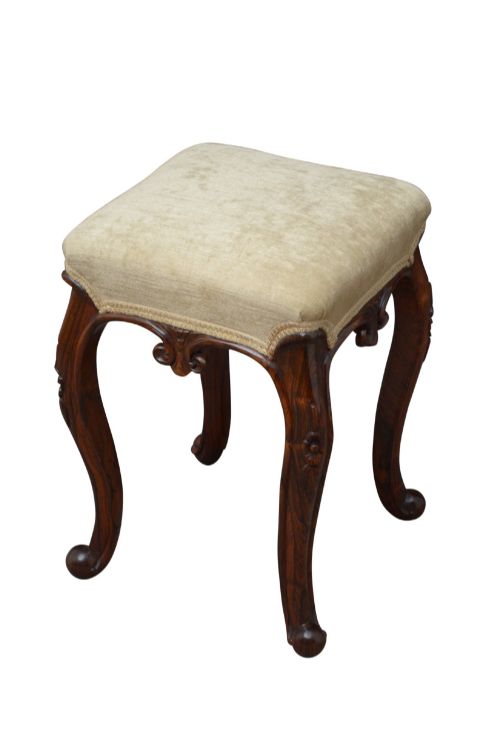
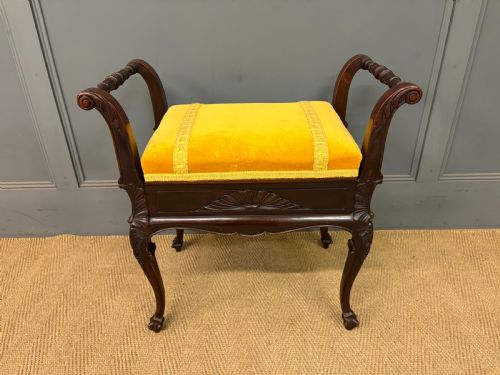
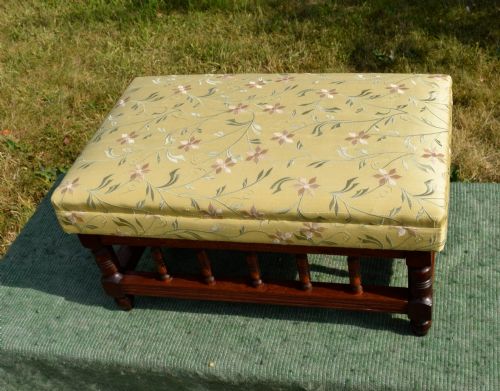
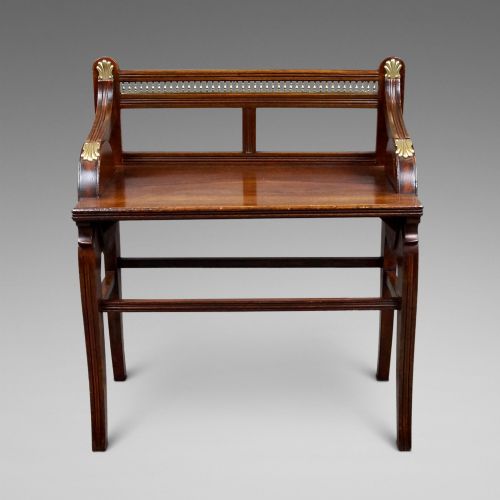
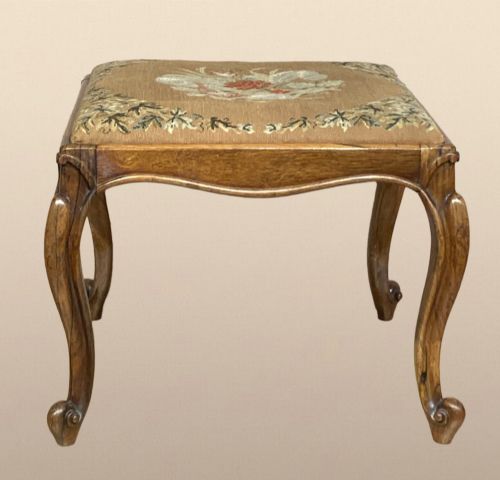
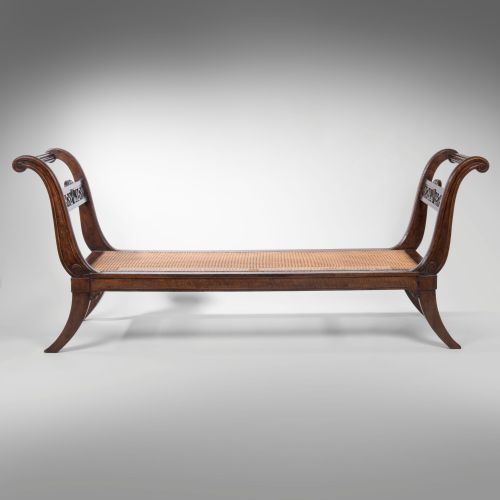
An edwardian carved stool brings period character to a room through diverse forms including piano stools, dressing stools, and window seats. The selection draws on broader periods from the nineteenth century into the early twentieth century, showing revival styles such as Chippendale, Queen Anne, and Jacobean alongside Arts and Crafts designs.
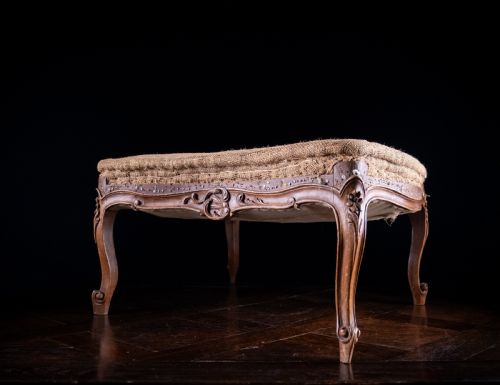
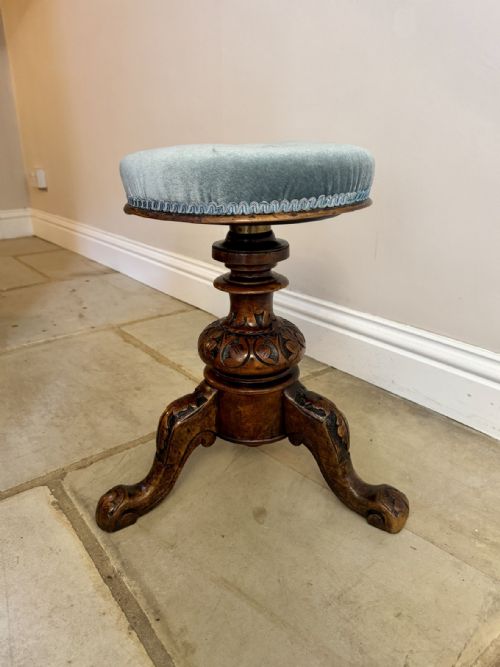
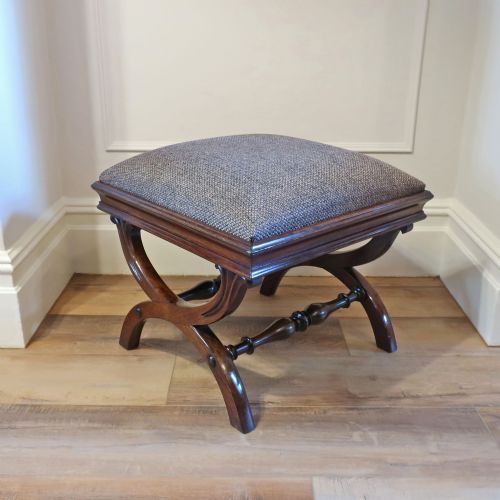
Most examples function as piano stools, dressing table seats, or small footstools, utilising woods like mahogany, walnut, and oak. Pieces frequently incorporate upholstered tops in velvet, leather, tapestry, or fabric, resting on cabriole legs, cross stretchers, or turned supports.
How they were made
Carpenters shaped these seats using dense hardwoods such as mahogany, walnut, and oak, often joining structural elements with pegged construction or sturdy stretchers. Carvers applied ornamentation by hand directly into the timber frame, following revival patterns or geometric motifs.
Upholstery techniques involved securing fabric, leather, or tapestry over padded foundations, sometimes with brass mounts or studded detailing. Frame finishes relied on polishing the natural grain of the wood or applying gilt to carved details.
Certain piano stools include revolving seats for adjusting height during long musical practice sessions.
What varies in quality
The standard of carving determines much of the distinction, separating crisp, deep hand-cut relief work from softer, shallower decoration. Timber selection also plays a role, with dense walnut, mahogany, and figured oak indicating superior material choice over common utility woods.
Structural integrity depends on the joinery, where tight pegged joints and stable frames distinguish better workshops from simpler production. Upholstery finish and the preservation of original polish further separate standard pieces from finer examples.
James Shoolbred and Co·Jas Shoolbred
The Edwardian Carved Stool Glossary
- Cabriole leg
- A furniture leg that curves outward at the knee and tapers inward at the ankle, ending in a pad or foot. This form draws on classical furniture design popular across various revival periods.
- Giltwood
- Timber coated with a thin layer of gold leaf or gilt paint. This finish appears frequently on decorative window seats and salon pieces.
- Joint stool
- A low wooden seat constructed with mortise and tenon joints and pegged framing. These sturdy pieces reflect traditional English joinery methods.
- Duet stool
- An elongated piano bench designed for two players sharing a keyboard instrument. They often incorporate upholstered tops and carved wooden frames.
Edwardian Carved Stool: Frequently Asked Questions
Where were these stools used?
These seats served primarily in parlours, bedrooms, and music rooms alongside dressing tables and pianos.
Larger versions also functioned as window seats or hallway benches for temporary seating.
How do I clean the wood?
Maintain polished timber surfaces by dusting with a dry cloth and applying natural beeswax periodically.
Avoid harsh chemical cleaning agents that can strip the historic polish from the mahogany or walnut.
Can I reupholster the seat?
Many examples accept modern upholstery fabrics while retaining their original frames and structural webbing.
Retaining traditional materials like leather or tapestry preserves the historical character of older pieces.