
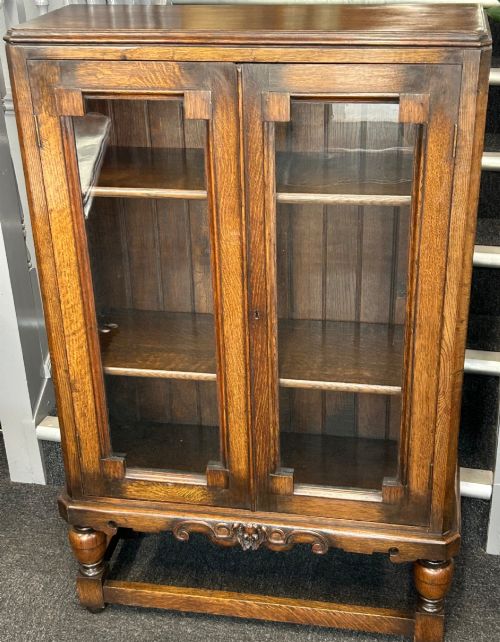
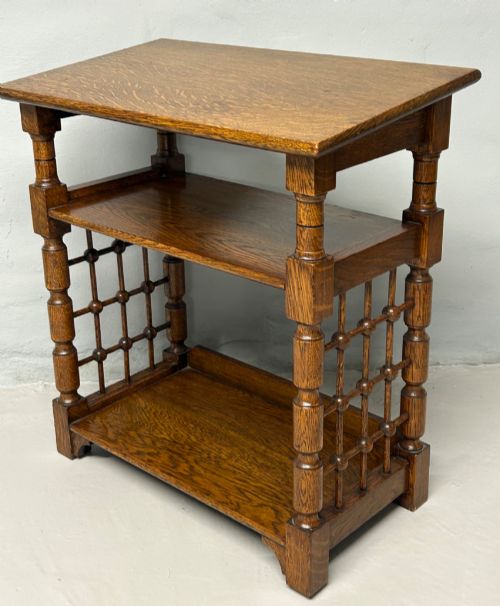
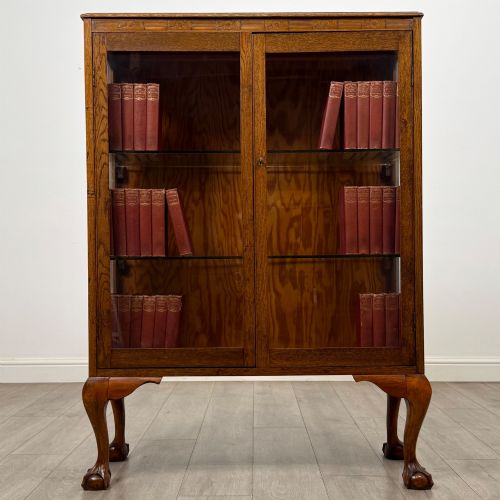
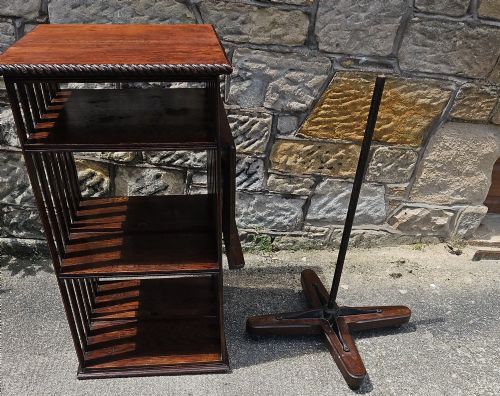
Edwardian Carved Oak Bookcase
An edwardian carved oak bookcase brings solid craftsmanship and rich timber into a room, offering both practical storage and traditional presence.
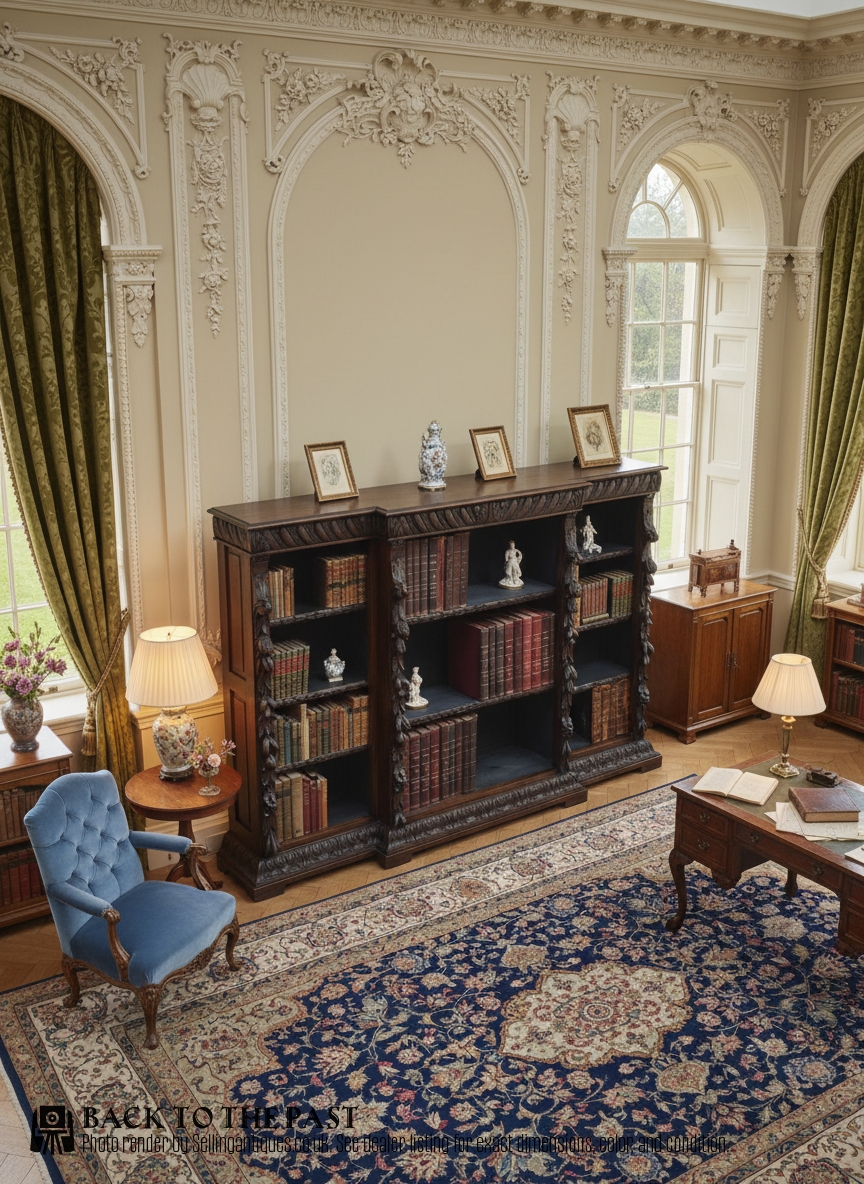
Understanding the edwardian carved oak bookcase
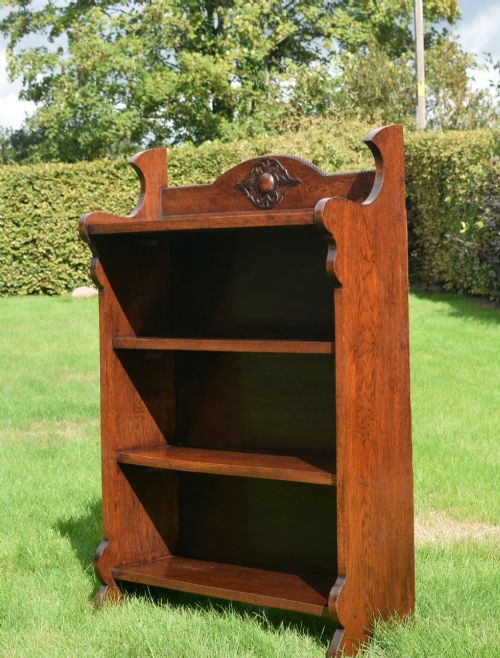
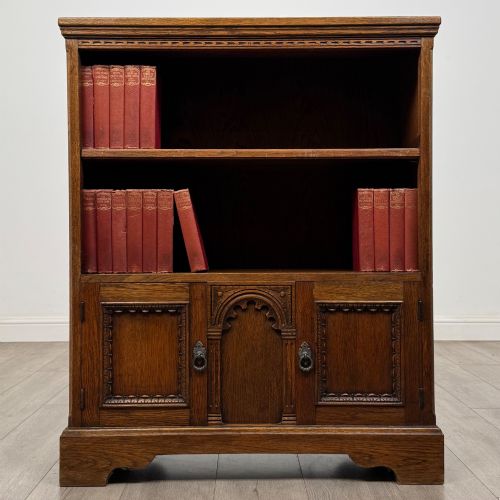
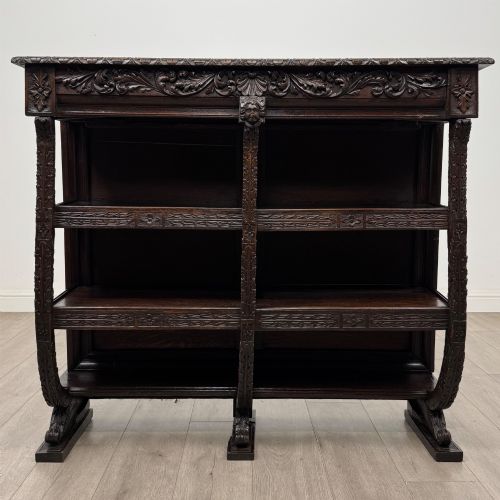
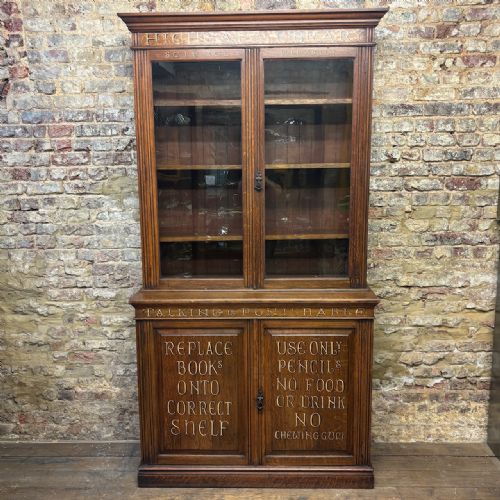
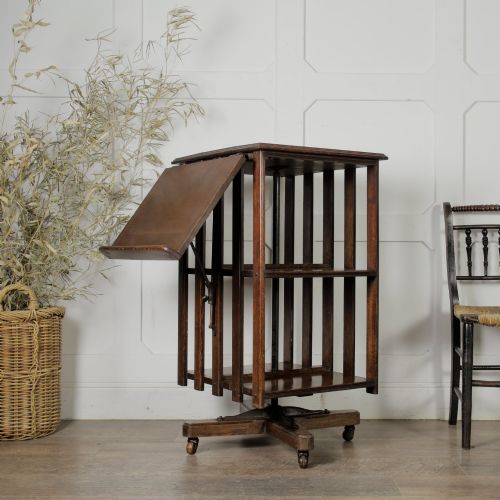
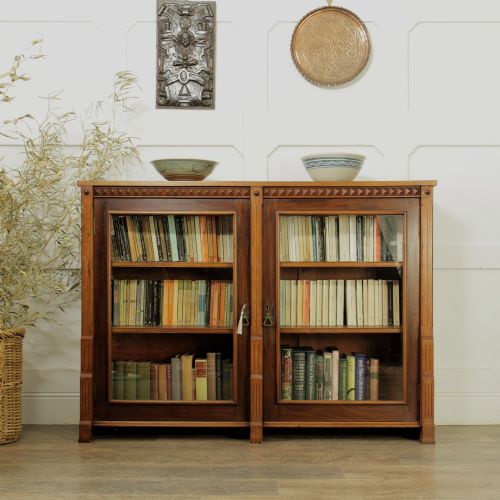
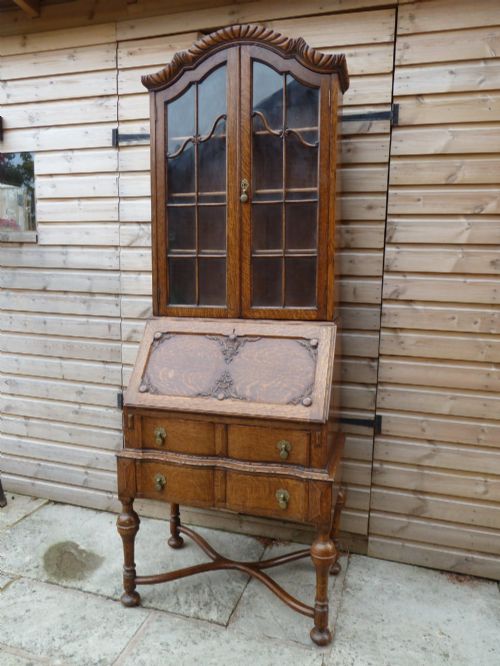
When you search for an edwardian carved oak bookcase, you are looking at sturdy timber furniture built during the Edwardian period, alongside related pieces from the Victorian era and the wider nineteenth century. These items include open front bookcases, large revolving designs, breakfront open bookcases, and library bookcases fitted with secretaire sections, carved panels, and swan neck pediments.
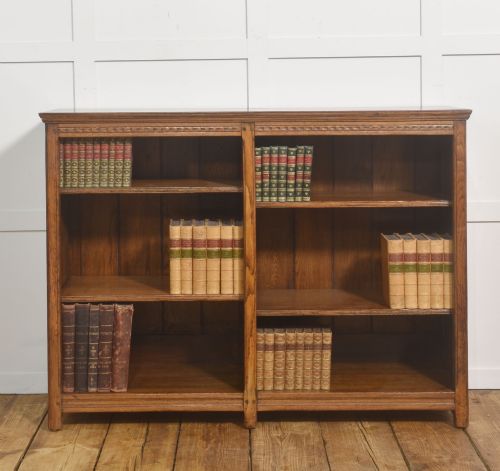
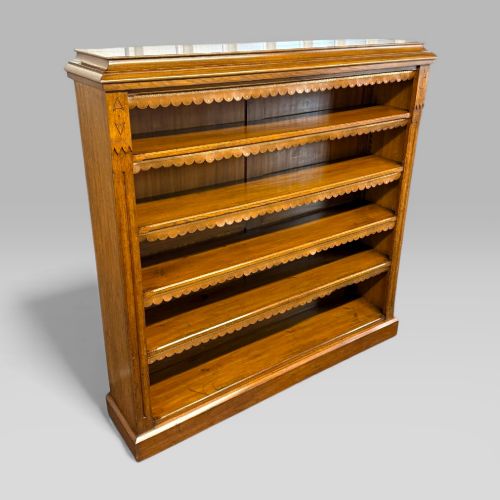
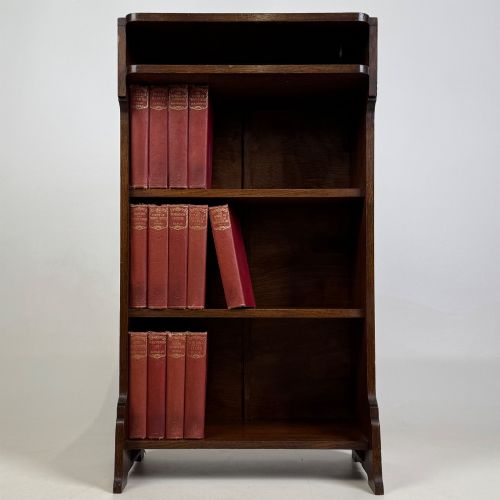
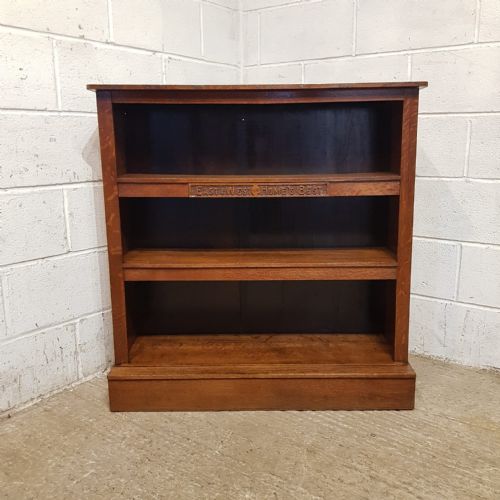
The version you are most likely to meet on this page is the Edwardian open front bookcase, often dated around nineteen hundred to nineteen ten, alongside nineteenth century pieces that share similar proportions and timber characteristics. They appear in both small and large formats, occasionally featuring cast iron elements or display shelves.
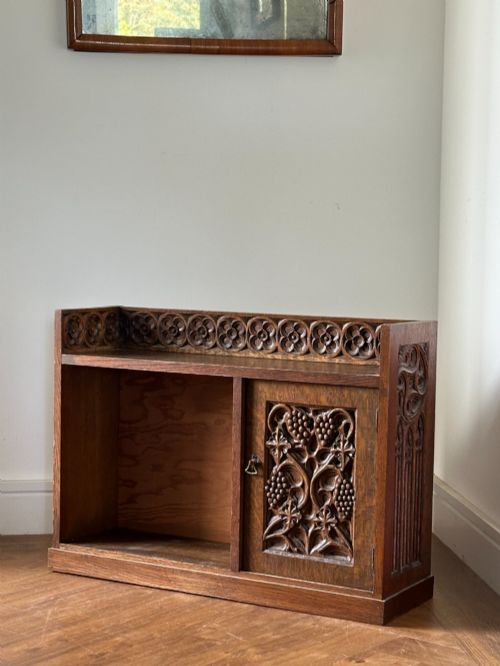
Stylistically, these pieces draw upon traditional forms, occasionally reflecting Victorian Gothic revival or Jacobean revival influences through their carved details. The primary focus remains practical shelving housed within substantial oak frames, making them enduring fixtures for studies and libraries.
Distinguishing quality
The distinction between standard examples and finer pieces lies in the depth and execution of the carved panels, where crisp detailing demonstrates superior craftsmanship. Plain open shelves contrast with elaborately carved pediments, such as swan neck designs, which elevate the architectural presence of the cabinet.
Timber selection and integration also separate ordinary items from exceptional ones, with superior pieces displaying well-matched oak grain and robust joinery. Functional complexity, such as a smoothly operating revolving mechanism or a fitted secretaire interior, marks out the more ambitious library bookcases from simpler open shelving.
Retail Price Guide 2026
Typical UK retail prices for edwardian carved oak bookcase, calculated from the Sellingantiques database of over a million retail prices indexed since 2003. This retail price guide relies exclusively on Sellingantiques data; no external sources or auction records are used, so the figures do not describe the wider market.
Materials recorded across these pieces consist primarily of solid oak supplemented by occasional cast iron fittings for revolving mechanisms.
The Edwardian Carved Oak Bookcase Glossary
- Edwardian
- Pertaining to the reign of King Edward the Seventh, spanning from nineteen hundred and one to nineteen ten, known for lighter domestic furniture styles. Pieces from this era often refine earlier Victorian proportions while retaining solid timber construction.
- Breakfront
- A piece of furniture where the central section projects forward from the flanking wings. This architectural arrangement creates shadow and visual depth across the front of the bookcase.
- Secretaire
- A cabinet incorporating a pull-down writing flap that conceals small drawers and pigeonholes. It combines a working desk with traditional library storage.
- Swan neck pediment
- A broken scroll top with an upward-curving swan neck profile, often centred by a decorative finial or carving. This classical feature crowns taller library bookcases.
- Revolving bookcase
- A low, rotating table-top or floor-standing bookcase designed to give access to books from every angle. It relies on a central pivot mechanism, occasionally supported by cast iron.
Frequently Asked Questions
What defines an edwardian carved oak bookcase?
These bookcases are solid timber storage units produced during the early twentieth century and the preceding nineteenth century. They typically feature carved wooden panels, open shelving, and sturdy oak construction.
Many examples showcase traditional revivals, ranging from simple open front formats to complex breakfront or revolving designs intended for home libraries.
How do I tell Edwardian pieces apart from Victorian ones?
Edwardian furniture generally exhibits lighter proportions and less heavy ornamentation than earlier Victorian items. While both eras utilised oak and similar carved motifs, Edwardian pieces often favour simplified classical lines.
Reviewing the overall build and decorative restraint helps distinguish the Edwardian period from the heavier Gothic revival styles associated with the nineteenth century.
Where should I place a revolving bookcase?
Revolving bookcases suit corners or centre placements where people can walk around them to access different compartments. Their rotating design makes them practical beside an armchair or desk.
Ensure there is sufficient clearance around the circumference so the revolving mechanism can turn freely without striking walls or other furniture.
How are secretaire bookcases used?
The pull-down flap of a secretaire bookcase provides a writing surface equipped with internal compartments for stationery and letters. This allows the cabinet to function as a compact bureau alongside its primary shelving role.
When closed, the secretaire drawer remains flush with the bookcase facade, maintaining a unified appearance across the oak panels.