


Edwardian Canterbury Stand
An Edwardian canterbury stand holds journals and sheets with traditional grace, offering a neat compartmented frame to tidy a modern room.
Edwardian Canterbury Stand
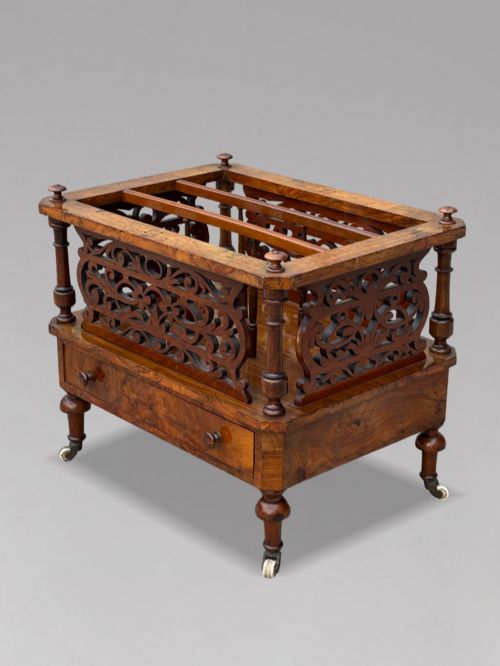
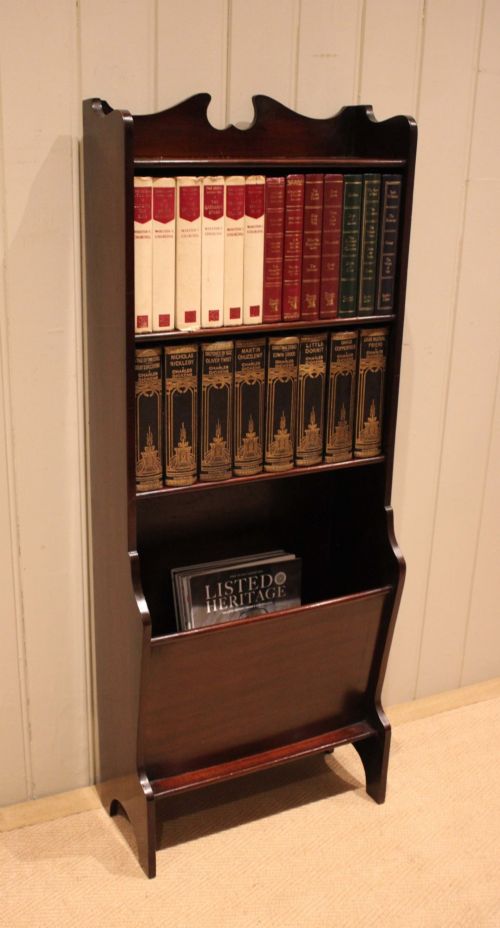
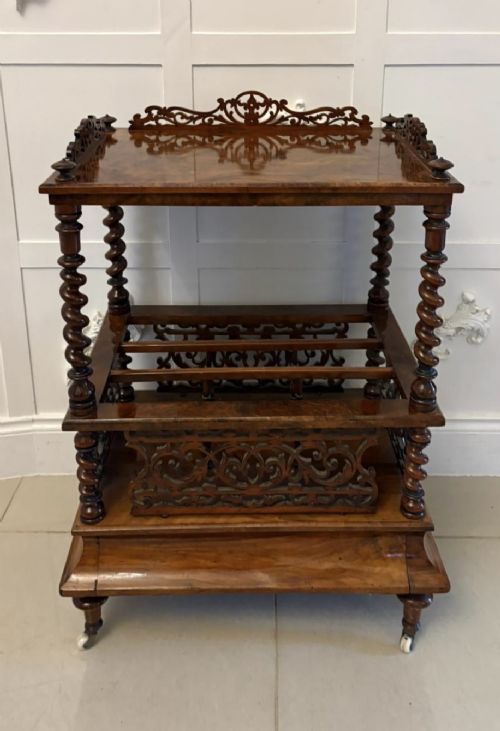
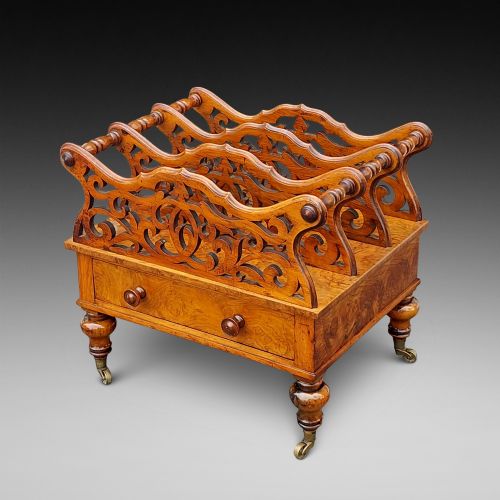
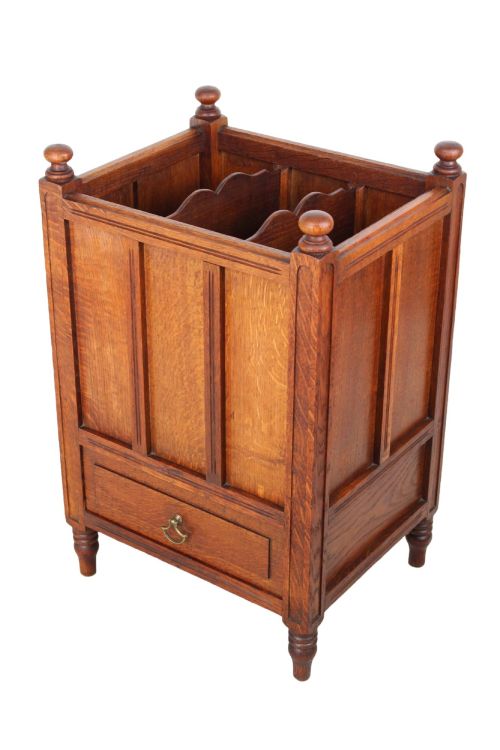
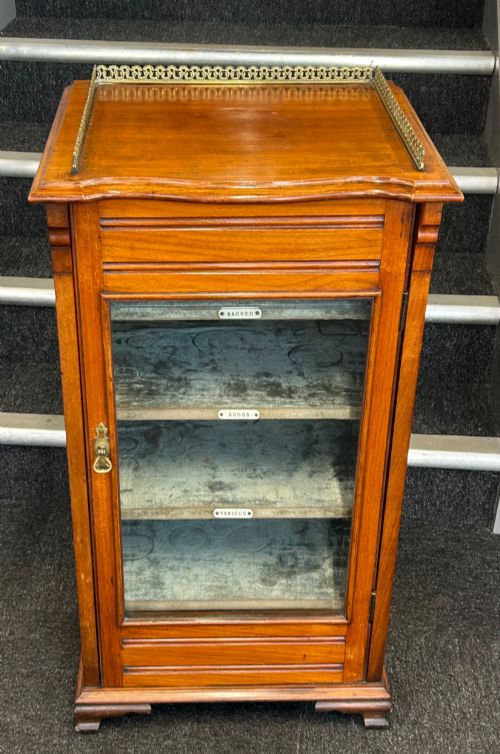
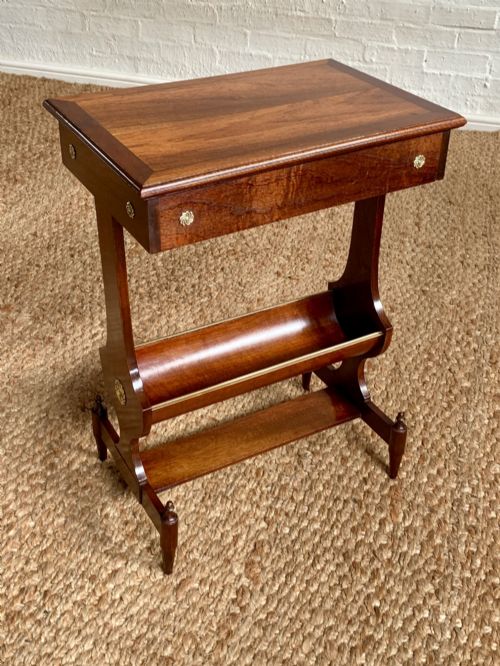
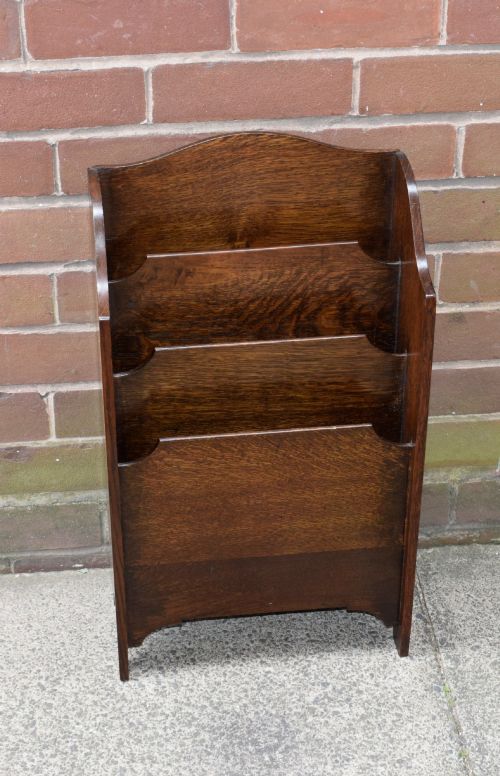
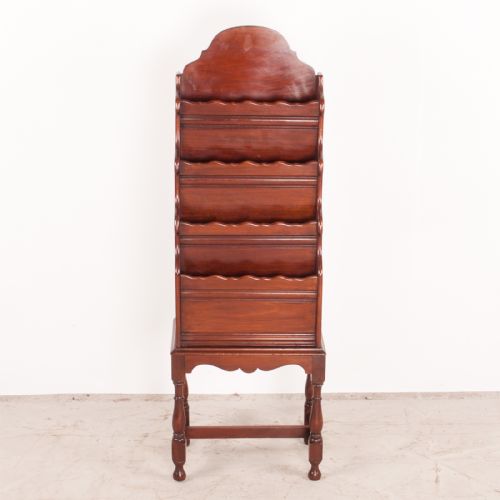
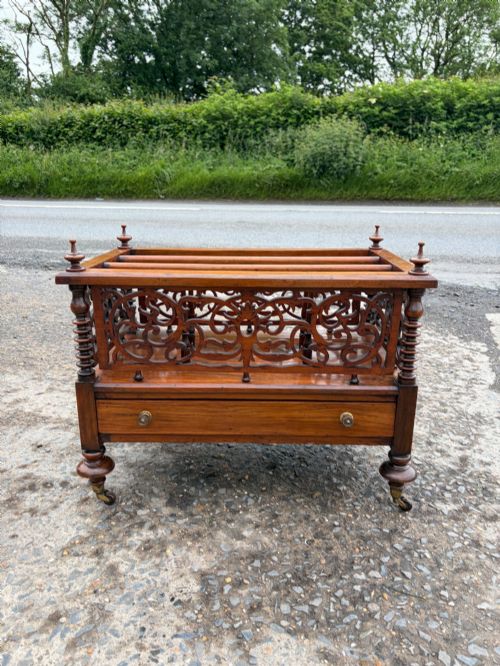
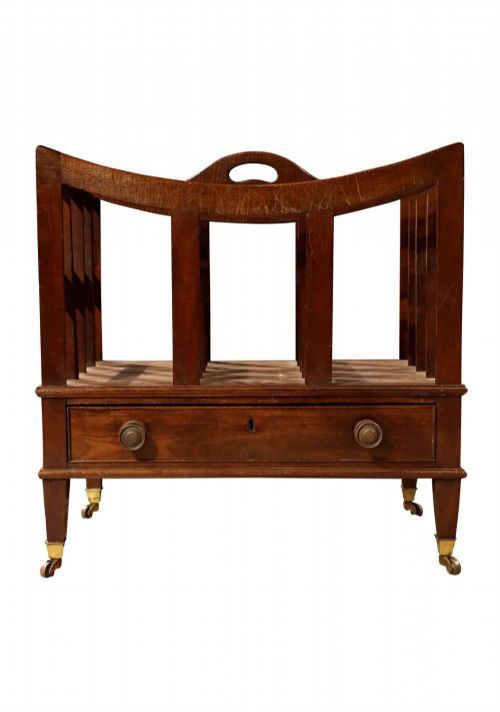
An edwardian canterbury stand brings divided storage for periodicals, music sheets and volumes into domestic spaces. These pieces combine upright partition racks with lower drawers or flat surfaces to serve dual purposes as occasional tables or music cabinets.
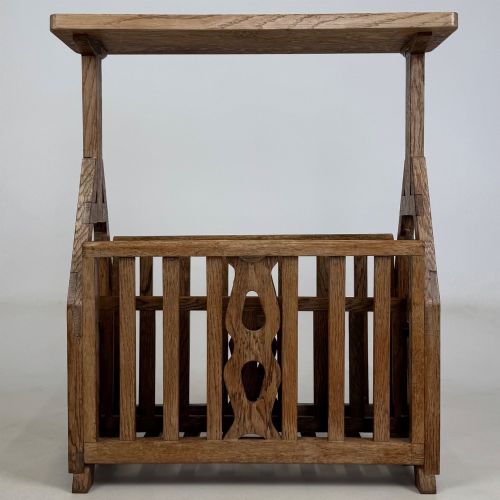
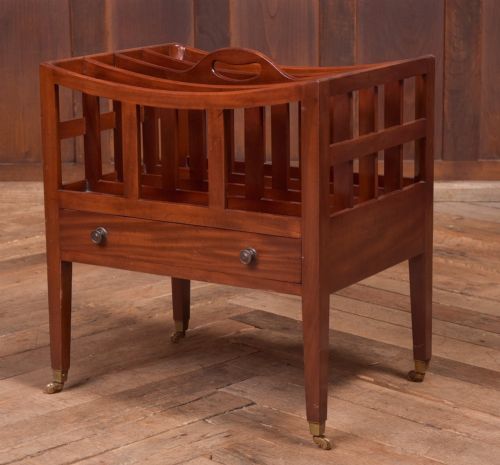
While the phrase directs attention to the twentieth-century Edwardian period, the selection includes related Victorian and Regency examples alongside Arts and Crafts and revival pieces. Buyers frequently encounter variations in mahogany, walnut and oak, often fitted with brass castors or handles.
Makers adapted the traditional multi-tier rack format to suit changing domestic habits, incorporating glass, ceramic and copper elements alongside standard timber frames. The resulting variety spans simple freestanding magazine holders to multifunctional side tables with integrated partitions.
Distinctions in quality
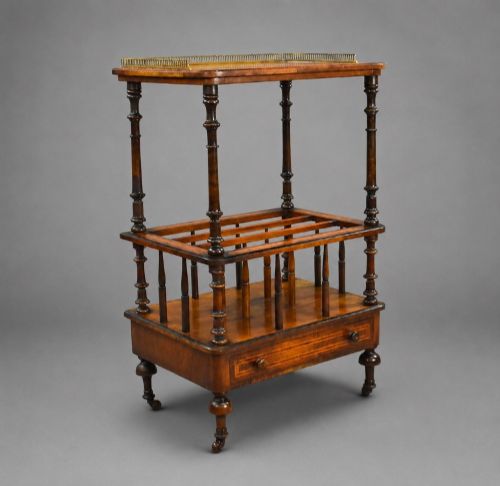
The choice of timber sets the baseline for quality, with richly figured burr walnut and carefully selected mahogany marking out finer items above standard oak or utilitarian pieces. Marquetry inlay, brass detailing and the crispness of turned woodwork indicate higher craftsmanship.
Structural integrity depends on the stability of the divider partitions and the smooth operation of any integrated drawers or fall-front compartments. Pieces that retain their original castors and undisturbed surface patination demonstrate superior preservation.
Some models hide music cabinets behind fall-front doors, letting a respectable side table double as a secret repository for out-of-tune sheet music.
The Edwardian Canterbury Stand Glossary
- Canterbury
- A low, freestanding stand featuring upright partitions designed originally for holding loose sheet music and later adapted for periodicals and newspapers.
- Marquetry
- The art of applying pieces of veneer to a structure to form decorative patterns, frequently seen on Victorian and Edwardian walnut surfaces.
- Whatnot
- An open set of multi-tiered shelves used for displaying or storing small items, occasionally combined with canterbury compartments.
- Fall Front
- A hinged panel that drops forward to reveal interior storage spaces, commonly utilised in music cabinets and writing desks.
- Castors
- Small wheel attachments fitted to the base of legs to allow furniture to be moved smoothly across floor surfaces.
Edwardian Canterbury Stand: Frequently Asked Questions
What is an edwardian canterbury stand used for?
These stands serve as dedicated holders for newspapers, magazines, portfolios and sheet music within living spaces. Many versions include a drawer or tabletop surface for holding related accessories.
Their compact compartmented design keeps daily reading material organised while functioning as a decorative side table.
How do I identify an edwardian piece?
Edwardian furniture generally displays lighter proportions and simpler lines compared to heavier Victorian designs, often favouring inlaid mahogany or oak.
Construction details and timber choices align with manufacturing practices from the early twentieth century, occasionally referencing earlier Regency or Arts and Crafts styles.
Are these stands sturdy enough for daily use?
The slender uprights and divided sections are built to support paper documents, journals and lightweight volumes rather than heavy book collections.
Careful handling ensures the vertical partitions and turned legs remain stable during routine domestic placement.
What woods were commonly used?
Mahogany and walnut appear frequently across the selection, alongside figured burr walnut veneers and durable oak frames. Rosewood and bamboo also feature in specific nineteenth-century iterations.
Metal components such as brass rods, handles and castors complement the primary timber structures.