


Edwardian Cane Armchair
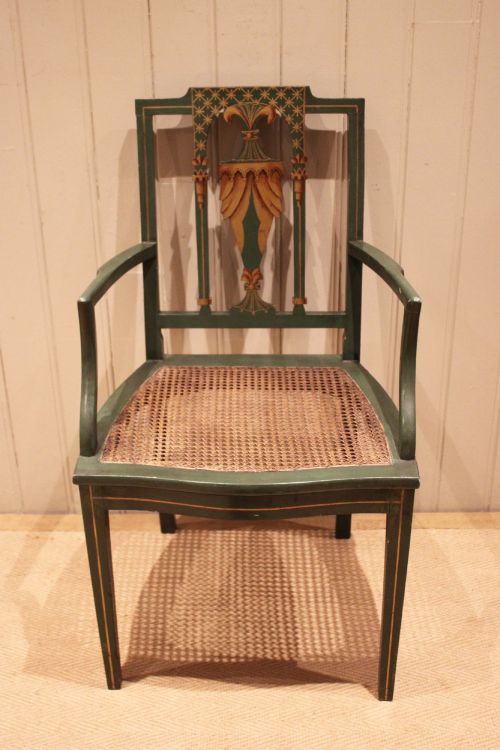
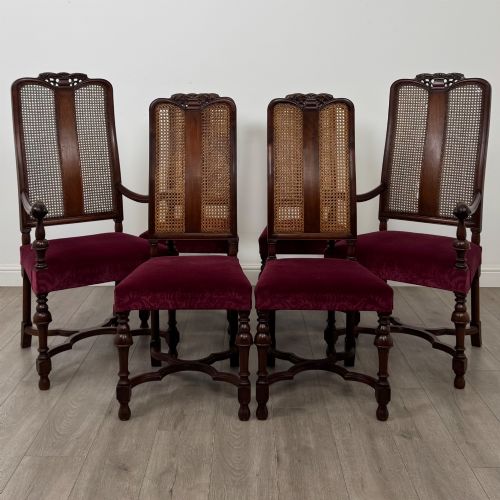
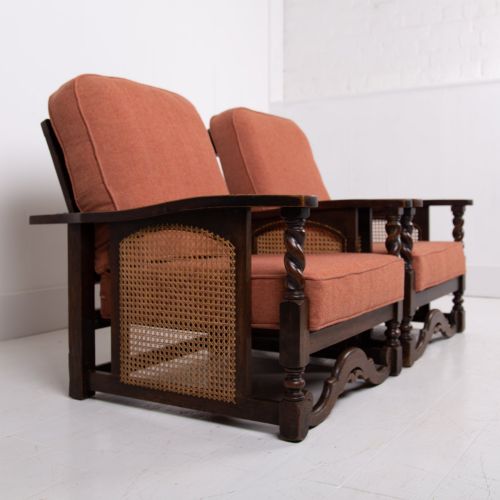
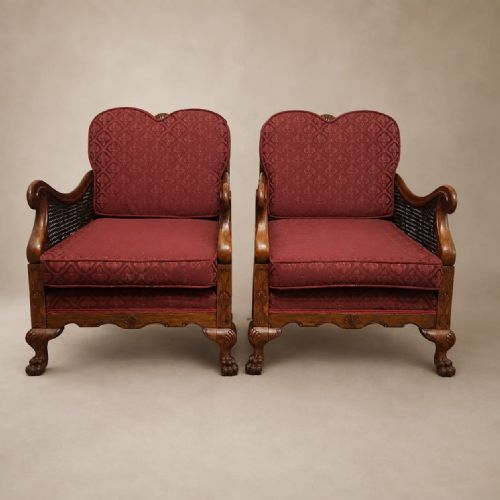
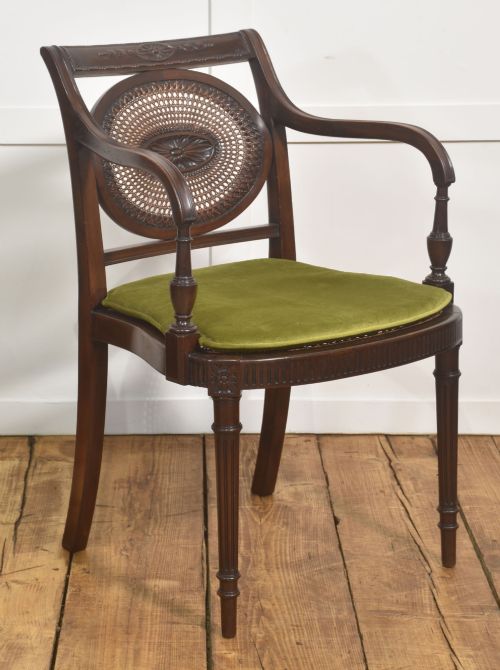
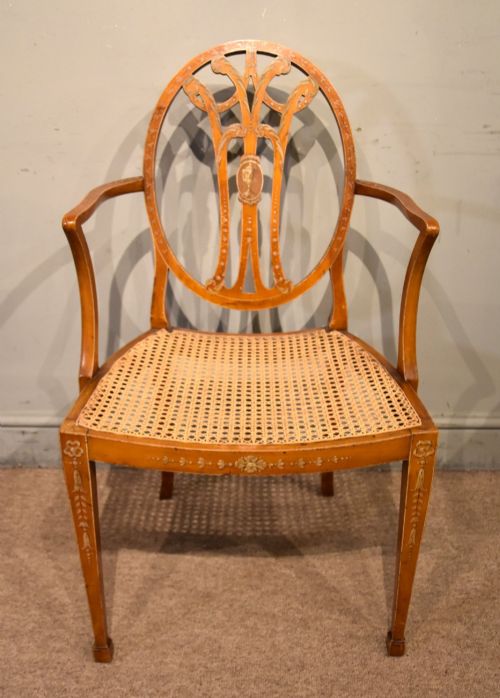
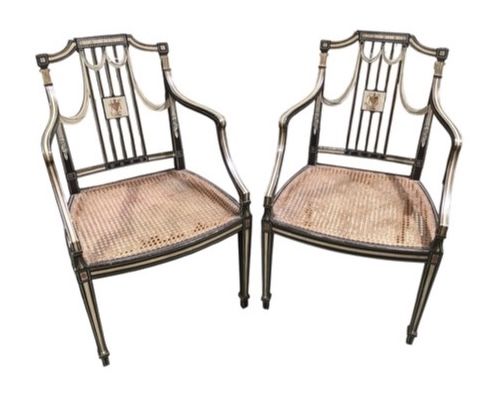
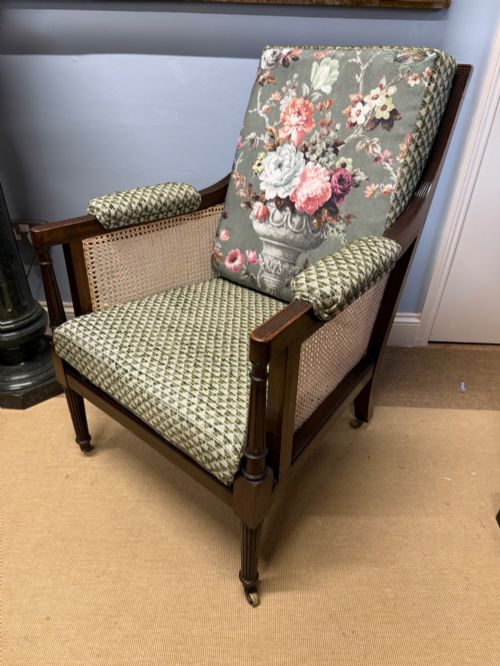
An edwardian cane armchair brings woven texture and solid timber frames into a room, offering upright support with a lighter visual presence than upholstered seating.
Edwardian Cane Armchair
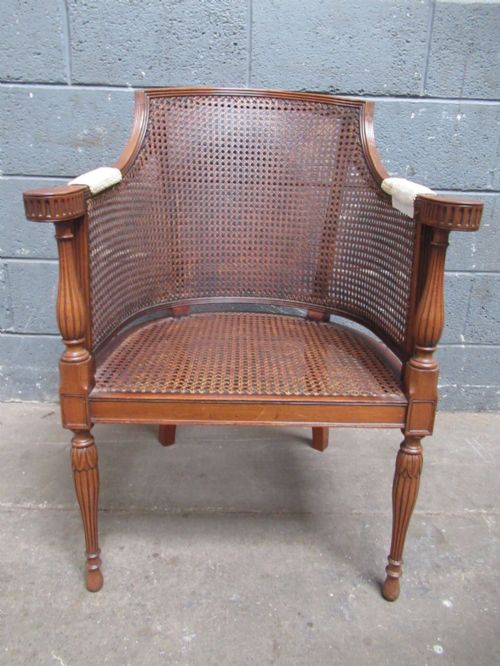
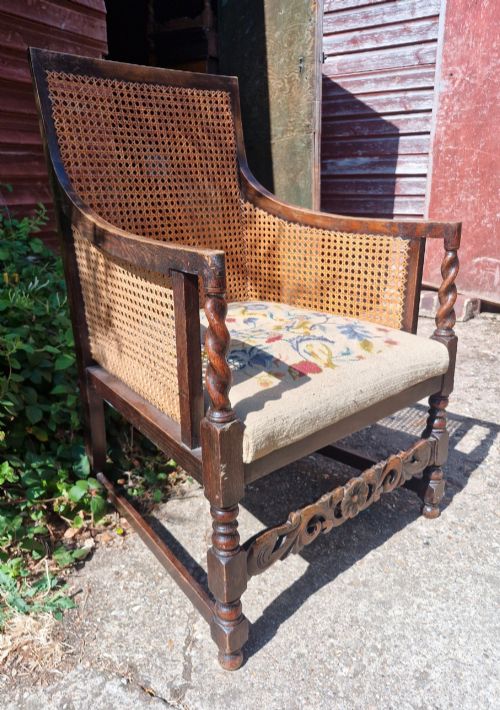
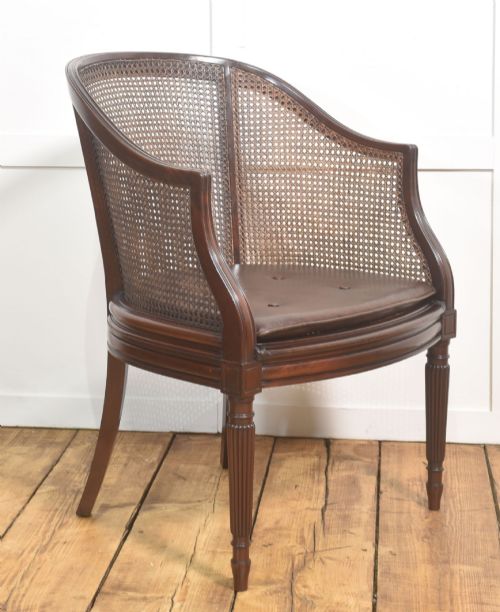
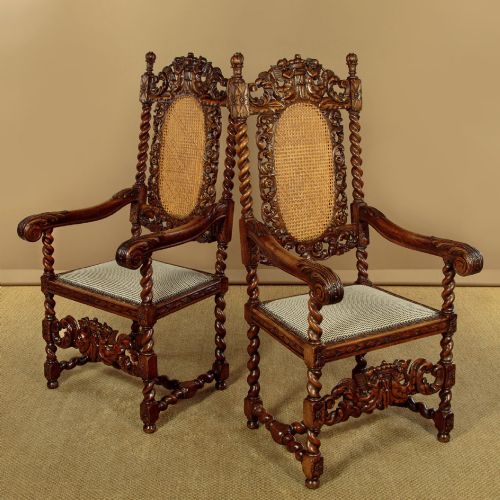
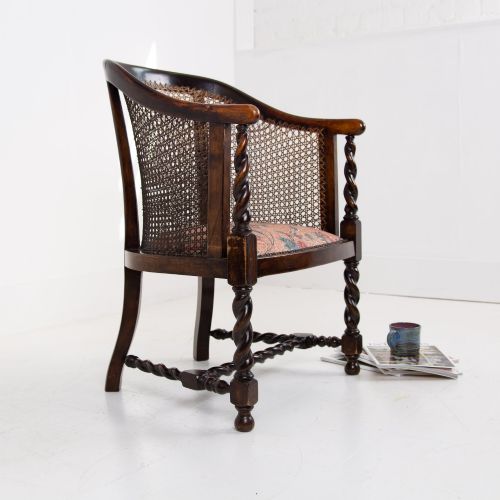
When you search for an edwardian cane armchair, you encounter seating constructed predominantly around the turn of the twentieth century, alongside related examples from the nineteenth century and the early decades of the 1900s. These pieces include tub chairs, library armchairs, and low lounge seats designed for domestic sitting rooms and reading spaces.
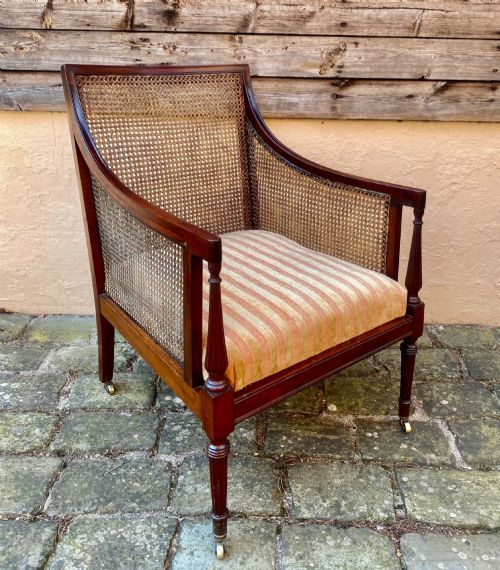
Makers and workshops of the period also produced bergere forms with enclosed cane sides, alongside lighter occasional chairs for bedrooms and parlours. Survival rates vary by timber type and the condition of the woven panels, but standard proportions generally suit modern sitting room layouts.
Materials and Construction
Frames rely on solid hardwoods such as mahogany, oak, and walnut, shaped through traditional joinery and occasional decorative carving or inlay. Timber surfaces are French polished, lacquered, or painted depending on the stylistic influence of the piece.
Caning employs split rattan or woven cane strands threaded through pre-drilled holes in the frame or secured within channels. Many pieces incorporate loose drop-in cushions or upholstered squabs padded with traditional stuffing materials.
Craftsmanship and Condition
Quality shows in the tightness and uniformity of the cane weaving, where hand-woven panels display regular patterns and secure tension across the curves of the frame. Finer examples maintain original surface finishes and crisp timber carving without structural loosening at the joints.
The integrity of the underlying wood frame dictates longevity, separating sturdy daily seating from pieces requiring extensive joinery stabilization. Refurbished examples with newly replaced cane or fresh cushions balance historical timber integrity with modern usability.
James Shoolbred·Dryad of Leicester·Dryad And Co·Heals of London
The Edwardian Cane Armchair Glossary
- Bergere
- An enclosed upholstered armchair featuring cane sides and back panels. This French-inspired form became particularly popular in mahogany and walnut during the Edwardian period.
- Cane
- Strips of peeled rattan woven into open mesh patterns for chair seats and backs. The material provides flexible support while maintaining a light profile.
- Tub Chair
- An armchair with a continuous curved back and arms forming a rounded enclosure. These often feature low profiles and cane inserts.
- Sheraton Revival
- A late nineteenth and early twentieth century style drawing on the lighter neoclassical designs of the eighteenth century. Pieces in this taste frequently use mahogany with painted satinwood details.
- Squab
- A loose cushion designed to fit the seat base of an armchair. They are often upholstered in leather, velvet, or woven fabric to improve comfort.
Edwardian Cane Armchair: Frequently Asked Questions
How do I care for cane seating?
Keep woven cane panels supple by occasionally wiping them with a damp cloth to prevent the natural fibres from drying out and snapping.
Avoid placing these chairs directly next to intense heat sources or in strong sunlight, which can make the rattan brittle over time.
Can damaged cane be repaired?
Traditional hand-woven cane panels can be entirely replaced by a skilled restorer when strands break or wear through heavy use.
Pre-woven cane sheet inserts are also utilised in certain models, though traditional hand-caning remains standard for higher-quality bergere frames.
Were these chairs meant for a specific room?
These armchairs served multiple domestic spaces, appearing in libraries, drawing rooms, and bedrooms depending on their scale and decorative finish.
Lighter tub and occasional variants suited smaller sitting areas where heavy upholstered furniture would overwhelm the floor plan.
How do I distinguish Edwardian from Victorian examples?
Edwardian frames generally display lighter proportions and brighter timber finishes, often drawing inspiration from earlier eighteenth-century revival styles.
Victorian counterparts tend to be heavier in construction, utilising darker polished mahogany or walnut with more robust carving.