
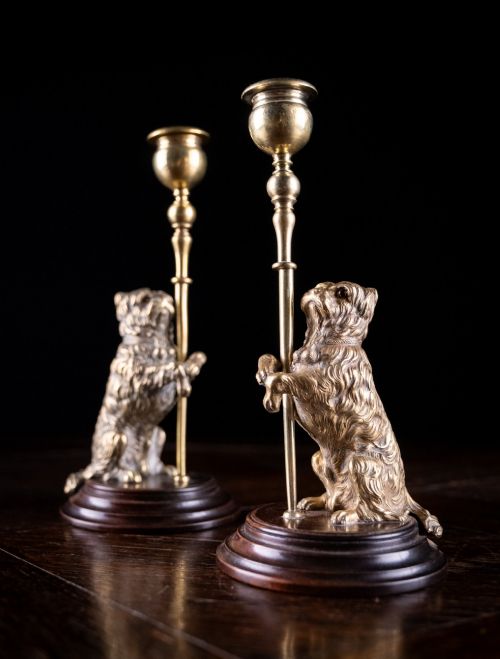
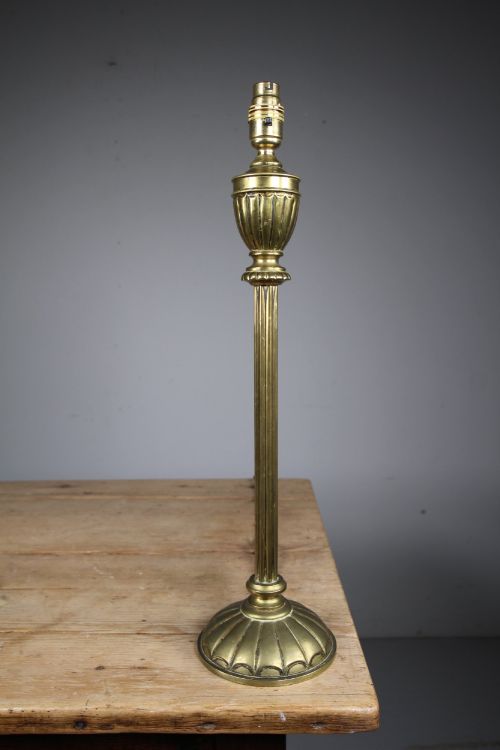
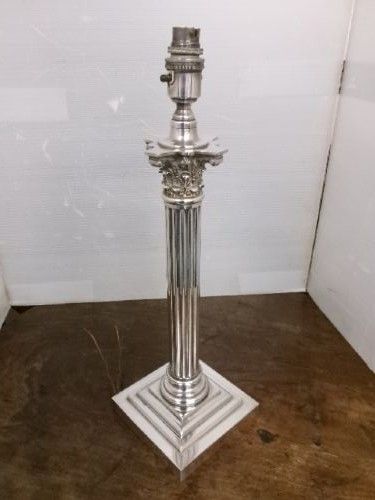
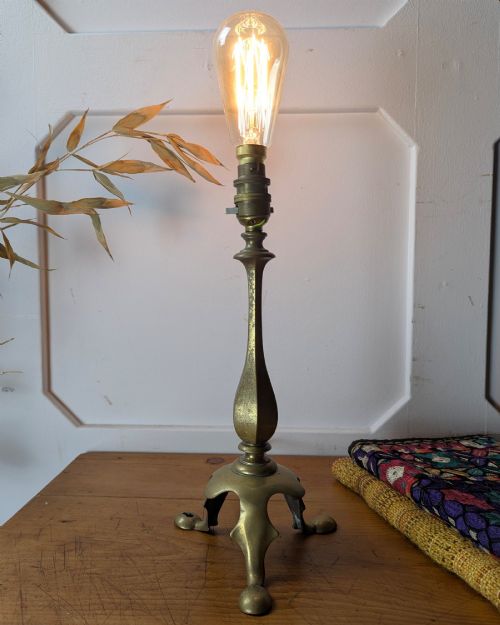

Edwardian Candlesticks
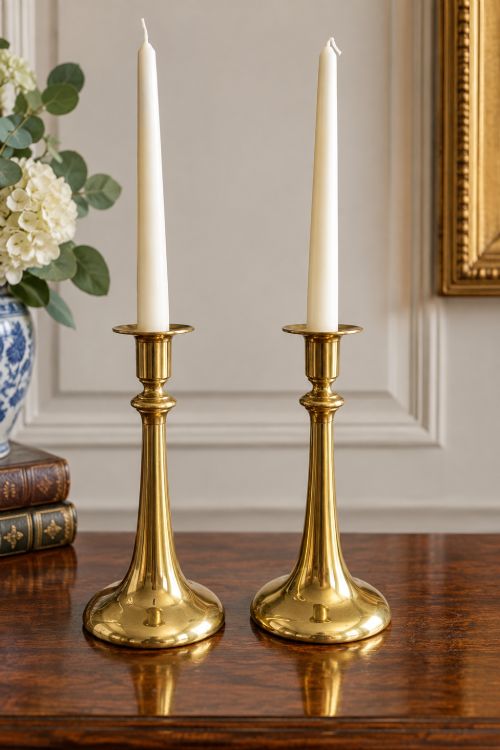
Edwardian candlesticks bring domestic illumination from the early twentieth century into modern rooms through solid silver, plated metals and brass.
Edwardian Candlesticks
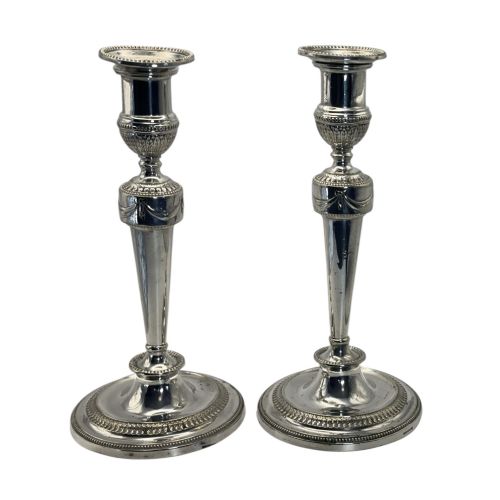
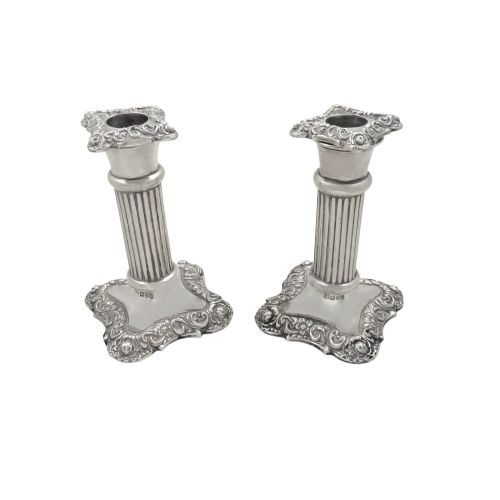
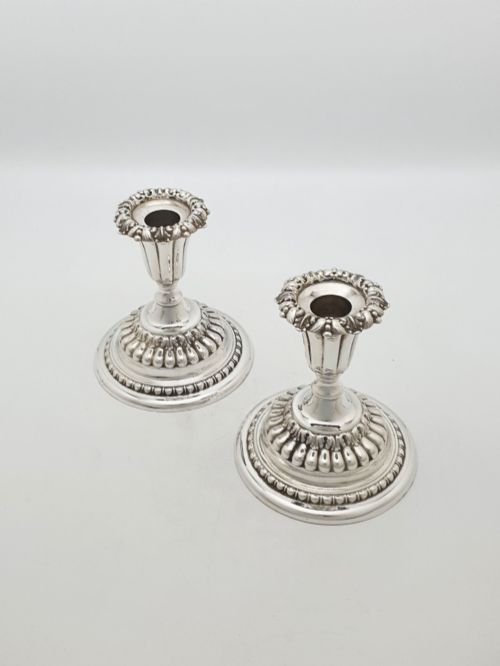
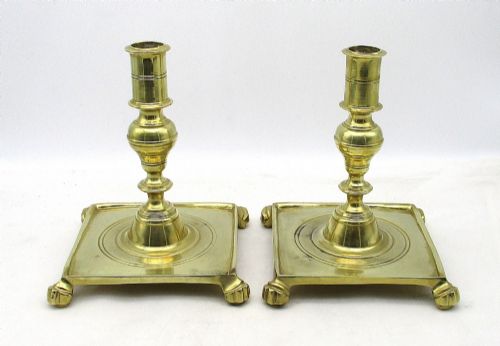
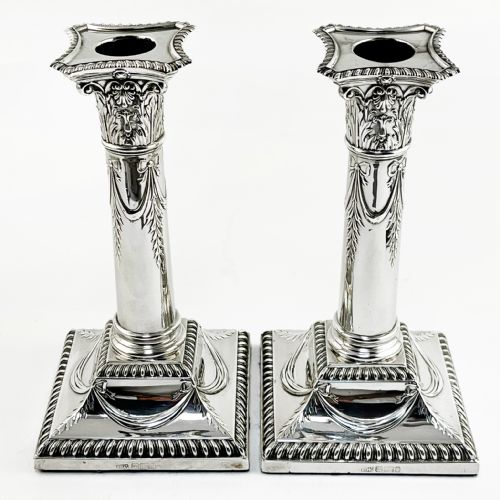
Edwardian candlesticks include domestic lighting accessories produced around the reign of King Edward VII, spanning sterling silver table designs, silver plate, and heavy brass engineering. The most frequently encountered examples on this page are matched pairs in sterling silver or polished brass, often standing on weighted bases.
Makers of the period drew heavily on classical revival motifs, producing fluted columns, Corinthian capitals, and neat dwarf candlesticks for desks and sideboards. Alongside formal silver, utilitarian workshops contributed copper, pewter, and mixed metal pieces reflecting Arts and Crafts ideals.
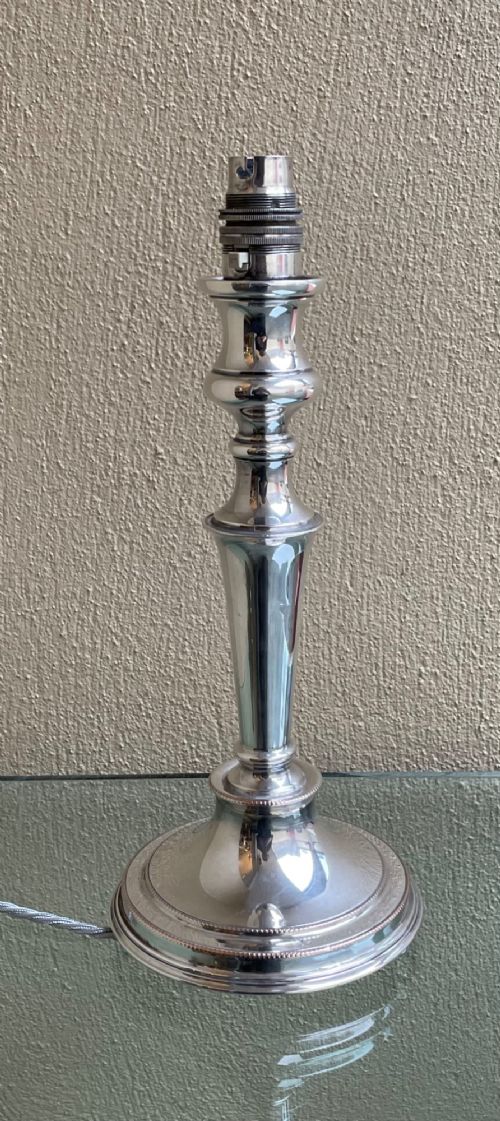
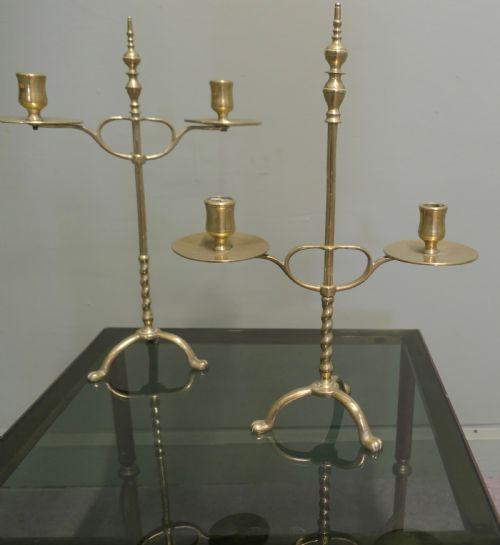
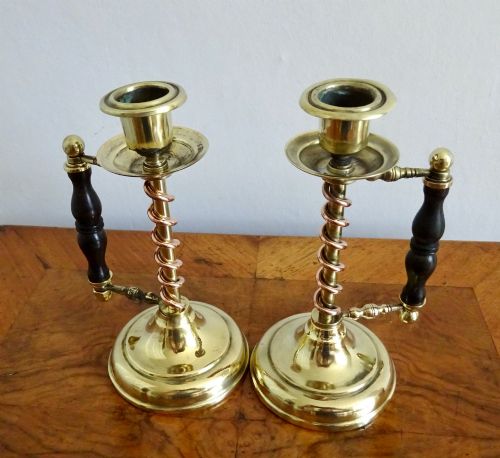
Beyond standard pillar forms, the selection encompasses chambersticks with finger rings, multi-armed candelabra, and sturdy student lamps designed for reading. While silver items typically bear hallmarks dating them precisely to the first decade of the twentieth century, brass variants often bridge the late Victorian era and the interwar years.
Materials and construction
Sterling silver items relied on sheet metal spinning and stamping around internal weighted cores to provide stability, supplemented by cast nozzles and detachable drip pans. Hallmarks stamped into the silver or plate record the assay office, maker's mark, and year of production.
Brass and copper pieces utilised casting, turning on lathes, and hand-beating techniques. Arts and Crafts examples often display visible riveting, hammered surfaces, and patinated finishes rather than high-gloss polishing.
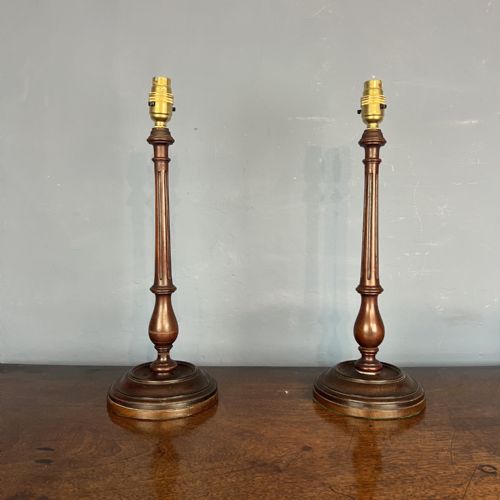
Silver plating was applied over base metals such as nickel silver or copper using electroplating methods pioneered by commercial manufacturers. Wooden elements like oak and mahogany served as turned shafts or heavy weighted bases combined with metal mounts.
Distinctions in manufacture
Quality rests upon the gauge of the metal used and the crispness of applied ornament, distinguishing heavy cast components from thin pressed shells. Sterling silver carries clear assay marks, whereas plated items depend on the durability of the initial silver deposition.
Proportion and architectural balance dictate visual success, particularly in classical column designs where capital, shaft, and stepped foot must align harmoniously. Superior pieces retain their original detachable sconces and remain structurally sound without excessive leaning or solder repairs.
Mappin & Webb·James Fenton·Frederick J Smith & Co·Wm Tonks & Sons
The Edwardian Candlesticks Glossary
- Hallmark
- Official marks stamped on precious metals indicating the assay office, metal purity, and year of manufacture. These small stamps provide the most reliable method for dating silver candlesticks.
- Corinthian column
- A classical architectural style featuring ornate capitals decorated with acanthus leaves. This motif proved especially popular for tall silver candlesticks during the Edwardian period.
- Chamberstick
- A low candlestick fitted with a saucer base and a loop handle for carrying room to room. They frequently include a small conical snuffer resting in the tray.
- Dwarf candlestick
- A miniature version standing only a few inches high, designed for desks or dressing tables. They share the architectural details of full-sized columns in a compact scale.
- EPNS
- Electroplated Nickel Silver, a durable base metal core coated in a layer of silver. Many formal dining accessories of the era utilised this technique as an affordable alternative to solid silver.
- Sconce
- The detachable metal nozzle fitted at the top of a candlestick to catch melting wax. Surviving with the original matching sconce adds authenticity to a pair.
Edwardian Candlesticks: Frequently Asked Questions
How do I clean tarnished silver candlesticks?
Use a soft cloth and a gentle, non-abrasive silver cream designed for antiques. Avoid vigorous rubbing that might wear through thin plating or obscure crisp hallmark details.
Wash away residue with warm soapy water and dry thoroughly with a soft duster to maintain a protective shine.
Were these candlesticks designed for everyday dining?
Middle and upper-class households used silver and plated candlesticks daily on dining tables, sideboards, and drawing-room mantelpieces. Solid silver pairs were treated as household investments and polished regularly by staff.
Simpler brass and pewter versions served practical lighting needs in bedrooms and studies before electric illumination became universal.
How can I tell solid silver from silver plate?
Solid silver items display a series of official assay hallmarks indicating sterling standard, usually a lion passant for British manufacture. Silver-plated pieces show maker marks indicating electroplate or nickel silver bases.
Over decades of polishing, worn plate may reveal the yellowish base metal underneath, whereas solid silver maintains consistent colour throughout.