






Edwardian Calling Card Case
These Edwardian calling card case examples are elegant pocket pieces designed for social introductions, offering a tangible link to polite calling rituals.
Edwardian Calling Card Case
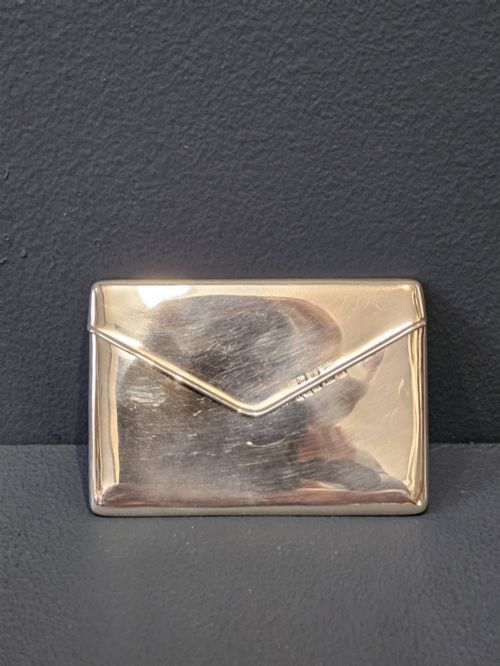
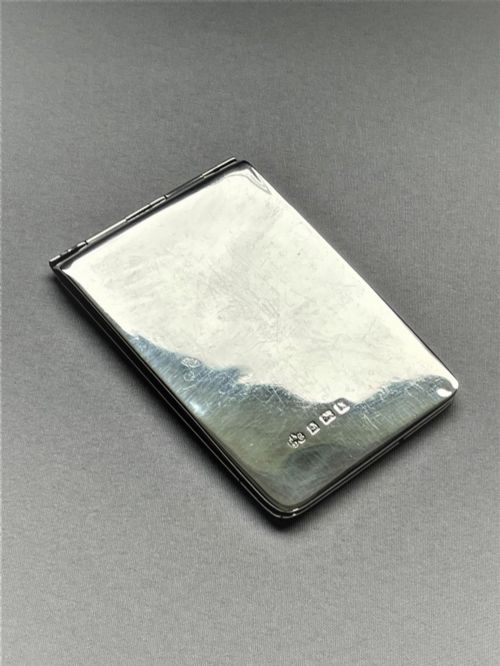
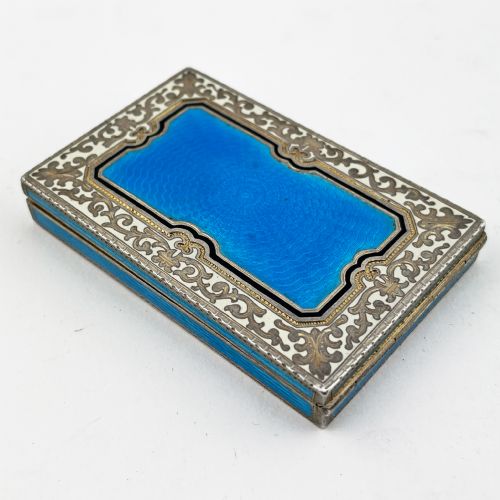
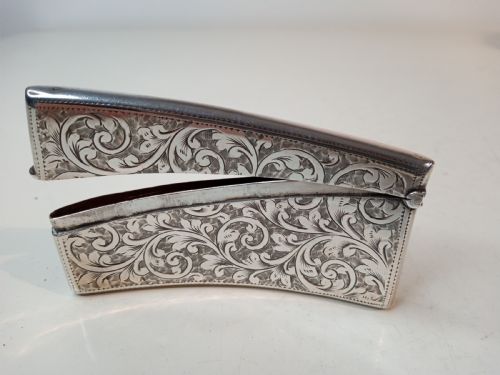
An edwardian calling card case is a slender pocket receptacle designed to hold visiting cards safely during social calls. The examples appearing on this page span from the Victorian period through to the nineteen twenties, though the Edwardian era predominates.
Forms vary from standard card cases to combination card and stamp cases, slimline pocket wallets, aides memoire, and silver gilt lined card boxes. Some Continental pieces also function as cheroot cases alongside their primary purpose.
Origins include English workshops operating in London and Birmingham, alongside Continental makers. While the search phrase focuses on the Edwardian period, related nineteenth century and later Victorian pieces appear frequently.
How They Were Made
Sterling silver forms the primary structural material across the majority of pieces, frequently enriched with silver gilt linings. Vitreous enamel and standard enamel add colourful decorative surfaces to select metal bodies.
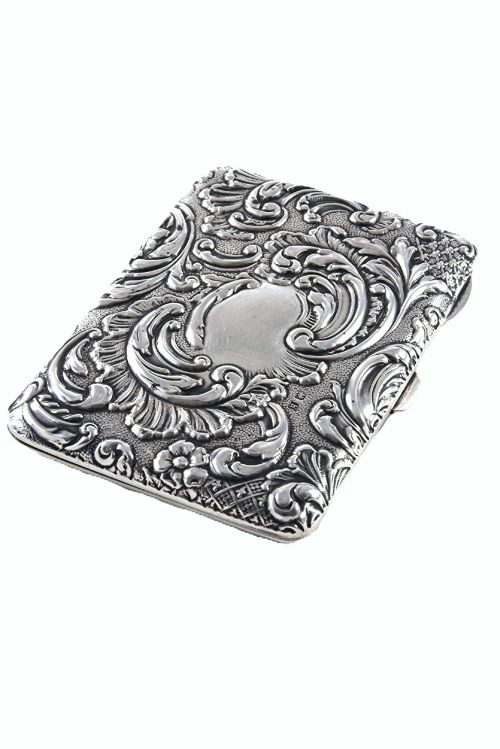
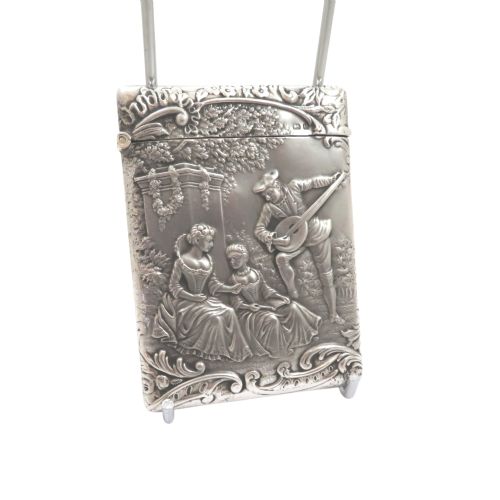
Surface decoration relies heavily on detailed engraving and texturing, including crocodile skin designs and figurative scenes such as The Music Lesson, dog and stag motifs. Connemara marble also appears as an inset decorative element.
Makers utilise specialised techniques to hinge lids securely and shape thin sheet metal into protective shells that prevent cards from bending in the pocket.
Edwardian Calling Card Case Retail Price Guide 2026
Typical asking prices for edwardian calling card case among the pieces listed under this phrase on Sellingantiques today, from the lower quarter to the upper quarter. They describe what is for sale here now, not the wider market.
Listings feature sterling silver, silver gilt, vitreous enamel, and Connemara marble across Edwardian, Victorian, and nineteenth century periods.
What Varies in Quality
The degree of surface artistry separates standard utilitarian items from exceptional pieces. Finely chased pictorial scenes, crisp engine turning, and intact enamel work elevate the tactile appeal and visual depth of a case.
Material composition also marks the distinction between grades, particularly where silver gilt interiors or inset Connemara marble are employed. The weight of the metal and the precision of the lid closure reflect the original maker's standard of production.
Willian Aitken·Deakin & Francis·Joseph Gloster
The Edwardian Calling Card Case Glossary
- Aide Memoire
- A small pocket notebook or memorandum pad, often combined with card storage and a pencil. These pieces served as practical memory aids for social engagements.
- Sterling Silver
- A silver alloy containing ninety-two point five percent pure silver by mass, forming the standard metal body for most British card cases. It provides durability and a bright finish.
- Silver Gilt
- Silver that has been coated with a thin layer of gold on the interior or exterior surfaces. This technique adds warmth and protects the metal from tarnish.
- Vitreous Enamel
- A material made by fusing powdered glass to a metallic substrate by firing. It creates a glossy, coloured decorative layer that resists wear.
- Connemara Marble
- A distinctive pale to dark green marble native to Ireland, occasionally inset into silver card cases as a decorative panel.
Edwardian Calling Card Case: Frequently Asked Questions
What is an edwardian calling card case?
An edwardian calling card case is a slim protective holder made for paper visiting cards used during formal social calls. These pocket accessories kept cards crisp and clean until presentation.
Most examples are fashioned from sterling silver, occasionally featuring enamel work, gilt interiors, or engraved pictorial scenes like stags and dogs.
How do I spot an edwardian piece?
Edwardian pieces often display hallmarks indicating the early twentieth century alongside distinct stylistic traits of the period. Makers frequently employed crisp geometric engraving or naturalistic animal motifs typical of the era.
Comparing the form and decoration against Victorian examples helps clarify the date of manufacture when hallmarks are rubbed.
Can I still use one today?
These historical cases suit modern business cards, credit cards, or folded notes just as well as original visiting cards. Their slim profiles fit easily into pockets or small bags.
Care should be taken with hinged lids and delicate enamel or gilt surfaces during daily use to preserve the metalwork.
What materials were used?
Sterling silver forms the structural basis for the vast majority of these items, sometimes enhanced with silver gilt linings. Coloured vitreous enamel and Connemara marble add decorative contrast.
Uncommon variants incorporate gilt metal or mimic textures like crocodile skin directly into the silver surface.