
Edwardian Cabriole Leg Table
An edwardian cabriole leg table combines fluid, curving supports with practical surface space, making it a versatile addition to period interiors.
Edwardian Cabriole Leg Table
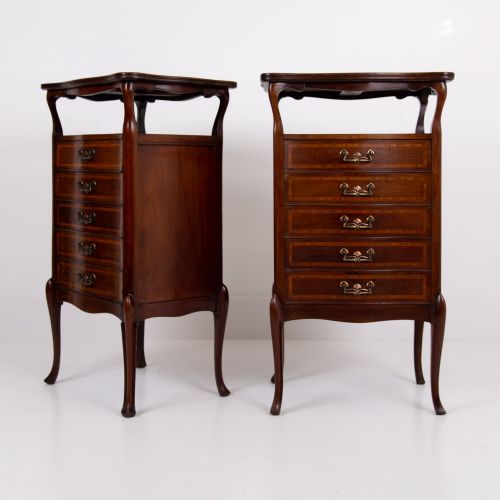
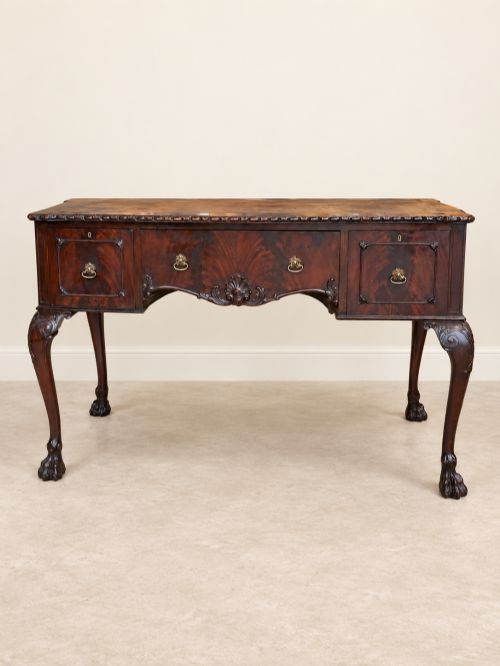
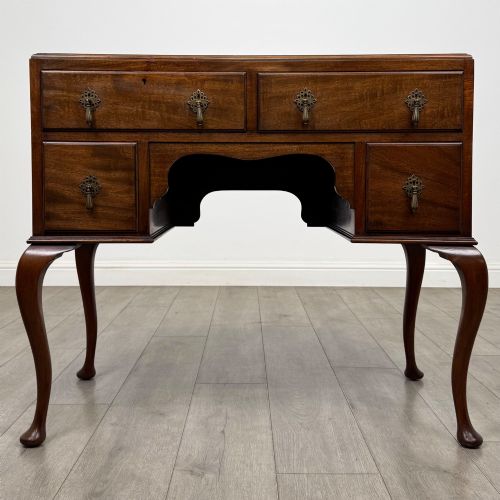
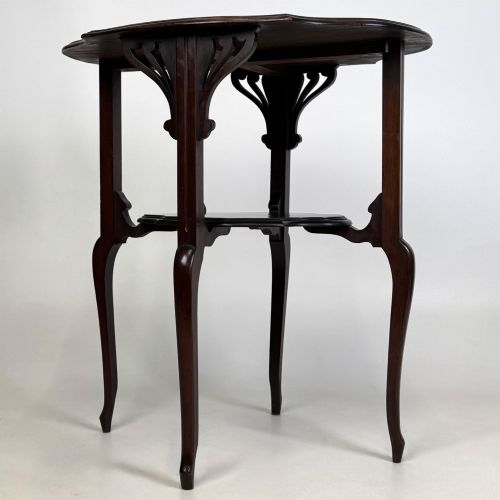
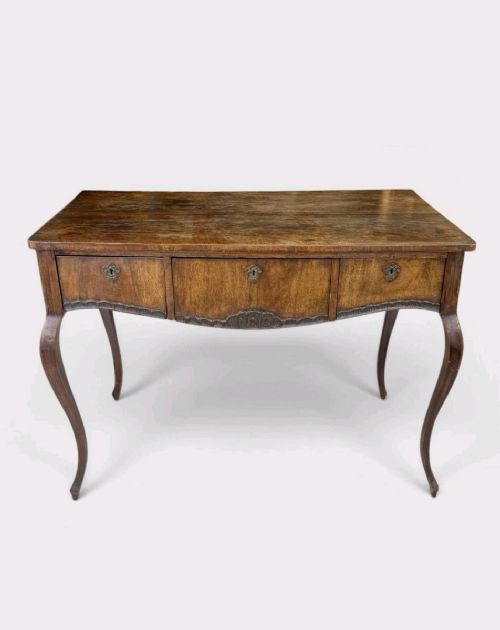
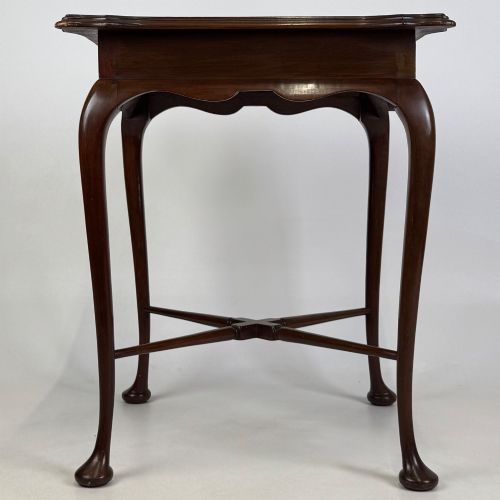
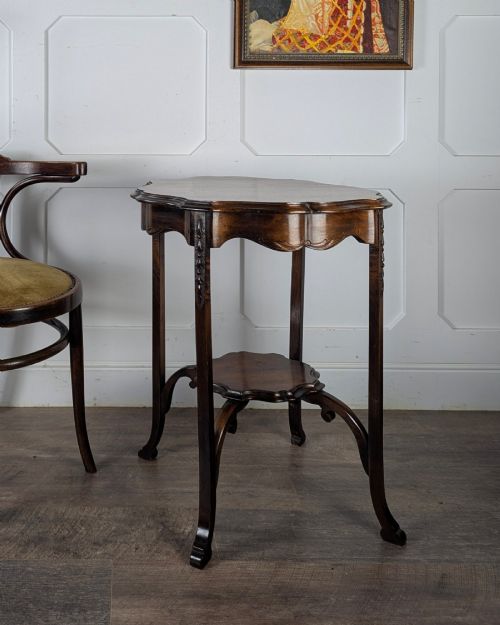
An edwardian cabriole leg table encompasses a variety of forms designed for domestic utility, including side tables, writing desks, and card tables. These items reflect the domestic requirements of the early twentieth century alongside revivals of earlier design vocabulary.
How they were made
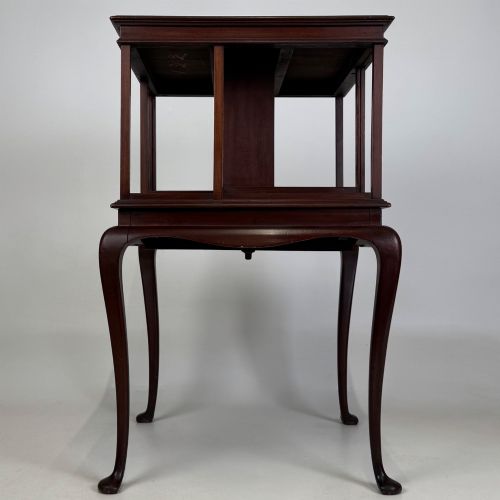
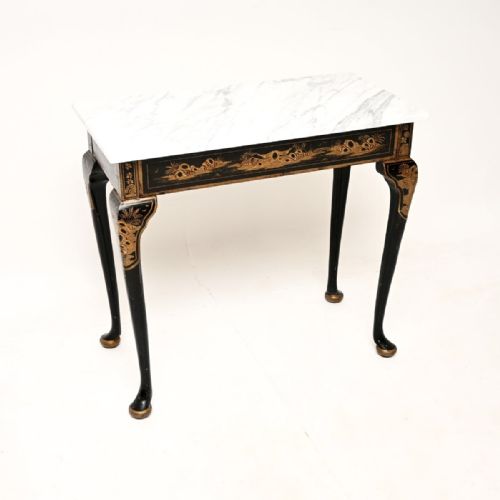
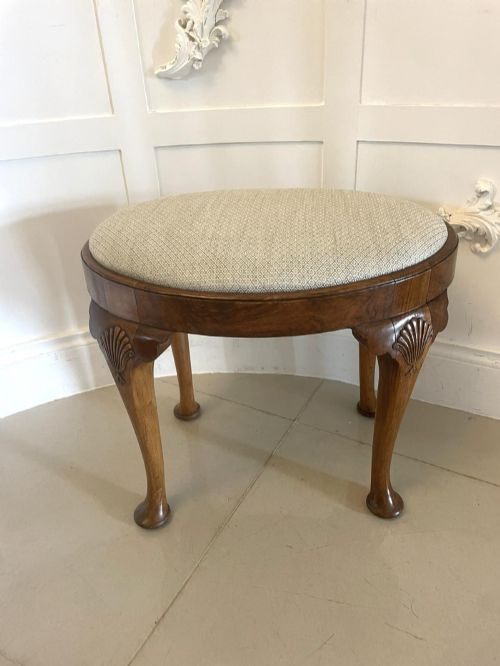
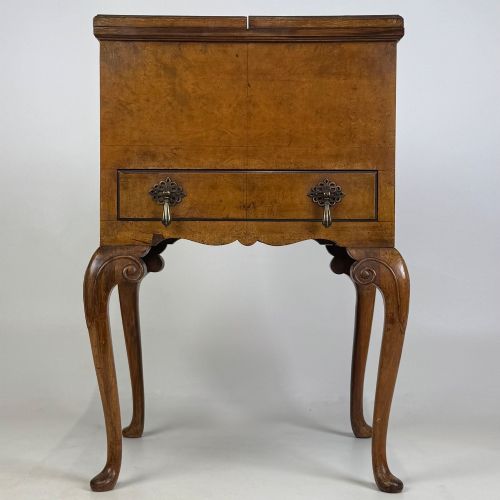
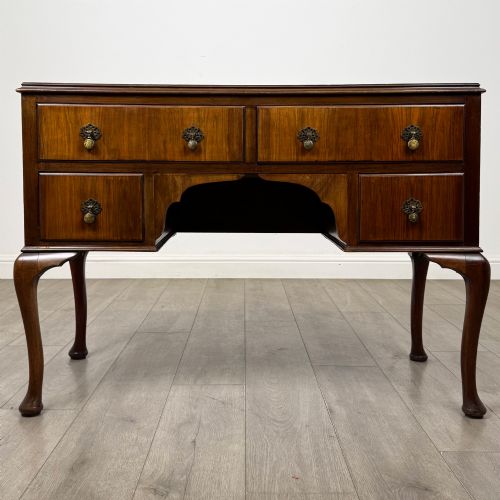
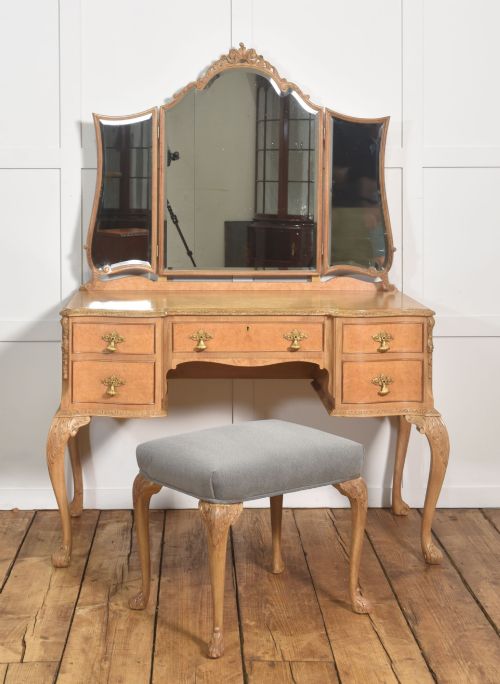
Cabinet makers utilised dense hardwoods such as mahogany and walnut, sometimes selecting burr veneers to produce figured surfaces on tabletops and drawer fronts. Supporting structures rely on the characteristic cabriole leg, carved from solid timber with integrated curves.
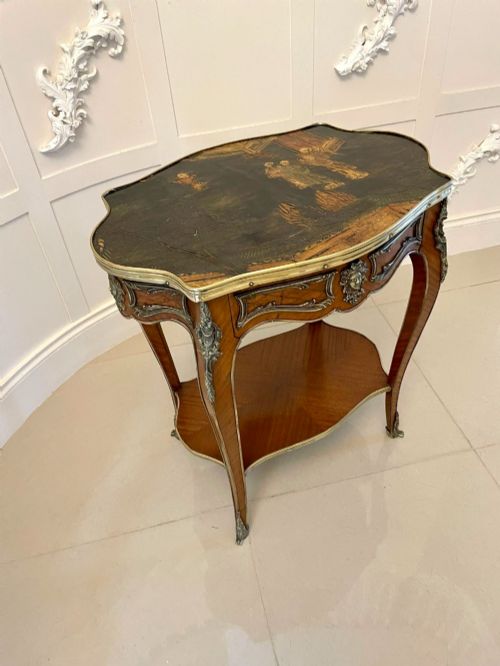
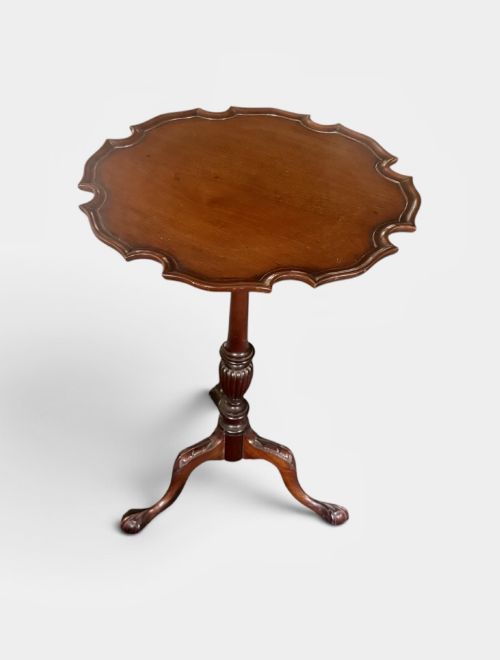
Detailing often includes brass mounts, leather inserts for writing surfaces, and delicate edge treatments like pie crust rims. Joinery methods of the period ensured stability without obscuring the grain of the primary timber.
Edwardian Cabriole Leg Table Retail Price Guide 2026
Typical asking prices for edwardian cabriole leg table among the pieces listed under this phrase on Sellingantiques today, from the lower quarter to the upper quarter. They describe what is for sale here now, not the wider market.
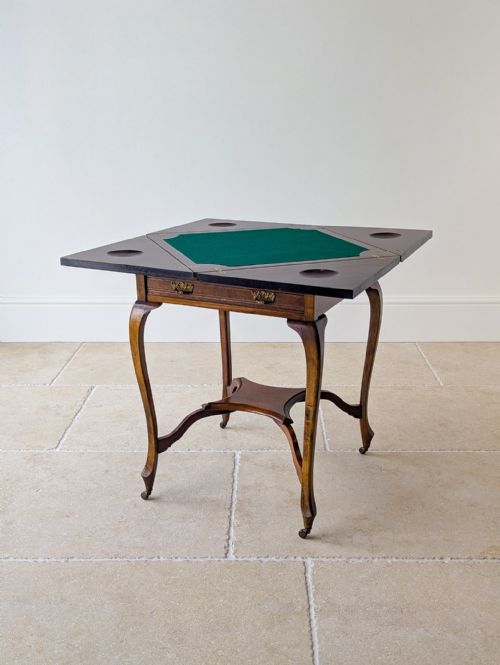
Envelope card tables fold open with a satisfying origami motion, ready for an unexpected evening of parlour games.
What varies in quality
The distinction between standard items and finer examples rests on the depth of carving and the selection of timber veneers. Figured burr walnut and carefully matched mahogany grains denote a higher grade of production.
Construction details such as dovetailed drawer linings and crisply defined curves on the cabriole supports separate workshop output. Superior pieces maintain crispness in decorative mounts and balanced proportions across the entire frame.
Wylie & Lochhead Glasgow·Shapland and Petter
The Edwardian Cabriole Leg Table Glossary
- Cabriole leg
- A furniture support that curves out at the knee and tapers inward to the foot, imitating an animal's leg. This form draws on eighteenth-century traditions revived during the Edwardian period.
- Pie crust rim
- A raised, scalloped edge carved along the perimeter of a circular tabletop. It is frequently seen on smaller occasional and tripod tables.
- Burr walnut
- Timber taken from a growth on the walnut tree, yielding complex, swirling grain patterns. It was sliced into thin veneers for decorative table surfaces.
- Envelope card table
- A folding game table with triangular flaps that swivel open to reveal a baize-lined playing surface. The mechanism unfolds like an envelope.
- Ormolu
- Gilded bronze mounts applied to furniture for decorative effect. It appears on revival pieces referencing French eighteenth-century taste.
Edwardian Cabriole Leg Table: Frequently Asked Questions
How do I identify an Edwardian table?
Edwardian tables generally display lighter proportions and softer wood tones compared to heavy Victorian furniture. They frequently incorporate revival styles from the Georgian and Queen Anne periods.
Examination of the secondary timbers inside drawers and the style of brass or gilt mounts helps confirm the period of manufacture.
Were these tables used for writing?
Many examples function as compact writing desks or bureau tables equipped with drawers for stationery. These pieces suited the domestic correspondence habits of the early twentieth century.
Their scaled-down dimensions allowed them to fit into sitting rooms rather than dedicated libraries.
What woods are most common?
Mahogany and walnut dominate the surviving pieces, appearing in both solid form and as decorative veneers. Figured varieties such as burr walnut provide striking visual patterns on tabletops.
Secondary woods like oak or pine are typically found inside drawer boxes and internal framing.
How do I care for a wood table?
Polishing with traditional wax maintains the moisture and natural sheen of mahogany and walnut surfaces. Avoiding direct sunlight prevents the timber from fading over time.
Keeping the furniture away from direct heat sources stops the wood and veneers from drying out and cracking.