
Edwardian Burr Walnut Furniture
Edwardian burr walnut furniture combines rich, intricate timber figuring with the lighter proportions typical of the early twentieth century.
Edwardian Burr Walnut Furniture
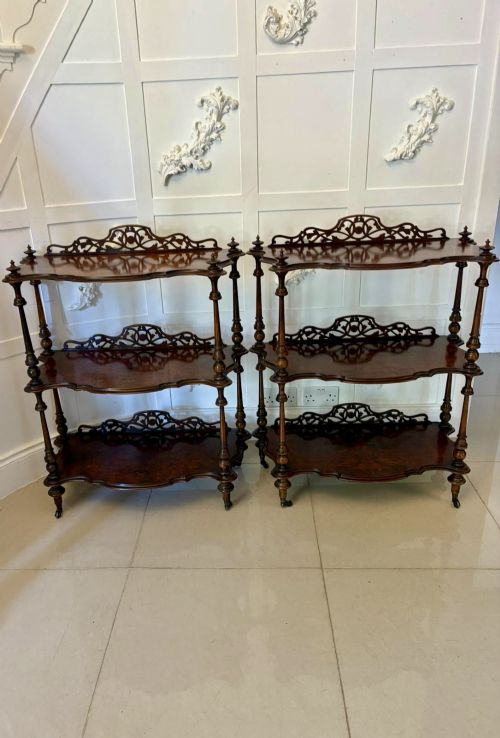
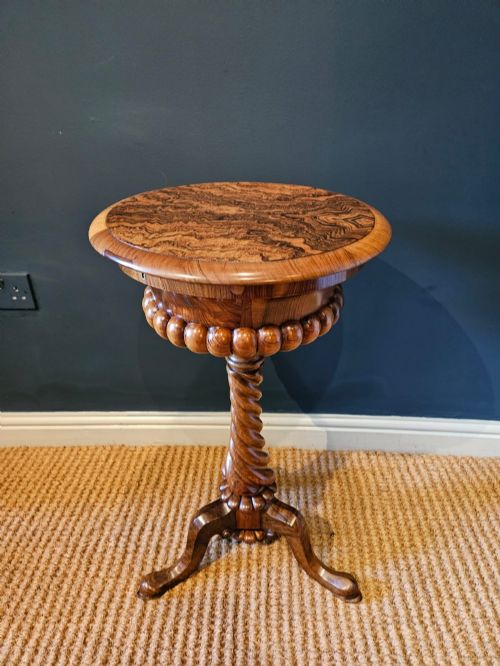
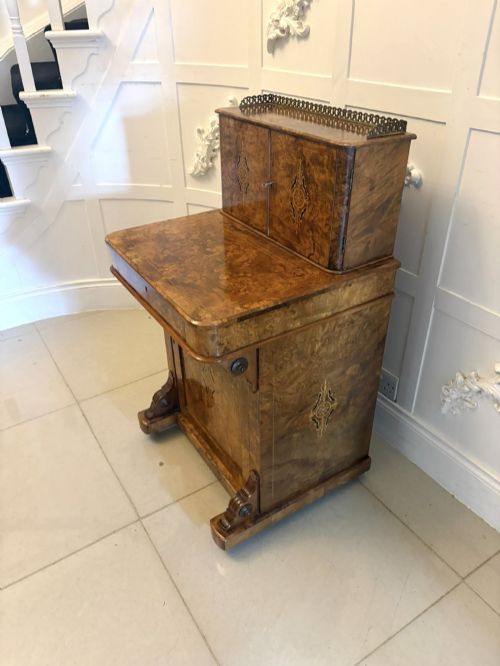
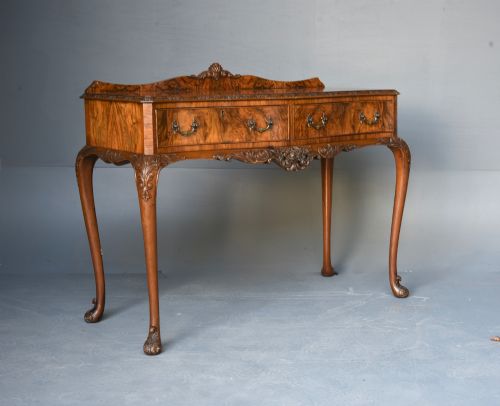
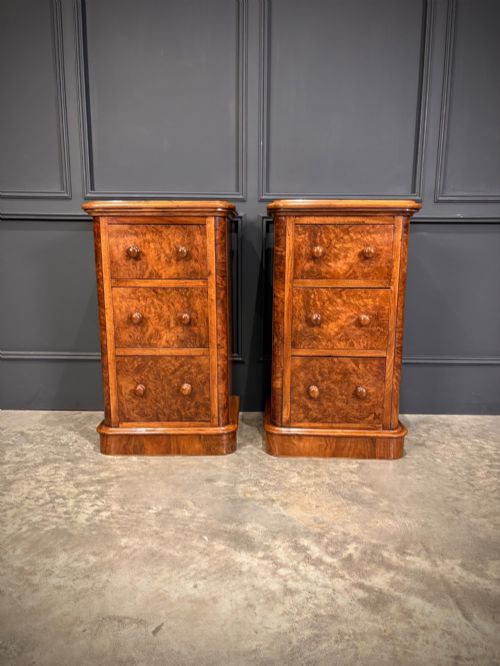
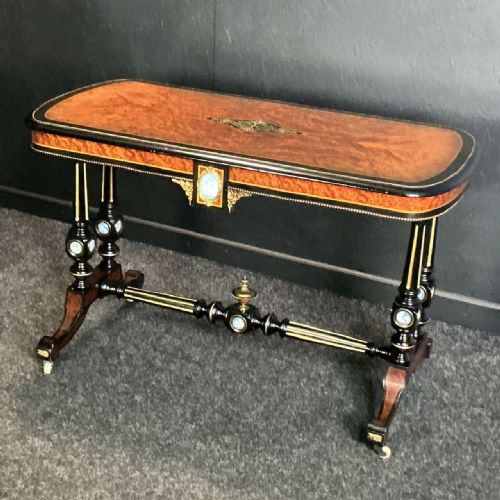
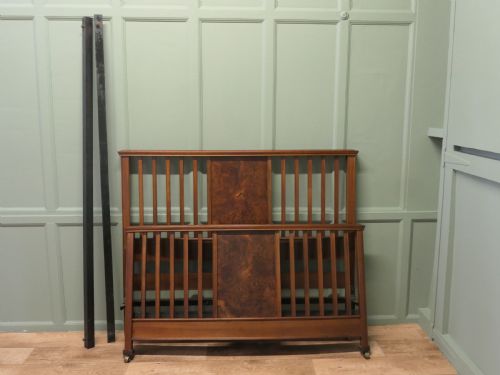
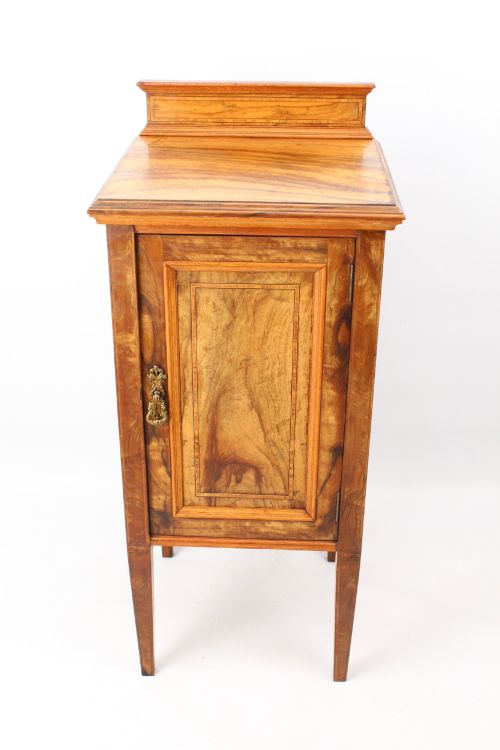
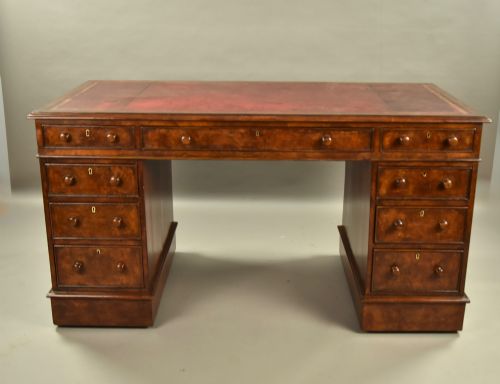
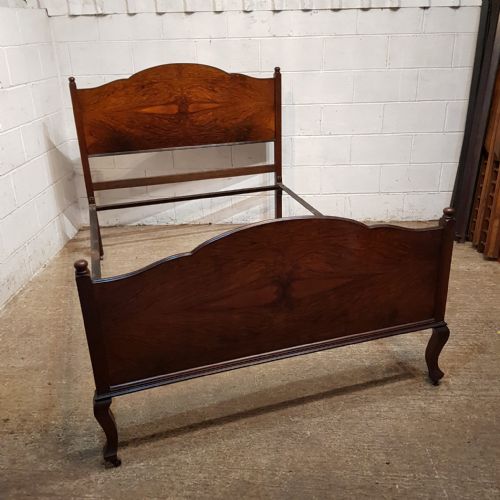
Edwardian burr walnut furniture encompasses practical domestic pieces such as bedside tables, side tables, writing desks, music cabinets, and double beds. These items bring distinctive decorative grain patterns into bedrooms and living spaces.
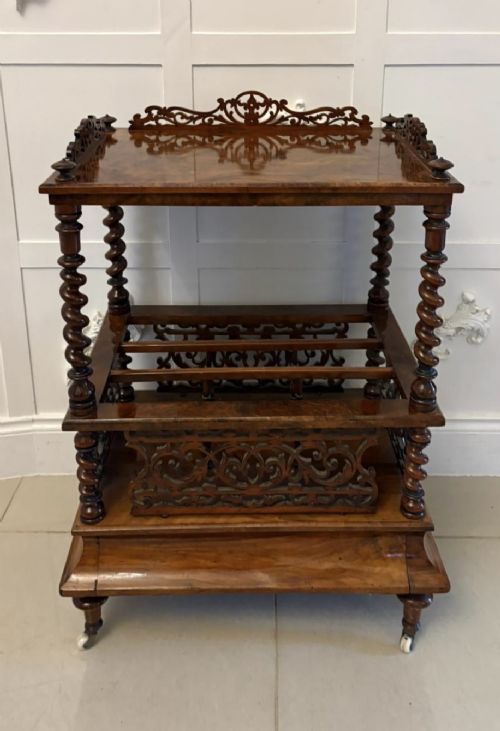
While the material appears across various nineteenth-century items like canterburys and chests of drawers, Edwardian examples tend to feature refined lines and compact proportions suited to smaller rooms.
Materials and Construction
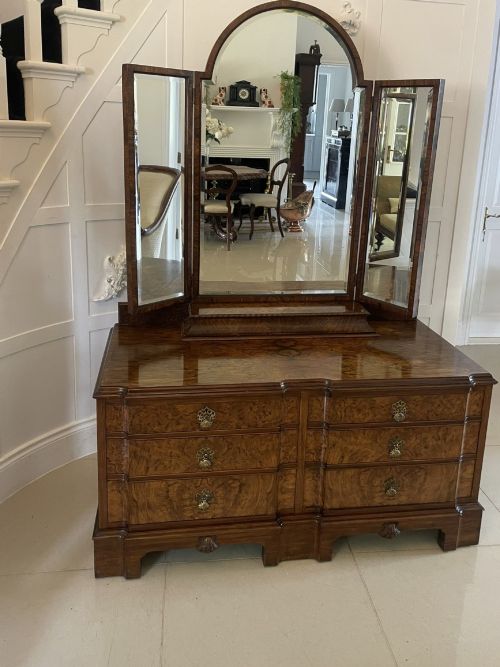
Cabinetmakers utilised burr walnut veneers applied over secondary timbers, selecting sections with dense, swirling knot formations to create striking decorative surfaces on drawer fronts and tabletops.
Construction frequently incorporated solid walnut along with supporting woods like oak, complemented by brass hardware, glass panels, and occasional ceramic details.
Listings feature burr walnut alongside oak, brass, glass, and ceramic elements across multiple periods.
Assessing Quality
Quality rests on the selection and matching of the veneer, where symmetrical grain patterns across large surfaces indicate careful craftsmanship by skilled workshops.
The integrity of the underlying joinery and the retention of original brass fittings or glass components further distinguish finer examples from standard production pieces.
Edward s And Robert s·Maple And Co·Wylie And Lochhead Glasgow·Maurice Adams
The Edwardian Burr Walnut Furniture Glossary
- Burr walnut
- A veneer sliced from the gnarled growths of a walnut tree, prized for its complex, swirling grain patterns. It provides a highly decorative surface for tabletops and cabinet doors.
- Canterbury
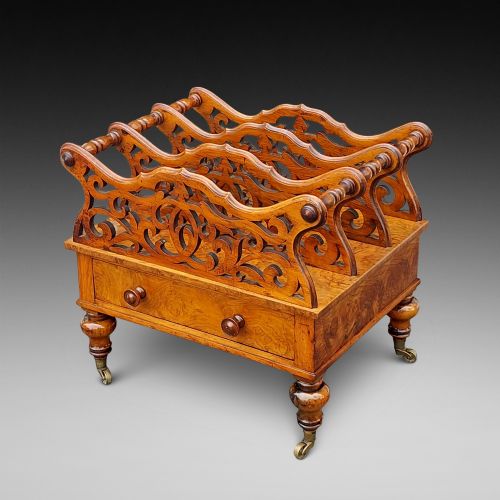
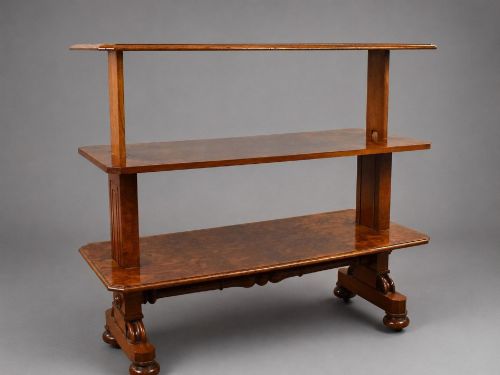
- A low multi-tiered stand originally designed for holding sheet music or books, typically featuring vertical partitions. Many examples include a small drawer at the base.
- Wellington chest
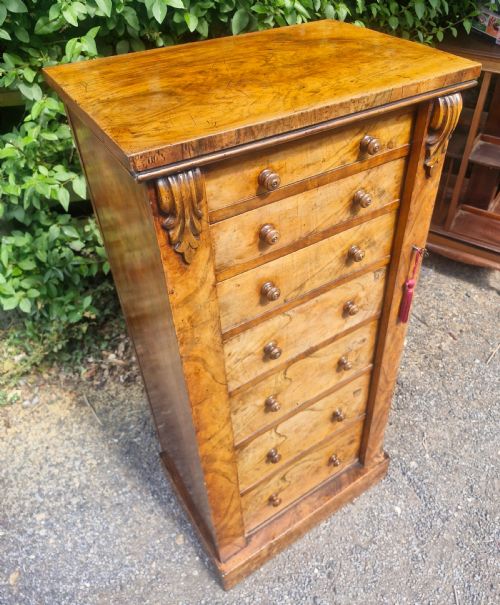
- A tall, narrow chest of drawers secured by a locking side flap that fastens over the drawer edges. This form originated in the nineteenth century for secure document storage.
- Compactum
- A large fitted wardrobe combining hanging space, shelves, and internal drawers within a single multi-door carcass. These pieces maximise storage efficiency in larger bedrooms.
- Serpentine front
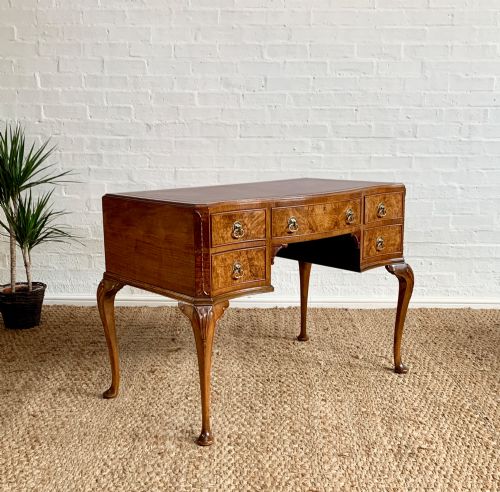
- A cabinet front curved in a wave-like shape, featuring a convex centre flanked by concave curves. This contour requires precise carpentry to fit drawers and doors.
Edwardian Burr Walnut Furniture: Frequently Asked Questions
How do I care for burr walnut?
Keep these pieces away from direct sunlight and strong heat sources to prevent the walnut veneer from drying out or splitting. Dust gently with a dry cloth and avoid harsh chemical polishes.
Regular polishing with traditional wax helps maintain the lustre of the timber. Ensure any spills are wiped immediately to protect the polished surface.
Are these pieces suitable for modern bedrooms?
The compact proportions of Edwardian bedroom pieces fit comfortably into contemporary room layouts while offering practical storage. Items like bedside cabinets and small chests provide functional surface area without dominating the floor.
Mixing these wooden tones with neutral modern decor highlights the natural figuring of the grain. They function effectively alongside both traditional and minimalist interiors.
How do I distinguish Edwardian from Victorian walnut?
Victorian walnut furniture generally displays heavier proportions, darker finishes, and more ornate carving influenced by revival styles. Pieces from this era often focus on imposing presence and robust construction.
Edwardian items tend to feature lighter frames, more restrained ornamentation, and simpler silhouettes. The timber preparation also shifts towards brighter, crisper grain presentation.
What is a music cabinet used for today?
Originally built for sheet music, these compact cabinets serve well as bedside storage or small hallway units. The internal shelving organises books, papers, or modern accessories efficiently.
Their modest footprint allows them to fit into tight corners or narrow landings. The decorative top surface also provides a convenient spot for lamps or display items.