


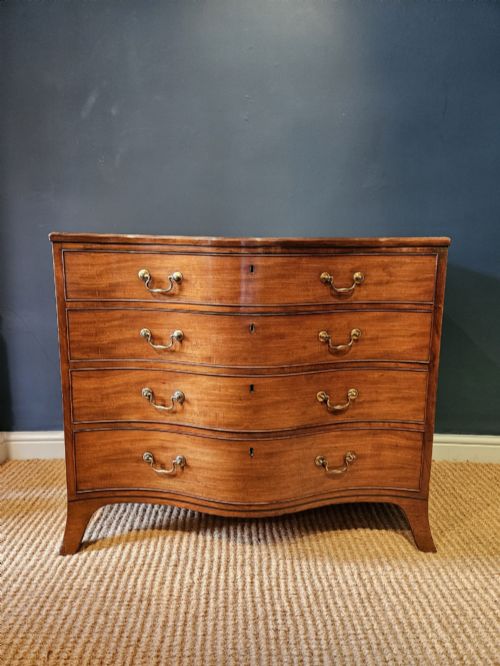
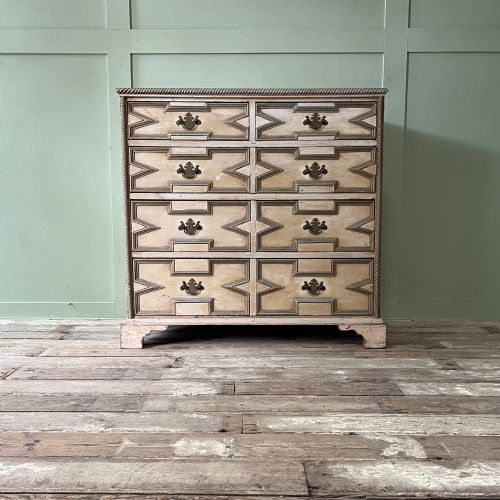
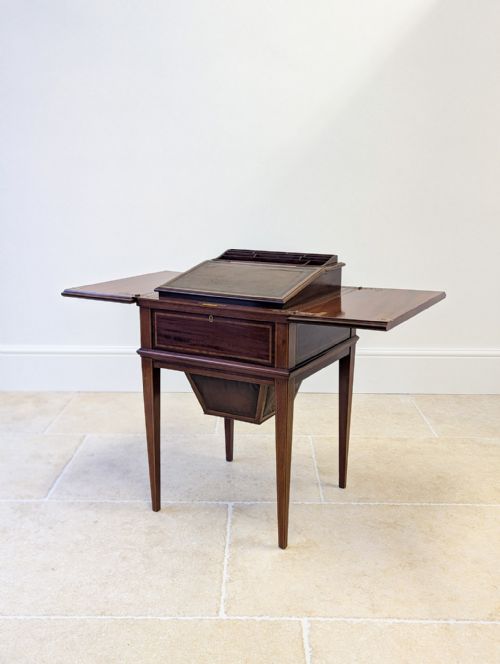
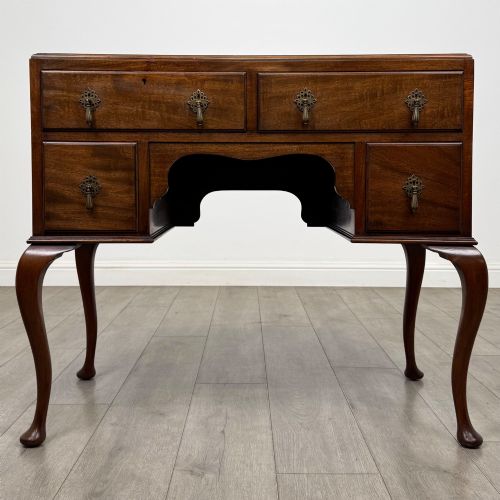
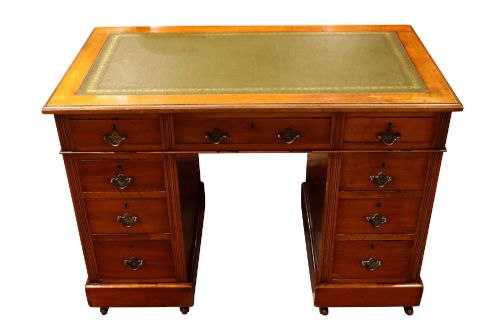
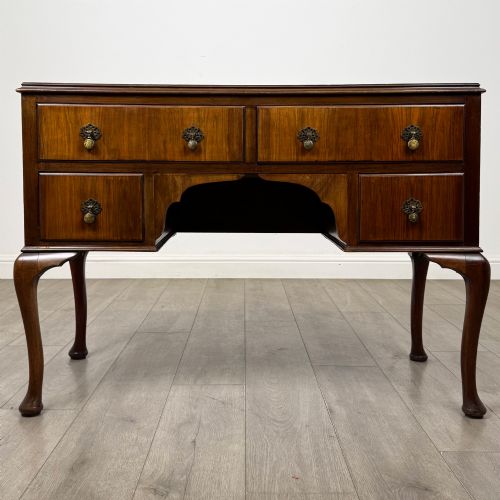
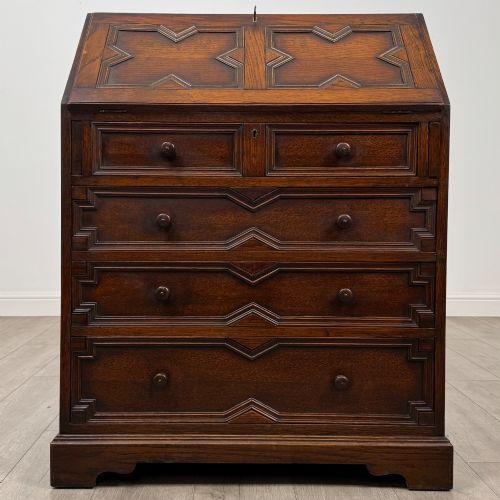
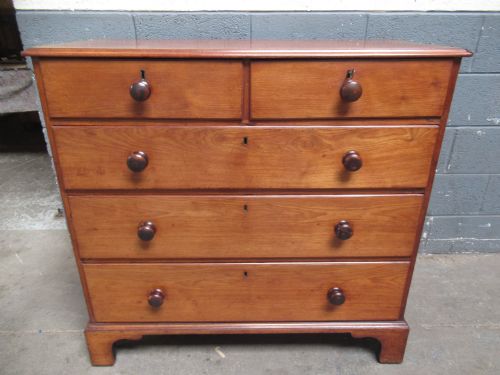
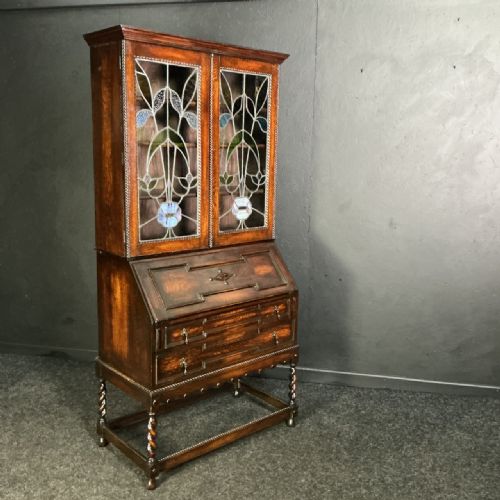
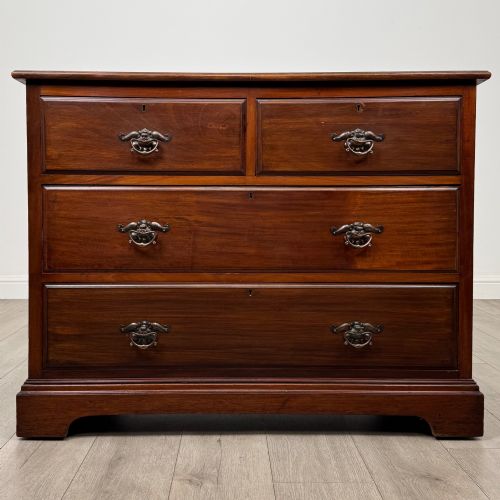
Edwardian Bureau with Drawers
An edwardian bureau with drawers offers a compact writing slope above functional storage, combining period craftsmanship with daily utility.
Edwardian Bureau with Drawers
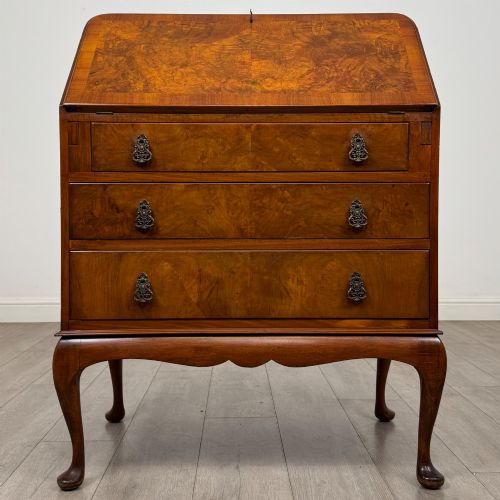
When you search for an edwardian bureau with drawers, you encounter compact writing furniture designed for domestic studies and bedrooms. These pieces combine a fall-front writing flap with functional lower storage drawers.
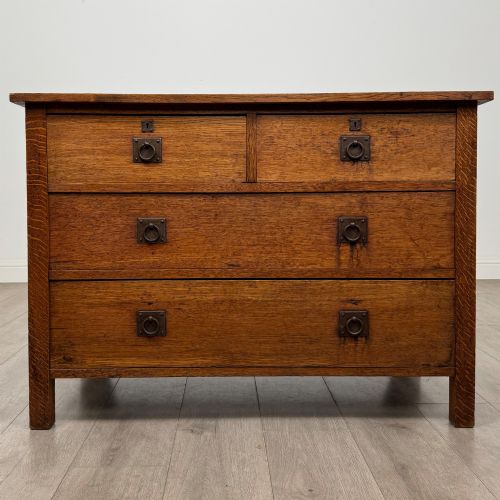
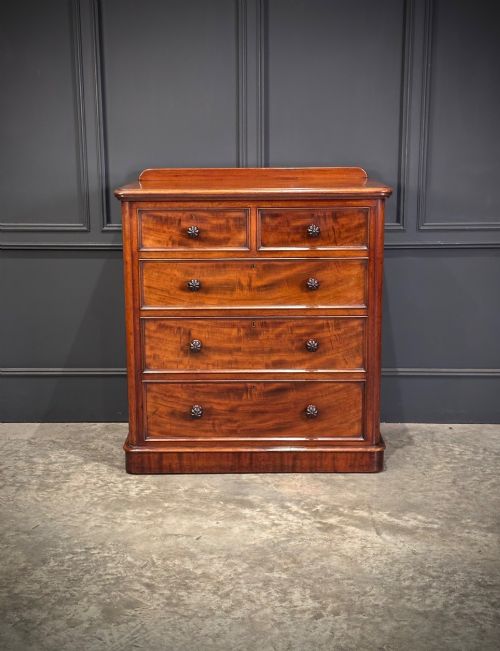
The versions most common on this page date from the Edwardian period and feature mahogany, walnut, or oak timbers. Alongside standard bureaux, you will discover related writing forms such as Carlton House desks, Davenport desks, and writing tables.
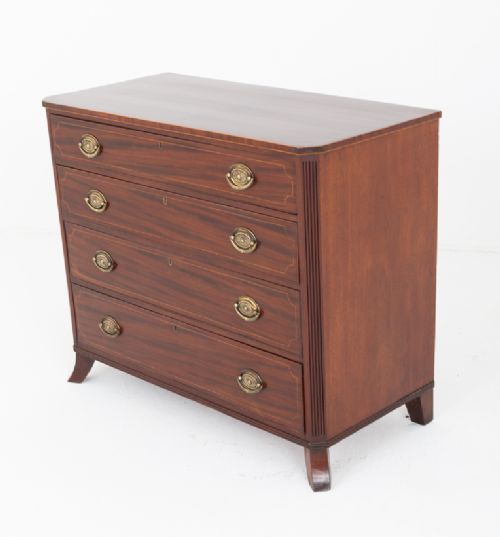
The selection ranges from simple oak work to satinwood and rosewood pieces embellished with crossbanding and floral hand-painting. They provide practical writing surfaces while retaining the refined proportions characteristic of the era.
Materials and construction
Cabinetmakers utilised solid hardwoods like mahogany, oak, and walnut for the primary structure, often applying finer veneers such as satinwood, rosewood, and burr walnut to the exterior surfaces. Inlaid decoration in contrasting timbers and floral hand-painting define the aesthetic of the period.
Drawers typically feature traditional oak linings with dovetailed joints, fitted with original brass handles or drop pulls. Fall-front writing slopes conceal internal stationery compartments, pigeonholes, and small subsidiary drawers.
Assessing quality and execution
The integrity of the internal fittings within the writing compartment and the retention of original brass hardware and working locks distinguish superior examples from standard production.
Gillows·Harris Lebus
The Edwardian Bureau with Drawers Glossary
- Bureau
- A writing cabinet featuring a sloping fall-front flap that opens to reveal a fitted interior with pigeonholes and small drawers.
- Crossbanding
- A narrow strip of veneer applied to the border of a panel, arranged so the grain runs perpendicular to the central wood.
- Davenport
- A compact pedestal writing desk with a sloping top and drawers opening to one side.
- Carlton House desk
- A distinctive writing desk with a curved superstructure of small drawers and compartments enclosing the rear of the writing surface.
- Dovetail
- A traditional interlocking joint used in drawer construction to ensure durable and rigid corner connections.
Edwardian Bureau with Drawers: Frequently Asked Questions
What is an edwardian bureau with drawers?
An edwardian bureau with drawers is a compact writing desk featuring a fall-front flap that conceals internal compartments, supported above a set of functional storage drawers.
These pieces were designed for domestic correspondence and record keeping in early twentieth-century homes.
How do I distinguish Edwardian pieces from Victorian ones?
Edwardian furniture generally exhibits lighter proportions, brighter satinwood or mahogany timbers, and refined neoclassical or Sheraton Revival inlay.
Victorian pieces often display heavier dimensions, darker finishes, and more robust walnut or rosewood construction.
How were these desks used originally?
They served as personal writing stations for handling correspondence, managing household accounts, and storing stationery supplies.
The fall-front provided a concealed writing surface when dropped down, keeping private papers secure.
What woods are most common?
Mahogany, oak, and walnut form the primary structural timbers found across these listings, alongside decorative veneers.
Satinwood, rosewood, and burr walnut frequently appear in finer inlaid and crossbanded examples.