


Edwardian Bureau Drawers
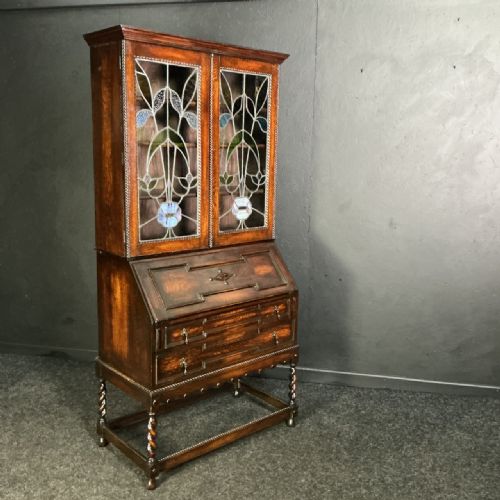
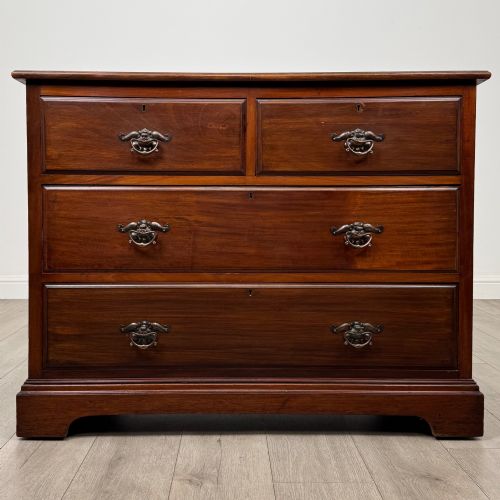
Edwardian bureau drawers combine fitted writing slopes and stacked compartments, offering practical writing surfaces alongside deep storage for domestic interiors.
Edwardian Bureau Drawers
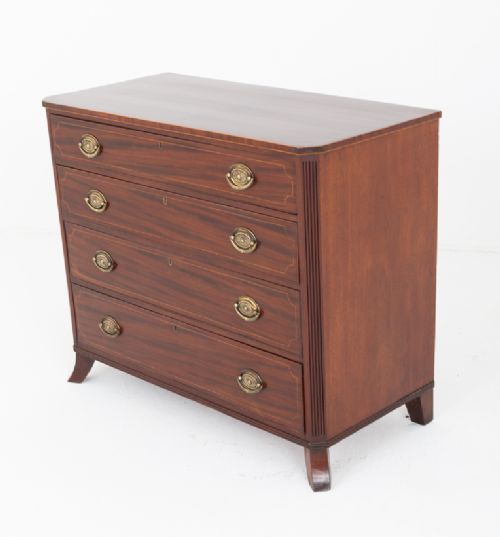
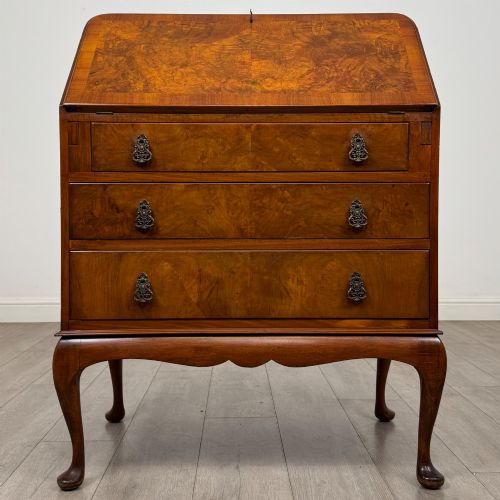
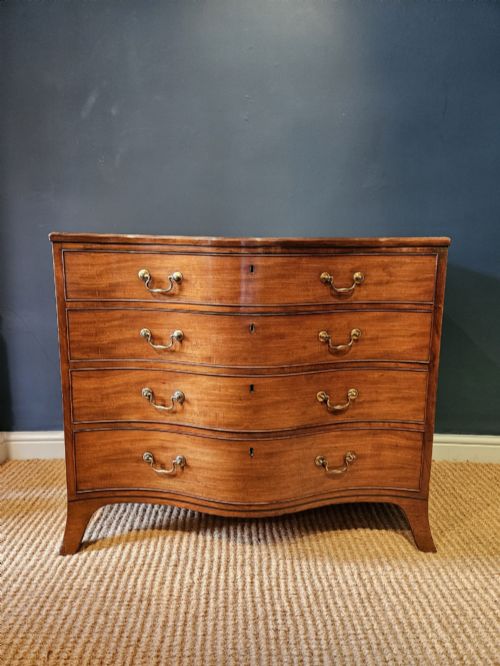
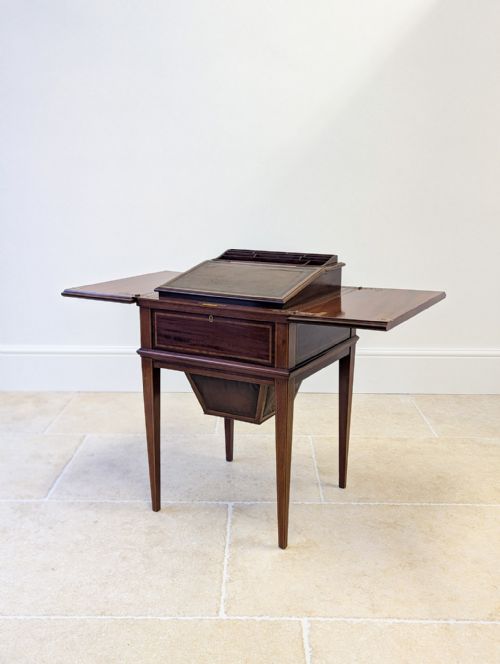
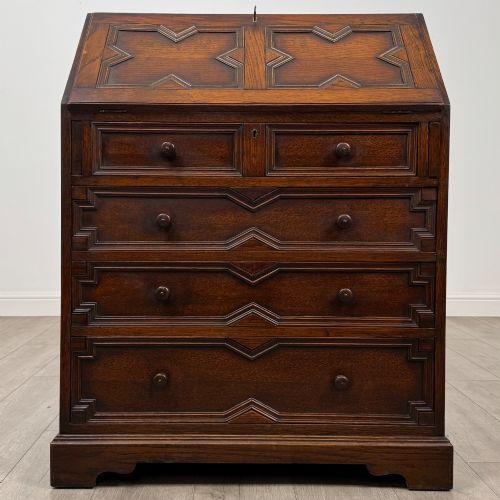
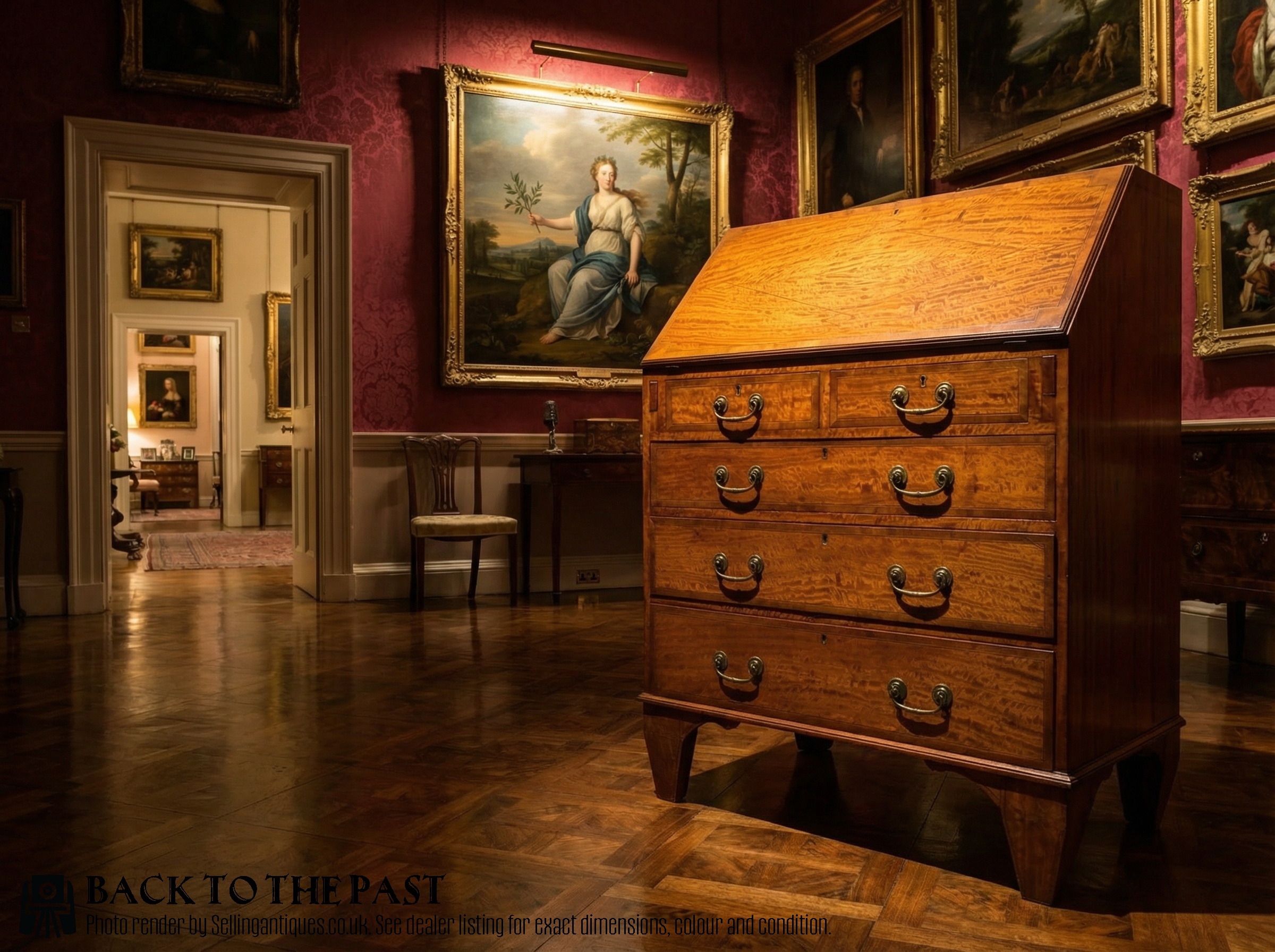
When buyers search for edwardian bureau drawers, they encounter a practical fusion of writing furniture and drawer storage originating from the early twentieth century. These pieces bridge the gap between dedicated desks and traditional drawer units, often incorporating drop-front writing surfaces above multiple timber tiers.
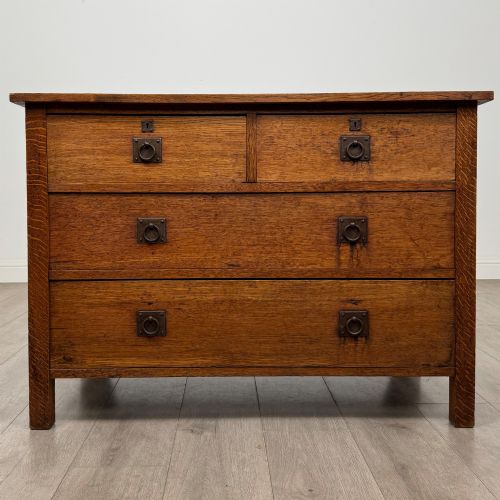
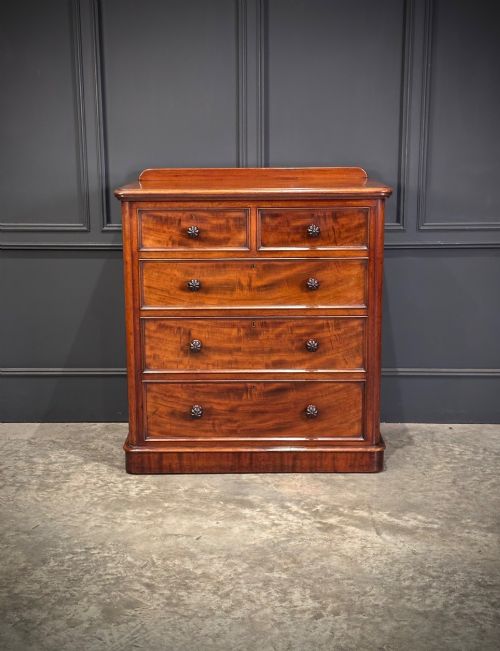
The selection ranges from compact oak and mahogany workstations to elaborate satinwood and burr walnut examples influenced by earlier Georgian and Regency designs. Alongside true Edwardian craftsmanship, related pieces spanning Victorian and later twentieth century periods frequently appear in the same searches.
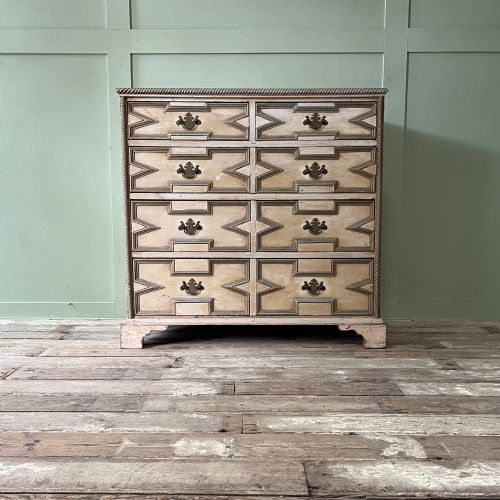
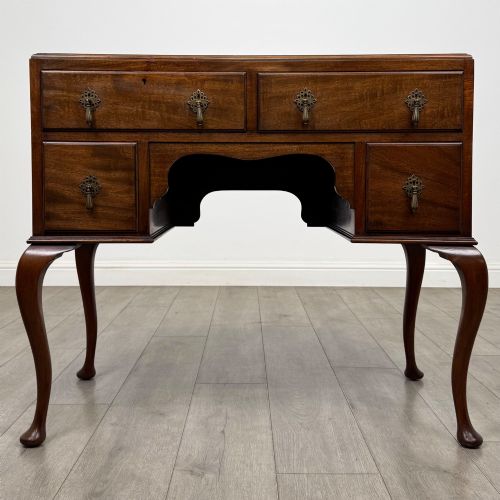
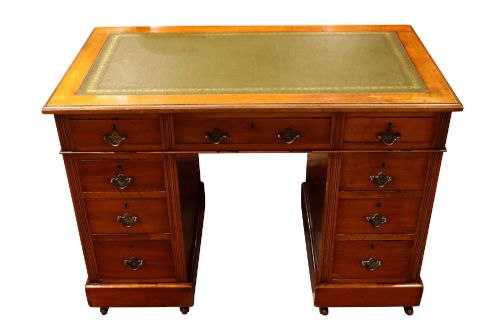
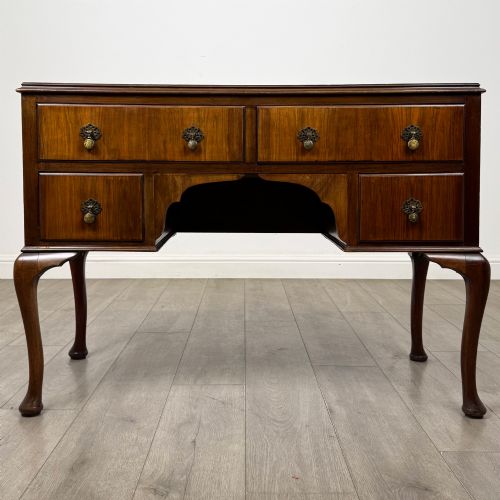
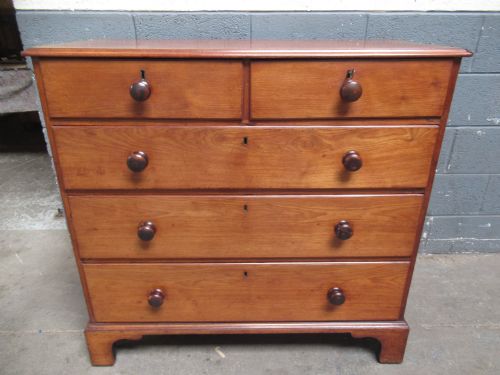
Forms vary from standard chests fitted with writing slides to dedicated bureau bookcases and writing tables incorporating banks of drawers. Oak and mahogany dominate the offerings, though satinwood and painted finishes also represent the aesthetic range of the period.
Materials and construction
Cabinet makers of the period utilised substantial timbers including mahogany, oak, walnut, and satinwood, often selecting figured veneers for drawer fronts and writing flaps. Solid construction methods ensured durability, while decorative elements relied on contrasting wood inlays and painted details.
Hardware typically consisted of cast brass handles and key escutcheons, securing fitted internal compartments behind lockable drop-front panels. Secondary woods like pine appeared in internal drawer construction, while specialised pieces incorporated leather writing inserts and turned supports.
Listings feature woods spanning mahogany, oak, walnut, burr walnut, satinwood, and pine alongside brass and leather details.
Assessing quality and craftsmanship
Quality separates standard utility pieces from exceptional examples through the choice of timber figure, such as burr walnut or figured mahogany, and the precision of inlaid details. Hand-painted decoration and well-executed satinwood finishes indicate higher tiers of craftsmanship.
The integrity of internal mechanisms, such as smooth-running drawer dovetails and properly balanced fall-front writing surfaces, distinguishes superior pieces. Original brass hardware and fitted stationary compartments further elevate the standing of a bureau or chest.
Sir Clough Williams Ellis
The Edwardian Bureau Drawers Glossary
- Bureau
- A desk featuring a sloping hinged lid that drops down to reveal a fitted interior of small drawers and pigeonholes. This form provides a concealed writing surface when closed.
- Brushing slide
- A pull-out wooden shelf integrated above the top drawers of a chest, historically used for dusting clothes or as a temporary writing surface.
- Satinwood
- A pale, hard timber with a natural sheen, frequently used for fine veneers and painted cabinet work during the Edwardian era.
- Escutcheon
- A protective plate surrounding a keyhole, usually fashioned from brass to complement the surrounding timber drawer fronts.
- Dovetail
- An interlocking joint used in drawer construction, prized for its structural strength and resistance to being pulled apart.
Edwardian Bureau Drawers: Frequently Asked Questions
How do I identify Edwardian style?
Edwardian furniture generally exhibits lighter proportions and brighter timber tones compared to heavy Victorian designs. Common indicators include delicate satinwood finishes, painted decorations, and revivals of Georgian and Sheraton aesthetics.
Cabinet makers of this era often utilised oak and mahogany while introducing cleaner lines and restrained inlay work, moving away from dark, heavily carved Victorian aesthetics.
Where should I place a bureau?
Bureaus suit living rooms, studies, and bedrooms where their dual function as a desk and storage unit provides everyday utility. Position them against flat walls with adequate clearance in front for the fall-front flap to lower fully.
Avoid placing antique timber furniture in direct sunlight or near active heat sources to prevent the wood veneers from drying and warping over time.
Are these pieces suitable for daily use?
Solid construction and durable hardwoods make these traditional desks and chests robust enough for contemporary daily writing and storage tasks. The drawers slide on wooden runners, and the drop-front surfaces provide stable writing areas.
Regular conditioning of the timber and careful handling of original brass hinges and locks will ensure the furniture withstands regular domestic use.