



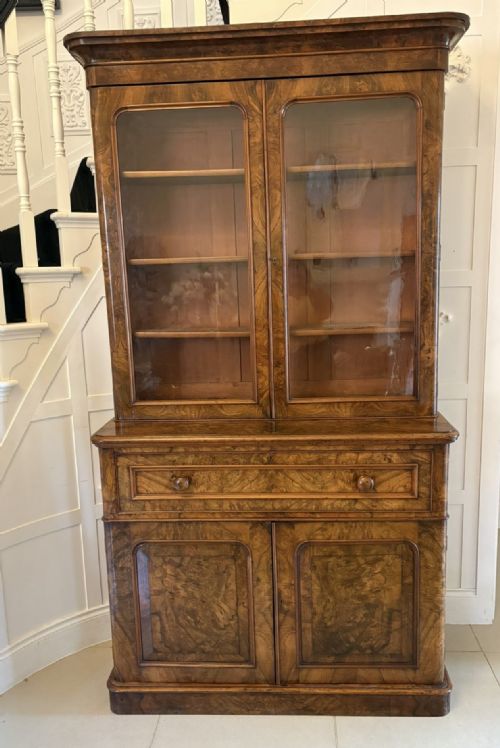


Edwardian Bureau Display Cabinet
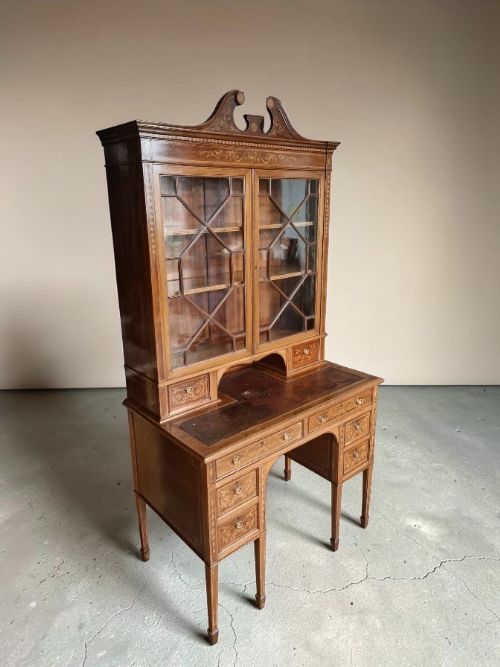
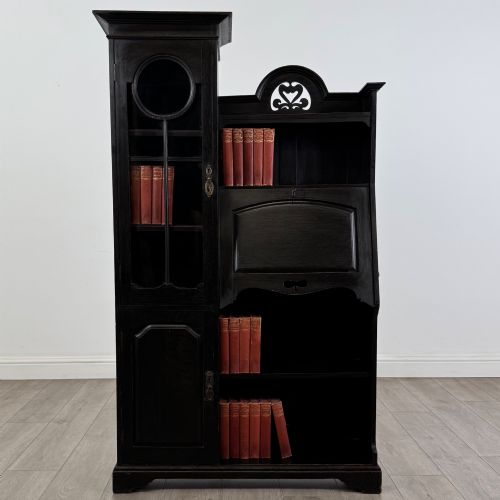
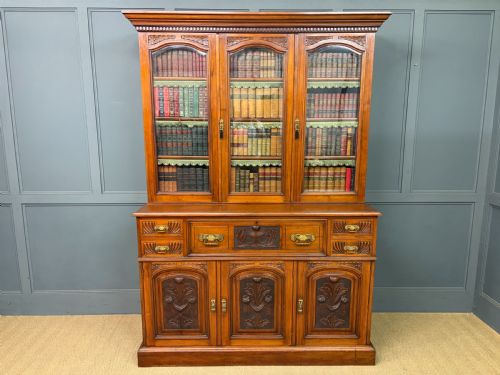
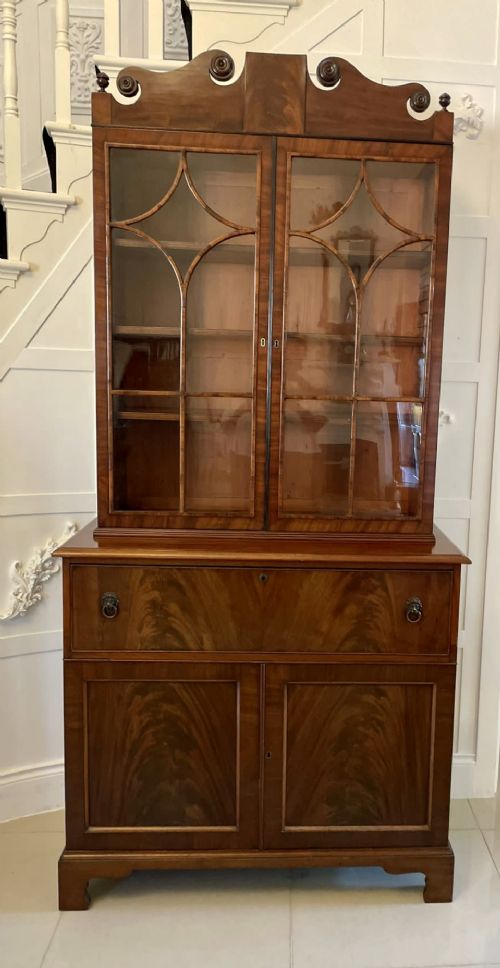
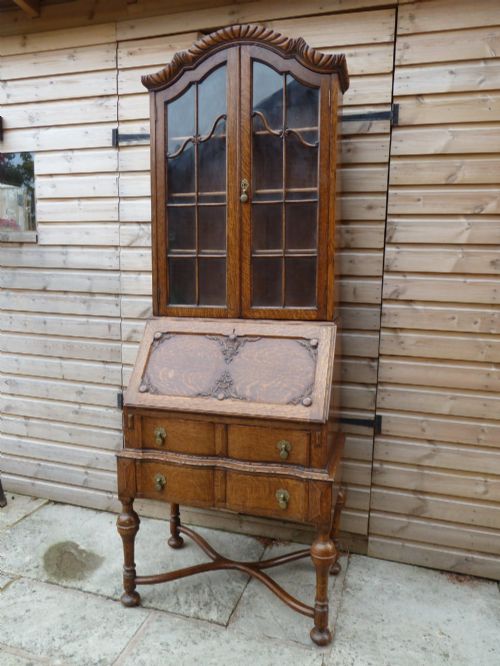
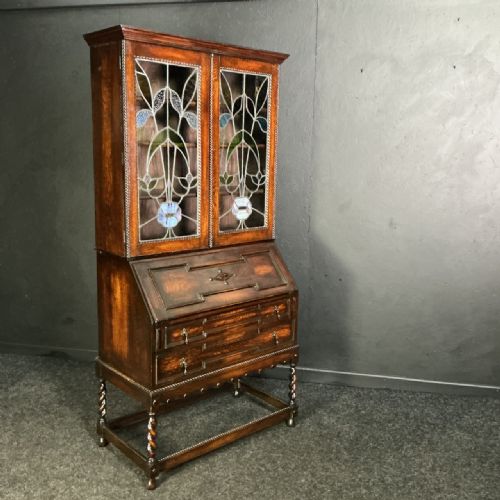
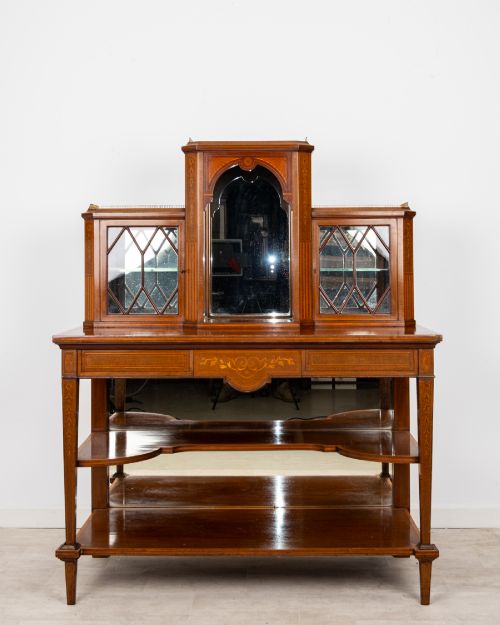
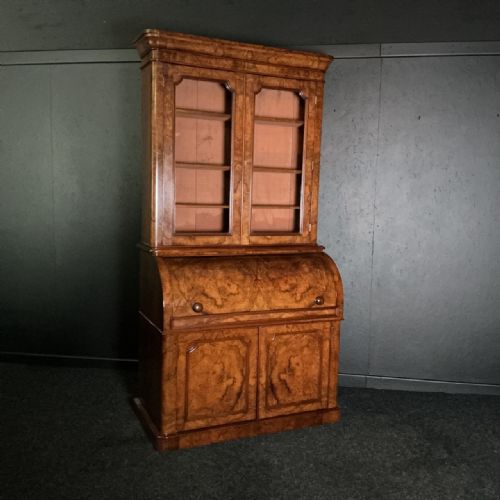
An edwardian bureau display cabinet combines a fitted writing desk with glazed upper shelving, bringing practical display space into a sitting room.
Edwardian Bureau Display Cabinet
When you search for an edwardian bureau display cabinet, you encounter pieces that merge a drop-front writing desk with upper display shelving. The selection spans the Edwardian period itself alongside Victorian, Georgian, and 19th Century examples.
Makers of this furniture frequently drew on Sheraton Revival styles, incorporating mahogany, satinwood, and oak. Forms range from standard bureau bookcases to cylinder desks and combined display cabinets.
While Edwardian pieces dominate the selection, the listings include work from the 18th century up to the 1920s. Buyers often find variations that lean towards Arts and Crafts oak or elaborate marquetry.
Materials and construction
Cabinet makers utilised solid timbers and veneers such as mahogany, satinwood, oak, walnut, and burr walnut. These woods formed the structural carcase as well as the decorative outer surfaces.
Glass panels were set into doors to protect books and displayed objects, sometimes secured with lead. Brass fittings added operational detail to drawers, pigeonholes, and drop-front mechanisms.
Listings feature woods spanning mahogany, satinwood, oak, walnut, and burr walnut across the 18th, 19th, and 20th centuries.
Distinctions in craftsmanship
The degree of refinement in marquetry inlay and timber selection separates standard pieces from finer examples. Finer cabinets display precise botanical or geometric patterns across satinwood and mahogany surfaces.
Interior configuration also marks quality, particularly the complexity of fitted drawers and secret compartments within the bureau section. Well-executed glazing bars and robust brass hardware indicate superior workshop production.
Maple and Co·Edwards and Roberts·Gillows
The Edwardian Bureau Display Cabinet Glossary
- Secretaire
- A writing desk featuring a drawer with a drop-down front that conceals small drawers and pigeonholes. This mechanism allows a chest of drawers or bookcase to function as a desk.
- Marquetry
- Inlaid woodwork where different coloured veneers are fitted together to form decorative pictures or patterns. Artisans apply these designs to cabinet fronts and bureau flaps.
- Astral glazing
- Cabinet door glass divided into small panes by thin wooden bars, often in geometric or Gothic arches. This technique lightens the appearance of heavy bookcase doors.
- Satinwood
- A durable hardwood with a lustrous, golden-yellow sheen used extensively in high-end cabinet making. It serves as a primary veneer for inlaid revival furniture.
- Cylinder desk
- A writing desk with a curved, rotating wooden cylinder that covers the writing surface when closed. It provides a smooth mechanical enclosure for desk accessories.
Edwardian Bureau Display Cabinet: Frequently Asked Questions
What is an edwardian bureau display cabinet?
These pieces combine a sloping desk flap for writing with upper shelves enclosed by glass doors. They served as multi-functional furniture for the home library or parlor.
Cabinet makers designed them to store books and stationery while exhibiting decorative objects behind glass. The lower section typically houses drawers or cupboards beneath the writing surface.
How do I identify the period?
Dating relies on timber choices, construction methods, and stylistic revival cues. Edwardian pieces often feature lighter satinwood and mahogany with delicate inlay.
Earlier Georgian and Victorian examples tend to use heavier solid timbers and deeper carcase construction. Stylistic details like Sheraton Revival motifs provide further clues to the date of manufacture.
How were they used historically?
Owners used the drop-front desk for correspondence and keeping household accounts. The upper glass-fronted shelves held valued books and ornamental collections.
They functioned as central pieces of study or drawing-room furniture. The enclosed compartments kept private papers secure while displaying prized volumes.
Where should I place one?
These cabinets suit sitting rooms, studies, or hallways with adequate clearance for the drop-front writing surface. Positioning them away from direct sunlight protects vulnerable wood veneers and interior papers.
Ensure the room has enough floor space to allow the desk flap to open fully. Pairing them with traditional seating creates a functional writing area.