




Edwardian Brass Vitrine
An Edwardian brass vitrine brings refined glazed display and polished metal framing into a room to showcase prized small possessions.
Edwardian Brass Vitrine
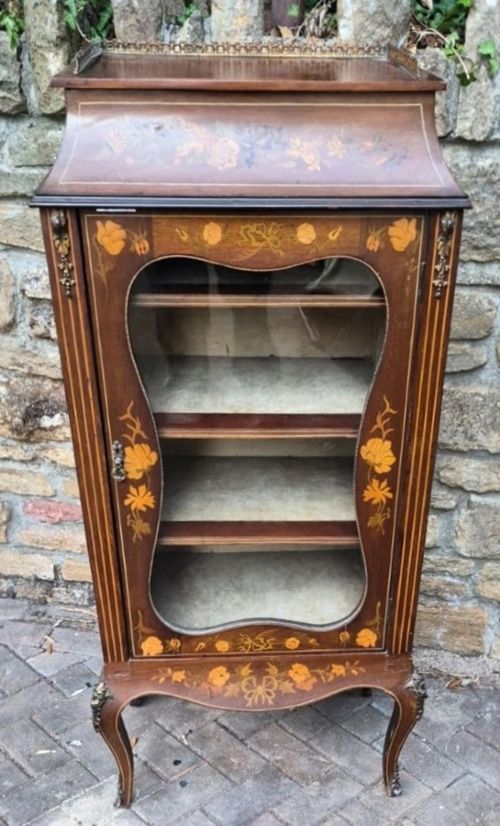
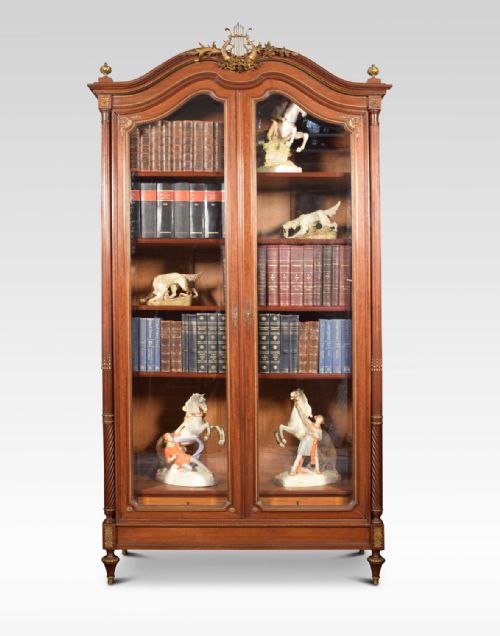
When you search for an edwardian brass vitrine, you are looking at glazed display cabinets, bijouterie tables, and display tables originating primarily from the Edwardian and Victorian eras. These pieces serve to exhibit jewellery, small collectables, and curiosities behind protective glass panes.
The versions you are most likely to meet on this page span styles from French Rococo Revival and Louis XV Style to Sheraton Revival. They utilise timber frames of mahogany, kingwood, or rosewood, unified by brass mounts and glass panels.
Forms range from kidney-shaped lamp end tables and side cabinets to tall display cabinets and shop display cases. The common thread is the glass-and-brass construction designed specifically for interior visibility.
What varies in quality
The standard of timber selection and complexity of marquetry inlay set individual pieces apart. Finer examples incorporate detailed stringing, shaped kidney tops, and hand-cast ormolu mounts rather than plain brass edging.
Joinery execution in the framework and the tightness of the glass-to-brass seating determine structural integrity. Smooth operation of hinged lids on bijouterie tables and fitted locking mechanisms reflect the original workshop skill.
Listings feature periods spanning from 1860 through the Edwardian era to 1920, utilising mahogany, kingwood, rosewood, brass, and velvet.
Edwards and Roberts·Siegel
The Edwardian Brass Vitrine Glossary
- Bijouterie table
- A low display table with a glazed top and velvet-lined interior compartment for holding jewellery and small trinkets. These pieces often stand on slender legs.
- Ormolu
- Gilded bronze or brass applied as decorative mounts to furniture frames. This technique adds metallic contrast to dark cabinet timbers.
- Marquetry
- Decorative veneer work arranged in patterns or pictorial designs using various coloured woods. It covers flat surfaces on tabletops and cabinet doors.
- Sheraton Revival
- A furniture style drawing on late eighteenth-century classical designs with clean lines and delicate inlay. Pieces from this revival emphasise refined proportions.
Edwardian Brass Vitrine: Frequently Asked Questions
What is a bijouterie table?
A bijouterie table is a specialised display piece featuring a glazed top and a shallow, fabric-lined interior well. These tables were designed for inspecting jewellery and small ornaments at close range.
They often double as side tables or lamp tables while keeping contents visible through the glass lid.
How do I clean the glass?
Clean the glass panels using a soft cloth and a mild glass cleaner applied sparingly. Avoid spraying liquid directly onto the brass framing or fabric interior.
Moisture can seep beneath brass mounts or stain interior velvet linings if care is not taken during cleaning.
Where should I place a vitrine?
Position a vitrine away from direct sunlight to protect interior fabrics and displayed objects from fading. Placing the cabinet in a well-lit reception room or study maximises visibility.
Ensure the floor is level so that hinged glass doors and tabletop lids hang straight and close evenly.
How do I distinguish Edwardian from Victorian pieces?
Edwardian pieces often feature lighter satinwood banding and delicate Sheraton Revival influences, reflecting a turn-of-the-century taste for airier forms. Victorian examples tend to utilise heavier rosewood or mahogany framing with darker finishes.
Examine the secondary timbers and lining materials for clues to the manufacturing decade alongside the overall stylistic motifs.