







Edwardian Brass Inkstand
An edwardian brass inkstand brings working-period weight and refined desktop organisation to a study.
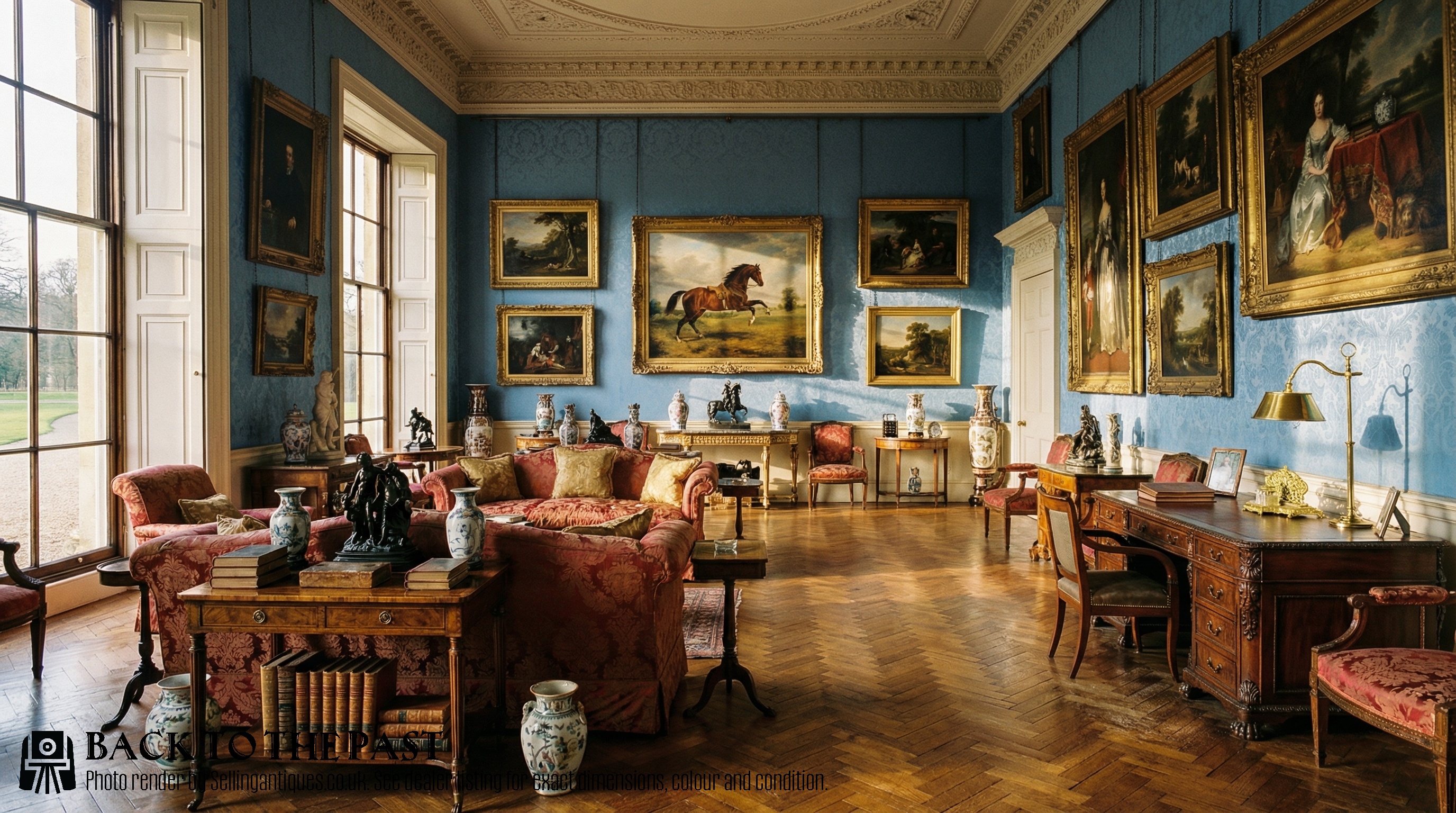
Edwardian Brass Inkstand
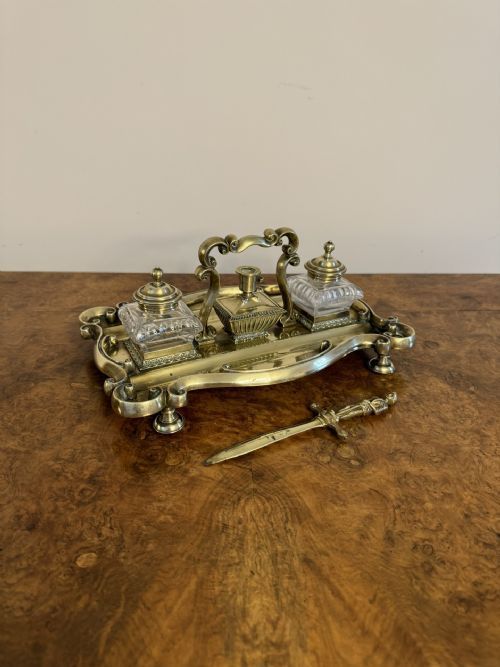
An Edwardian brass inkstand represents the heavy desk accessories and inkstands produced around the start of the twentieth century. These pieces organise a writer's desk using metal trays, compartments, and fitted ink vessels.
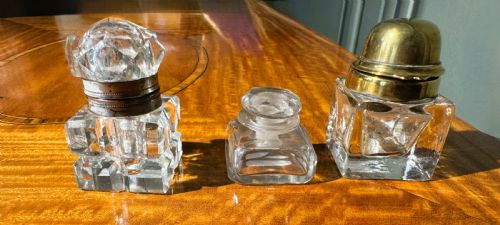
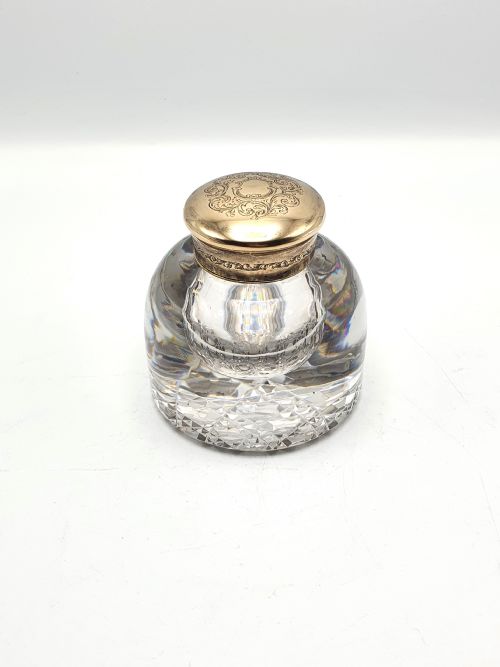
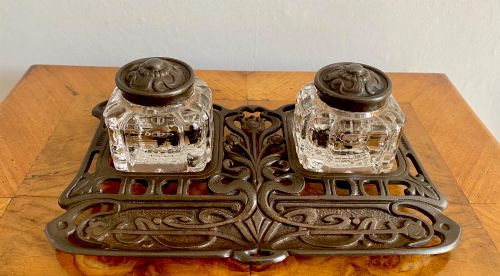
Buyers seeking an Edwardian brass inkstand will find items that combine metal bases with glass containers, oak trays, and occasional porcelain or figural elements. The selection bridges late Victorian mass production and early twentieth-century decorative arts.
Most examples follow established forms like the standish or desk tidy, often incorporating drawers or pen rests. They reflect a period when correspondence required dedicated ink storage rather than casual writing tools.
How they were made
Makers utilised cast metal and sheet brass to form the structural bases and trays of these desk sets. Brass was frequently combined with turned oak, cut glass, and crystal inserts to create contrasting textures.
Decorative work on these pieces relies on period styles including Art Nouveau curves and Gothic Revival motifs. Metal components were cast, chased, and occasionally gilded or patinated to achieve distinct surface finishes.
Edwardian Brass Inkstand Retail Price Guide 2026
Typical asking prices for edwardian brass inkstand among the pieces listed under this phrase on Sellingantiques today, from the lower quarter to the upper quarter. They describe what is for sale here now, not the wider market.
Some Victorian desks feature glass-eyed boars' feet and brass owls watching over the ink.
What varies in quality
Quality in these desk pieces depends on the weight of the metal casting and the clarity of the glass inserts. Heavier brass trays and crisper ornamentation distinguish better workshops from standard commercial production.
The survival of original glass ink bottles with matching lids significantly elevates an object. Finer examples also feature integrated drawers, working locks, and detailed figural modelling rather than plain geometric stamping.
Elkington
The Edwardian Brass Inkstand Glossary
- Standish
- A traditional desk stand holding inkwells, sanders, and pen holders. These portable writing trays were essential desk furnishings.
- Desk tidy
- A compartmented desk tray designed to hold stationery, letters, and writing implements. These wooden or metal trays kept surfaces organised.
- Cut glass
- Glass decorated by cutting facets or patterns into the surface using a rotating wheel. This technique creates sparkling geometric designs on ink pots.
- Art Nouveau
- A decorative art style characterised by flowing, organic lines inspired by natural forms. This aesthetic influenced metalwork and mounts during the early twentieth century.
Edwardian Brass Inkstand: Frequently Asked Questions
What is an inkstand?
An inkstand is a desk accessory designed to hold one or more inkwells along with pens and blotting sand. These trays kept writing materials organised in one portable unit.
Most versions include fitted glass bottles and pen rests moulded directly into the metal or wooden base.
How do I date these pieces?
Dating relies on stylistic clues such as Art Nouveau curves, manufacturing marks, and the combination of materials like oak and brass. Victorian and Edwardian pieces show distinct shifts in decorative taste.
Examining the construction of drawers, hinges, and glass manufacturing techniques helps narrow down the production decade.
Are original ink bottles important?
Original glass bottles with matching stoppers or lids maintain the integrity and visual balance of the stand. Finding pieces with their original fitted glassware is a notable advantage.
Many surviving trays lost their fragile glass inserts over time, leading to later replacements.
Where were these placed?
These inkstands sat on library desks, writing tables, and bureau surfaces in homes and offices. They served as functional stationery hubs for daily correspondence.
Wealthier households used ornate figural or bronze stands in public reception rooms.