



Edwardian Brass Accent Lamp
An Edwardian brass accent lamp brings period warmth and functional light to a room, drawing on the refined metalwork of the early twentieth century.
Edwardian Brass Accent Lamp
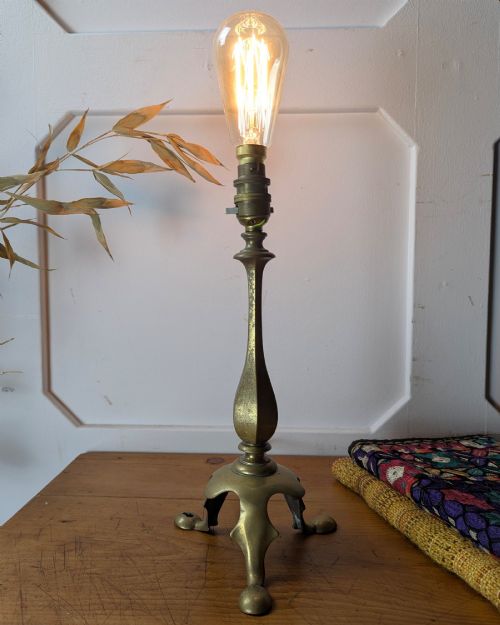
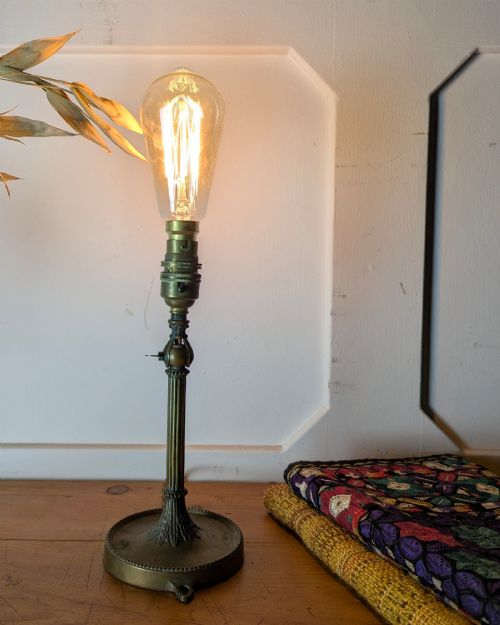
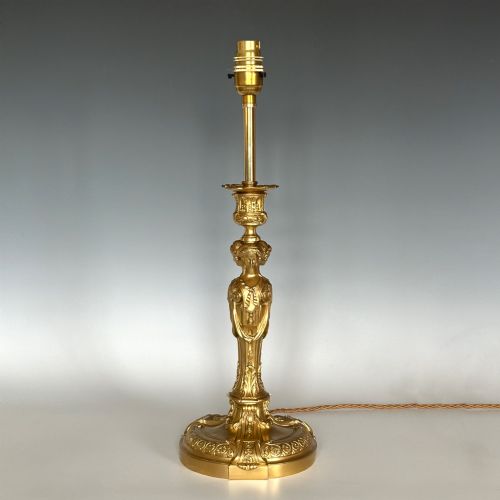
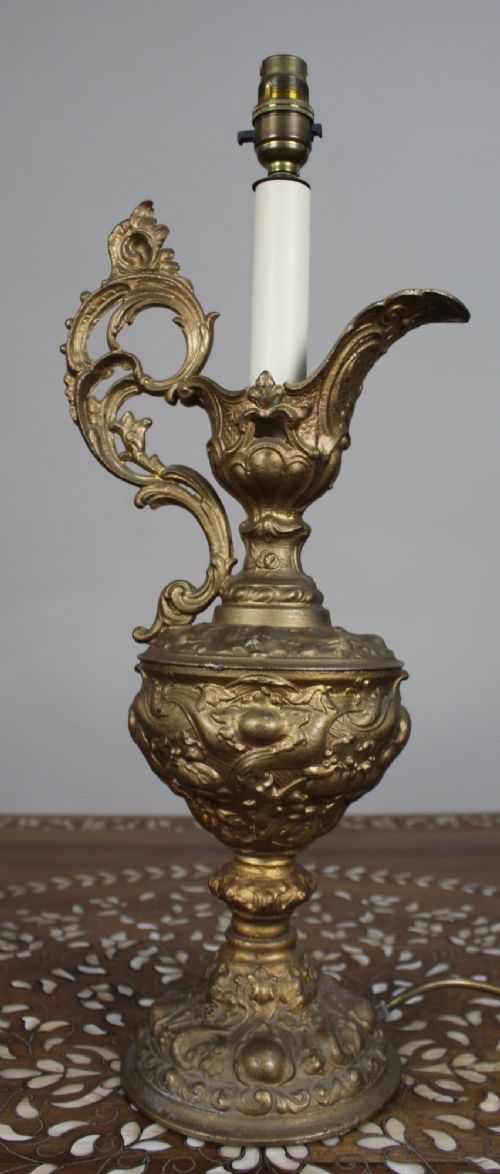
An edwardian brass accent lamp is a domestic lighting piece originating primarily from the early twentieth century, spanning periods from late Victorian times through the 1930s. These lamps frequently combine cast or spun brass with materials such as marble, onyx, glass, and fabric shades.
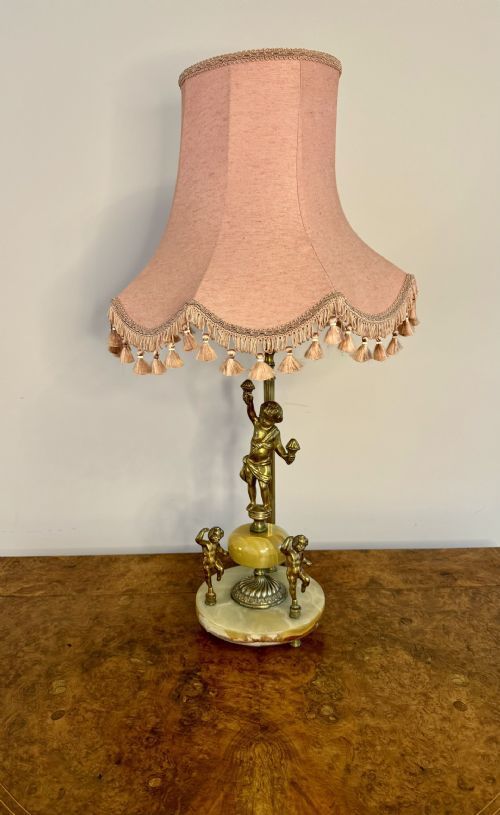
Makers and workshops of this era produced forms varying from hexagonal balusters and double helix stems to figural bases incorporating cherubs or dolphins. They served to illuminate dark corners of country houses and parlours, functioning both as utility objects and decorative interior accessories.
How they were made
The construction of an edwardian brass accent lamp relies heavily on brass casting, spinning, and turning techniques to create columns, urns, and twisted stems. Metalworkers combined solid brass with patinated finishes, gilt bronze, or copper, frequently mounting the heavy metal components onto weighted bases of white marble or onyx for stability.
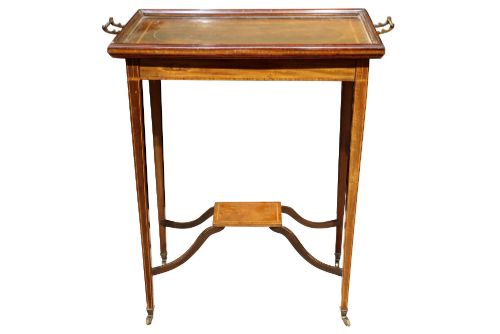
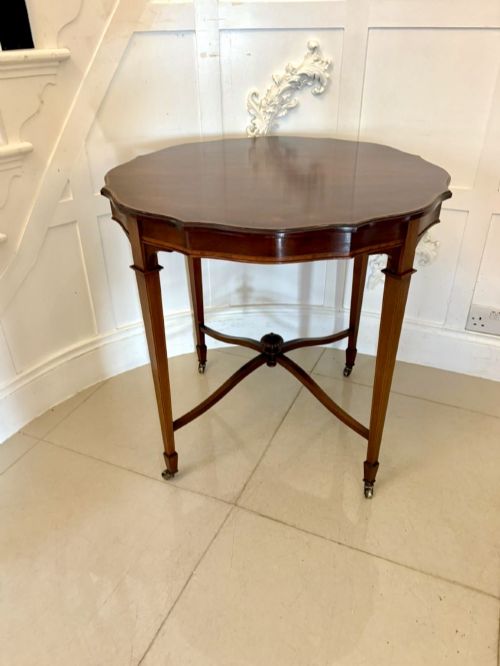
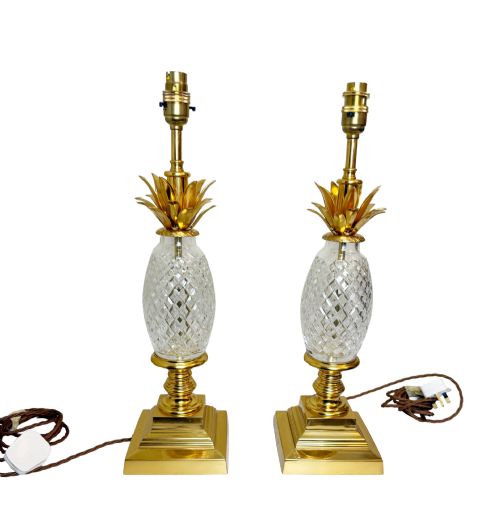
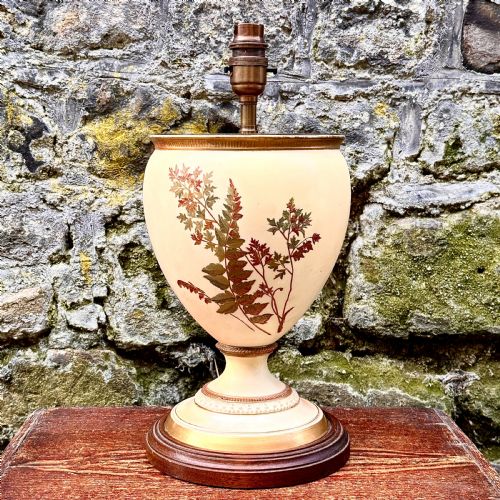
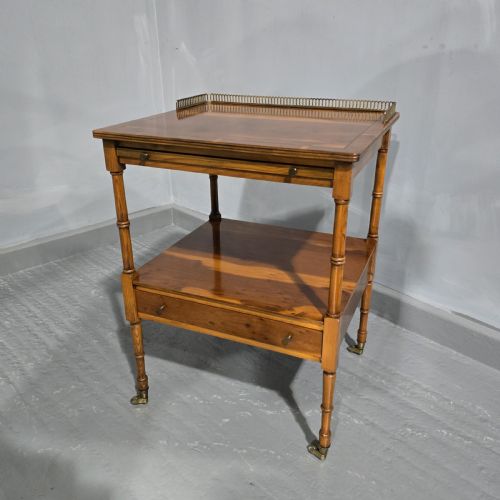
Complementary lighting pieces incorporate moulded cut glass crystals, majolica ceramic inserts, and hand-sewn fabric or toile de jouy shades. Supporting lamp tables utilise traditional cabinet-making methods, employing timbers like mahogany and satinwood with fine marquetry inlay and galleried edges.
Some brass lamps incorporate sculpted dolphins and cherubs, proving that Edwardian lighting designers did not take themselves entirely seriously.
What varies in quality
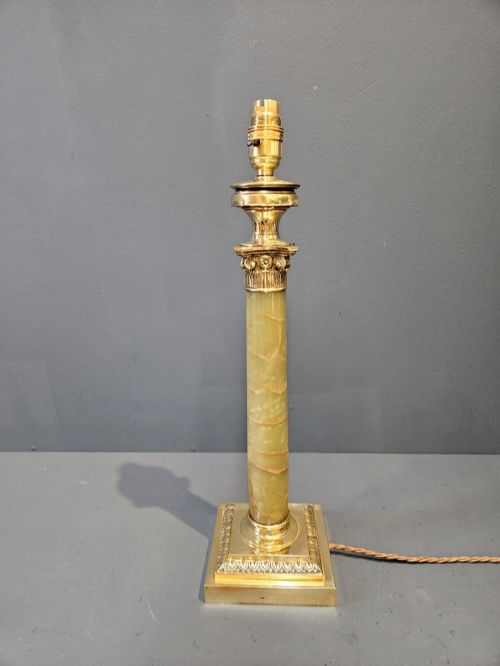
Quality in an edwardian brass accent lamp is determined by the crispness of the casting detail in elements like Corinthian capitals or figural motifs, and the weight of the solid brass used in the stem. Superior examples display careful chasing and finishing of the metal surface rather than uniform factory stamping.
The selection of secondary materials further separates standard production from finer work, seen in the use of genuine onyx or veined marble bases and heavy cut crystal rather than moulded glass. For associated lamp tables, the precision of satinwood and mahogany inlay and the stability of the timber frame indicate the original maker's skill.
The Edwardian Brass Accent Lamp Glossary
- Corinthian column
- A classical architectural column form featuring an ornate capital decorated with acanthus leaves, frequently utilised as the main upright shaft for tall table lamps.
- Barley twist
- A spiral turning technique resembling a twisted rope, applied to wooden table bases and solid brass lamp stems during the Victorian and Edwardian periods.
- Ormolu
- Gilt bronze mounted or cast onto decorative objects and lamp bases, providing a bright gold-coloured metallic finish popular in French revival styles.
- Etagere
- A set of open shelves or tiers used for display or as a small side table, sometimes paired with brass framing and ebonised wood.
- Majolica
- A type of colourful lead-glazed earthenware often incorporated into ceramic lamp bodies alongside brass fittings during the late nineteenth and early twentieth centuries.
Edwardian Brass Accent Lamp: Frequently Asked Questions
How do I date a brass lamp?
Dating relies on examining the manufacturing techniques, wiring components, and stylistic markers such as neoclassical columns or Art Nouveau curves. Victorian and Edwardian examples often feature heavy cast brass bases and older screw-thread fittings.
Comparison with documented pieces from the early twentieth century helps narrow the decade of production. Examining the wear on the brass patina also provides clues to the age of the piece.
Where were these lamps used?
These lamps were placed on occasional tables, side tables, and desks in country houses and town residences to provide task or ambient lighting. Their compact sizes made them suitable for illuminating specific reading corners or dark hallways.
They frequently sat upon mahogany or satinwood tray top and tier tables specifically built to hold them. Their decorative bases ensured they remained attractive even when unlit.
Are the shades original?
Most antique lamps survive without their original fabric shades due to twentieth-century wear and fire safety updates. Replacement shades are commonly selected to match the period style using fabrics like toile de jouy.
Glass shades and crystal drops are more likely to be original to the piece if they match the mounting hardware and period manufacturing methods. Inspecting the fitter galleries helps determine if a shade is a later addition.
How should I clean antique brass?
Antique brass is best maintained with a soft, dry cloth to remove dust without disturbing the aged patina that collectors value. Aggressive metal polishes can strip away the historical surface character and reduce the visual depth of the object.
If cleaning is necessary, a mild soap solution applied sparingly and dried immediately prevents moisture damage. Preserving the original patination is preferred over achieving a bright, modern shine.