


Edwardian Bottle Stands
Edwardian bottle stands are practical tablewares designed to hold vessels securely, offering period craftsmanship for modern hospitality.

Edwardian Bottle Stands
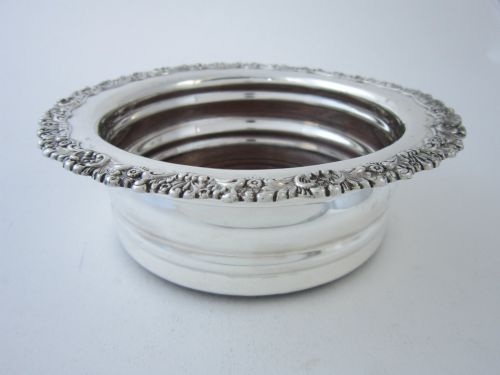
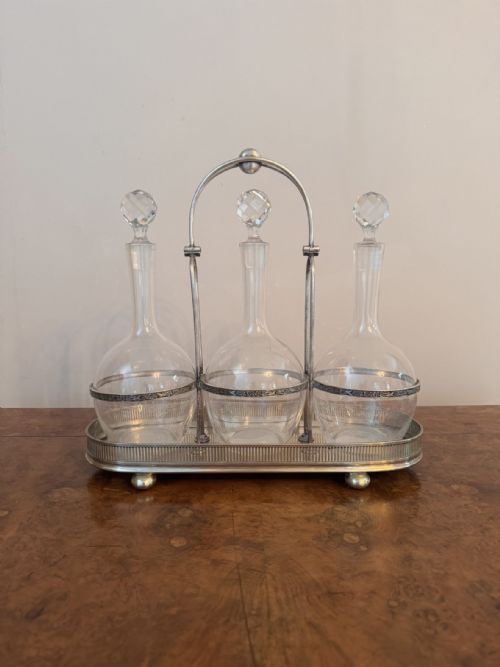
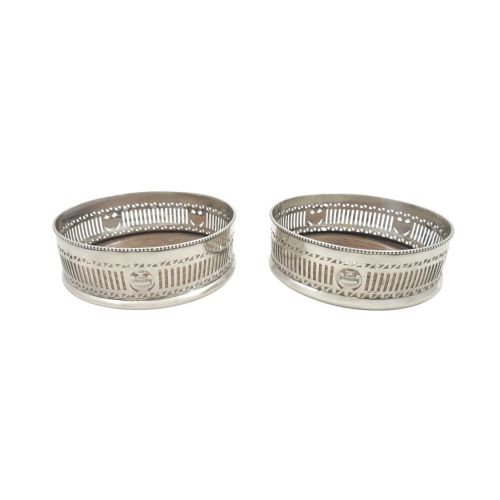
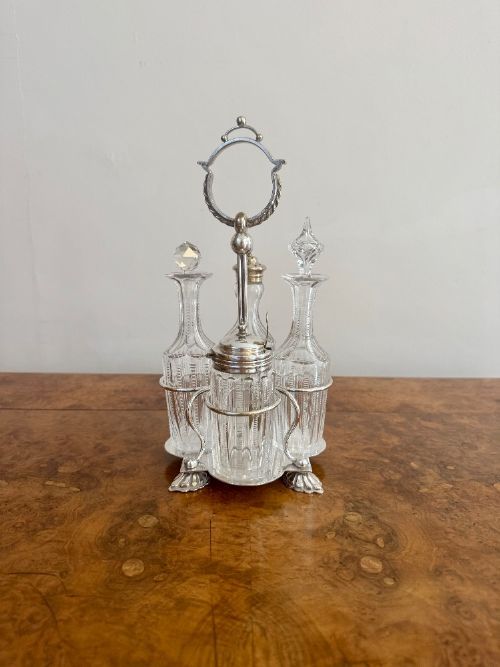
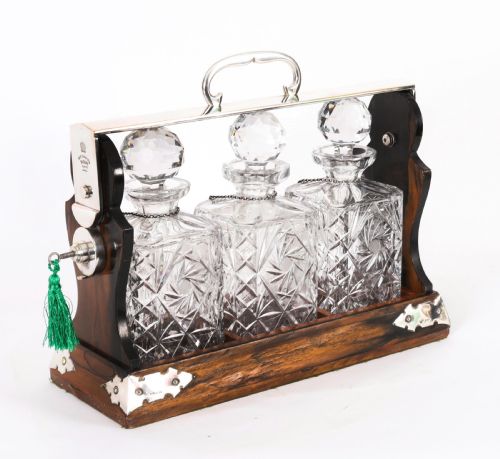
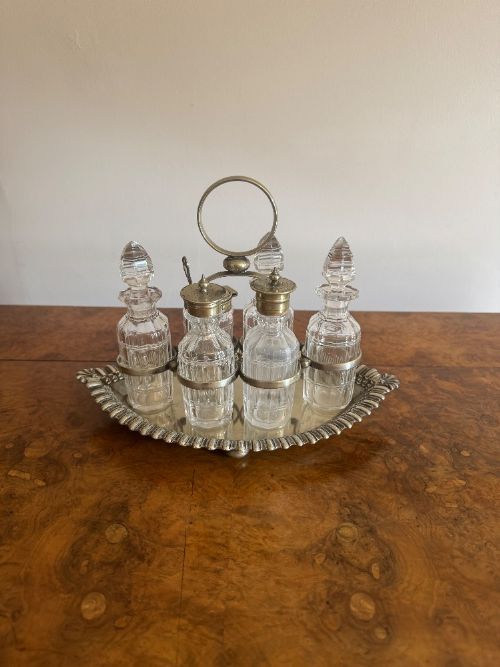
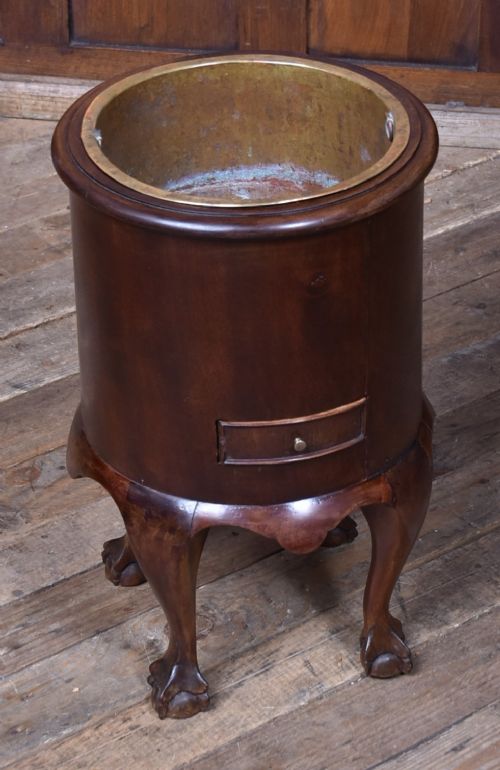
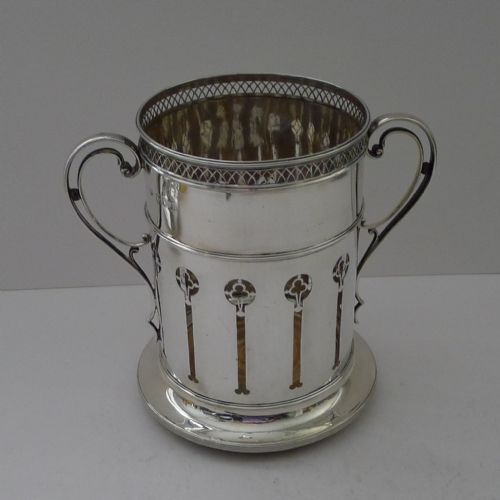
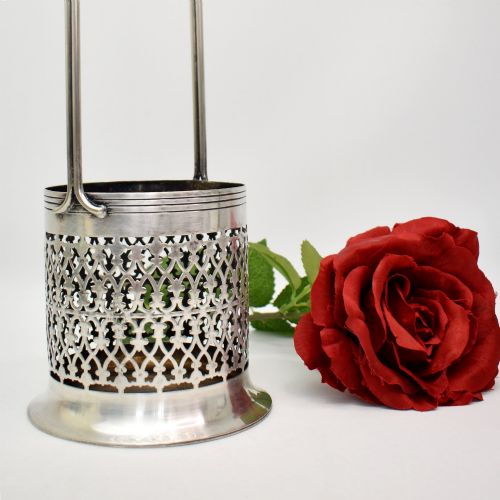
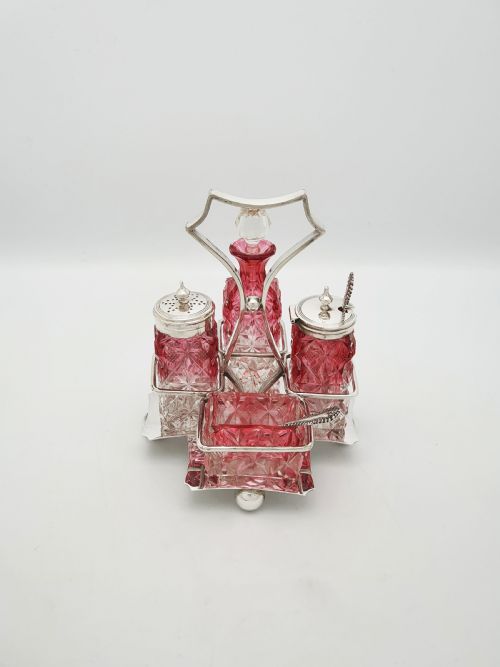
Edwardian bottle stands encompass a variety of tabletop pieces designed to hold and display wine bottles, decanters, and cruet bottles. When searching for Edwardian bottle stands, buyers encounter items ranging from single sterling silver coasters to multi-bottle silver plated frames and tantalus sets.
The selections span the Edwardian era alongside adjacent Victorian and George V periods, featuring materials like cut glass mounted in silver plate, solid sterling silver, oak, and mahogany. These accessories originated to serve drinks and condiments formally in dining rooms and drawing rooms.
Materials and construction
Makers utilised durable base metals such as silver plate and brass, often combining them with rich timbers including oak, mahogany, and exotic coromandel. These sturdy frames securely house heavy cut glass decanters and bottles fitted with stoppers.
Silversmiths employed sterling silver and silver plating for mounts, handles, and bottle rims, frequently incorporating decorative elements like Art Nouveau motifs and marquetry stringing into the woodwork.
Silver bell inkwells ring out quietly on desks, combining stationery storage with an unexpected auditory chime.
Distinctions in quality
Quality rests upon the weight and purity of the metals used, alongside the clarity and depth of cut glass bottles. Solid sterling silver mounts and frames demonstrate superior craftsmanship compared to simpler plated alternatives.
The precision of woodwork joins, the inclusion of maker hallmarks, and intact original glass components elevate the standing of a piece within its period.
Betjemann·Brook & Son·Walker & Hall·Christofle·Asprey
The Edwardian Bottle Stands Glossary
- Cruet set
- A matched collection of glass bottles or cruets held in a frame for condiments such as oil, vinegar, salt, and pepper.
- Tantalus
- A locking wooden or metal stand designed to secure decanters containing spirits away from unauthorised access while displaying the contents.
- Wine coaster
- A small circular tray, often featuring a turned wood base and a metal rim, designed to protect table surfaces from bottle moisture.
- Silver plate
- A layer of silver fused to a base metal core, widely utilised for decorative household items and tableware during the period.
- Cut glass
- Glassware shaped and patterned through abrasive wheel cutting, producing faceted surfaces that catch the light.
Edwardian Bottle Stands: Frequently Asked Questions
What is an Edwardian bottle stand used for?
These stands serve to hold wine bottles, decanters, or cruet bottles securely on dining tables and sideboards.
They protect surfaces from moisture rings and allow hosts to serve drinks or condiments with polished presentation.
How do I identify an Edwardian bottle stand?
Look for hallmarks, material combinations like silver plate and cut glass, and characteristic Edwardian or Art Nouveau design details.
Many pieces also bear maker names or registry marks that point to early twentieth-century production.
How do I care for wooden and silver stands?
Maintain silver surfaces using appropriate non-abrasive polishes to prevent tarnish while preserving any applied plating.
Treat wooden bases like oak and mahogany with suitable furniture wax to keep the timber nourished and clean.