




Edwardian Botanical Artwork
Edwardian botanical artwork comprises delicate floral watercolours and oils that bring the quiet charm of traditional English gardens directly into a room.
Edwardian Botanical Artwork
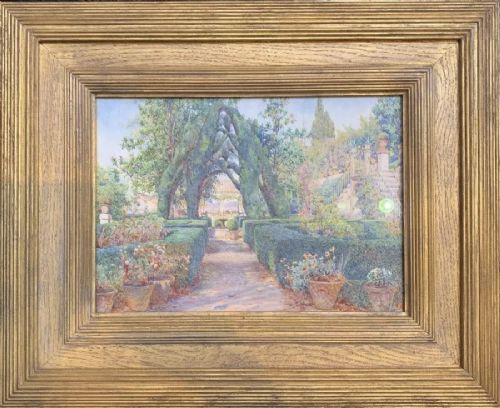
Edwardian botanical artwork captures the flora of British gardens through detailed paintings created primarily around the early decades of the twentieth century. These works range from tightly rendered studies of individual blooms to broader impressions of walled gardens and country house flowerbeds.
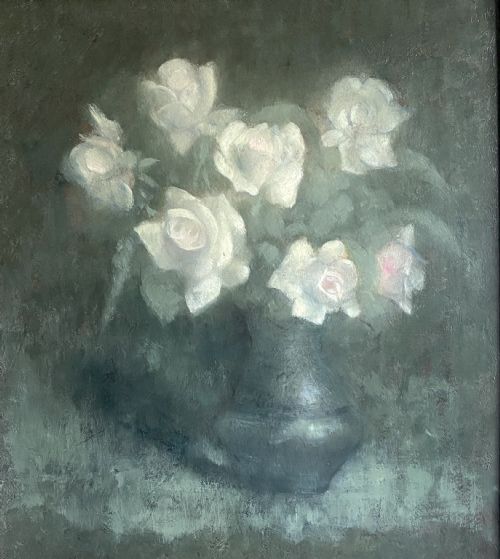
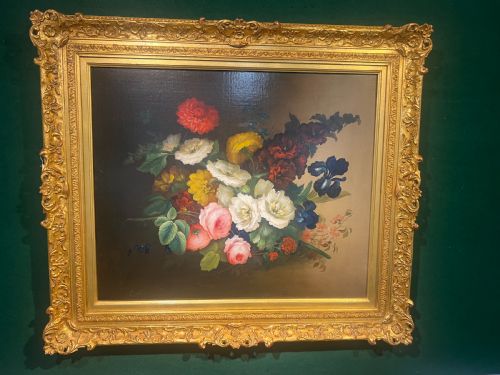
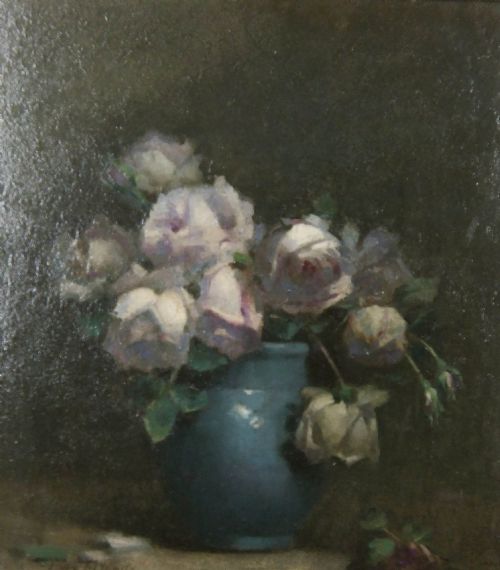
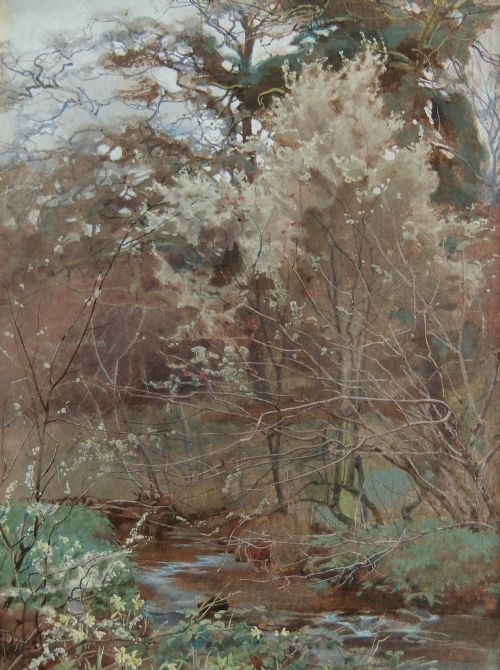
The pieces appearing on this page span several stylistic categories, predominantly featuring Edwardian traditional and impressionistic interpretations. One is most likely to encounter framed watercolours on paper or oil paintings on canvas that celebrate subjects such as roses, anemones, and blossoming branches.
Originating largely from British artists active between the late nineteenth century and the 1930s, these paintings reflect a period deeply fascinated by horticulture and domestic garden design. They serve as historical records of cultivated flora as well as decorative compositions intended for interior display.
What varies in quality
Quality in these botanical works rests upon the artist's ability to render light, form, and colour with botanical accuracy while maintaining artistic fluidity. Superior examples display a confident handling of pigment that brings vitality to the petals and leaves, avoiding stiffness.
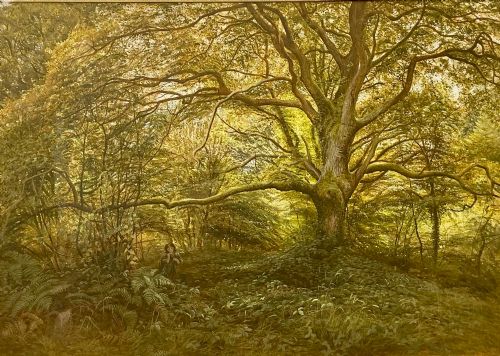
The depth of composition and the subtlety of the colour palette also distinguish finer pieces from simpler decorative studies. Stronger works capture the atmospheric qualities of a garden or woodland setting rather than merely recording a botanical specimen.
Artists occasionally braved public London parks with their watercolours, capturing springtime crocuses amidst curious onlookers.
Ernest Arthur Rowe·Edwin Steele·Bonomi Edward Warren·William Thomas Wood·Gertrude Hayes·Lester Sutcliffe·Lilian Stannard·Alfred W Parsons·Elizabeth T Sutcliffe·Alice Macallan Swan·Beatrice Parsons·Annie Mary Youngman·Edith Alice Andrews·George Frederick Nicholls·Cuthbert Edmund Swan·Louisa Mary Bancroft·Minnie Smythe
The Edwardian Botanical Artwork Glossary
- Watercolour
- A paint consisting of pigment suspended in a water-based solution, traditionally applied to paper to achieve luminous washes of colour. It requires a swift and decisive hand since lighter tones are achieved by leaving the paper exposed.
- Oil painting
- A technique involving pigments bound in a drying oil, such as linseed, applied to canvas, board, or wood. This medium allows for rich texture, blending, and deep saturation of colour.
- Still life
- A painting featuring inanimate subject matter, frequently focused on natural objects such as cut flowers, fruit, or garden arrangements. In this context, it highlights the careful study of gathered blooms.
- Impressionism
- An artistic style characterised by relatively small, thin yet visible brush strokes and an emphasis on accurate depiction of light in its changing qualities. British practitioners adapted these principles to capture outdoor garden scenes.
- Botanical art
- The art of representing the form, colour, and details of plant life, historically balancing scientific observation with aesthetic presentation.
Edwardian Botanical Artwork: Frequently Asked Questions
How should I care for vintage watercolours?
Watercolours are sensitive to prolonged exposure to direct sunlight, which can cause the pigments and paper to fade over time. Display them away from bright windows and damp walls to preserve the integrity of the paper.
Keeping them behind protective glazing with acid-free mounts prevents environmental damage. Regular gentle dusting of the wooden frame helps maintain the overall presentation.
What subjects are most common?
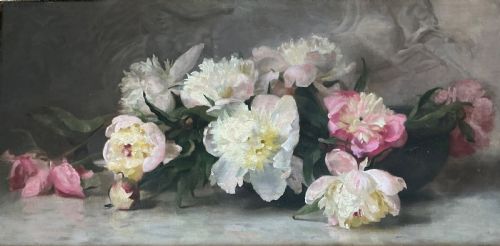
Floral studies dominate these selections, featuring roses, anemones, peonies, and blossoming branches. Garden views, woodland paths, and country house flowerbeds also appear frequently.
These subjects reflect the Edwardian enthusiasm for domestic horticulture and landscape gardening. Artists often painted en plein air to capture natural light within British gardens.
How do I distinguish watercolours from oils?
Watercolours are painted on paper, typically displayed under glass to protect the delicate surface from moisture and dust. They exhibit a translucent quality where the white of the paper illuminates the pigments.
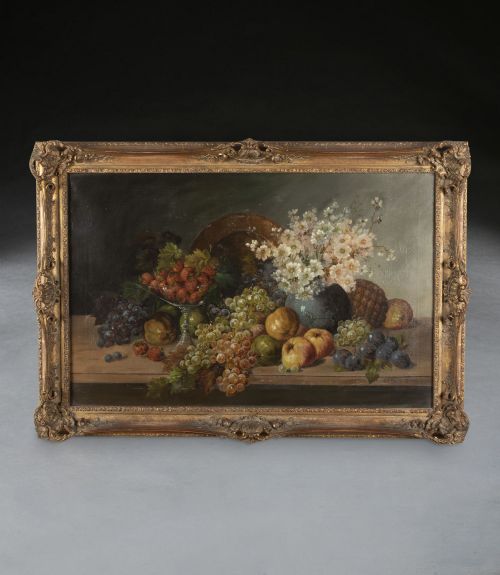
Oil paintings utilise canvas, wood, or board as a support and possess a heavier, textured paint layer. Oils do not require glass for protection, allowing the varied brushwork to remain exposed.
Where were these artists typically active?
The majority of these artists worked within Britain, recording domestic gardens, public parks, and woodland flora. Their travels often took them to country estates and notable green spaces across the country.
Locations such as London parks and Hertfordshire woods provided direct inspiration for these compositions. The resulting works document the appearance of historic British landscapes and cultivated grounds.