
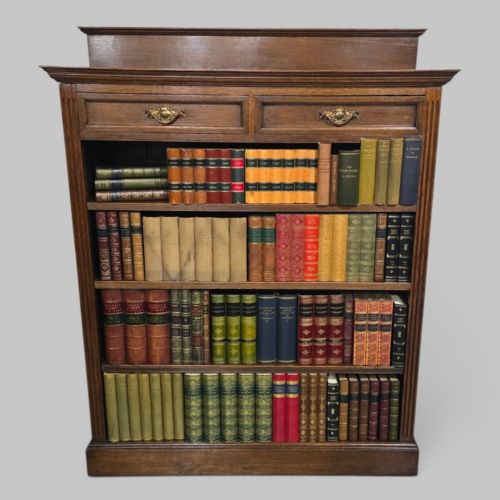
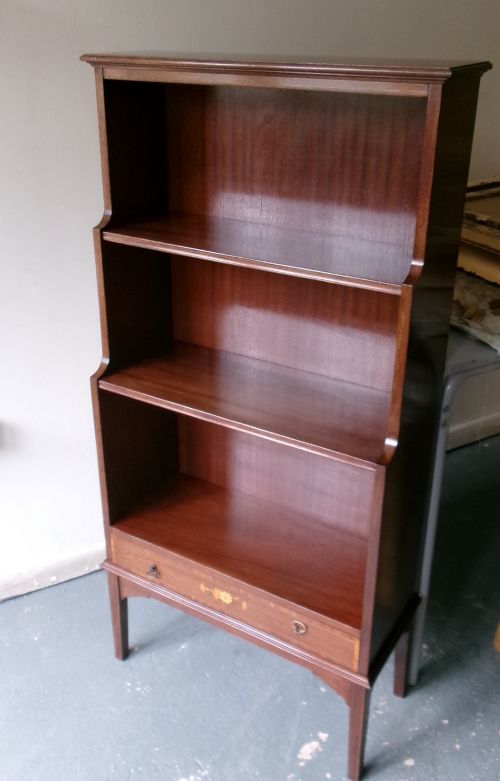
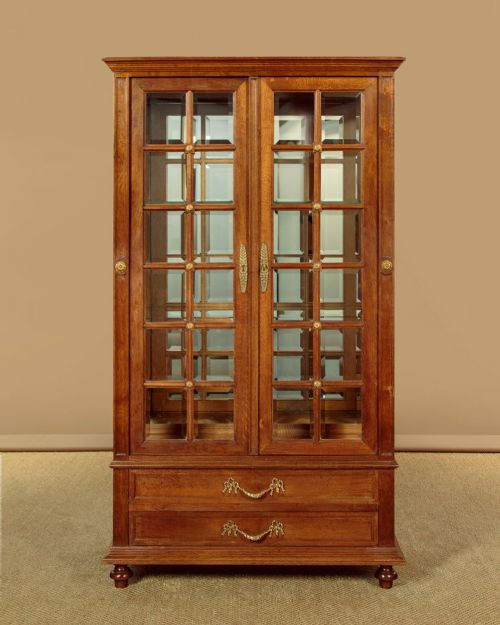

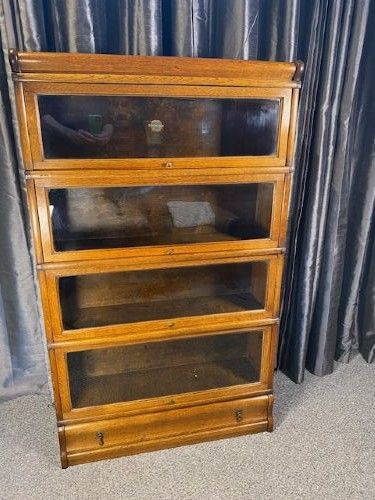


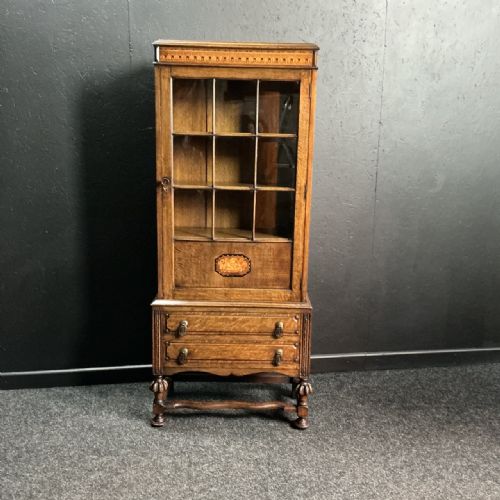


Edwardian Bookcase Drawers
Edwardian bookcase drawers are practical library pieces combining shelving with storage below, heavily represented here by mahogany and oak examples.
Edwardian Bookcase Drawers
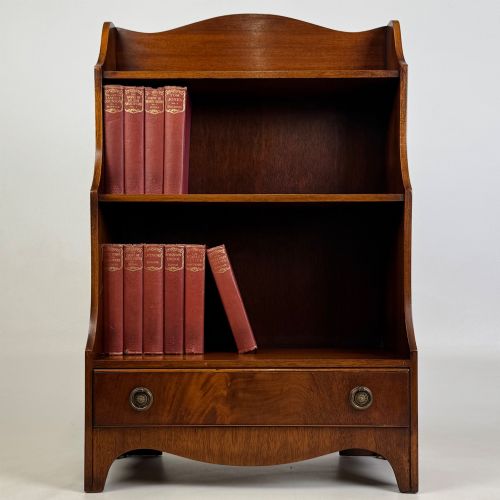
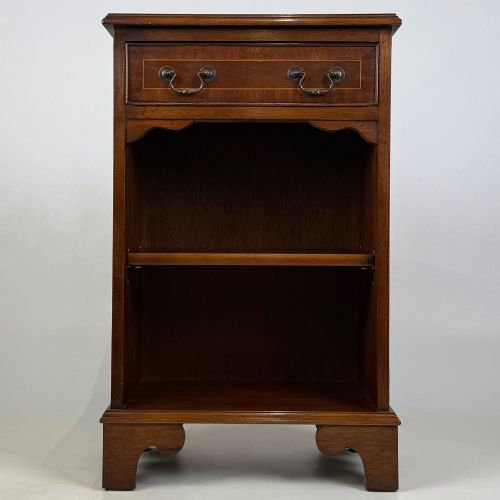
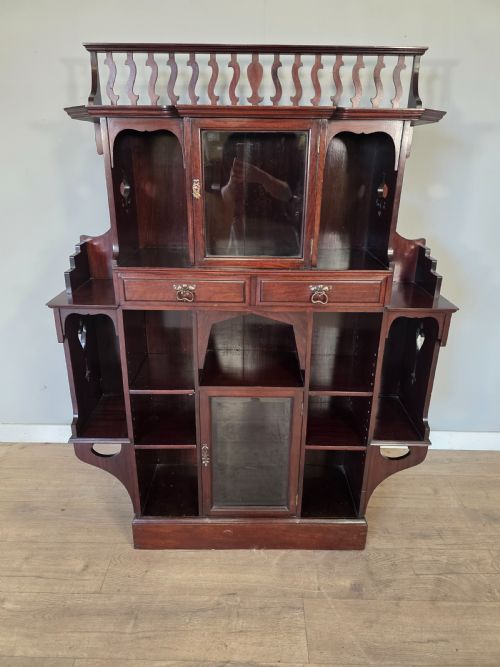
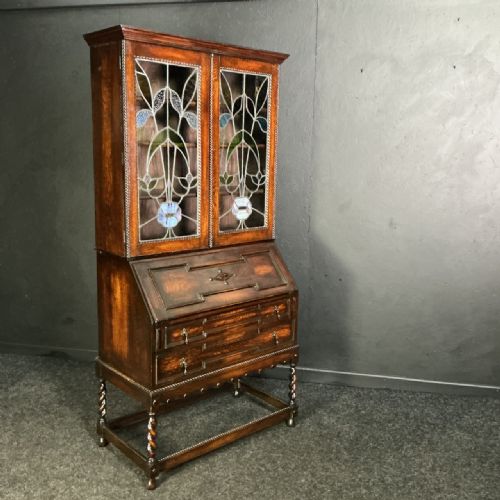
When you examine edwardian bookcase drawers, you encounter a practical fusion of open shelving or glazed cabinets paired with integrated lower storage drawers. These forms developed to serve domestic libraries and studies during the early twentieth century.
The pieces appearing most frequently on this page combine Edwardian manufacture with mahogany or oak timbers, often incorporating bureau drops or lower chests. Alongside these, you find specialised formats including revolving designs and waterfall shelving.
While the predominant output dates from the Edwardian era, related examples stretch back to earlier Victorian and Georgian revival periods, maintaining the core function of storing books alongside closed drawer compartments.
How they were made
Cabinet makers utilised primary timbers such as mahogany, oak, satinwood and rosewood, frequently applying brass hardware and glass panels to enclose the upper display sections. Inlaid stringing and contrasting veneers added decorative detail to plain carcases.
Structural integrity relied on traditional joinery methods, housing drawers within solid frames while integrating lead or gilt brass accents on specific display cabinets.
Listings feature mahogany, oak, satinwood, rosewood, and yew wood, spanning the Edwardian, Victorian, and Georgian revival periods.
What varies in quality
The standard of timber selection and depth of inlay define the upper tier of these items, distinguishing simple utilitarian furniture from finer decorative commissions. Selection of figured mahogany or carefully matched oak veneers signals higher workshop standards.
Construction details such as the integration of fitted stationery interiors, original hardware and smooth drawer operation mark the difference between standard production pieces and superior cabinet work.
Lamb of Manchester
The Edwardian Bookcase Drawers Glossary
- Bureau bookcase
- A hybrid form featuring a sloping writing flap that drops down to reveal fitted interior pigeonholes above a set of drawers.
- Secretaire bookcase
- A tall cabinet incorporating a pull-out drawer fitted with a writing surface and small internal drawers.
- Waterfall bookcase
- A tiered set of open shelves diminishing in depth from bottom to top, often mounted above lower drawer storage.
- Revolving bookcase
- A low, freestanding rotating structure designed to hold accessible volumes, sometimes fitted with base drawers.
- Inlay
- A decorative technique where contrasting woods or materials like satinwood are inserted into recesses within the primary surface.
Edwardian Bookcase Drawers: Frequently Asked Questions
What is an Edwardian bookcase with drawers?
These items combine open or glazed upper bookshelves with enclosed lower storage drawers. They served domestic libraries and studies during the early twentieth century.
Most examples employ mahogany or oak, occasionally featuring inlaid decoration, bureau desks or revolving mechanisms.
How do I identify an Edwardian piece?
Edwardian furniture typically dates from 1901 to 1910, showing lighter proportions than heavy Victorian designs. Common indicators include Sheraton revival styling and satinwood stringing.
Look for period brass handles, glazed cabinet doors and interior stationery fittings typical of early twentieth-century domestic interiors.
Where were these bookcases used?
Original placement included studies, drawing rooms and libraries of Edwardian homes where bound volumes required organised storage alongside writing materials.
Lower drawers provided concealed space for papers, journals and small desk accessories while upper shelves displayed books.