


Edwardian Shelf Cabinet
An edwardian shelf cabinet brings orderly display and practical storage together in timber, offering a grounded piece of period furniture for everyday rooms.
Edwardian Shelf Cabinet
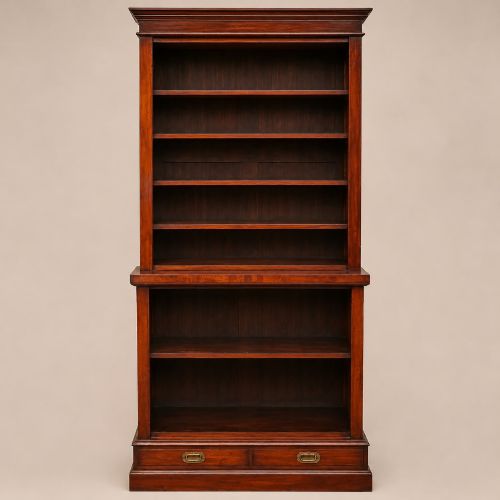
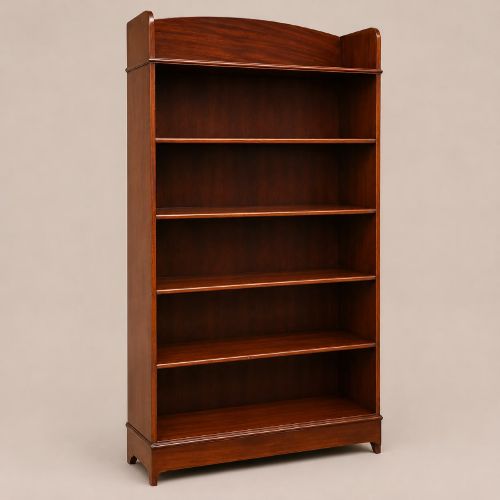
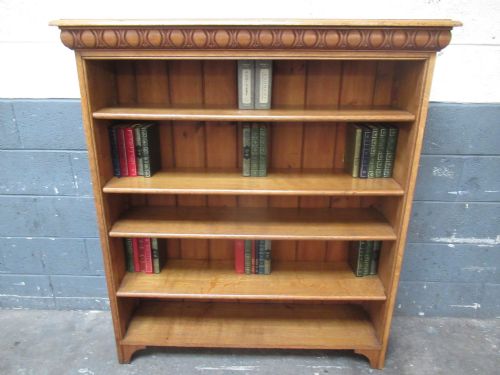
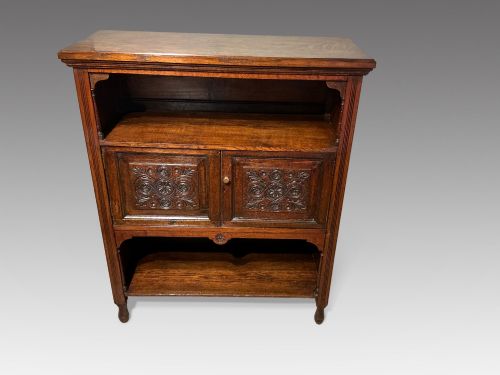
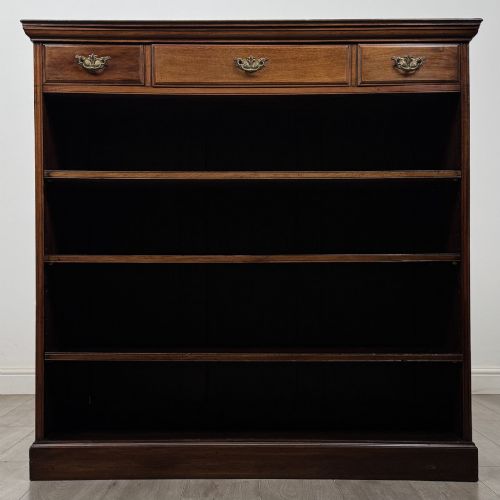
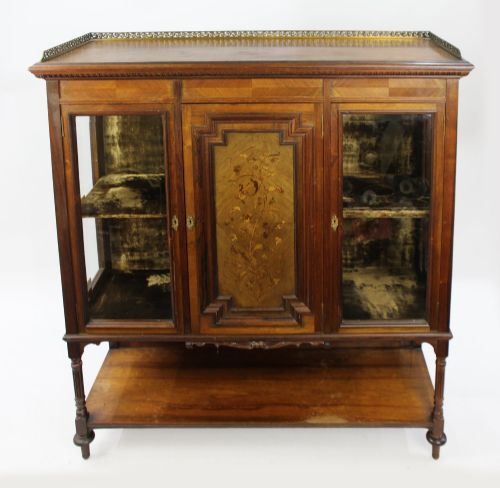
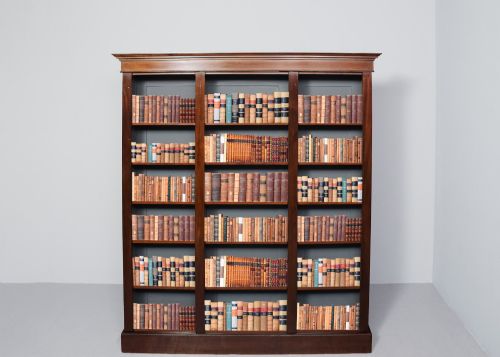
When searching for an edwardian shelf cabinet, buyers encounter open bookcases, wall cabinets, and display furniture originating predominantly from the Edwardian era alongside late Victorian and early twentieth-century periods. These items combine shelving with cabinetry, providing functional storage for books, china, and decorative objects.
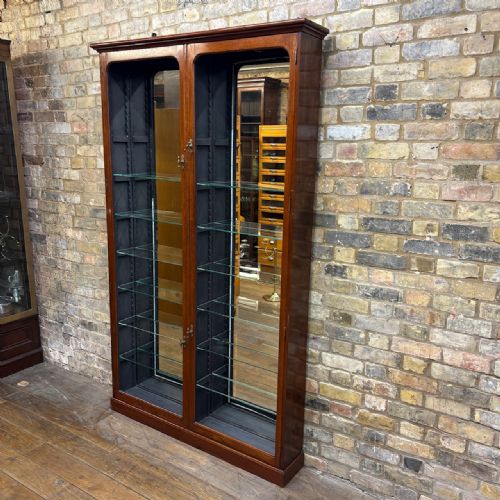
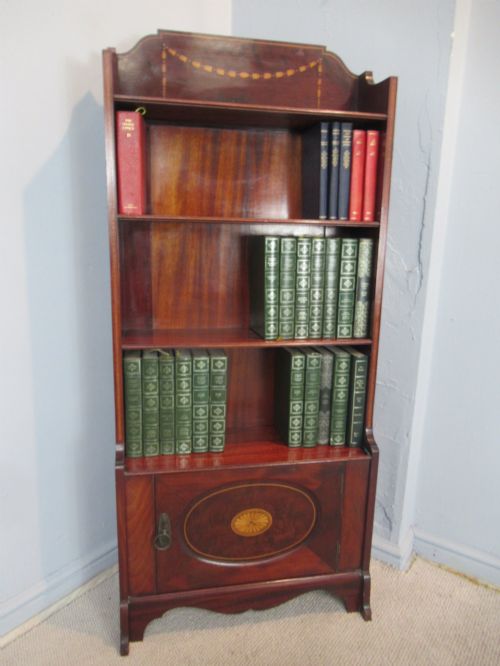
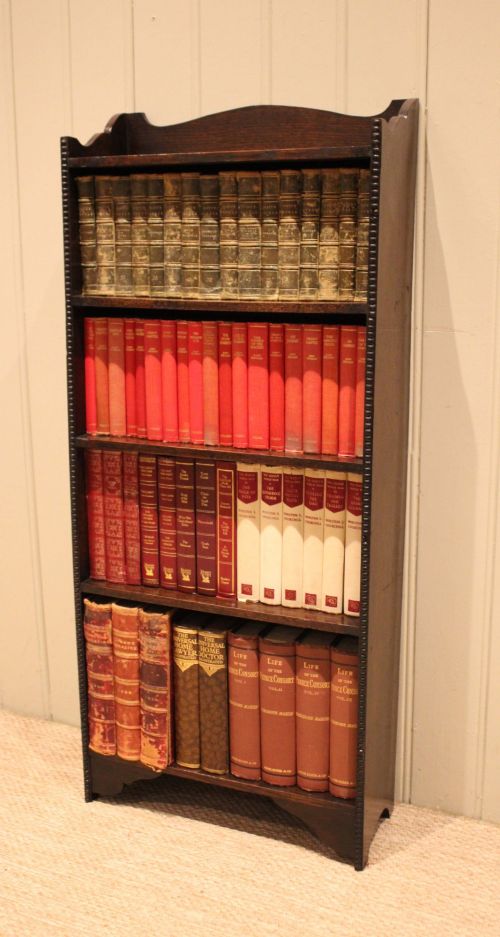
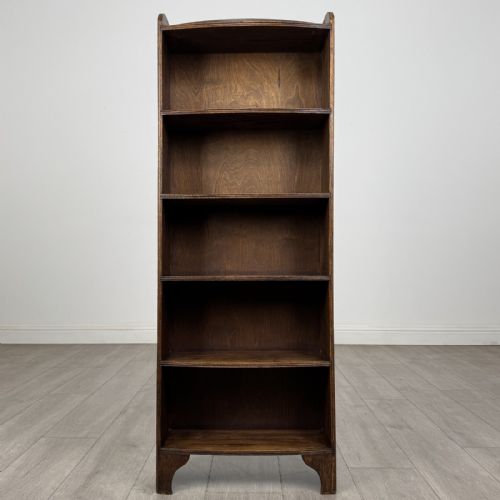
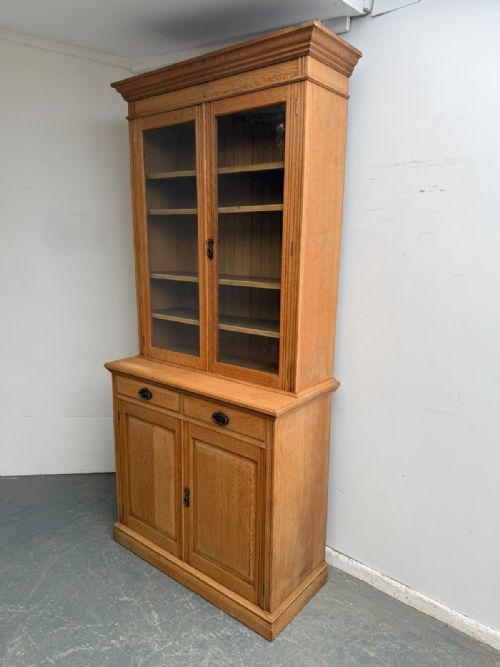
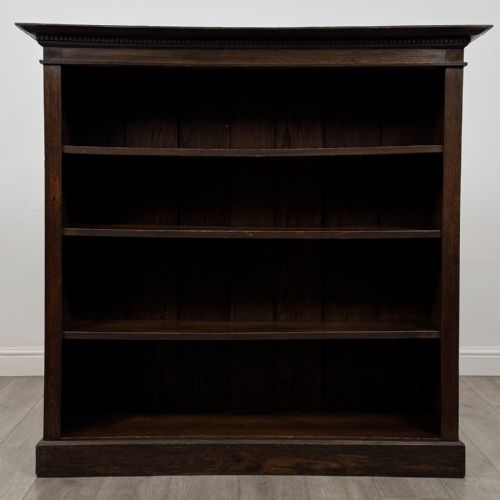
Mahogany and oak dominate the forms seen on this page, often constructed as open bookcases with adjustable shelves or as wall-mounted cabinets with glazed or tambour doors. Variations span slim profile pieces, narrow bow front shelves, and larger Welsh dressers with multiple open tiers.
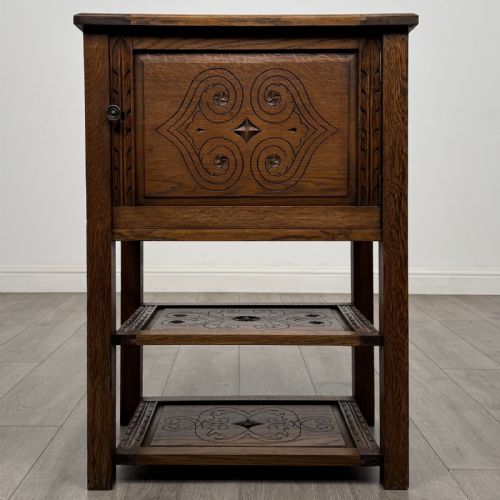
Stylistic influences range from straightforward Edwardian utility to Arts and Crafts simplicity, alongside revivalist interpretations including Jacobean and Sheraton styles. Pieces frequently integrate practical details such as brass galleries, dentil cornices, and carved wooden edges.
How they were made
Cabinet makers utilised dense hardwoods like mahogany, oak, and walnut, frequently selecting figured veneers and incorporating contrasting satinwood inlay to add visual depth to flat surfaces. Structural elements relied on solid timber construction, complemented by brass fittings such as castors and galleries.
Surface treatment involved polishing, waxing, or lacquering the timber to highlight natural grain patterns, while specialised forms utilised bamboo and lacquer for lighter decorative effect. Carved detailing and beaded edges appeared on select frames, demonstrating traditional hand-tool methods of the period.
Edwardian Shelf Cabinet Retail Price Guide 2026
Typical asking prices for edwardian shelf cabinet among the pieces listed under this phrase on Sellingantiques today, from the lower quarter to the upper quarter. They describe what is for sale here now, not the wider market.
Several pieces incorporate unconventional materials, including bamboo frames paired with traditional lacquered panels.
What varies in quality
Quality rests upon the selection of timber and the precision of the cabinet work, distinguishing plain utilitarian production from finer decorative pieces with detailed inlay and considered proportions. The integration of thoughtful design elements, such as dentil cornices and adjustable shelving mechanisms, elevates the standing of an item.
The integrity of secondary materials, including brass hardware and glass panes, contributes to overall standard, as do well-executed revival styles that adhere closely to historical proportions and joinery standards.
Heals·Whytock and Reid·Liberty and Co·Leonard Wyburd·Tudor and Burrey
The Edwardian Shelf Cabinet Glossary
- Dentil cornice
- A ornamental moulding featuring a series of small rectangular blocks projecting like teeth beneath the top edge of a cabinet.
- Tambour
- A flexible sliding door constructed from narrow vertical strips of wood glued to a canvas backing, allowing access to enclosed cabinet storage.
- Waterfall bookcase
- A tiered shelving unit where each successive shelf steps back from the one below, following a descending staircase profile.
- Brass gallery
- A decorative open metal railing fitted around the top surface of a cabinet or shelf to secure objects placed upon it.
- Satinwood inlay
- Contrasting blonde timber inserted into recesses on a darker wood surface to create geometric or floral decorative patterns.
Edwardian Shelf Cabinet: Frequently Asked Questions
What is an edwardian shelf cabinet?
An edwardian shelf cabinet is a piece of furniture combining open shelving with enclosed storage space, produced during the Edwardian period or closely adjacent years.
These items range from wall-mounted units and slender open bookcases to cabinets featuring glazed doors or tambour panels, built primarily in oak and mahogany.
How were these cabinets used?
These cabinets served primarily to store and display books, decorative ceramics, and personal items in domestic sitting rooms, studies, and hallways.
Open shelves allowed everyday access to frequently read volumes, while enclosed lower cupboards or upper wall cabinets protected more delicate objects from dust.
How do I style one at home?
Living with these pieces involves balancing practical book storage with curated displays of ceramics, glassware, or framed photographs across the available tiers.
Their proportions suit narrow hallways, alcoves, or living room walls where vertical storage is required without occupying excessive floor space.
How do I tell periods apart?
Distinguishing periods relies on observing timber choices, decorative motifs, and overall construction styles characteristic of late nineteenth and early twentieth-century cabinet making.
Arts and Crafts examples emphasise plain golden oak and exposed joinery, whereas Edwardian and late Victorian pieces often incorporate mahogany, satinwood inlay, and revivalist details.