
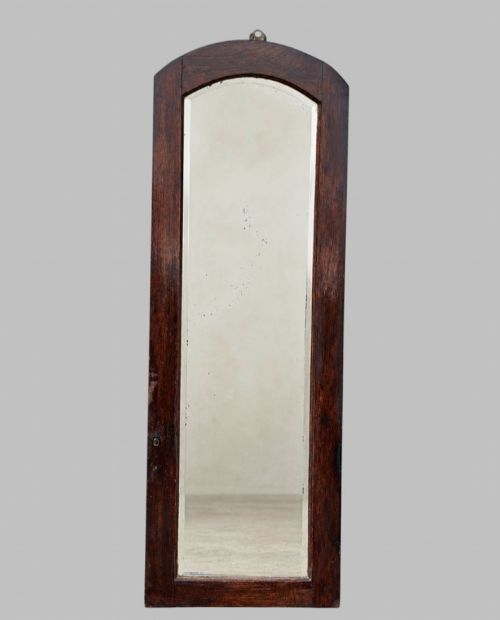
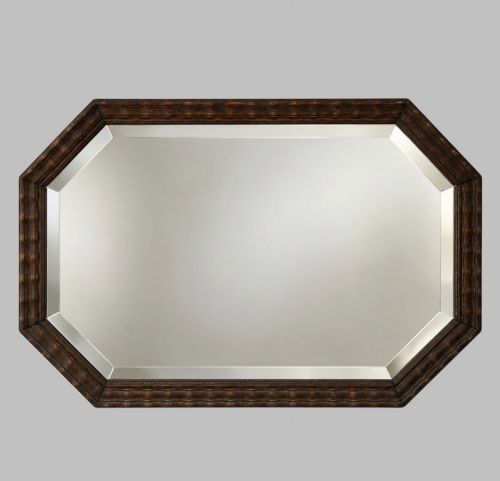
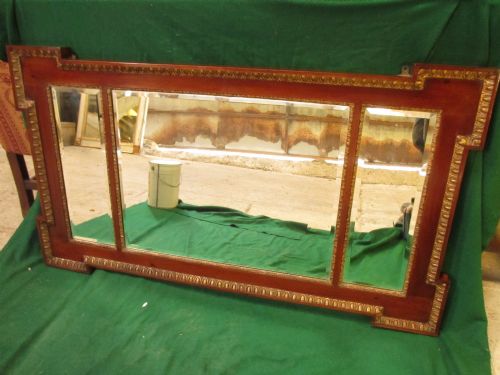
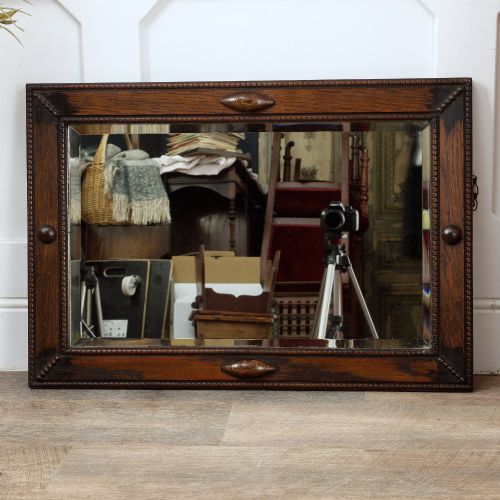


Edwardian Bevelled Wall Mirror
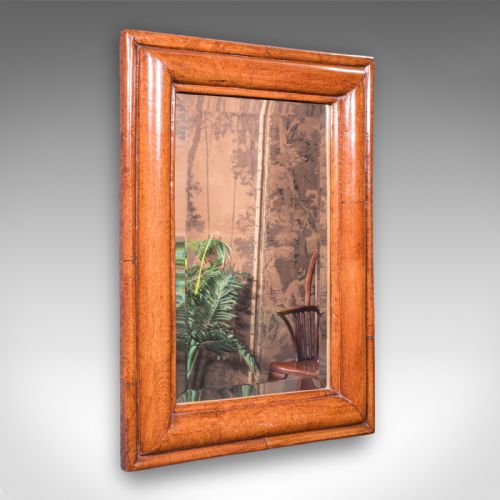
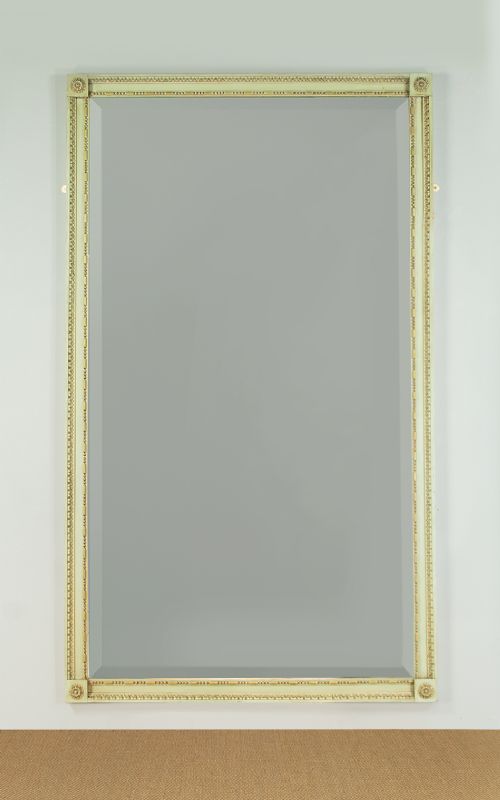
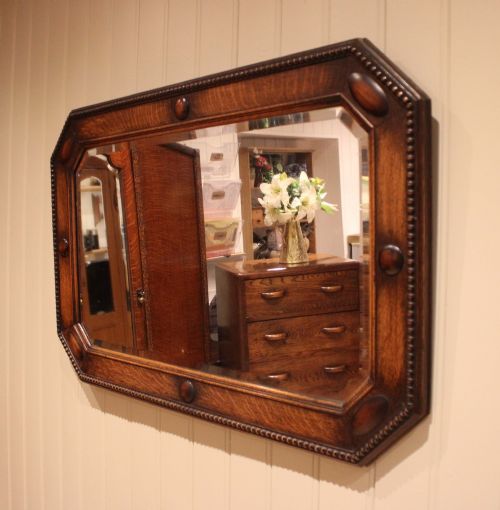
An edwardian bevelled wall mirror brings practical reflection and period charm to an interior through substantial wooden frames and angled glass plates.
Edwardian Bevelled Wall Mirror
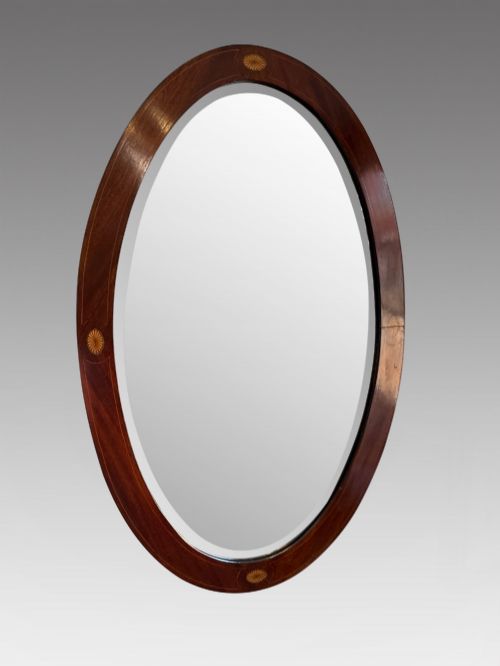
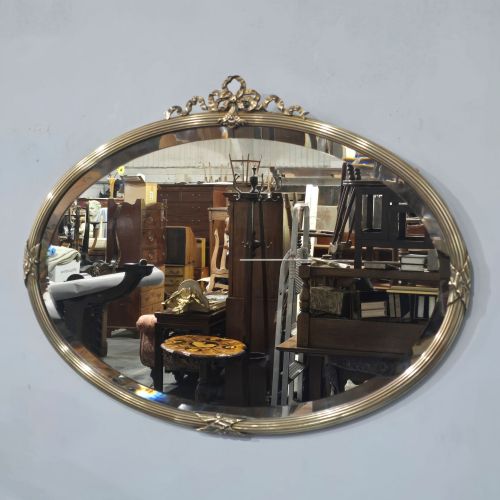
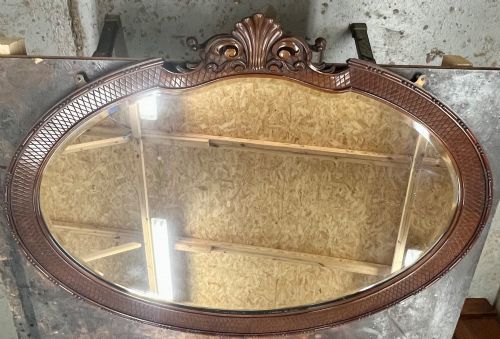
When you search for an edwardian bevelled wall mirror, you encounter pieces that reflect the domestic tastes of the early twentieth century alongside adjacent Victorian and interwar designs. These objects take forms such as rectangular wall mirrors, oval looking glasses, overmantel pieces, and specialised hall furniture like valet mirrors.
The selections span materials from solid oak and mahogany to walnut, beech, and giltwood, frequently incorporating bevelled glass plates that catch the light. While the strict Edwardian period dominates, the listings also encompass late nineteenth century examples and pieces influenced by earlier revivals such as Chippendale and Regency.
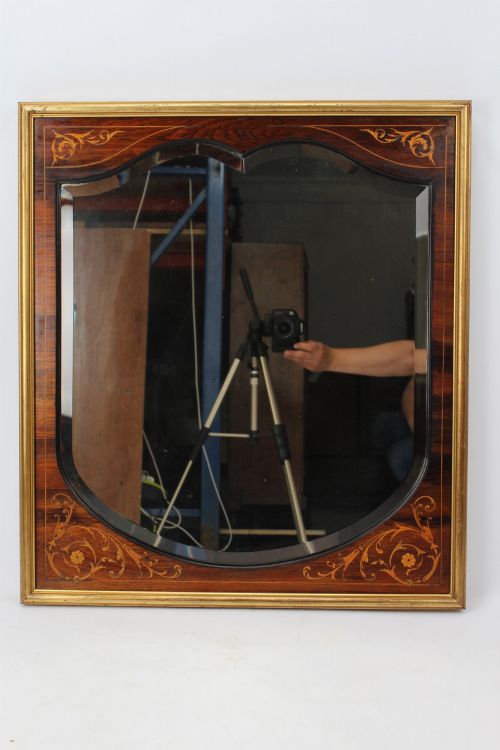
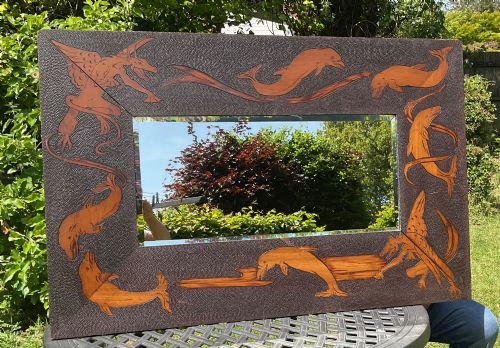
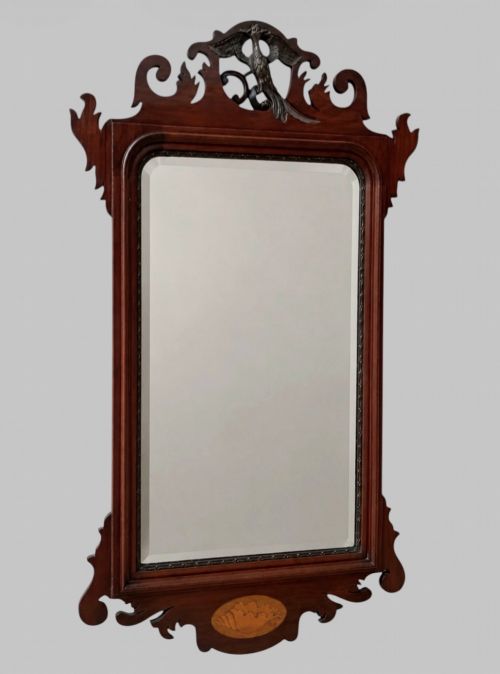
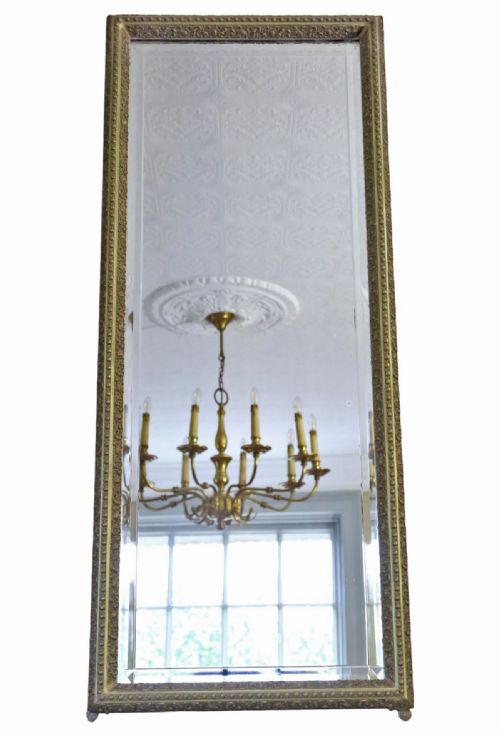
You will find formats ranging from simple wooden frames to elaborate decorative items featuring marquetry, gesso floral ornament, and brass fittings. This variety ensures that these mirrors suit spaces from narrow hallways to principal reception rooms.
Materials and Construction
Carpenters and cabinetmakers utilised dense timber foundations of oak, mahogany, and walnut, frequently shaping them into rectangular or curved profiles. Many frames incorporate inlaid marquetry, carved gesso, or applied brass details to enhance the visual surface.
Glass plates were ground and polished by hand to create distinct bevelled edges that refract light at the perimeter. Frames were assembled using traditional joinery techniques, supported by sturdy wooden backs and hanging hardware designed for domestic use.
Listings feature oak, mahogany, walnut, brass, and gesso across Edwardian, Victorian, and Art Deco periods.
Assessing Craftsmanship and Detail
The distinction between standard domestic mirrors and superior examples rests in the depth of the timber carving and the precision of the glass bevelling. Elaborate details like hand-applied gesso ornamentation, intricate marquetry inlay, and heavy brass mounts signal higher workshop standards.
Proportion and wood selection also determine quality, with finely figured mahogany and quarter-sawn oak commanding attention. Pieces retaining their original backing boards, mercury or early silvered glass plates, and integrated hooks demonstrate superior original manufacture.
Waring & Gillow
The Edwardian Bevelled Wall Mirror Glossary
- Bevelled Glass
- A mirror plate with an angled, polished edge that creates a prismatic border around the reflection. This technique required skilled hand-grinding during the Edwardian period.
- Overmantel Mirror
- A large mirror designed to hang directly above a fireplace mantelpiece. These pieces often feature extended horizontal proportions to complement the architecture of a hearth.
- Marquetry
- Decorative woodwork formed by fitted veneers of different coloured timbers to create pictorial patterns. It appears frequently on Edwardian mahogany frames.
- Gesso
- A plaster-like mixture applied to wooden frames and moulded into relief decorations before gilding or painting. Barbola mirrors make extensive use of this technique for floral motifs.
- Chippendale Revival
- A decorative style from the late nineteenth and early twentieth centuries reproducing eighteenth century designs associated with Thomas Chippendale. These pieces often feature fret-cut mahogany frames.
Edwardian Bevelled Wall Mirror: Frequently Asked Questions
Where should I hang an Edwardian wall mirror?
These mirrors suit entrance halls, living rooms, and above fireplaces where they can bounce natural light around the space. Smaller oval and rectangular versions fit narrow wall spaces between doors or windows.
Ensure the wall structure and hanging brackets match the substantial weight of solid wood frames and thick glass plates.
How do I identify a genuine Edwardian mirror?
Look for construction markers such as timber backboards, handmade screw fixings, and bevelled glass with slight manual irregularities. Timber selection typically includes solid oak, mahogany, or walnut characteristic of the period.
Stylistic cues also help, as Edwardian pieces often blend traditional proportions with Arts and Crafts or Sheraton Revival motifs.
How do I care for antique mirror glass?
Clean the glass gently using a soft cloth and mild, non-ammonia cleaning solution sprayed onto the cloth rather than directly onto the mirror. Avoid getting moisture behind the glass plate where it can damage the silvered backing.
Dust the wooden frame periodically with a dry cloth to protect the finish.