

Edwardian Bedside Lamps
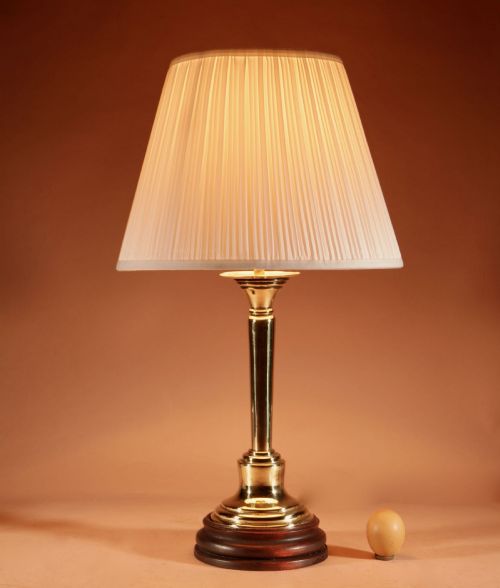
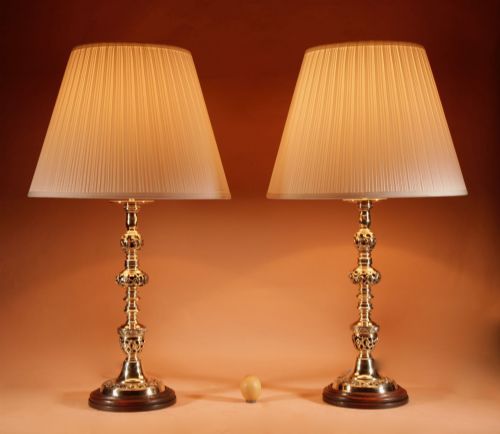
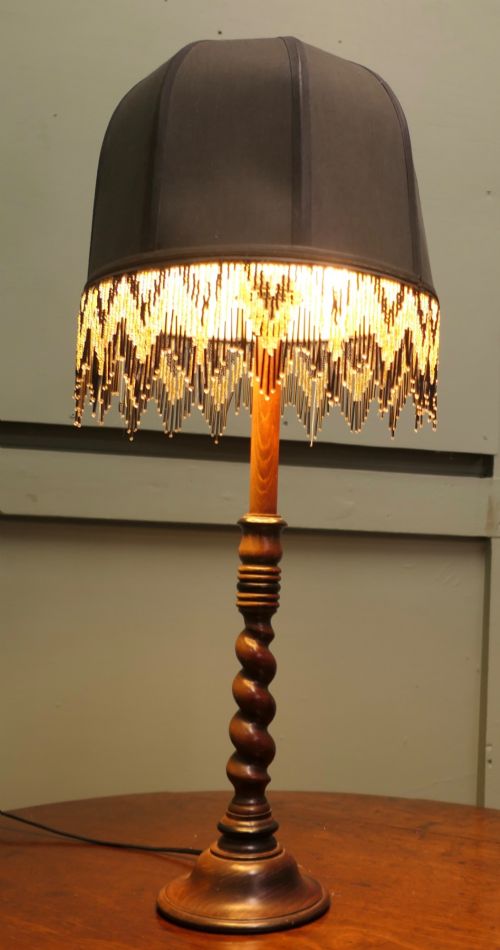
Edwardian bedside lamps bring together polished brass, carved oak, and inlaid mahogany to illuminate period rooms with steady, traditional light.
Edwardian Bedside Lamps
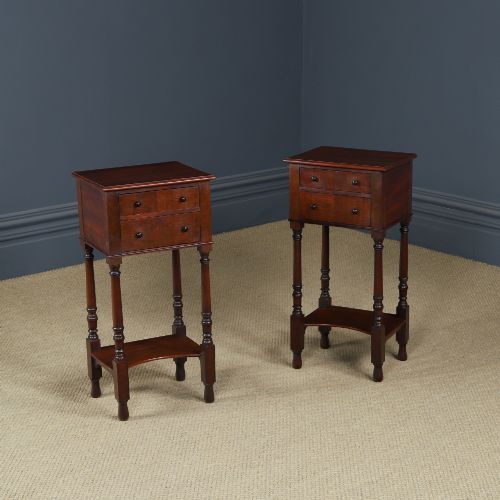
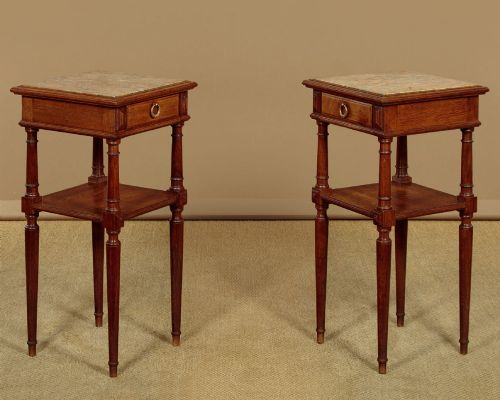
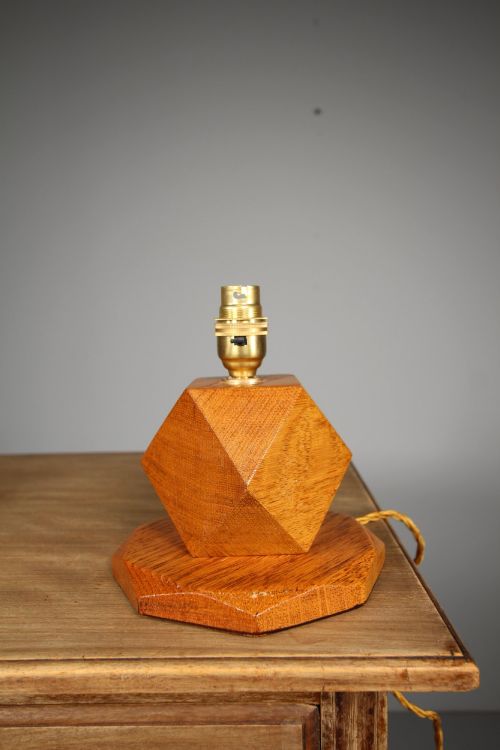
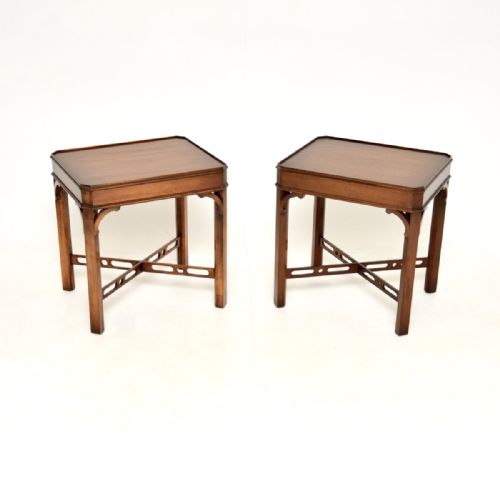
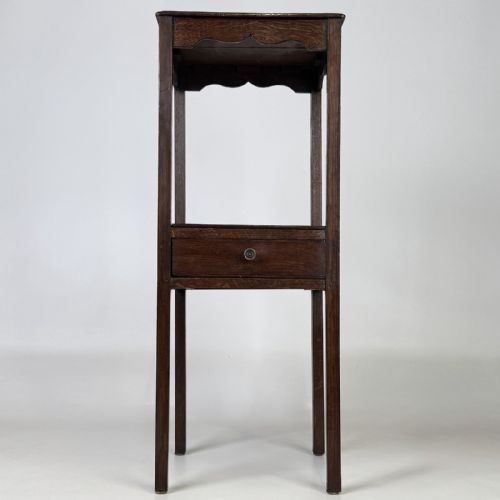
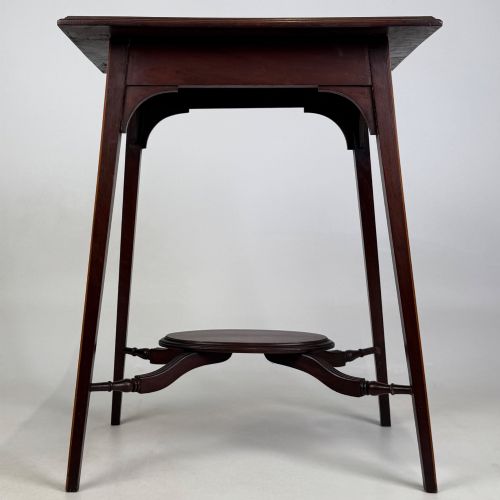
Edwardian bedside lamps encompass both the direct lighting apparatus of the period and the small timber tables designed to support them beside a bed. The listings merge dedicated brass and porcelain illumination with walnut, mahogany, and oak side furniture adapted for the bedroom.
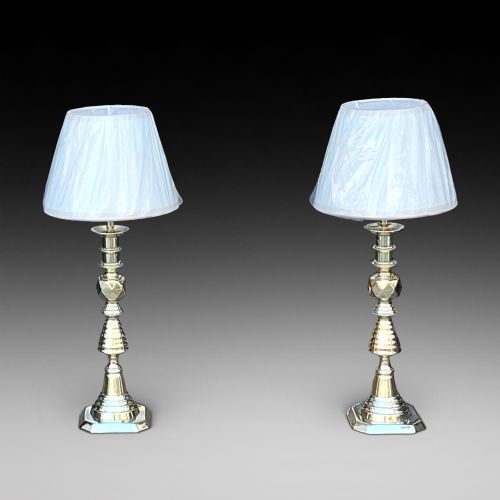
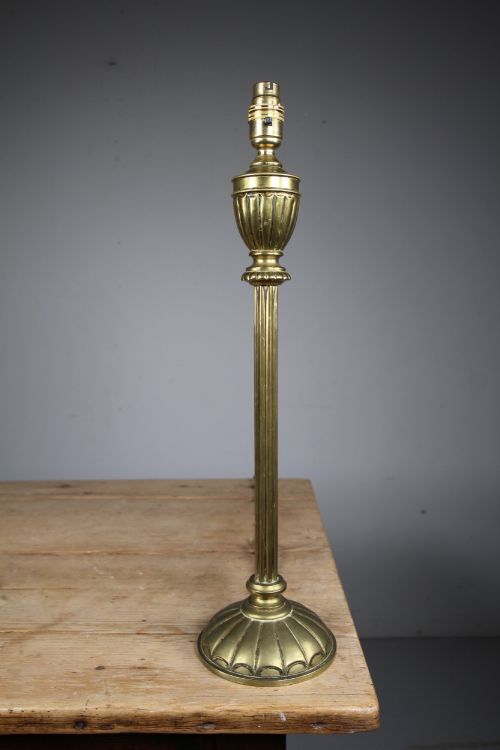
Buyers most frequently encounter tall brass reeded columns, slender cast metal lamps, and timber lamp tables resting on barley twist or tapered legs. These pieces span the Edwardian decade alongside adjacent Victorian and early twentieth century manifestations.
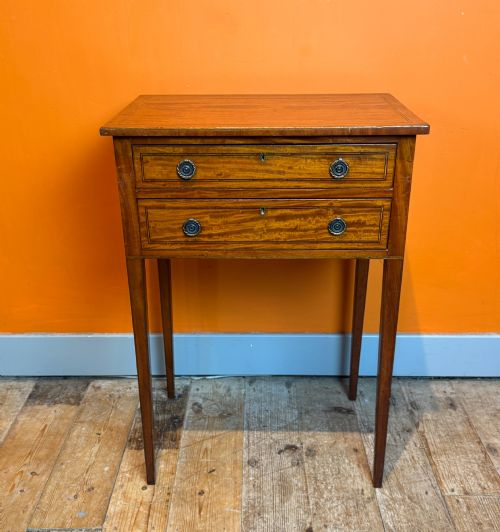
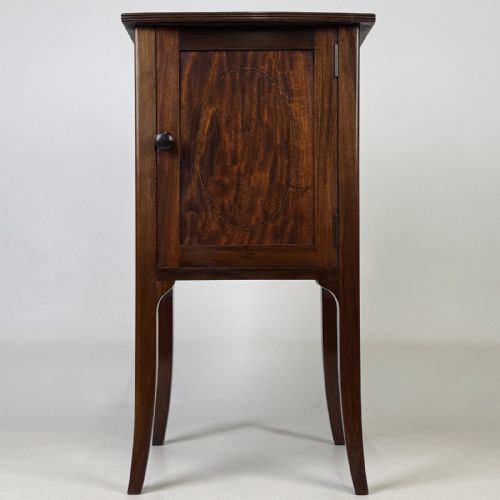
The category balances functional table lighting with low cabinetry, incorporating side cabinets, drop leaf surfaces, and small chests fitted with drawers or lower shelves. Such variety reflects the domestic requirements of early twentieth century sleeping quarters.
How they were made
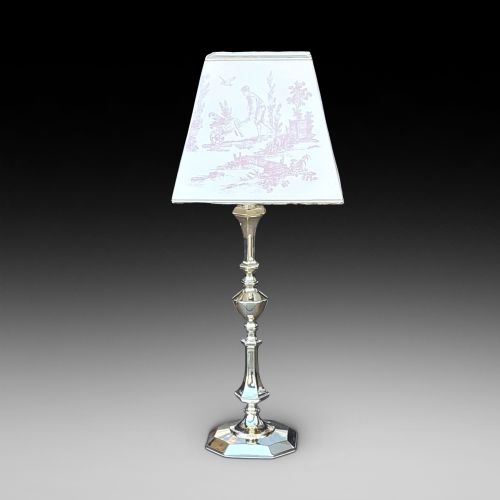
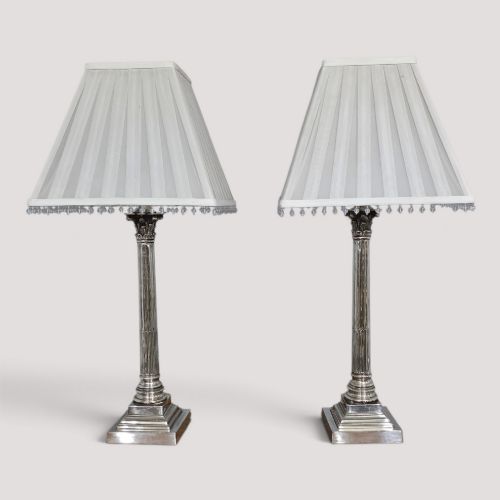
Makers utilised heavy cast brass, silver plate, and gilded metal for structural illumination, often pairing metal columns with alabaster, onyx, or cut crystal reservoirs. These metal elements draw upon classical Corinthian orders, Gothic revival motifs, and fluid Art Nouveau lines.
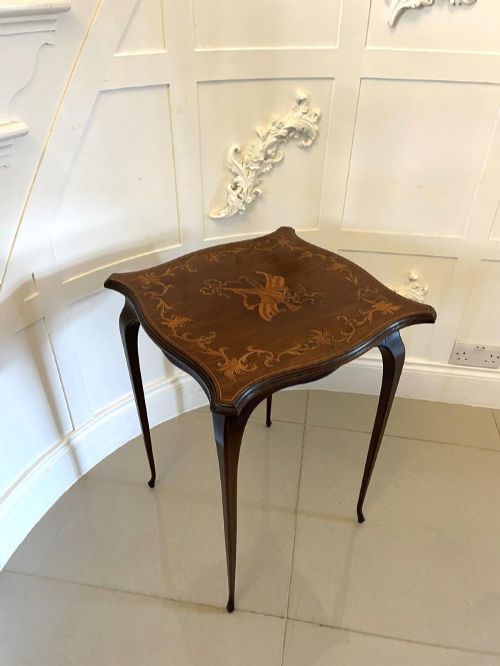
Cabinetmakers worked in solid and veneered timbers including mahogany, walnut, and oak, applying marquetry inlay and carved details such as barley twists. Table structures rely on traditional joinery, incorporating small drawers, lower display shelves, and drop leaves.
Edwardian Bedside Lamps Retail Price Guide 2026
Typical asking prices for edwardian bedside lamps among the pieces listed under this phrase on Sellingantiques today, from the lower quarter to the upper quarter. They describe what is for sale here now, not the wider market.
Materials span silver plated metal, cut crystal, and onyx alongside traditional cabinet timbers including burr walnut and solid oak.
What varies in quality
The standard of timber work distinguishes standard utility furniture from finer domestic pieces, particularly in the crispness of marquetry inlay and the choice of figured mahogany or burr walnut veneers. Solid construction with well-fitted drawers and stable framing indicates superior craftsmanship.
In lighting apparatus, quality reveals itself in the weight and casting depth of brass components, the clarity of cut crystal and alabaster, and the integrity of porcelain bodies. Original surface patination and substantial gauge metal separate finer examples from simpler production.
Royal Doulton·Royal Worcester
The Edwardian Bedside Lamps Glossary
- Corinthian column
- A classical architectural column form utilised for the shafts of tall metal table lamps, featuring ornate acanthus leaf capitals.
- Marquetry
- The art of applying decorative pieces of veneer to a timber structure to form geometric or floral patterns.
- Barley twist
- A spiral turning technique applied to wooden table legs and supports during the late nineteenth and early twentieth centuries.
- EPNS
- Electroplated nickel silver, a common metal base material used for silver plated lamp bodies and fittings.
- Drop leaf
- A table top configuration featuring hinged flaps that fold down to save space when not in use.
Edwardian Bedside Lamps: Frequently Asked Questions
How do I wire an antique lamp?
Most antique lamps require professional rewiring to meet current electrical standards safely while preserving the original metal or ceramic body. A qualified electrician can replace internal components without altering the external antique appearance.
Buyers should inspect the base and stem to ensure there is a clear internal channel for modern wiring before purchasing a lamp body intended for conversion.
What tables suit these lamps?
Small mahogany, walnut, or oak side tables with lower shelves or drawers provide stable platforms that complement the height and weight of period lamps. Matching the timber tone of the lamp table to existing bedroom furniture creates a cohesive period interior.
Drop leaf and serpentine fronted tables offer compact footprints suitable for positioning directly beside a bed.
How do I clean brass lamps?
Brass components benefit from gentle dusting with a soft cloth to prevent the accumulation of grime on intricate cast details. Aggressive metal polishes can strip historic patination, so cleaning should remain minimal.
Preserving the darkened or mellowed surface accumulated over decades maintains the visual character associated with early twentieth century metalwork.
Where were these lamps placed?
These lamps functioned primarily on bedside tables, side cabinets, and small lamp stands within domestic sleeping quarters. Their proportions were designed to sit at a convenient height for reading or navigation during the night.
Pairing matching candlesticks or columns on either side of a bed reflects traditional symmetrical bedroom arrangements of the Edwardian period.