


Edwardian Barley Twist Pair
These edwardian barley twist pair items bring distinctive turned wooden and polished metal forms into your interior, prized for their decorative presence.
Edwardian Barley Twist Pair
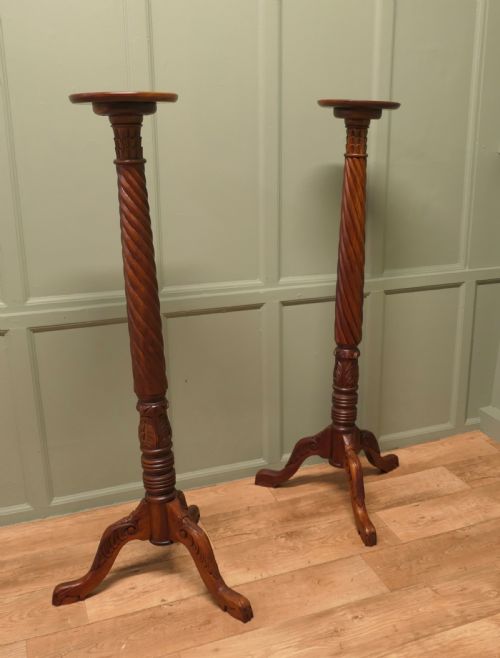
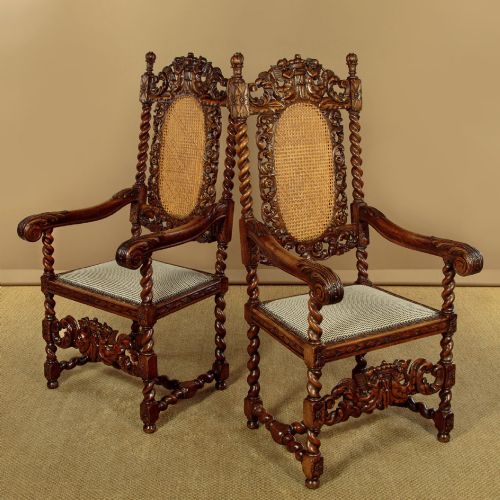
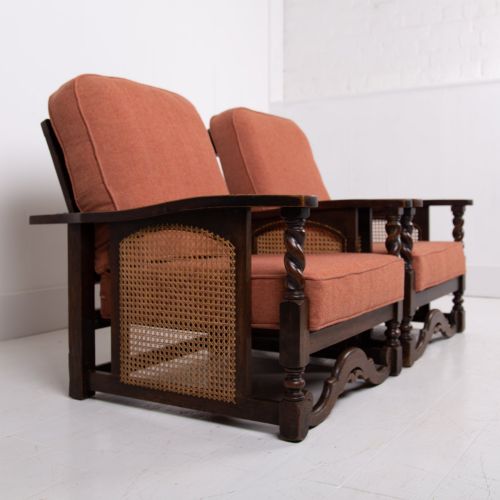
An edwardian barley twist pair encompasses matching items featuring the characteristic spiralling turned design, most frequently seen as oak candlesticks or seating furniture.
The selections span various forms including armchairs, side tables, torchere stands, and candlesticks originating from the Edwardian period and adjacent eras.
Oak and brass dominate the examples, often paired with cane, upholstery, or tapestry elements to create functional household furnishings.
How They Were Made
Turned timber components require skilled lathe work to shape the spiral columns seen in the structural legs and uprights of tables and chairs.
Metal elements utilise cast brass, providing polished sockets and bases that contrast with the darker tones of oak and walnut timbers.
Materials span oak, brass, cane, fabric, mahogany, leather, walnut, and textile across multiple decades.
What Varies in Quality
The definition and depth of the carved spirals dictate visual impact, with sharper turns indicating greater skill in the woodturning process.
Material selection and structural timber stability separate standard production items from finer examples featuring substantial oak or brass construction.
T Thomason And Co
The Edwardian Barley Twist Pair Glossary
- Barley twist
- A spiral turned decorative motif resembling the twisted stalks of barley. This profile appears frequently on furniture legs and candlestick stems.
- Torchere
- A tall stand designed to support a light source or decorative object. These slender supports often feature turned wooden columns.
- Bergere
- An enclosed upholstered armchair with a wooden frame. Cane work is frequently incorporated into the sides and back.
- Carver armchair
- An armchair designed with armrests, traditionally positioned at the head of a dining table. These pieces often match smaller side chairs.
Edwardian Barley Twist Pair: Frequently Asked Questions
What periods do these pieces date from?
The items span late nineteenth century production through to the early twentieth century, encompassing Victorian, Edwardian, and later revival styles.
Dates extend from the eighteen eighties into the nineteen thirties, reflecting the popularity of revivalist designs across several decades.
Where were these pairs used?
Candlesticks provided illumination on mantelpieces and sideboards, while armchairs and side tables furnished principal rooms in domestic interiors.
Torchere stands held decorative items or lighting in hallways and drawing rooms.
How do I care for wooden surfaces?
Maintain oak and walnut timbers by applying appropriate wax polish to protect the grain and preserve the finish over time.
Avoid placing furniture and candlesticks in direct sunlight or near heat sources to prevent timber splitting.
What materials are most common?
Oak and brass form the majority of surviving examples, supplemented by walnut framing and various textile or cane inserts.
Fabric upholstery and tapestry seat pads appear frequently on the seating options.