




English Country Candle Stands
English country candle stands bring rustic charm and practical utility to a room, offering sturdy timber and simple metal forms for everyday illumination.
English Country Candle Stands
When you search for english country candle stands, you encounter a practical mix of small occasional tables, tripod tables, and floor or desk lighting pieces. These items serve to hold candles, rushlights, or small lamps within modest domestic interiors.
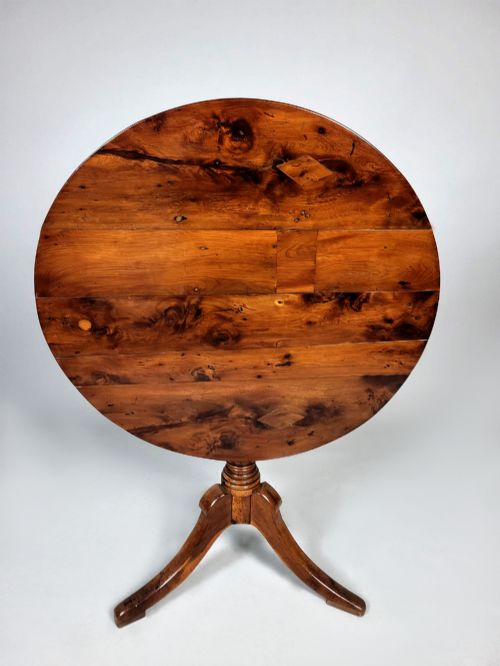
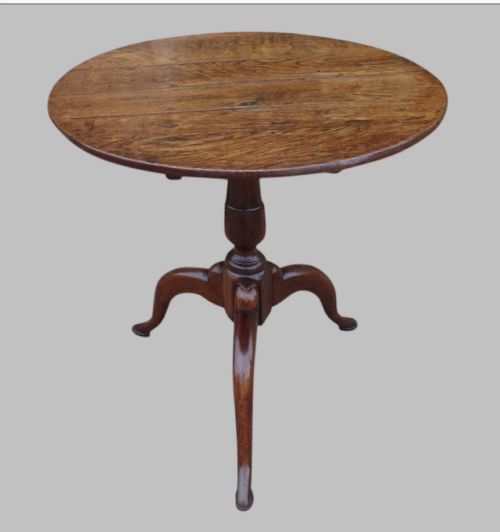
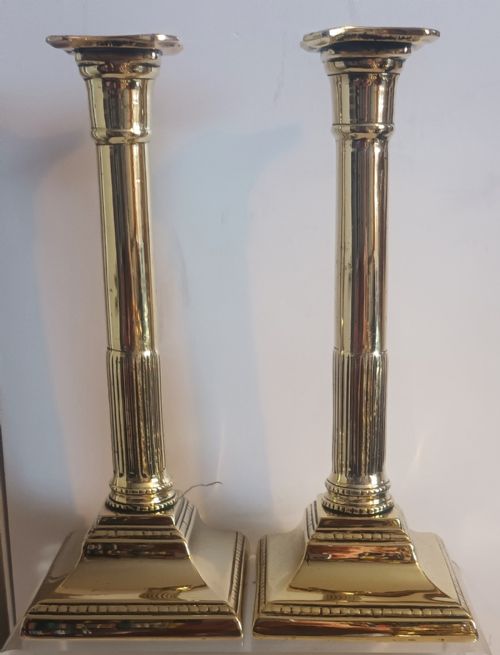
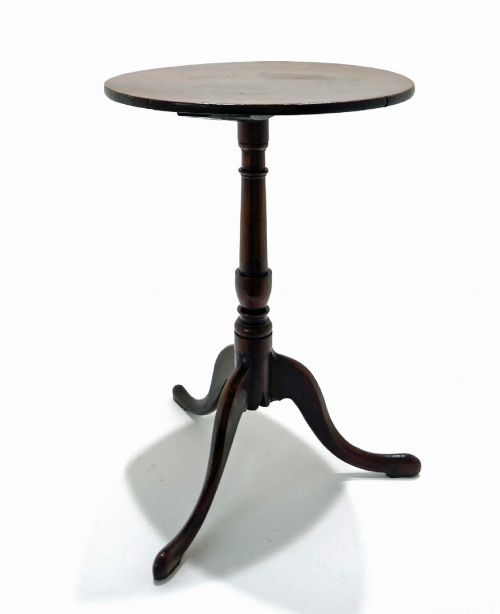
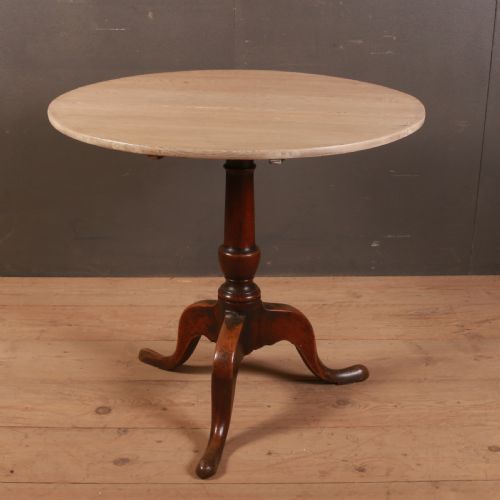
The most common versions on this page are eighteenth-century tripod tables in oak, fruitwood, and yew wood, alongside brass candlesticks and rushlight holders. Their simple forms reflect rural craftsmanship from the Georgian and Regency periods.
These stands range from slender column wine tables to low wooden stools and barley twist candlestick holders. Each piece is built for utility, often featuring folding or tilting mechanisms to save space in smaller rooms.
How they were made
Makers relied heavily on native timbers such as oak, fruitwood, elm, ash, and yew wood, turning columns on a lathe and joining tops with simple peg or dovetail construction. These domestic woods were chosen for availability and strength rather than showy grain.
Metal components utilise brass, wrought iron, and paktong, shaped through casting or hand-forging to create sockets, rush nips, and telescopic shafts. Such metalwork often accompanied wooden bases to provide stability and heat resistance.
Listings for english country candle stands span the eighteenth and nineteenth centuries, featuring materials like oak, yew wood, brass, and paktong.
What varies in quality
Quality rests in the balance of proportions between the top, the central column, and the tripod legs. Better examples maintain crisp turning on the timber and a stable stance without excessive replacement parts.
The choice of secondary woods and the refinement of surface patination distinguish finer country items from purely utilitarian ones. Honest wear and original fixings elevate a piece far above heavily restored alternatives.
The English Country Candle Stands Glossary
- Tripod table
- A small occasional table supported by three legs radiating from a central pillar. They often feature tilting tops for easy storage against a wall.
- Rushlight
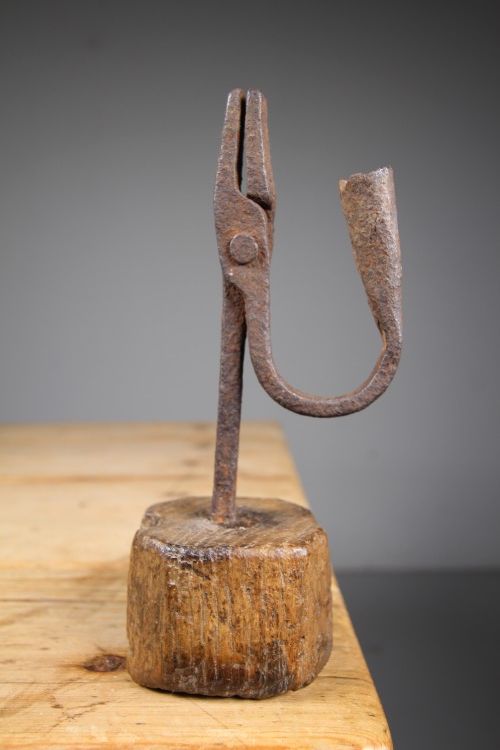
- A simple lighting device made by stripping the pith of a rush and soaking it in animal fat. The rush is held tightly by iron spring jaws called a rush nip.
- Paktong
- An alloy of copper, nickel, and zinc originating in China and imported to Europe for high-end metalwork. It resembles silver and was cast into durable candlesticks.
- Fruitwood
- A generic term for timber sourced from fruit-bearing trees like apple, pear, or cherry. Cabinet makers valued it for its dense grain and warm colour.
- Barley twist
- A decorative turning style resembling a spiralling rope or barley stalk. It appears frequently on the stems of seventeenth and eighteenth-century wooden stands.
English Country Candle Stands: Frequently Asked Questions
What is a rushlight holder?
A rushlight holder is a domestic lighting device designed to grip a fat-soaked rush for illumination. These iron stands were essential in rural homes before candles became cheap.
Most examples combine a heavy weighted base with a spring-loaded iron nip that holds the rush at an angle. They represent a frugal approach to evening lighting in period cottages.
How do I use a wine table?
A wine table provides a compact surface for drinks, books, or small decorative objects beside a chair. Their small footprints make them versatile additions to sitting rooms.
Many period versions feature tilting tops, allowing you to store them flat against a wall when not in use. Place them where you need an accessible landing spot without cluttering the floor space.
What woods were used?
Country makers utilised local hardwoods such as oak, elm, ash, fruitwood, and yew wood for furniture production. These timbers were readily available and stood up well to hard household wear.
Over the centuries, these woods develop a rich, warm patina through handling and polishing. The choice of timber often points to the geographic region where the item was built.