



Edwardian Bar Trolley
An Edwardian bar trolley serves drinks with undeniable mobility, pairing practical tiers with the elegance of polished timber and brass.
Edwardian Bar Trolley
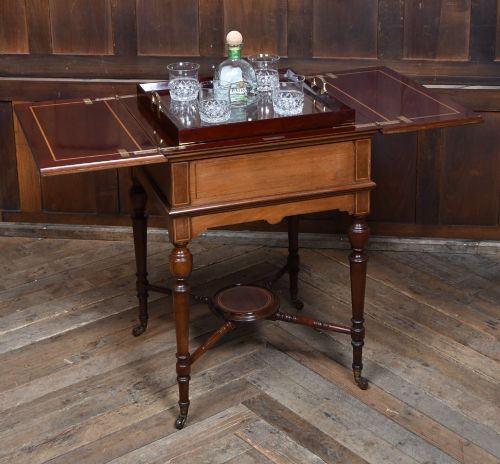
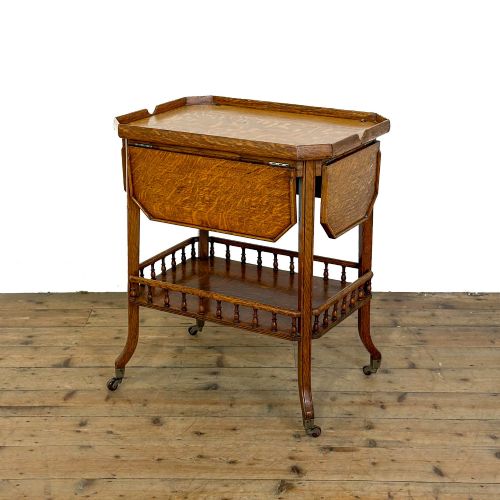
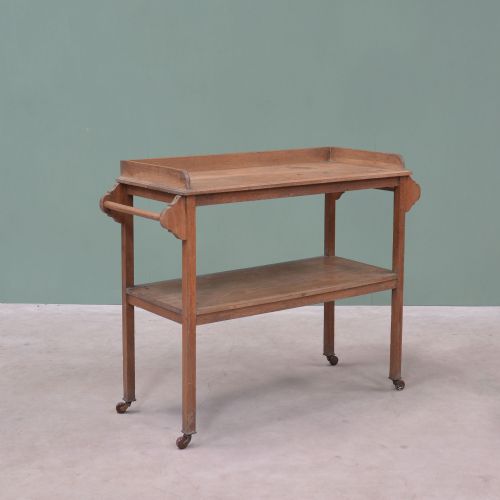
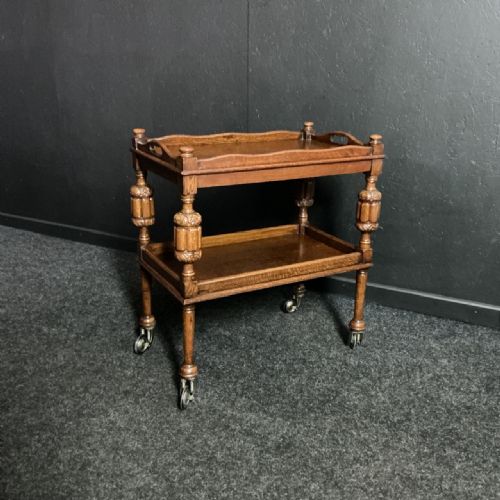
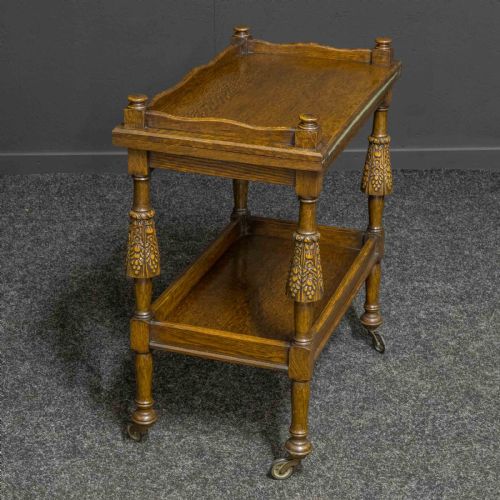
The edwardian bar trolley encompasses a range of mobile serving pieces, dominated by Edwardian and early twentieth-century designs. Buyers encounter practical tea trolleys, serving trolleys, and sophisticated drinks cabinets featuring multiple tiers or drop leaves.
While the term points to the Edwardian period, listings also draw upon Georgian, Victorian, and later periods like 1920 and 1930. Forms include folding tops, removable trays, and dual-purpose card tables alongside standard side tables.
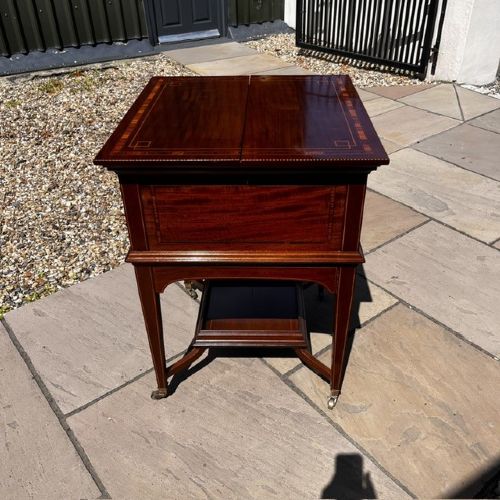
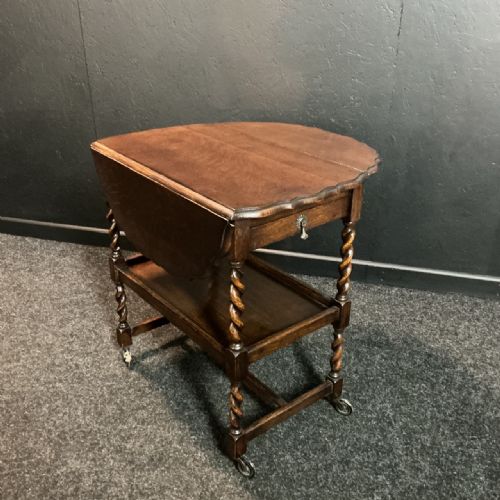
Oak and mahogany form the backbone of these pieces, often enriched with satinwood inlay or boxwood details. English Country and Jacobean Revival styles appear frequently, alongside classic barley twist supports.
Materials and construction
Cabinetmakers utilised sturdy hardwoods such as oak and mahogany to build the frames of each edwardian bar trolley. These timbers provided the necessary strength to support stacked tiers, bottles, and glassware during transit.
Decorative embellishments relied on contrasting veneers and fine detailing, notably satinwood and boxwood inlay. Metal and brass elements reinforced structural joints while adding functional handles and wheels.
Specialised mechanisms allowed folding tops and dropleaf surfaces to transform simple tea trolleys into card tables or serving stations. Glass inserts and baize-lined surfaces provided durable, tactile areas for glassware and games.
Edwardian Bar Trolley Retail Price Guide 2026
Typical asking prices for edwardian bar trolley among the pieces listed under this phrase on Sellingantiques today, from the lower quarter to the upper quarter. They describe what is for sale here now, not the wider market.
Materials across the selection range from warm mahogany and oak to brass, iron, glass, and delicate satinwood inlay.
Assessing craftsmanship and design
Superior examples of an edwardian bar trolley showcase thoughtful timber selection and refined decorative techniques like intricate boxwood inlay. Lesser pieces rely on plain, unadorned surfaces and heavier, utilitarian construction.
The sophistication of the mechanism dictates the upper tier of quality, seen in smooth folding tops, secure dropleaves, and removable trays. Robust joinery and well-fitted wheels distinguish a lasting serving piece from a purely decorative novelty.
The Edwardian Bar Trolley Glossary
- Drop leaf
- A hinged table leaf that folds down when not in use. This clever mechanism allows the trolley to save space in smaller rooms.
- Barley twist
- A spiral carving resembling a twisted rope, commonly turned on wooden table legs and upright supports. It adds texture and visual movement to Edwardian furniture.
- Satinwood
- A durable, lustrous timber with a golden yellow sheen, frequently used for contrasting stringing and decorative inlay work.
- Baize
- A coarse woollen fabric resembling felt, traditionally used to line card tables and interior surfaces to protect game pieces and glassware.
Edwardian Bar Trolley: Frequently Asked Questions
What is an edwardian bar trolley?
An edwardian bar trolley is a mobile serving piece designed for entertaining, featuring multiple tiers, wheels, and sometimes drop leaves or removable trays.
These pieces transitioned easily from the dining room to the drawing room, serving afternoon tea or evening spirits.
How were they used?
Hosts utilised these trolleys to wheel tea services, decanters, and glassware across the home without carrying heavy trays by hand.
Many examples doubled as card tables or side tables, providing versatile functionality for daily domestic life.
How do I style one at home?
Place your trolley in a living room or dining space, loading the tiers with vintage glassware, bottles, and a small decorative plant.
The mobility allows you to reposition it easily when hosting guests or reorganising your interior layout.
How do I date an edwardian bar trolley?
Examine the primary timber, hardware, and construction methods to distinguish genuine Edwardian pieces from later twentieth-century revivals.
Characteristics like satinwood inlay, specific wheel types, and traditional joinery offer clear clues regarding the period of manufacture.