
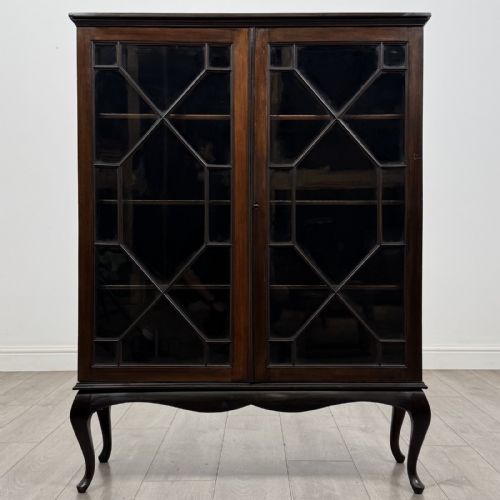
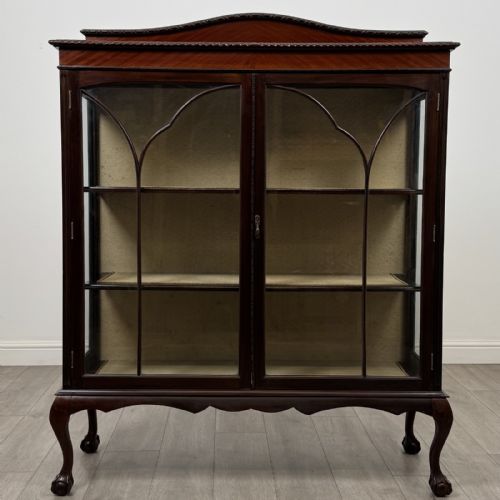
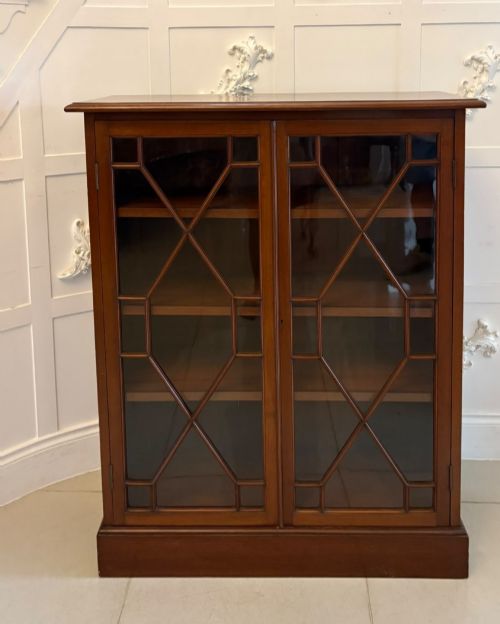
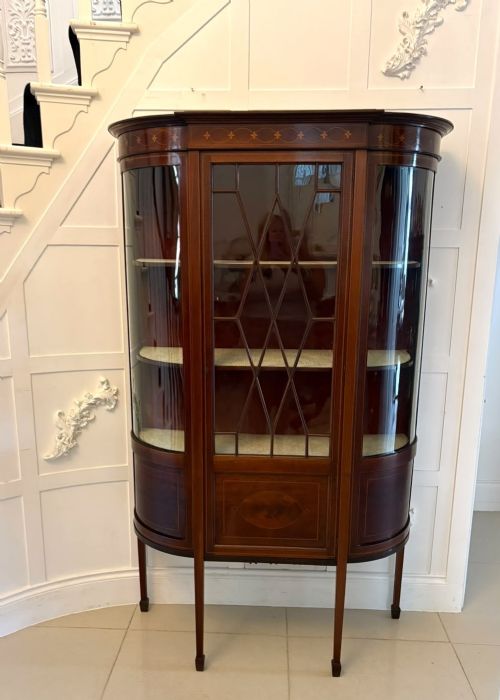
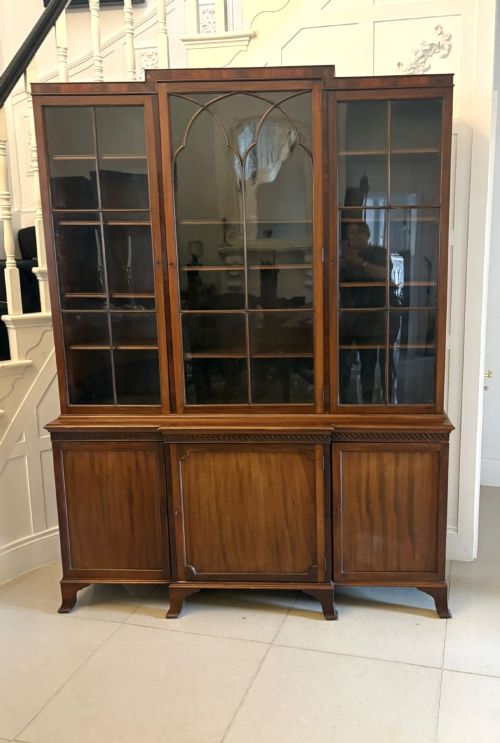

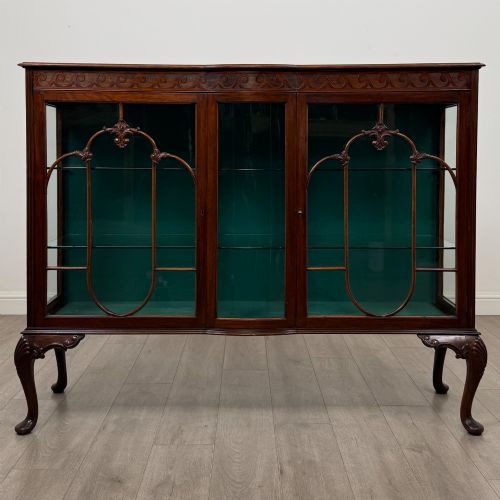
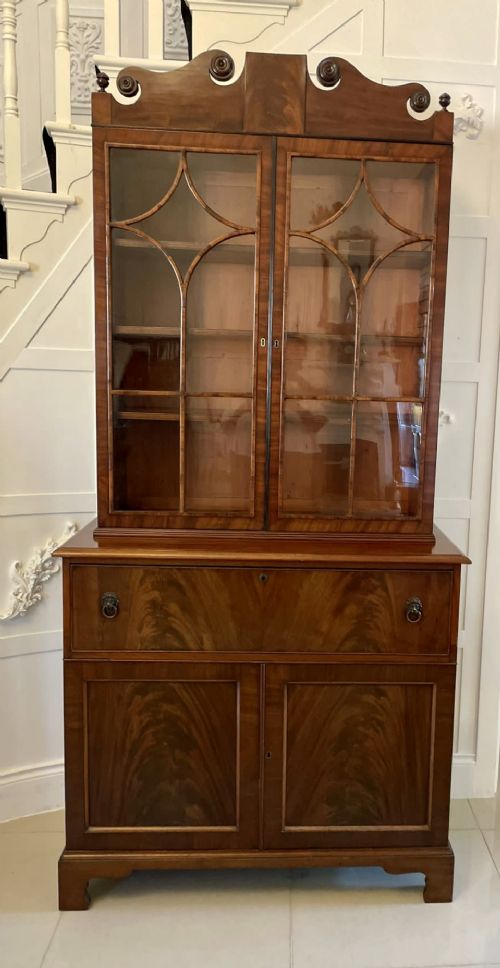
Edwardian Astragal Glaze Bookcase
An edwardian astragal glaze bookcase brings refined timber frames and delicate geometric glass divisions together to showcase a collection.
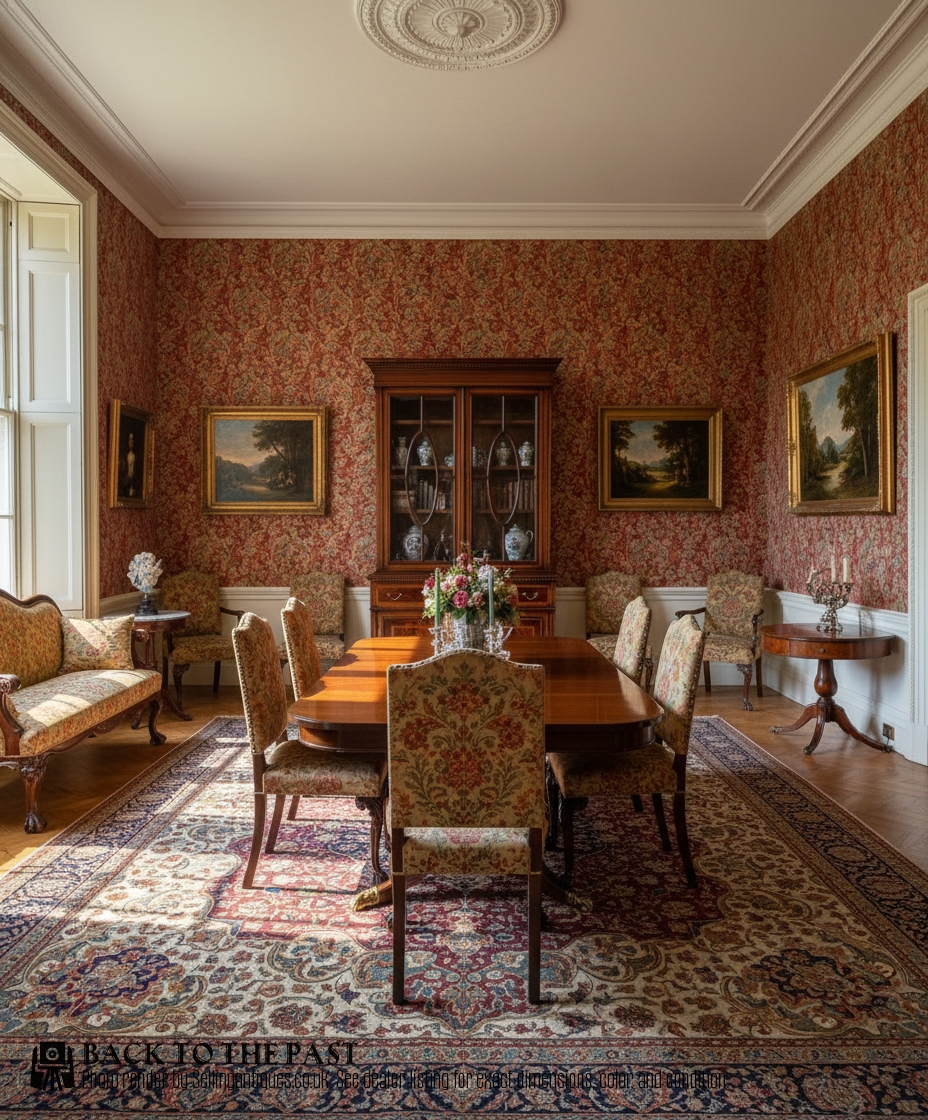
Edwardian Astragal Glaze Bookcase
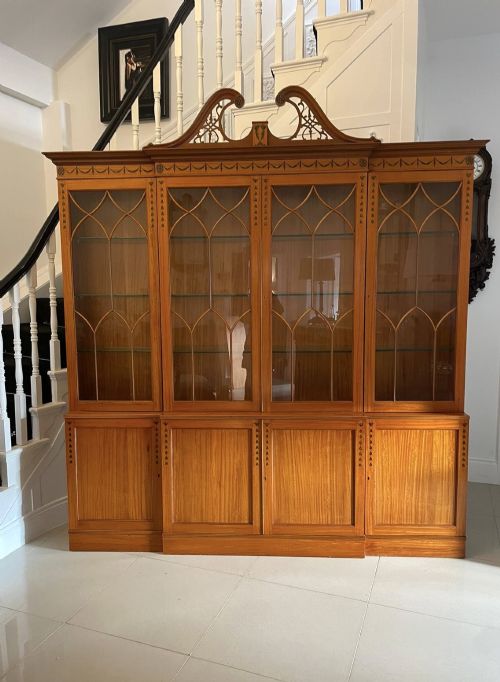
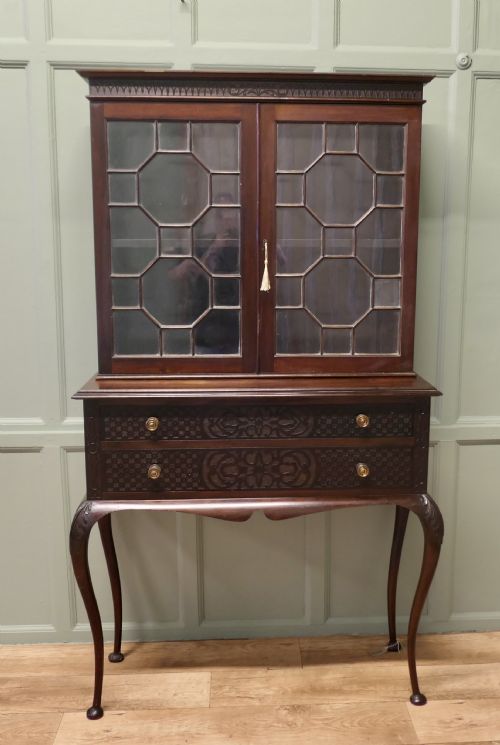
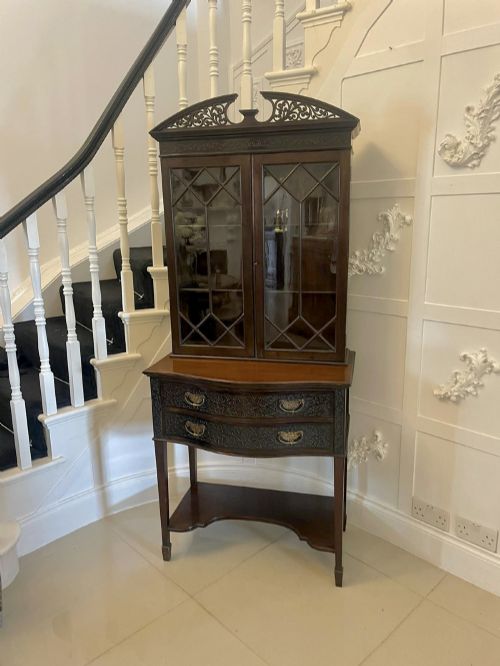
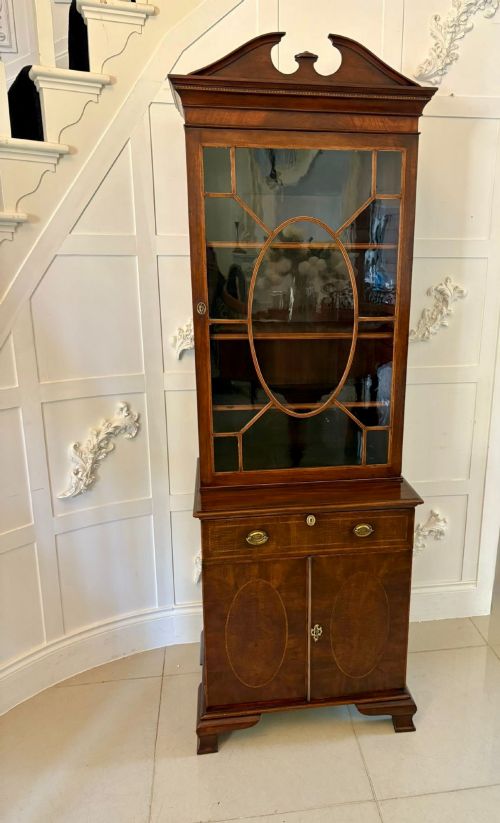
An edwardian astragal glaze bookcase combines practical shelving with glazed display doors divided by fine wooden mouldings.
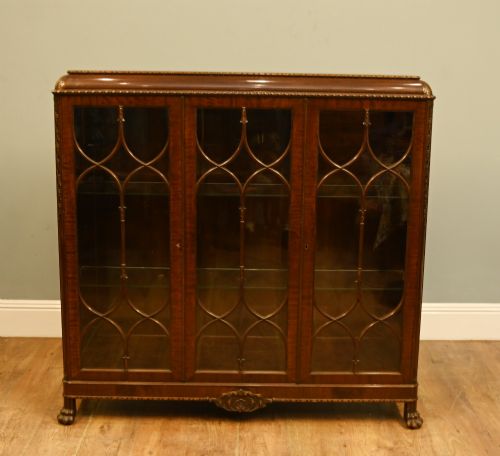
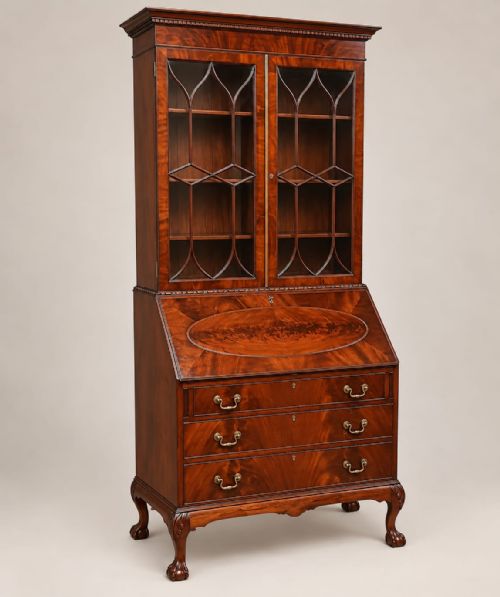
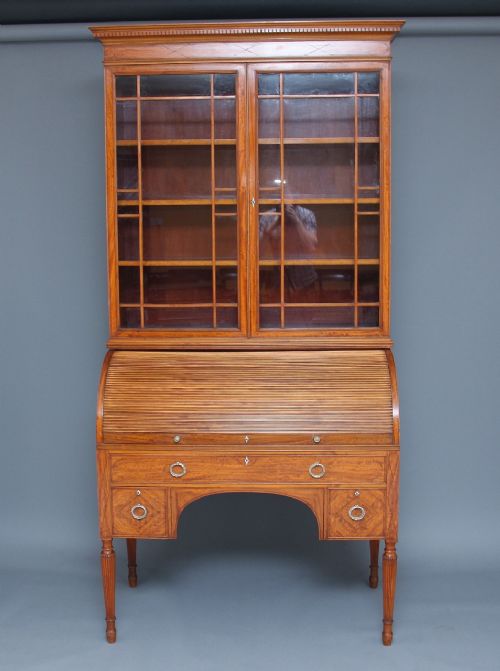
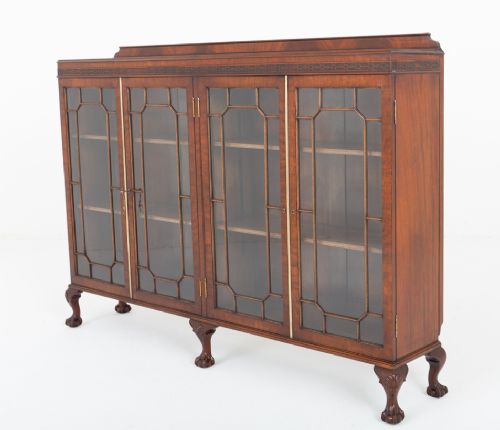
Most examples found on this page date from the Edwardian period or around nineteen hundred, frequently taking the form of tall upright cabinets, breakfront units, or bureau bookcases.
Cabinet makers of the era often drew on earlier stylistic revivals such as Sheraton, Chippendale, and Georgian designs, applying subtle stringing or marquetry to mahogany and satinwood carcases.
Materials and Construction
Workshops predominantly used solid mahogany and satinwood, occasionally incorporating walnut, burr walnut, or oak for carcases and internal shelving.
Glazing bars, known as astragals, were shaped meticulously from timber to hold individual panes of glass within the door frame.
Brass fittings, fabric linings, and delicate satinwood inlay or painted decoration completed the surfaces.
Listings feature mahogany predominantly, alongside satinwood, walnut, and oak across various revival styles.
Judging Quality
The distinction between standard commercial pieces and finer examples rests on the crispness of the timber carving and the delicacy of the astragal joints.
Proportion and timber selection dictate overall merit, with figured mahogany grains and balanced breakfront shapes commanding greater attention.
Original brass hardware, intact glass panes, and refined interior fittings elevate an individual cabinet above standard utility furniture.
Maple and Co·Wylie and Lochhead·Gillows·Tudor and Burrey
The Edwardian Astragal Glaze Bookcase Glossary
- Astragal
- The moulded timber strip that joins individual panes of glass within a cabinet door. These slender bars form geometric patterns across the front of the bookcase.
- Breakfront
- A cabinet design where the central section projects forward from the flanking wings. This architectural arrangement creates depth and shadow across the facade.
- Bureau Bookcase
- A dual-purpose form combining a sloping writing desk below with a glazed bookcase above. The fall-front flap often conceals pigeonholes and small drawers.
- Marquetry
- Decorative veneer work created by fitting contrasting pieces of wood into a prepared ground. Artisans used this technique to form floral or classical motifs.
- Satinwood
- A lustrous tropical hardwood native to Ceylon and India, prized for its golden colour and smooth grain. It frequently served as a veneer or banding on high-status Edwardian furniture.
Edwardian Astragal Glaze Bookcase: Frequently Asked Questions
How do I use a bureau bookcase?
A bureau bookcase combines a functional writing desk with upper bookshelf storage. Lower drawers provide ample space for paperwork, while the fold-down desk flap offers a firm writing surface.
Internal compartments inside the fall-front keep stationery and documents organised.
Where should I place a display cabinet?
Position these glazed cabinets away from direct sunlight to protect antique timber finishes and book bindings. Placing them in a well-lit study, drawing room, or hallway maximises their decorative impact.
Ensure the floor is level so the large doors hang correctly and close smoothly.
How do I distinguish Edwardian from Georgian styles?
Edwardian furniture often reinterprets earlier Georgian designs but typically exhibits lighter wood tones, machine-sawn internal timbers, and slightly softer inlay work. Genuine eighteenth-century pieces display hand-cut joinery and different secondary woods.
Revival pieces from nineteen hundred balance antique aesthetics with the domestic requirements of the twentieth-century home.