




Edo Period Wood Netsuke
These edo period wood netsuke are small carved toggles used to secure pouches and boxes to traditional kimono sashes, prized for their tactile intimacy and intricate detail.
Edo Period Wood Netsuke
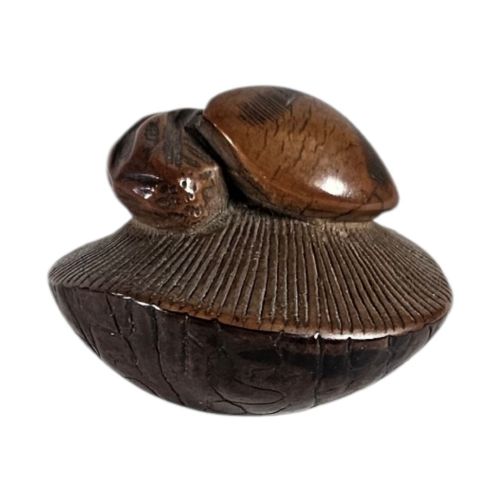
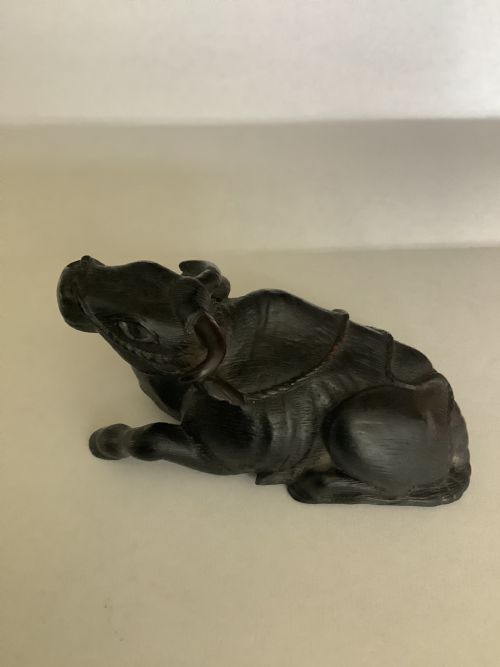
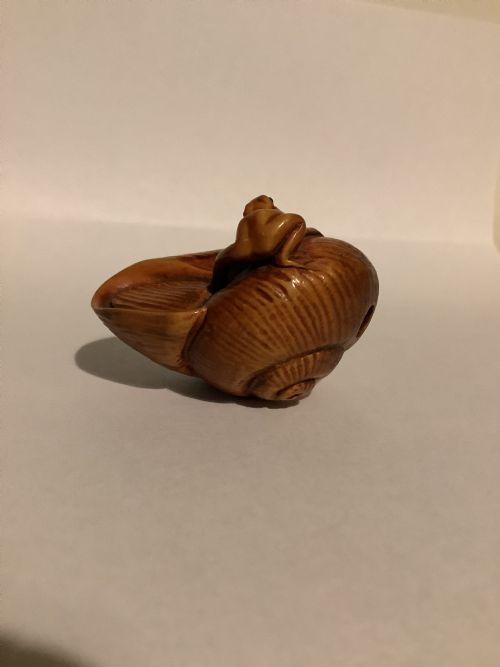
When searching for edo period wood netsuke, collectors encounter miniature carvings primarily dating from the nineteenth century, including the mid century and the year eighteen fifty. The forms span functional toggles depicting frogs, snails, toads, and puppies alongside mask netsuke representing Noh characters such as Tengu and Hannya.
Beyond standard toggles, the selections feature kagamibuta manju styles incorporating champleve cloisonne enamel and copper alloy, tobacco boxes with figural pipe holders, and sagemono coin or tobacco purses paired with wooden mask netsuke. These miniature sculptures function simultaneously as practical kimono accessories and expressive works of Japanese traditional art.
What varies in quality
Quality rests upon the depth of the carving and the naturalism achieved in rendering animal fur, human expressions, and organic surfaces like mushrooms or toad skin. Superior pieces display crisp definition in signed signatures and exhibit a smooth, tactile patina developed through historical handling.
The complexity of the subject matter and the inclusion of complementary materials such as champleve enamel or inlaid horn separate standard carvings from exceptional sculptural works. The integration of functional elements like operable hinged compartments or secure cord channels also distinguishes master craftsmanship.
A tiny wooden puppy holding an abalone-shell toy proves that Edo period carvers understood the universal appeal of playful dogs.
Masayuki·Masatomo·Masatada·Hachigyoku
The Edo Period Wood Netsuke Glossary
- Netsuke
- A small carved toggle fastened to the end of a cord to secure a suspended pouch or basket to a kimono sash. These objects evolved from simple practical fasteners into intricate miniature sculptures.
- Kagamibuta
- A round, bowl-shaped netsuke featuring a metal disc fitted into the top like a mirror cover. They frequently combine wood bodies with copper alloy and cloisonne enamel details.
- Manju
- A flat, circular netsuke shaped like a traditional steamed bun. They are often carved on the surface or constructed as kagamibuta variants.
- Sashi
- A long, slender form of netsuke designed to slip directly behind the obi sash rather than toggle beneath it. These elongated pieces often secure pipe cases and tobacco holders.
- Sagemono
- A general term for hanging containers suspended from the obi by cords and netsuke. They include tobacco pouches, medicine boxes, and coin purses.
Edo Period Wood Netsuke: Frequently Asked Questions
What is an edo period wood netsuke?
These items are small carved wooden toggles created during the Edo and Meiji periods in Japan. They served the practical purpose of anchoring hanging pouches and tobacco containers to kimono sashes.
Carvers shaped boxwood and other timbers into animals, masks, and human figures designed to be handled and admired. Each piece combines utility with miniature sculptural art.
How do you wear a netsuke?
A cord connects the netsuke to a sagemono pouch or pipe case, passing behind the woven fabric of the kimono sash. The toggle rests securely over the top edge of the obi to prevent the suspended item from falling.
The user slips the carved wooden toggle under the sash while the attached pouch hangs freely below. Sashi variants slide vertically behind the fabric instead of resting horizontally.
Are these pieces signed?
Certain examples bear artist signatures carved directly into the timber surface. These signatures frequently appear alongside specific subject matter such as animal studies or Noh masks.
Unsigned pieces remain common and were produced in large numbers by skilled anonymous carvers. Presence of a signature adds notable interest for collectors tracking nineteenth century carvers.
How do you care for wooden netsuke?
Boxwood and carved timber require stable environmental conditions away from direct sunlight and extreme humidity fluctuations. Gentle handling allows the natural oils from human hands to maintain the historic patina.
Avoid using liquid cleaners or polishes on antique wood surfaces. Soft brushing removes dust safely from recessed carved details.