






Edo Period Metalwork
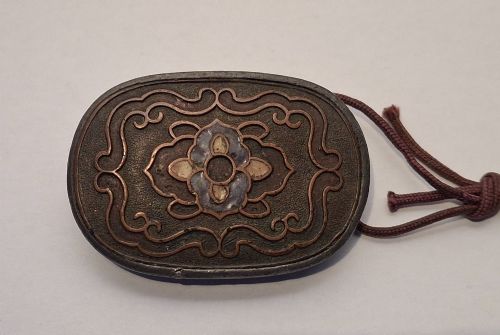
These pieces of edo period metalwork bring together intricate bronze, iron and enamel craftsmanship from historical Japan.
Edo Period Metalwork
When you search for edo period metalwork, you encounter functional and decorative objects created in Japan across the eighteenth and nineteenth centuries, including the Victorian and Georgian periods noted in records.
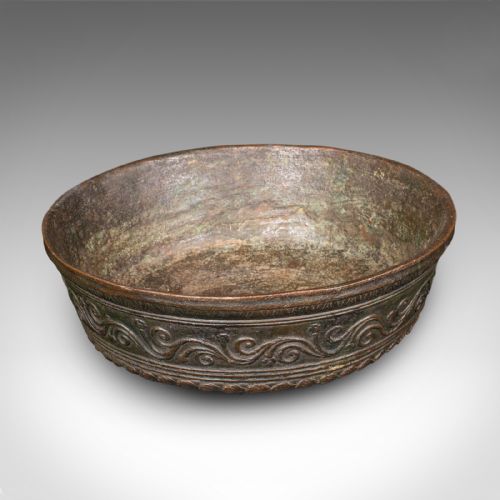
The selections on this page concentrate on bronze bowls, chargers, tsuba sword guards and cloisonne enamel vessels, reflecting traditional Japanese artistry.
These items range from iron tsuba guards with copper inlay to large palace vases adorned with phoenix motifs.
Materials and construction
Metalworkers utilised bronze, copper, iron, brass and silver, frequently applying gold and silver inlays to create surface contrast.
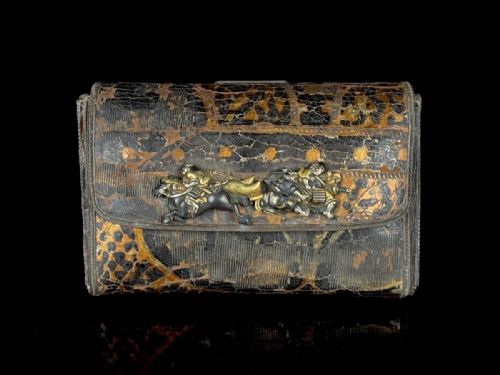
Enamel work appears on cloisonne chargers and lidded bowls, while leather is utilised for detailed tobacco pouches.
Listings feature bronze, copper, enamel, brass, silver, iron, leather and gold across the eighteenth and nineteenth centuries.
Assessing quality
Quality rests upon the precision of the metal inlay, the depth of the high relief, and the control of enamel work across chargers and vases.
Heavier bronze castings and finer detailing on sword guards distinguish higher quality examples within the range.
The Edo Period Metalwork Glossary
- Cloisonne
- An enamel technique where thin wire partitions are applied to a metal base to form cells before filling with enamel paste. This method creates detailed pictorial surfaces.
- Jardiniere
- A large decorative pot or planter used for displaying plants or flowers. In these listings, they appear as heavy bronze vessels.
- Suiban
- A shallow basin or tray used for traditional Japanese flower arrangements. These waterproof vessels hold water for display displays.
Edo Period Metalwork: Frequently Asked Questions
What is a tsuba guard?
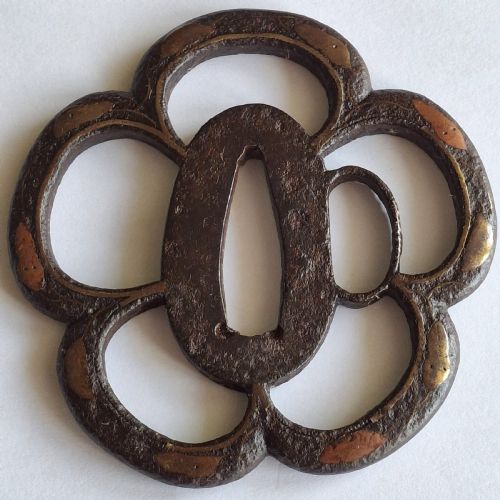
A tsuba is a sword guard designed to protect the hand on a traditional Japanese sword. They are typically made from iron or bronze and often feature intricate metalwork and inlays.
Collectors prize these guards for their miniature artistry and the variety of motifs, including dragons and herons, worked in high relief.
How were cloisonne palace vases used?
Cloisonne palace vases served as grand decorative objects within interiors, often produced in large scales such as ninety-one centimetres. Their vibrant enamel surfaces displayed auspicious symbols like the ho-o bird.
These heavy vessels demonstrate advanced technical skill in wirework and enamel firing during the nineteenth century.
What materials are common in these pieces?
Bronze, iron, copper, brass and silver form the primary structural metals for these Japanese works. Artisans also employed enamel and leather for specific items like tobacco pouches and chargers.
Inlays of gold and silver frequently highlight the surface details of iron and bronze objects.
How do you date these metalwork pieces?
Dating relies on stylistic markers, manufacturing techniques, and documentation that spans the eighteenth and nineteenth centuries. References to periods such as the Edo era help establish chronological context.
Variations in enamel composition and metal patination further assist in determining the age of individual items.