




Vintage Bronze Planter
These vintage bronze planter designs bring architectural weight and rich patination to interior planting, offering lasting durability and historic character.
Vintage Bronze Planter
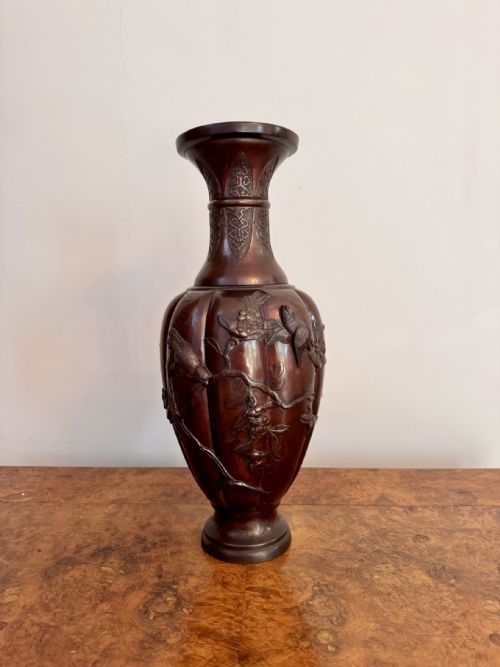
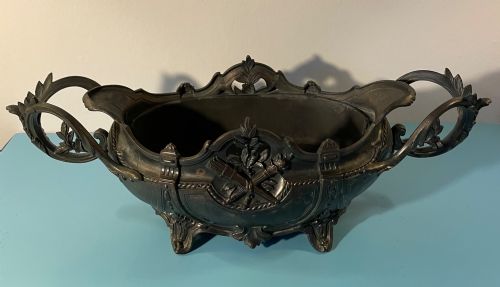
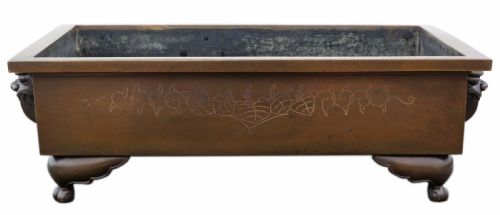
When you search for a vintage bronze planter, you are looking at heavy metal vessels designed to hold potted plants or function as decorative jardinières. The selection ranges from nineteenth-century European revival pieces to Asian decorative bowls and Japanese vases.
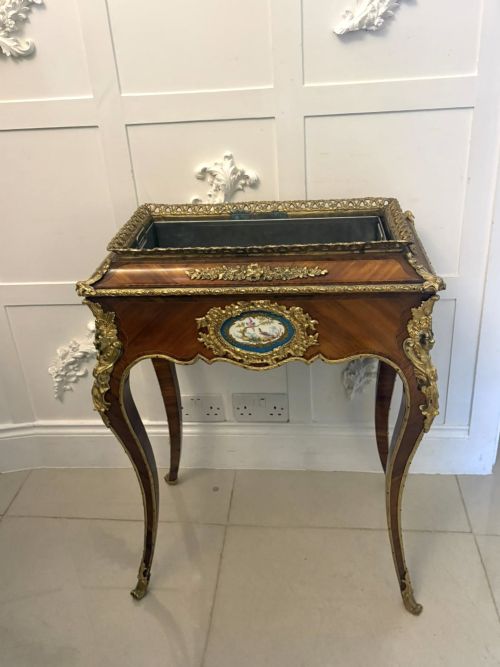
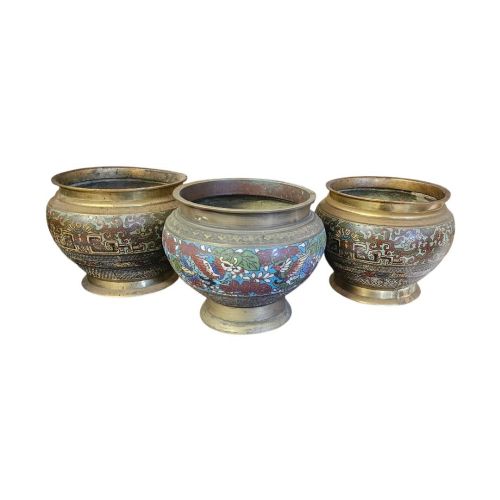
You are most likely to meet French Louis XV style planters with ormolu mounts alongside substantial Oriental jardinières featuring champlevé and cloisonné enamel. These pieces serve as focal points in reception rooms and hallways, bridging horticultural display and decorative metalwork.
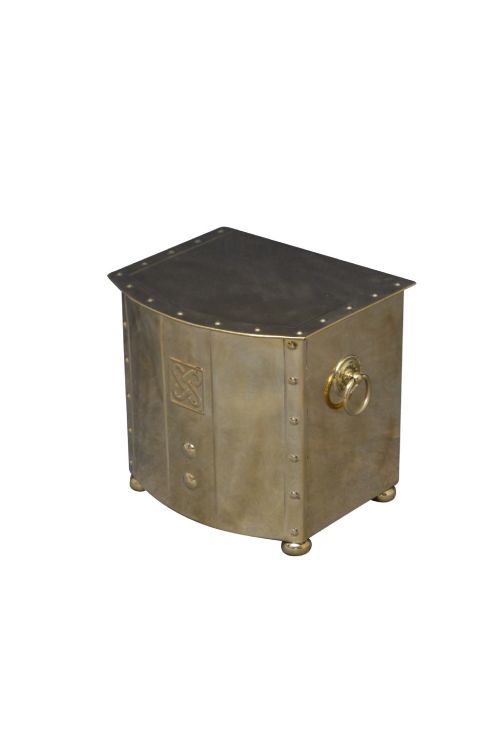
The category spans multiple eras including the Victorian period, the Arts and Crafts movement, and the Art Deco years. Forms vary from low bowls and traditional jardinières to coal bins and log stores adapted for botanical use.
How they were made
The primary construction relies on cast metal, with bronze and brass forming the structural body of the vessels. Artisans utilised techniques such as lost-wax casting to create complex forms, adding applied ornamentation including ormolu mounts and satinwood or kingwood veneers.
Surface decoration frequently incorporates cloisonné and champlevé enamel work, fusing vitreous glass pastes into metal compartments or recesses. These decorative layers are polished down to create smooth, colourful geometric or floral motifs across the exterior.
Some heavy botanical bowls double happily as log buckets when winter arrives.
What varies in quality
The standard of a vintage bronze planter is determined by the crispness of the casting and the depth of the metalwork. Superior examples display sharply defined relief decoration and secure, well-fitted mounts rather than soft edges or crude joins.
In enamelled pieces, the finesse of the wirework and the richness of the colour palette separate standard production from exceptional artistry. The weight of the metal and the integrity of internal liners also indicate the maker's original investment in materials.
The Vintage Bronze Planter Glossary
- Jardinière
- An ornamental pot or stand for holding plants or flowers. These vessels often sit on dedicated feet or pedestals.
- Ormolu
- Gilded bronze used as a decorative mount on furniture and decorative objects. This technique involves applying a gold amalgam to bronze.
- Cloisonné
- An enamelling technique where metal wire is soldered to the base to create cells for paste. These filled areas are subsequently fired and polished.
- Champlevé
- An enamelling method where troughs or cells are carved directly into the metal surface to hold the coloured enamel. The entire piece is then fired and smoothed.
- Suiban
- A shallow Japanese basin used for displaying arrangements of cut branches or stones in water. They share similar forms with conventional plant bowls.
Vintage Bronze Planter: Frequently Asked Questions
How do I clean a bronze planter?
Dust the surface regularly with a soft, dry cloth to prevent the accumulation of dirt in recessed details. Avoid harsh chemical cleaners or abrasive polishes that can strip the historic patination from the metal.
If the piece has enamel sections, take care to keep moisture away from any exposed metal seams. Gentle cleaning preserves the natural oxidation that develops over decades.
Can I plant directly into them?
Many historical vessels lack drainage holes, meaning direct planting can trap moisture and accelerate internal corrosion. Using a separate plastic or ceramic inner pot protects the metal body from damp soil.
Lifting the inner pot out for watering also prevents standing water from damaging the base of the vessel. This method keeps both the plant and the antique container in stable condition.
How do I date a bronze planter?
Dating relies on identifying stylistic markers such as French Revival scrolls, Arts and Crafts simplicity, or Art Deco geometry. Construction methods, including the type of casting seams and fixings, also provide chronological clues.
Comparing the decorative motifs against documented periods like the Meiji era or the late Qing dynasty helps narrow the manufacturing window.