









Edo Meiji Ceramics
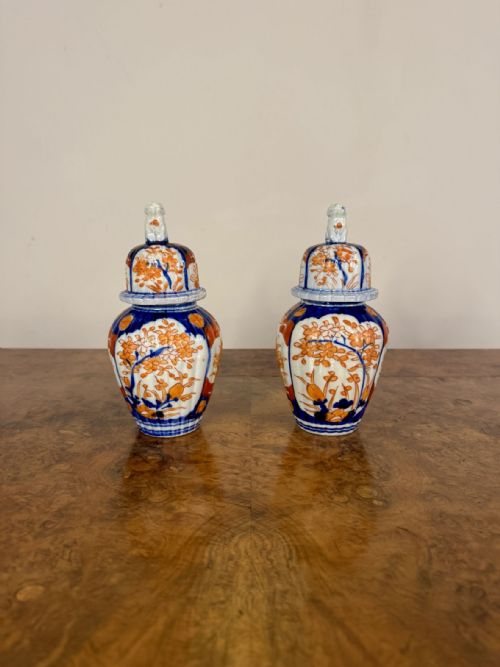
These edo meiji ceramics bring intricate hand-painted palettes and varied sculptural forms from nineteenth-century Japan into modern display.
Edo Meiji Ceramics
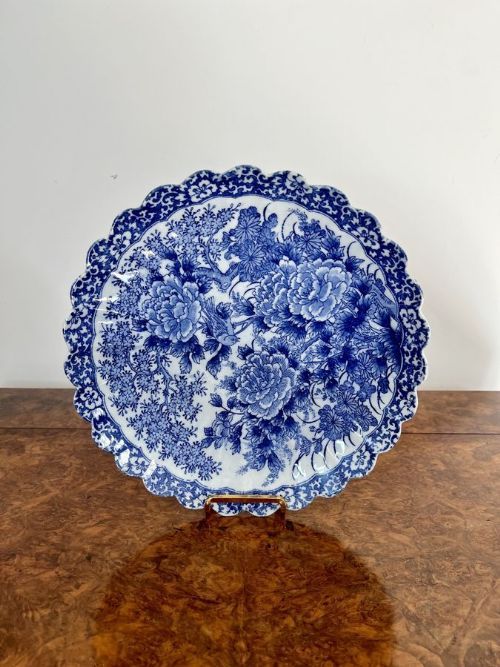
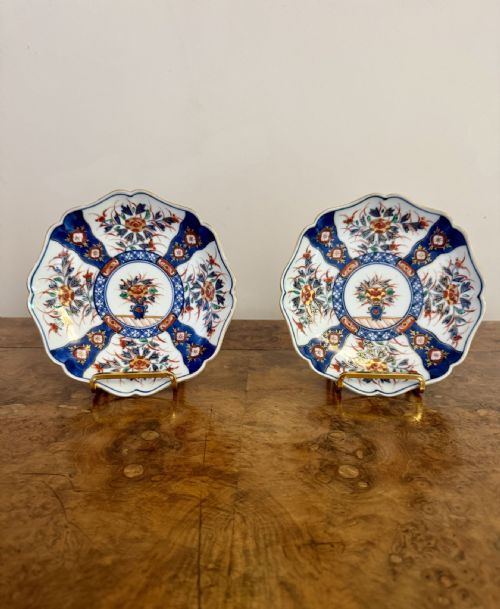
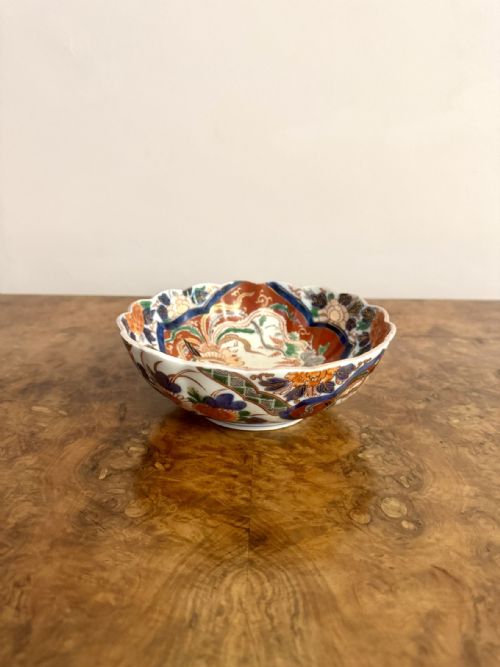
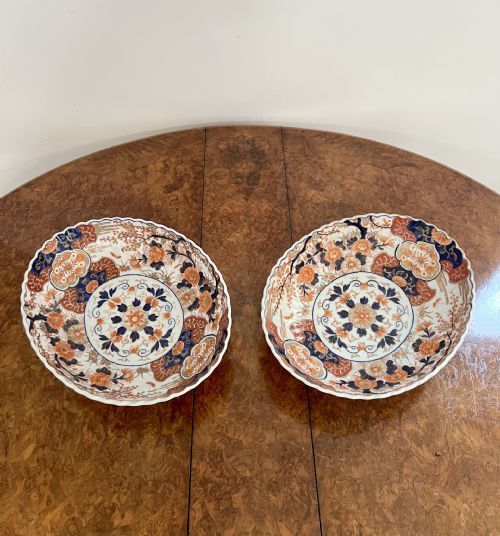
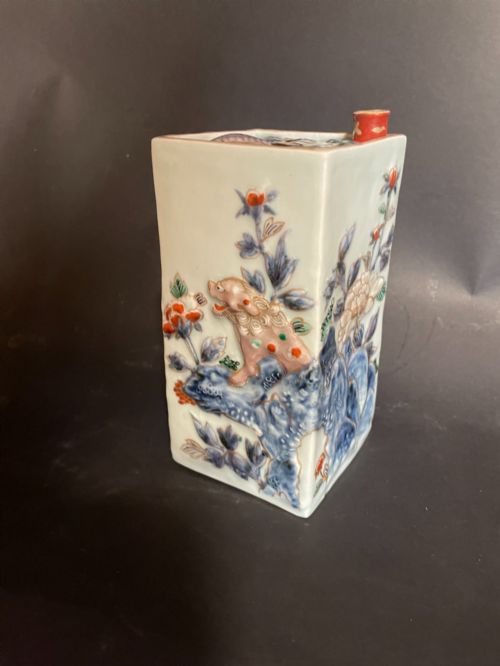
When buyers search for edo meiji ceramics, they encounter decorative plates, chargers, vases, and bowls spanning several centuries of Japanese kiln production. The pieces most commonly met on this page date from the nineteenth century and the early twentieth century, showing distinct influence from traditional styles.
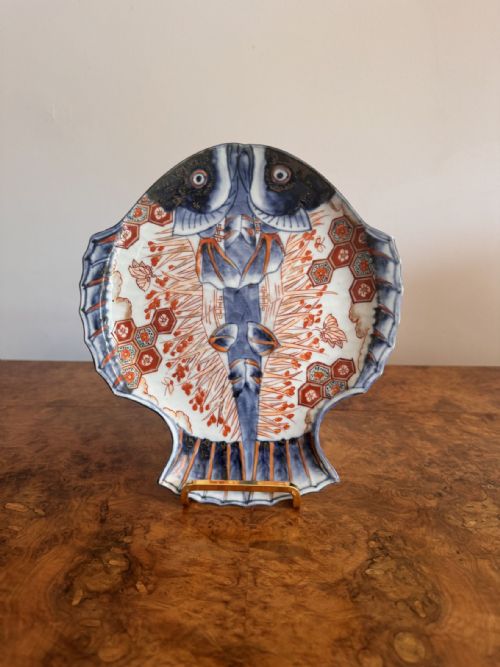
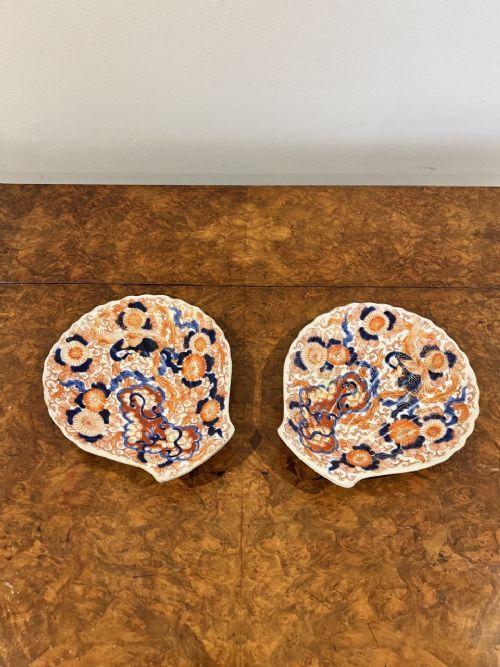
The assortment includes domestic vessels and decorative forms shaped as leaves, fish, and shells alongside standard hexagonal and scalloped edges. Pieces range from large garnitures of vases to single bowls, dishes, and specialised items such as inkwells and tokuri flasks.
Works appear under specific regional and stylistic umbrellas, predominantly Japanese Imari and Arita productions. These items showcase the transition of techniques across the Edo and Meiji periods through painted surfaces and glazed bodies.
Materials and Techniques
Potters shaped ceramic and porcelain bodies by hand or on the wheel before applying underglaze pigments. Cobalt underglaze provided deep blue foundations on many vessels, while subsequent layers of enamel added contrasting hues.
Details often incorporated gold leaf and gilt work to highlight painted motifs and rim borders. Kiln operators fired these pieces to vitrify the glaze, sealing the intricate brushwork beneath protective glass surfaces.
Edo Meiji Ceramics Retail Price Guide 2026
Typical asking prices for edo meiji ceramics among the pieces listed under this phrase on Sellingantiques today, from the lower quarter to the upper quarter. They describe what is for sale here now, not the wider market.
Current listings feature porcelain and ceramic bodies decorated with enamel, gold leaf, and cobalt underglaze across Imari and Arita styles.
Judging Quality
Execution of hand-painted detail separates standard vessels from finer examples. Precision in brushwork, particularly within complex Imari panels and floral motifs, marks superior output.
Form complexity also dictates distinction, as vessels shaped into leaves, fish, shells, or distinct polygons require advanced moulding and trimming skill. Consistency in glaze vitrification and the crispness of cobalt underglaze further define the tier of a piece.
The Edo Meiji Ceramics Glossary
- Imari
- A style of Japanese porcelain originating from the port of Arita, traditionally decorated in underglaze blue, iron red, and gold. This palette dominated export wares during the Edo period.
- Arita
- The town in Japan central to porcelain production where local kilns fired domestic and export wares. The term identifies pieces originating from this specific ceramic hub.
- Tokuri
- A traditional Japanese bottle typically used for serving sake. These ceramic flasks often feature narrow necks and bulbous bodies.
- Garniture
- A set of matching vases or vessels designed to be displayed together on a mantelpiece or sideboard. These sets frequently comprise three or more pieces.
- Charger
- A large decorative plate or platter intended primarily for display rather than dining use. Chargers often display elaborate central medallions and patterned borders.
Edo Meiji Ceramics: Frequently Asked Questions
How do I identify Edo period ceramics?
Edo period ceramics typically exhibit traditional Japanese motifs, robust porcelain or ceramic bodies, and specific regional styling such as early Arita blue and white designs.
Examination of the glaze, brushwork execution, and form helps align a piece with the production standards of the seventeenth, eighteenth, or early nineteenth centuries.
What is the difference between Imari and Arita wares?
Arita refers to the Japanese production centre where the porcelain clay was mined and fired, encompassing various styles.
Imari is a specific decorative style produced in those same kilns, characterised by vibrant palettes of underglaze blue, iron red, and gilt highlights.
How were these decorative plates displayed historically?
Large chargers and decorative plates were traditionally placed on shelves, hung on walls, or set upon stands in Japanese and Western interiors.
Garnitures of vases were similarly arranged on furniture tops to create symmetrical displays in formal rooms.
Can these antique ceramics be used daily?
Most of these antique pieces function best as display items rather than for active daily dining or utility.
Hand-washing is recommended for preservation, and fragile forms shaped as shells or leaves require careful handling to avoid chipping.