

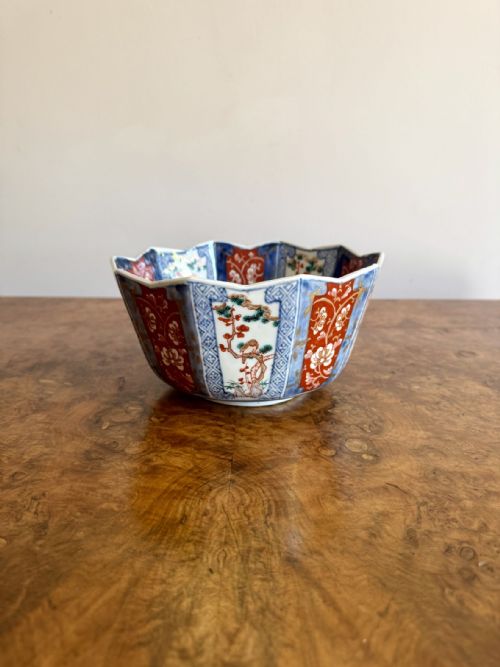
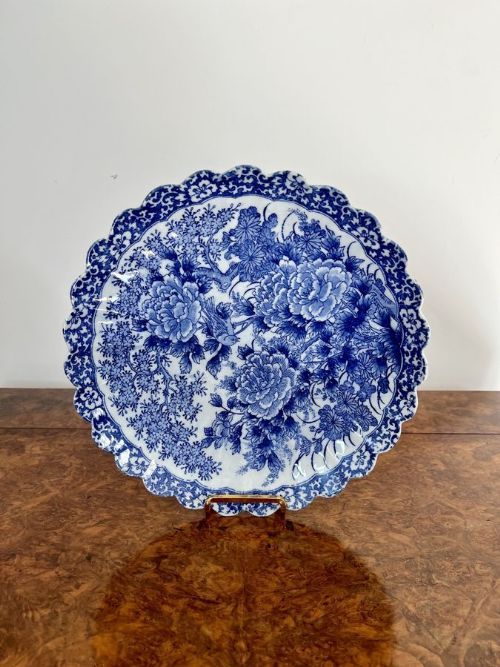

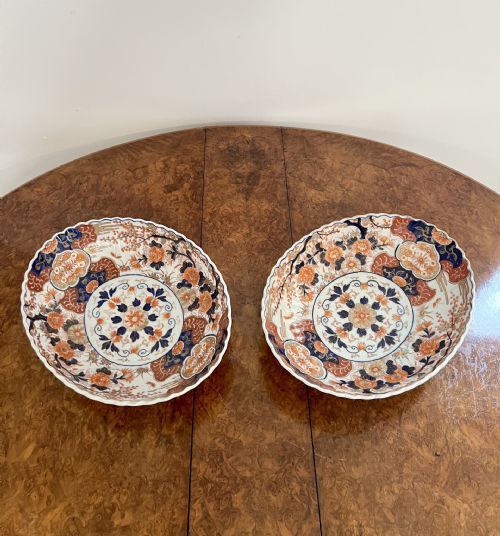


Edo Imari Porcelain Dish
An edo imari porcelain dish brings vibrant Japanese aesthetics to a room, offering intricate patterns and rich colours that collectors prize for display.
Edo Imari Porcelain Dish
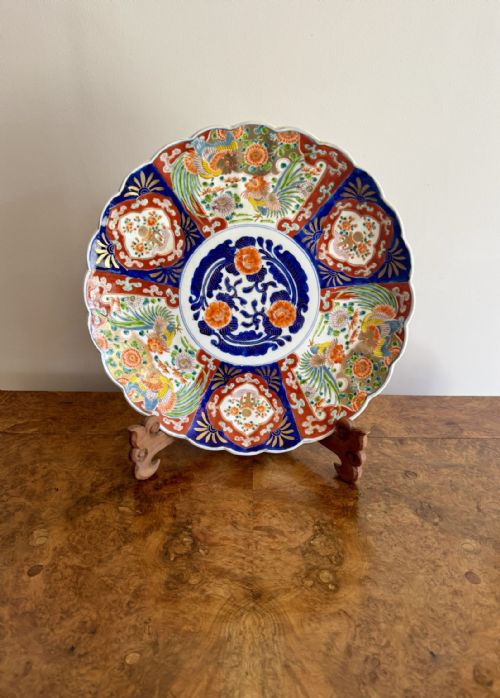
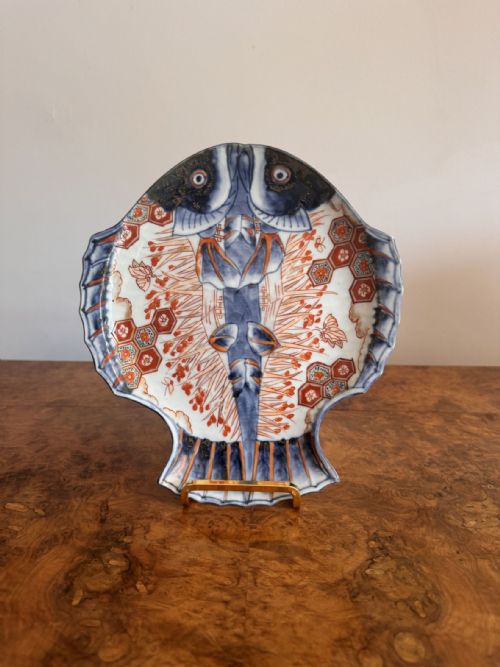
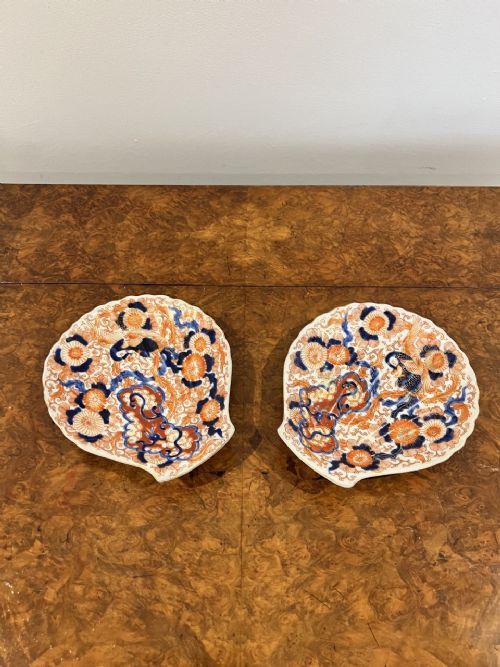
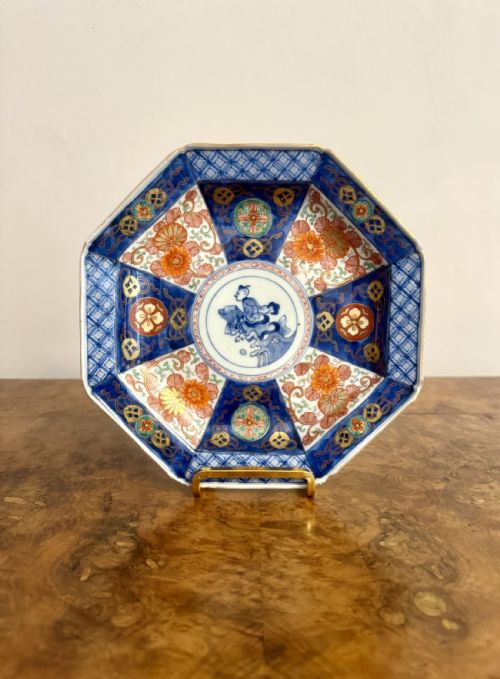
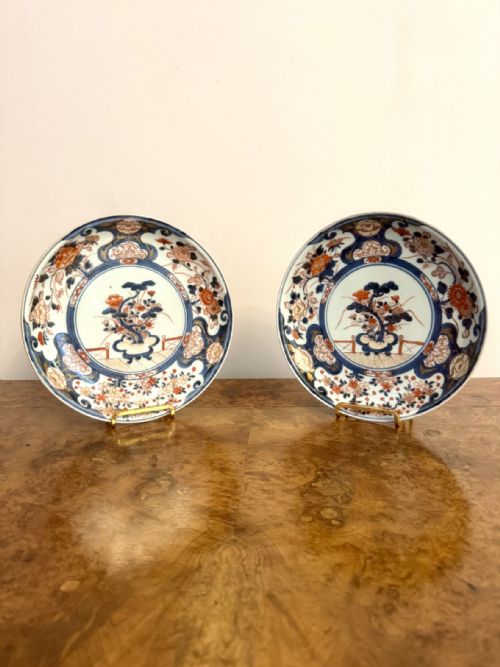
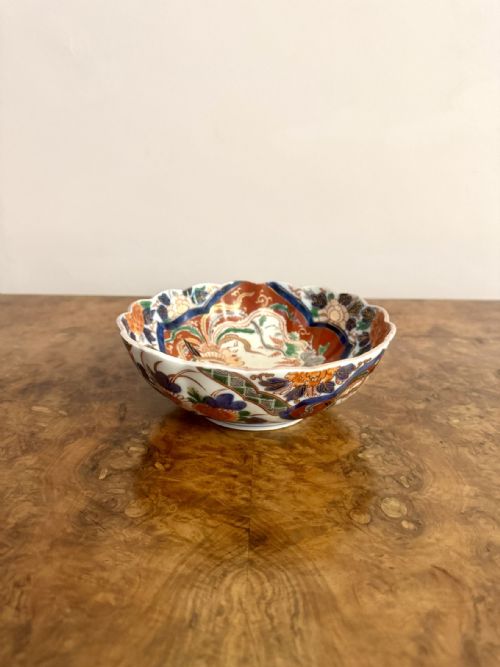
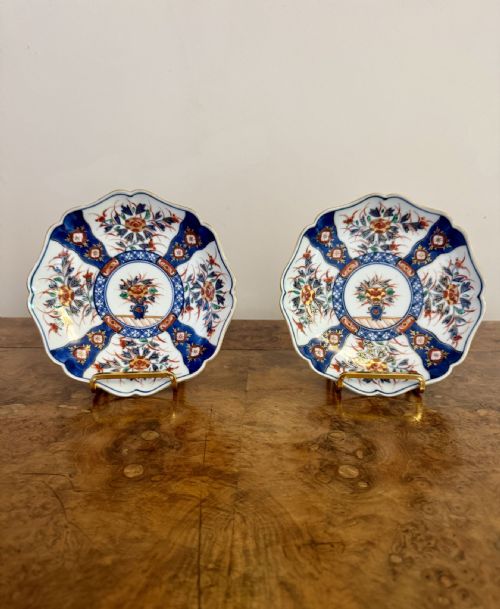
When you search for an edo imari porcelain dish, you enter a tradition of Japanese craftsmanship spanning several centuries. The pieces on this page include plates, bowls, chargers, and dishes shaped like fish, shells, fans, and boats.
Most examples found here date from the nineteenth century or around nineteen hundred, while earlier pieces reach back to the seventeenth and eighteenth centuries during the Edo period. Makers fashioned these ceramics in Japan, particularly in the Arita region, producing both colourful enamelled wares and blue and white designs.
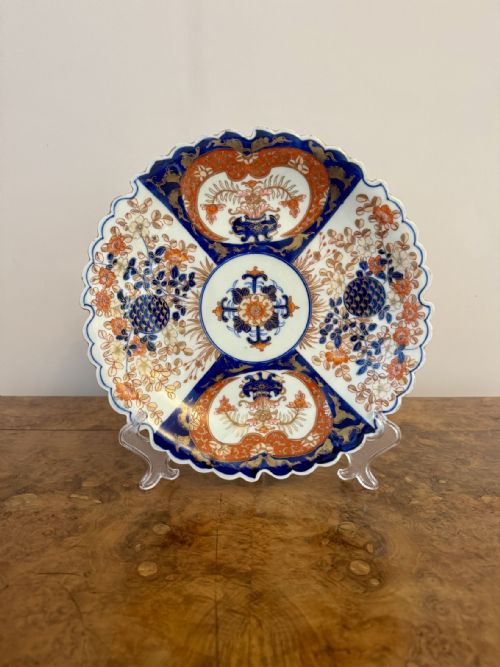
The forms range from standard circular plates to hexagonal, square, and scalloped edges. Buyers encounter single items alongside pairs and larger collections.
What varies in quality
The standard of an edo imari porcelain dish depends largely on the precision of the hand-painted brushwork and the richness of the palette. Pieces featuring detailed enamels, gold leaf, and unusual moulding display superior craftsmanship.
Unusual shapes like fish, fan, and boat forms often separate standard production items from more ambitious works. The crispness of the cobalt underglaze and the application of gilding further distinguish the finer examples in the range.
Listings span periods from the seventeenth century through to nineteen twenty, featuring porcelain, enamel, gold leaf, and cobalt glaze.
The Edo Imari Porcelain Dish Glossary
- Arita
- The Japanese town and surrounding region where the porcelain body and kilns originated. Arita ware forms the backbone of traditional Japanese export ceramics.
- Cobalt Underglaze
- A blue pigment applied to the raw ceramic body before firing and glazing. This technique ensures the colour remains permanent and protected beneath the glassy surface.
- Charger
- A large decorative plate intended for display on a wall or sideboard rather than for dining. These substantial pieces showcase the most ambitious painted scenes.
- Scalloped Edge
- A decorative border shaped into a series of curves resembling a scallop shell. Potters frequently applied this rim treatment to plates and bowls.
Edo Imari Porcelain Dish: Frequently Asked Questions
What is an edo imari porcelain dish?
An edo imari porcelain dish is a ceramic plate or bowl made in Japan during the Edo period or influenced by those traditional styles. They are characterised by hand-painted cobalt blue and often feature additional enamel colours and gold leaf.
Potters created these items in various forms, including standard round plates and shaped dishes like fans and shells.
How were these dishes used?
Historically, many of these ceramics served practical dining and serving functions in Japanese households or for export trade. Over time, chargers and decorative plates were frequently displayed on walls or furniture.
Today, collectors use them primarily for display to add colour and historic character to interior spaces.
How do I date an imari dish?
Dating relies on stylistic clues, materials, and form, ranging from seventeenth-century Arita pieces to nineteenth-century and later interpretations. Earlier pieces often display specific potting characteristics and simpler or more restrained underglaze painting.
Later Victorian-era reproductions and adaptations often exhibit brighter, denser enamel work and different potting weights.
How do I care for antique porcelain?
Antique porcelain requires gentle handling and should be washed by hand in warm water with mild soap when necessary. Avoid harsh scrubbers, dishwashers, and rapid temperature changes to protect the delicate enamel and gold leaf.
Display pieces safely on secure plate stands or wall mounts designed for heavy ceramics.