





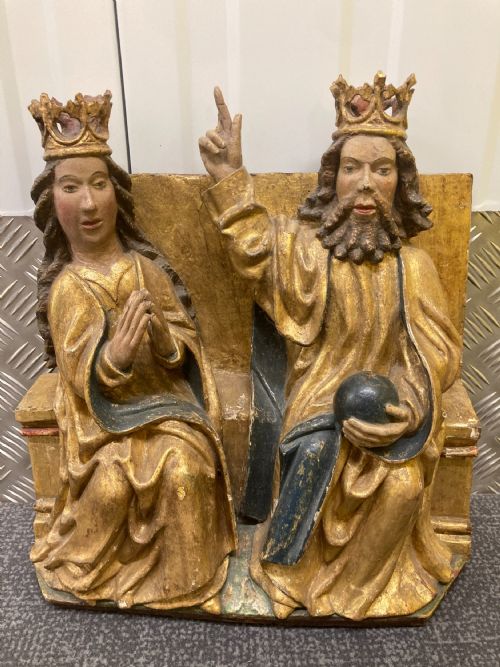


Ecclesiastical Wood Figure
An ecclesiastical wood figure brings centuries of devotion into a room, taking the form of saints, angels and holy figures carved from solid timber.
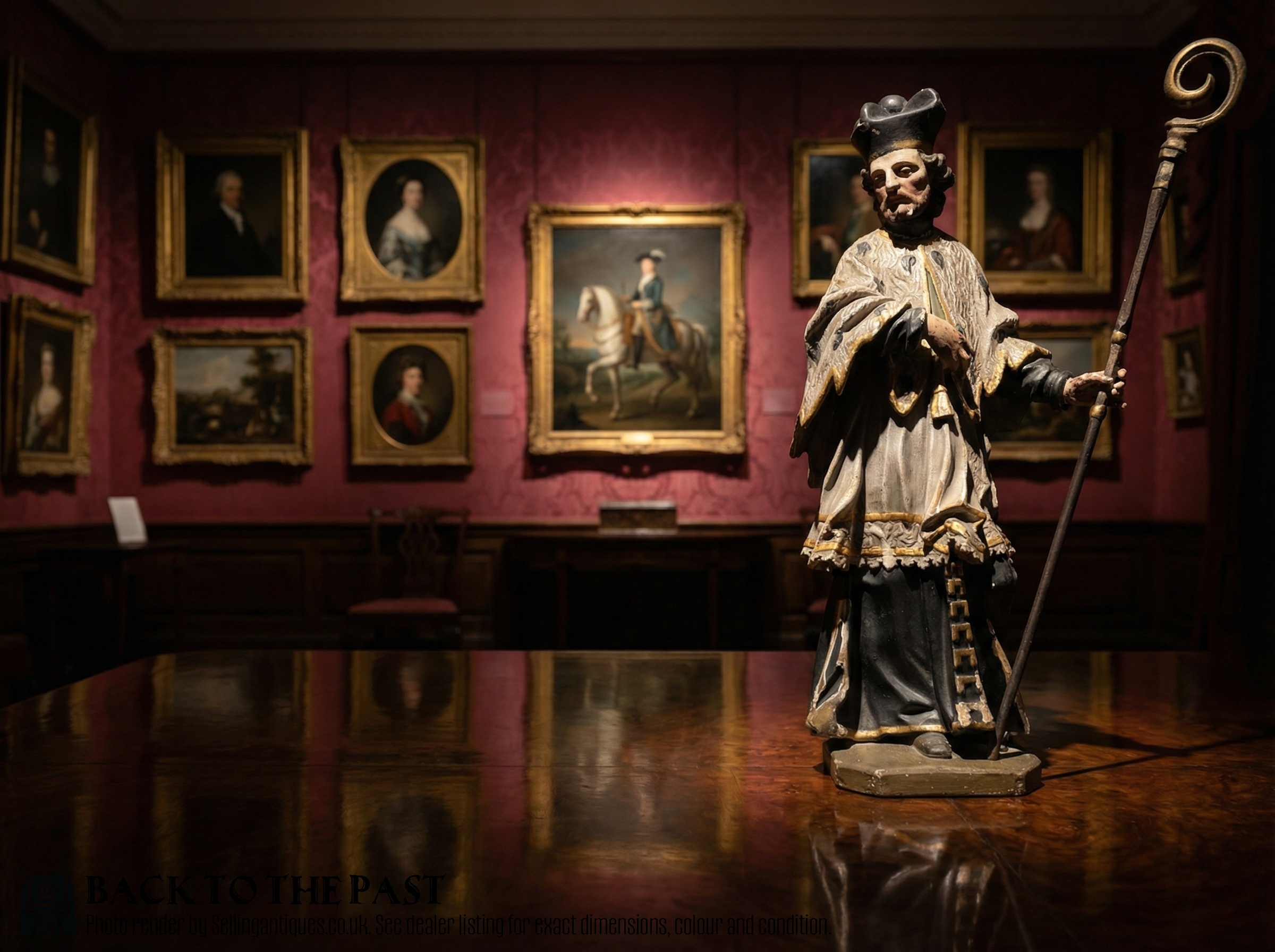
Ecclesiastical Wood Figure
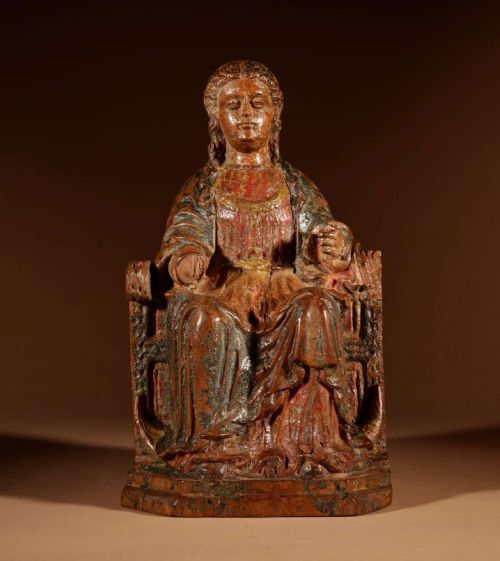
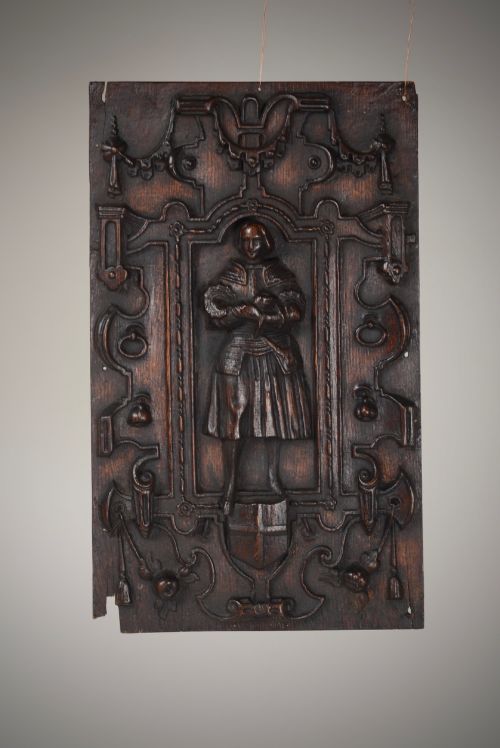
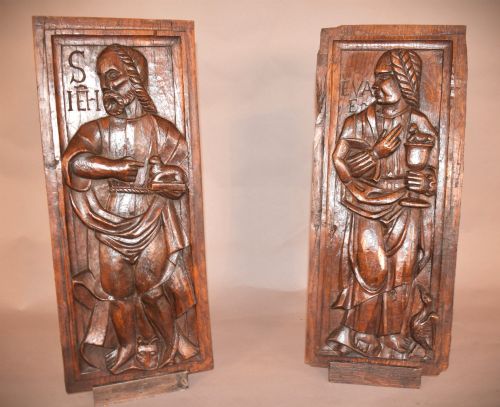
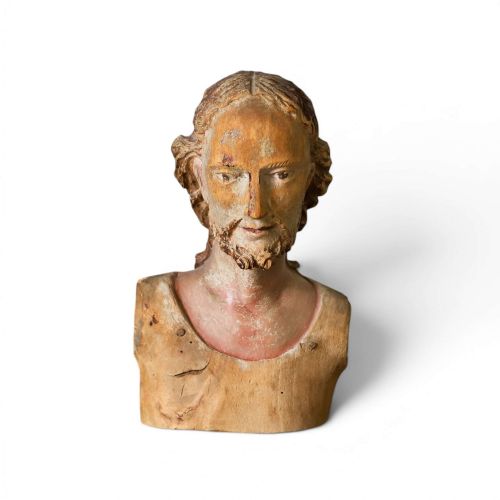
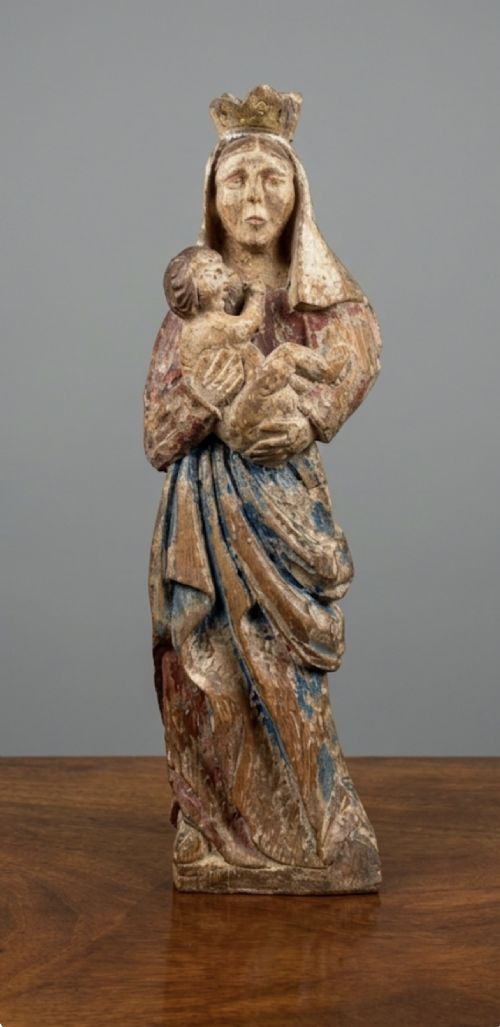
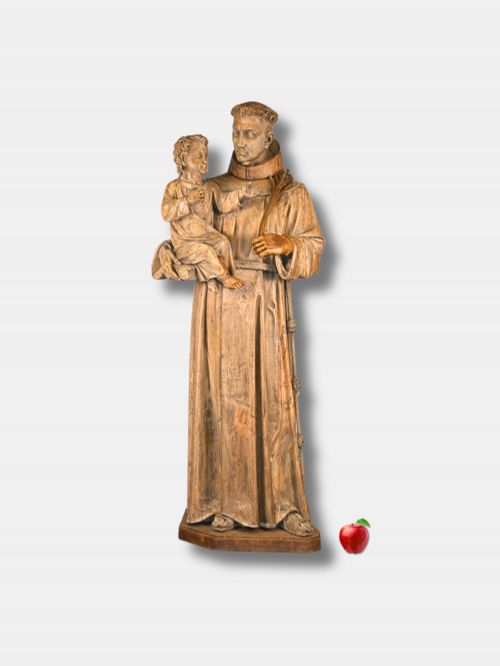
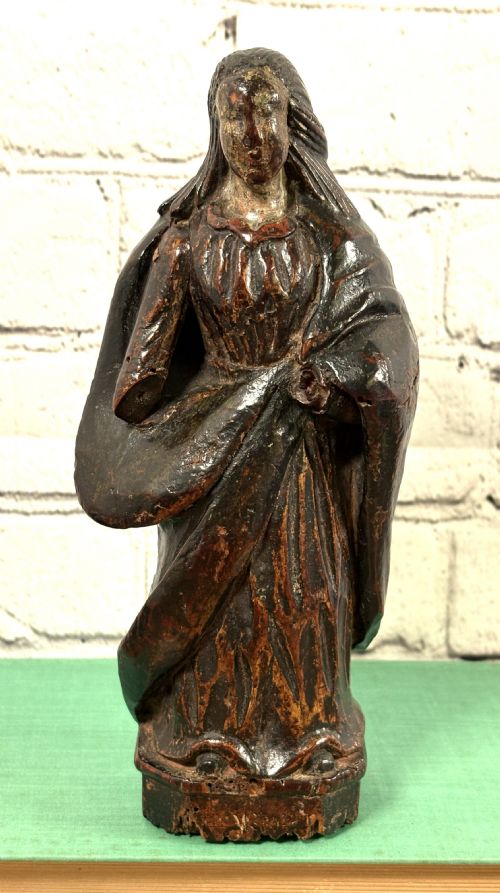
When you search for an ecclesiastical wood figure, you encounter carved representations of saints, biblical figures and angels originating from churches, chapels and private shrines across Europe. These objects range from small devotional panels and single standing statues to life-size processional figures placed on plinths.
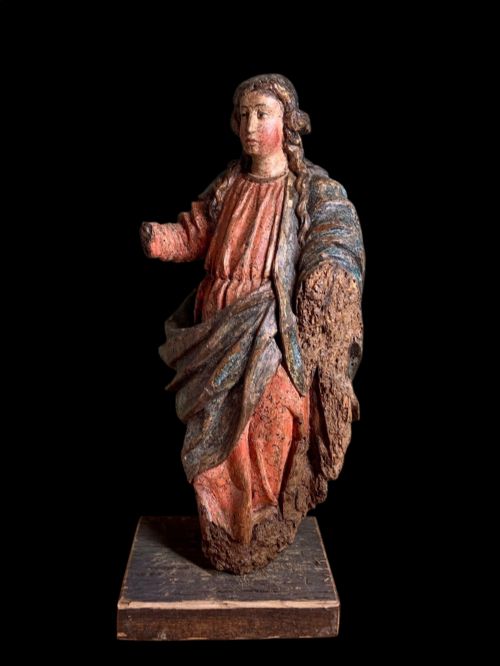
The selections span multiple centuries, with pre-sixteenth century Gothic works and sixteenth-century Renaissance carvings appearing alongside seventeenth-century Baroque examples and later nineteenth-century Gothic Revival pieces. Oak, walnut and olive wood form the structural core of these works, often finished with detailed polychrome paint or layers of gold leaf.
How they were made
Surfaces were frequently prepared with a layer of gesso before receiving polychrome paintwork or gilding with gold leaf. This ground layer smoothed the wood grain and provided a durable base for vibrant pigments and metallic leaf applied by hand.
Listed periods span from pre-sixteenth century Gothic works up to nineteenth-century Gothic Revival pieces.
What varies in quality
Quality rests in the anatomical precision of the carving, the expressiveness in the face of the saint or angel, and the natural flow of the carved drapery. Master carvers achieved depth and movement in solid timber, whereas lesser pieces display stiff postures and rigid, simplified folds.
The survival of original surface decoration determines much of the character in these works. Figures retaining untouched polychrome pigment or original gold leaf hold greater visual integrity than those stripped to bare wood or heavily repainted over subsequent centuries.
The Ecclesiastical Wood Figure Glossary
- Polychrome
- Painted in several colours. This surface treatment was widely applied to wood sculptures to give lifelike hues to flesh, garments and hair.
- Gesso
- A plaster mixture used as a smooth base applied to wood before gilding or painting. It seals the timber and allows fine details to be incised into the surface.
- Corpus Christi
- The body of Christ depicted on the cross. These wooden figures focus on the anatomical details of the crucifixion.
- Giltwood
- Wood that has been decorated with thin sheets of gold leaf. This technique illuminated dark church interiors when caught by candlelight.
- Santos
- A carved figure of a saint used in religious devotions. These wooden statues often stood on dedicated plinths or served in processions.
Ecclesiastical Wood Figure: Frequently Asked Questions
Where did these figures originally stand?
These carved wooden figures originated inside churches, monastic buildings, and domestic chapels. Many served as altarpieces, stood in wall niches, or formed part of larger architectural church furnishings.
Others were created for private devotional shrines within homes or carried through streets during religious processions. Their placement dictated their scale, ranging from intimate tabletop studies to life-size statues.
How should I clean a wooden figure?
Dust these antique carvings gently using a dry, soft-bristled brush or a clean microfiber cloth. Avoid applying water, household cleaning sprays, or oils directly onto the wood or painted surfaces.
Keep the piece away from direct sunlight and sources of artificial heat to prevent the timber from drying out, cracking, or causing the gesso and paint layers to flake.
Why do some figures have painted surfaces?
Painting wood sculptures with gesso and pigments brought a lifelike realism to religious figures in dim church settings. Artisans layered bright colours and gold leaf to signify the spiritual importance of saints and angels.
Over the centuries, many surfaces experienced wear, touch-ups, or complete overpainting during subsequent restorations, reflecting the changing tastes of different eras.
How can I tell the age of the carving?
Dating relies on stylistic markers such as the cut of the garments, facial expressions, and the structural tools visible on the reverse of the wood. Gothic pieces display rigid drapery and elongated forms, while Baroque works feature dynamic movement and deep undercutting.
The choice of timber, tool marks left by hand chisels, and the composition of the underlying gesso also provide reliable clues to the period of origin.