
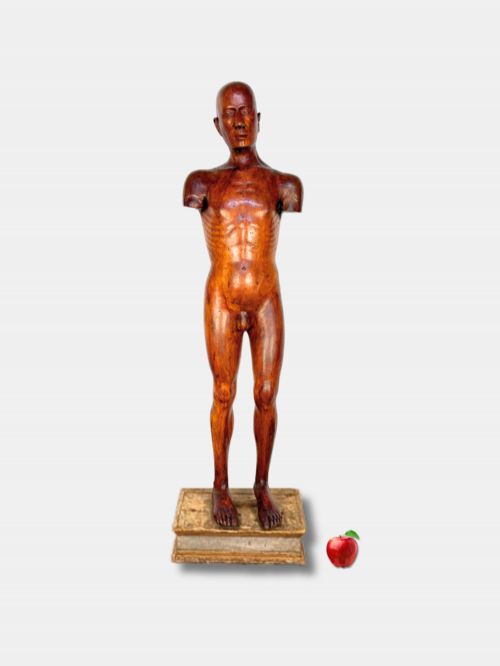
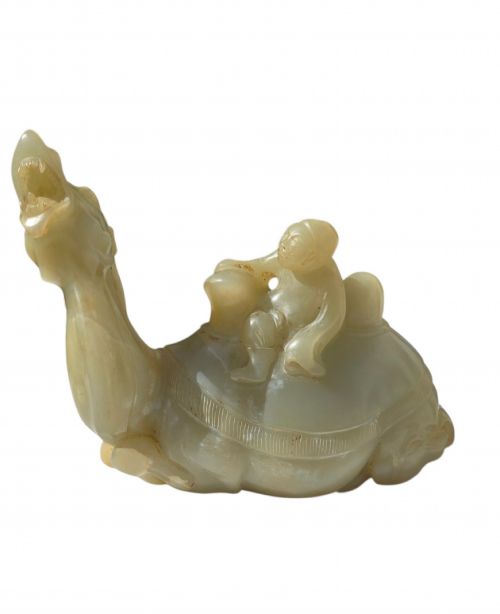


18th Century Statue
An 18th century statue brings tangible historical presence into a room, spanning carved wood saints, porcelain deities and grand tour bronzes.
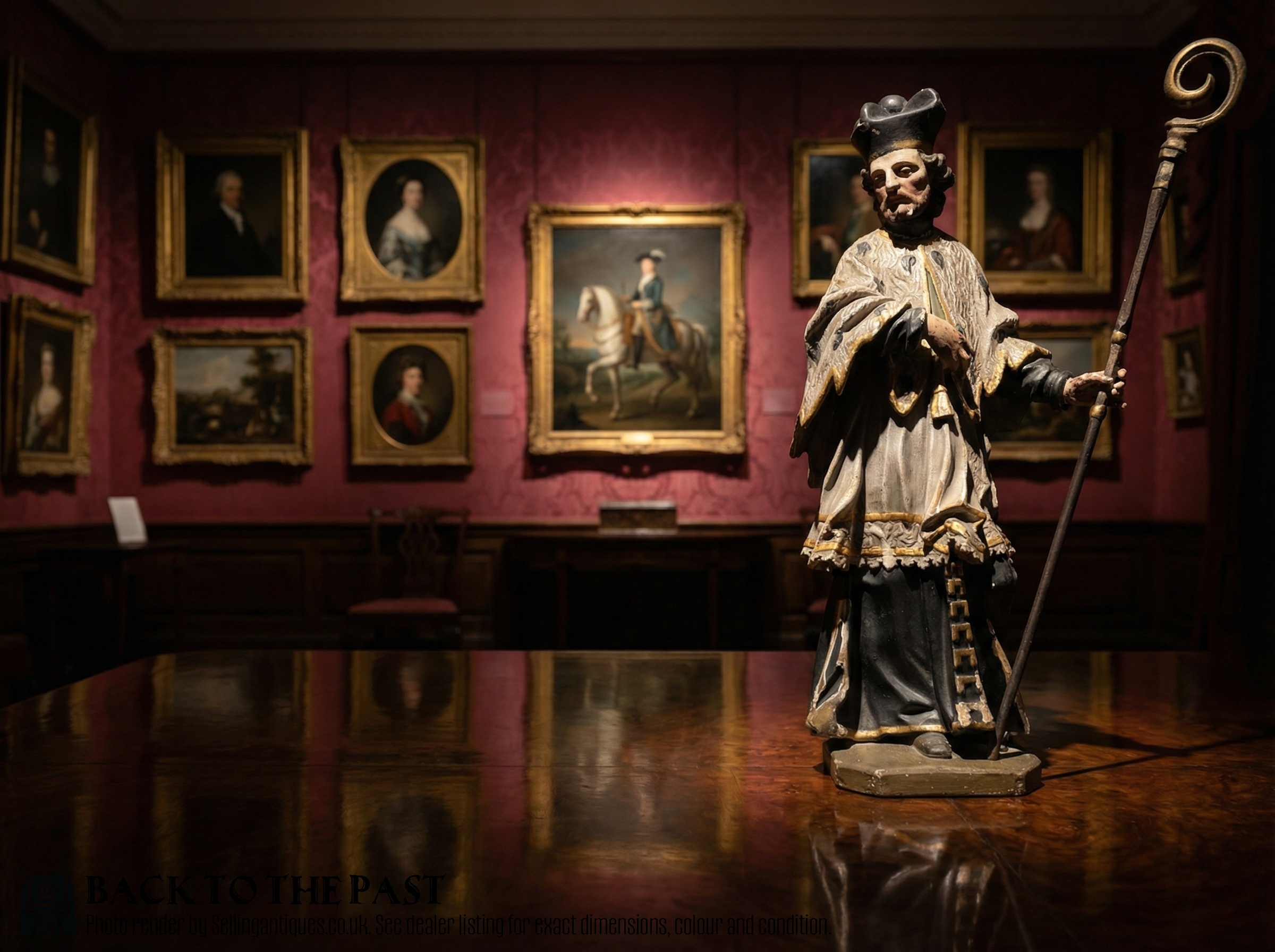
18th Century Statue
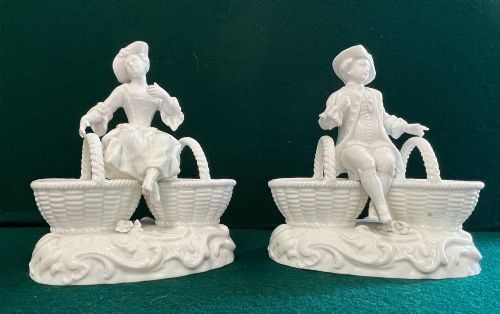
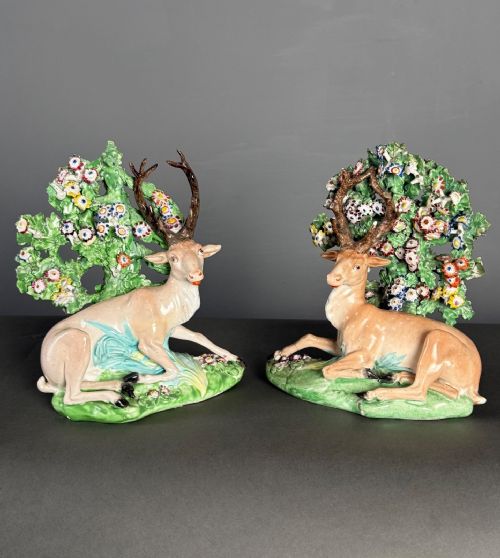
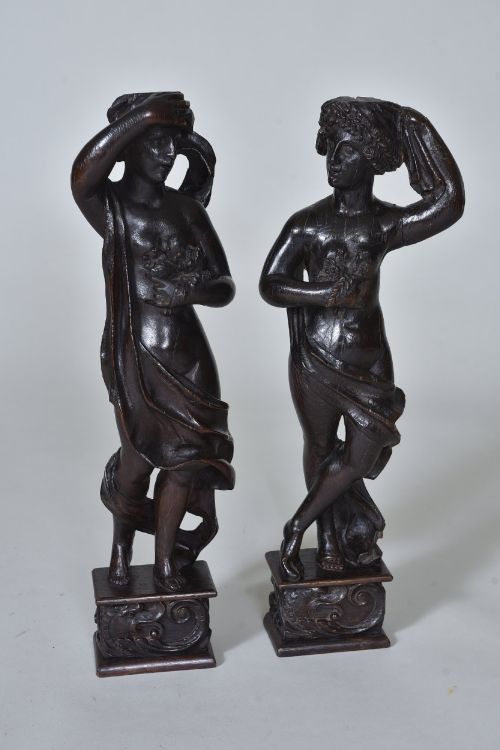
When searching for an 18th century statue, collectors encounter a diverse array of devotional carvings, porcelain figures and classical bronze casts from across Europe and Asia. The majority of pieces appearing here are carved oak, lime wood or pine religious sculptures originating from continental workshops, alongside soft-paste porcelain figurines from factories such as Meissen, Derby and Bow.
The material palette ranges from polychrome painted timber and gilt bronze ormolu to white marble and serpentine stone. Formats vary from small table-top figures and grand tour statuettes to life-size ecclesiastical saints and architectural putti finials.
Materials and construction techniques
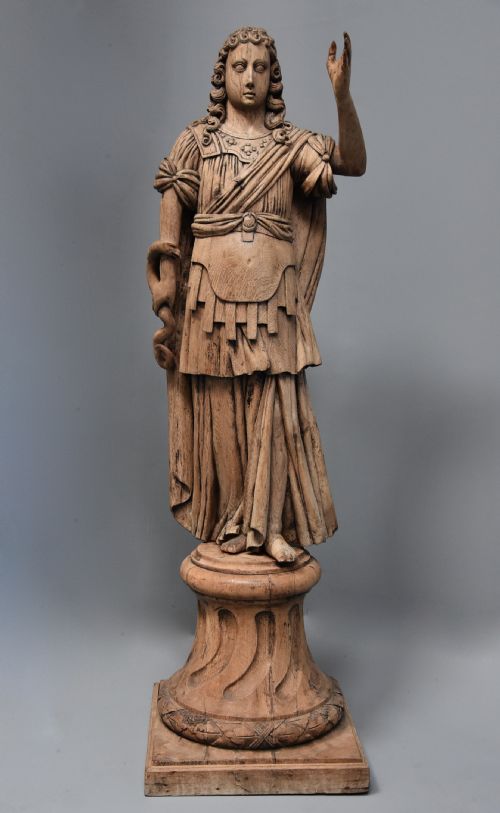
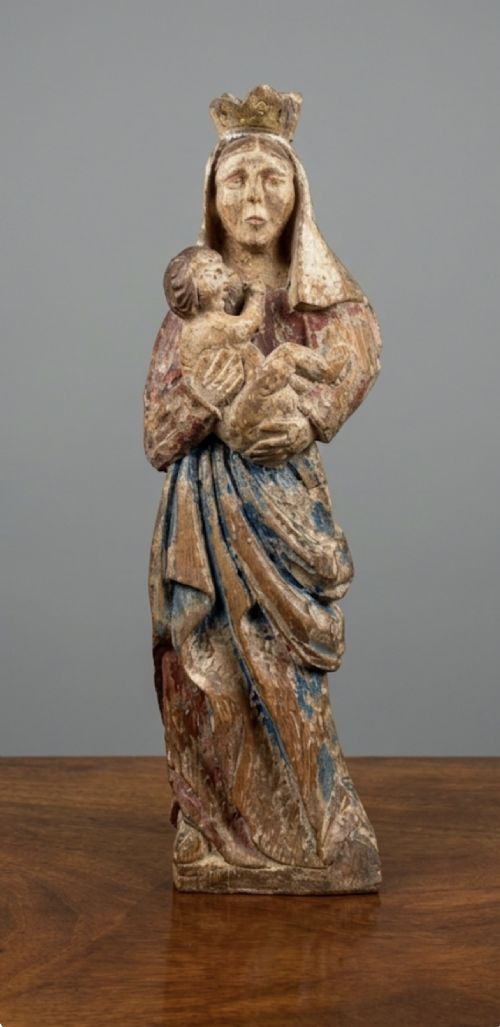
Carved wooden figures typically rely on local timbers like oak, lime and olive wood, often finished with gesso layers, polychrome paint or gold leaf details. Sculptors shaped these materials with gouges and chisels before applying surface decoration.
Ceramic pieces utilise porcelain or pearlware bodies shaped in moulds, then painted with enamel colours and glazed at high temperatures. Bronze and brass statuettes employ lost-wax casting methods, followed by hand-chasing and gilding or patination.
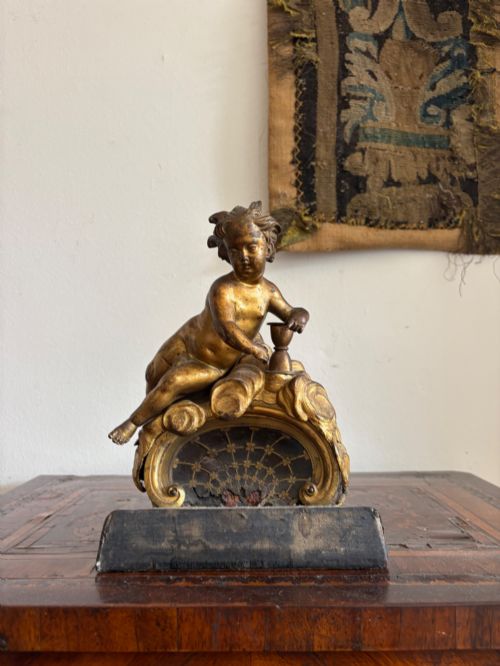
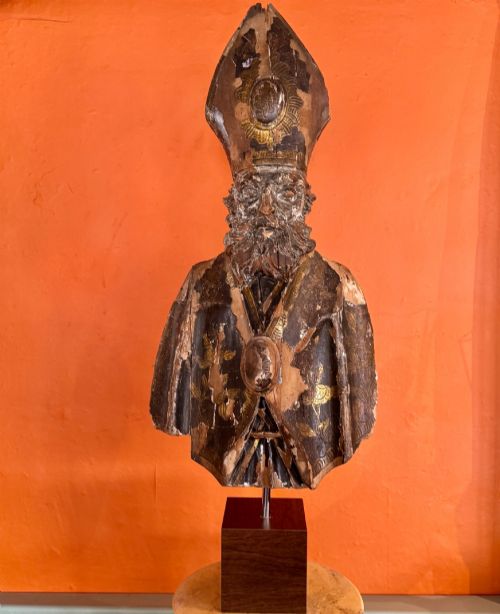
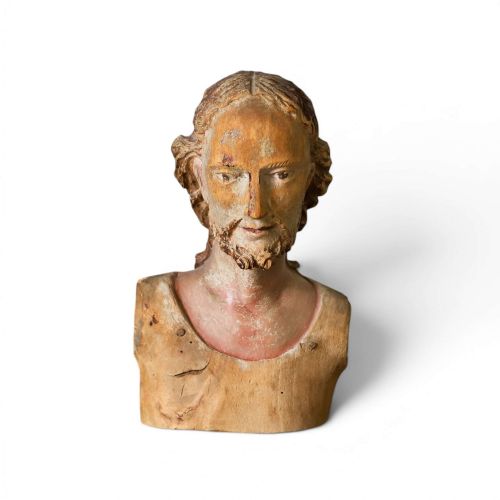
The inventory records regional works spanning British porcelain figures, Italian ecclesiastical busts, and French ormolu putti ornaments.
What separates the finest examples
In porcelain and bronze, the fineness of the enamel painting, the precision of the mould seams, and the depth of the metal chasing define the upper echelon of works. Balance, proportion and anatomical accuracy distinguish ambitious atelier pieces from utilitarian provincial output.
Meissen·Derby·Bow·La Coutille Factory
The 18th Century Statue Glossary
- Polychrome
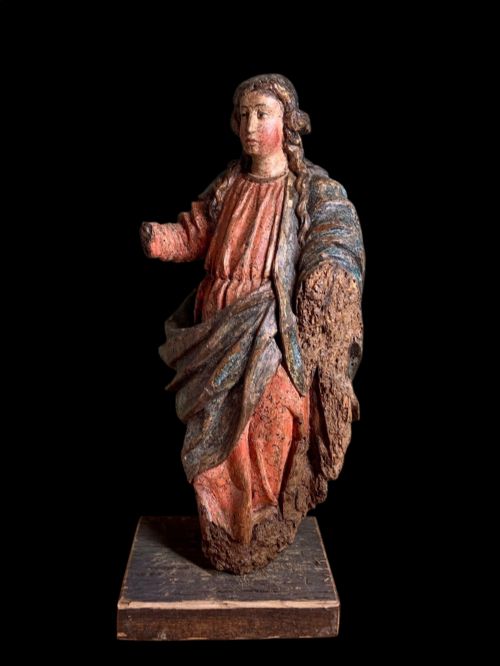
- Decorated in multiple colours. This term frequently describes wooden statues painted with pigments over a chalk and glue ground.
- Ormolu
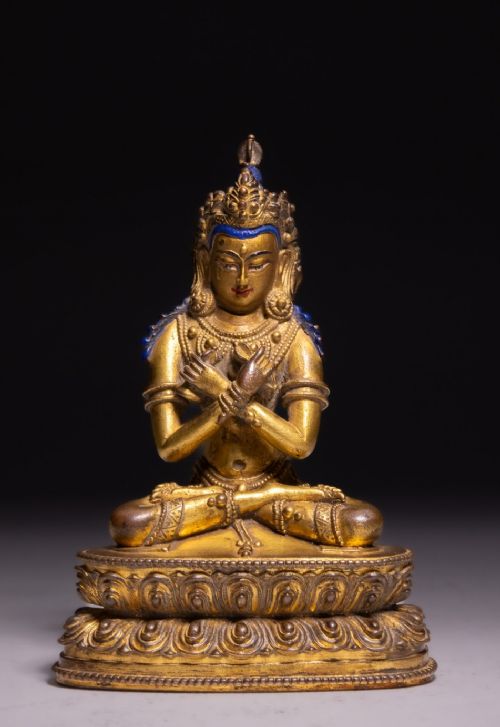
- Gilded bronze. French craftsmen utilised this technique for decorative mounts, furniture ornaments and small grand tour statuettes.
- Grand Tour
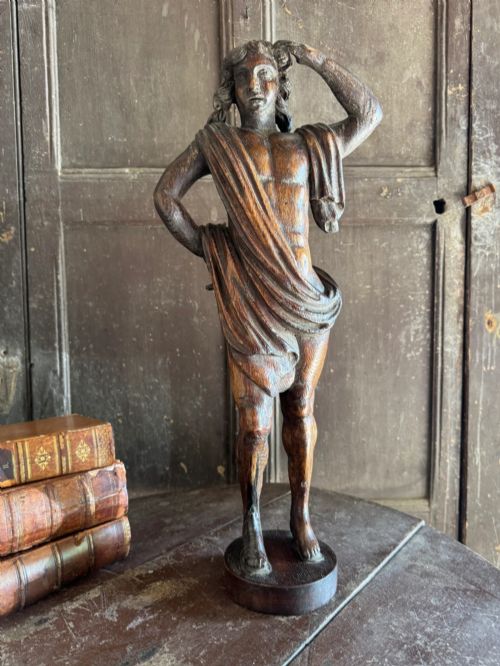
- A cultural educational trip across Europe undertaken by young gentry. Statues associated with this phenomenon include small-scale marble and bronze copies of classical antiquities.
- Putto
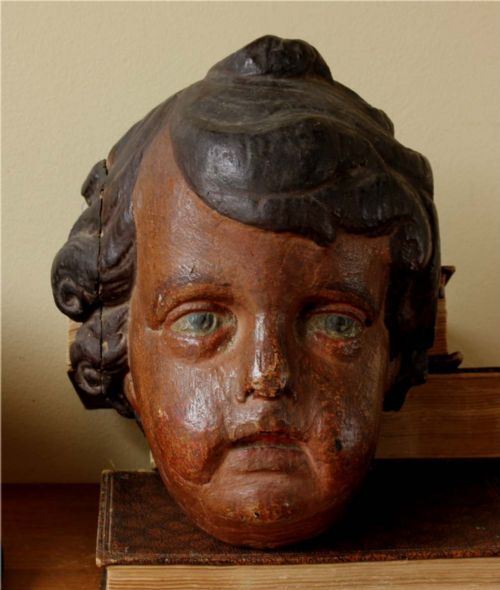
- A representation of a plump, naked child, often winged. These figures appear frequently as finials, architectural ornaments and attendants in religious art.
- Capipote
- A devotional wooden statue with a rigid armature and articulated limbs. These figures were traditionally dressed in real fabric vestments for religious processions.
18th Century Statue: Frequently Asked Questions
How do I care for a wooden statue?
Keep wooden pieces away from direct sunlight and fluctuating central heating to prevent the timber from splitting or warping. Dust gently with a dry, soft brush rather than using liquid polishes.
Allow the natural patina to age gracefully without aggressive cleaning agents that might strip historic gesso or paint layers.
Were these statues originally painted?
Many wooden and terracotta sculptures from this period received an initial layer of gesso followed by vibrant polychrome paint and gilding. Religious figures in particular were meant to look lifelike within ecclesiastical settings.
Over the centuries, many pieces lost their original paint through stripping or wear, leaving bare timber surfaces highly prized by modern collectors.
What is a grand tour bronze?
A grand tour bronze is a small-scale replica of a classical antiquity, cast in Italy during the eighteenth century for wealthy travellers. These statuettes served as portable souvenirs commemorating visits to Rome and archaeological excavations.
They are identifiable by their rich patination and careful attention to classical sculptural proportions.
How do I distinguish porcelain factories?
Factories utilised specific clay recipes, glaze compositions and firing temperatures that produce distinct visual and tactile qualities. Meissen, Bow and Derby often modelled similar pastoral or mythological subjects but employed differing paste densities and base markings.
Examining the underglaze blue marks and the finesse of the enamel painting helps attribute porcelain pieces correctly.