




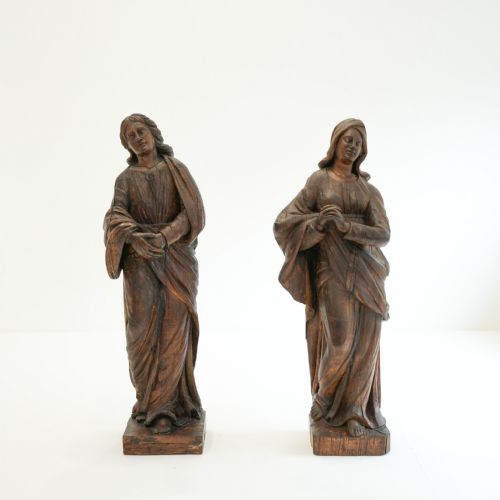
Carved Wood Saint
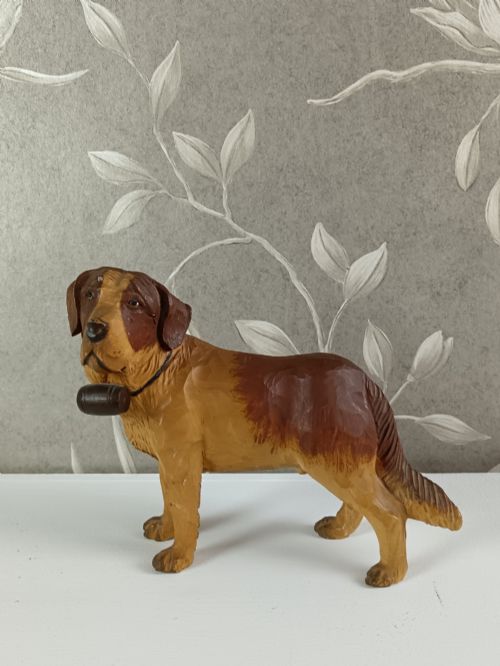
When you search for carved wood saint, you are looking at centuries of devotional sculpture shaped in oak, limewood and fruitwood.

Carved Wood Saint
A carved wood saint represents a figure of veneration originating from domestic and ecclesiastical settings across Europe. These sculptures emerge primarily from the sixteenth, seventeenth and eighteenth centuries, though pre-sixteenth century Gothic pieces also appear.
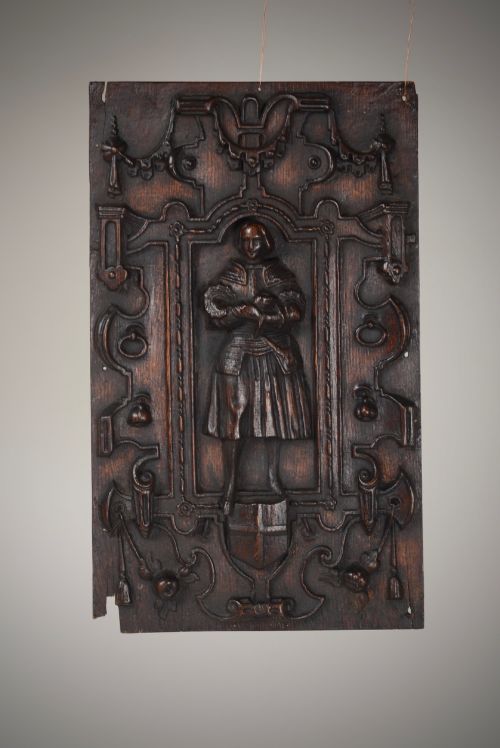
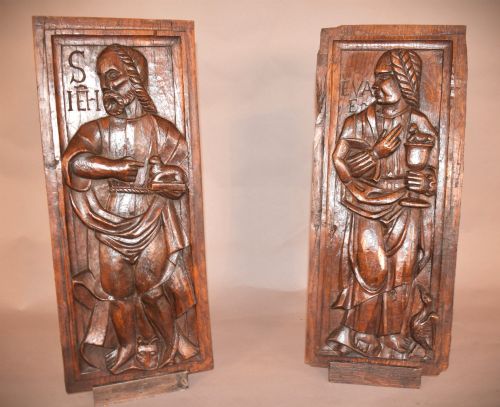
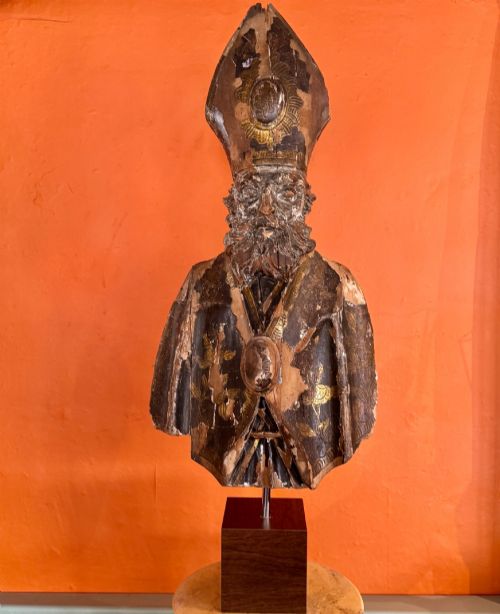
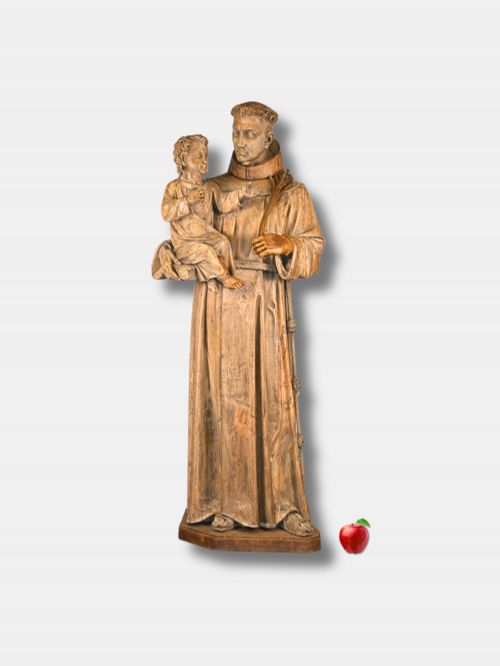
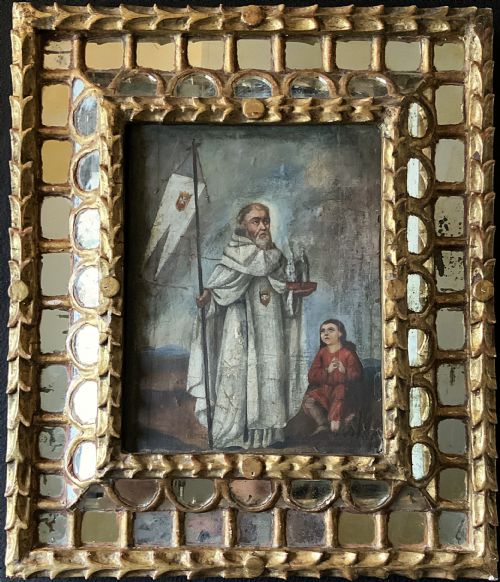
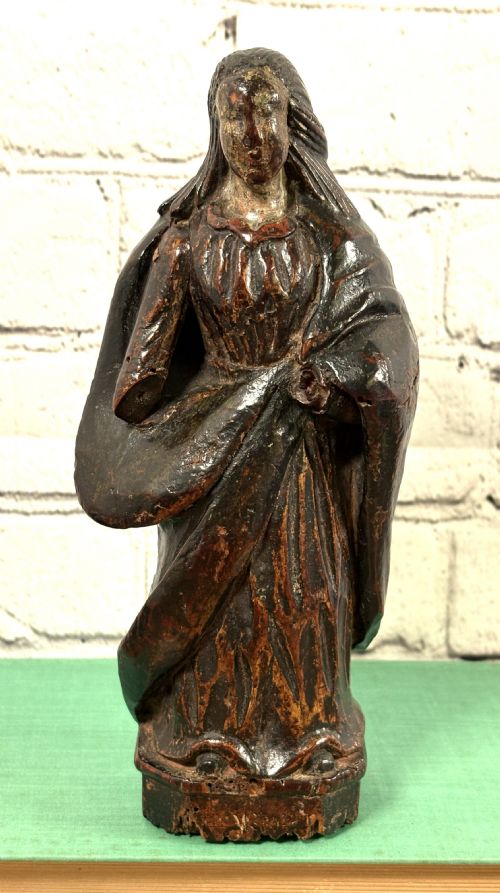
The objects on this page take the form of full-size statues, processional figures, architectural panels and devotional busts. Subjects range from named figures such as Saint John the Baptist, Saint Anthony and the Virgin Mary to anonymous donors and angels.
Most pieces show their continental origins through baroque, renaissance or gothic styles. Oak and limewood dominate the regional traditions of Germany, France, Italy, Spain and England.
Materials and construction
Carvers utilised dense timbers such as oak, limewood, applewood and walnut to withstand detailed chiselling. Wood was selected for grain stability before being shaped into figures and panels.
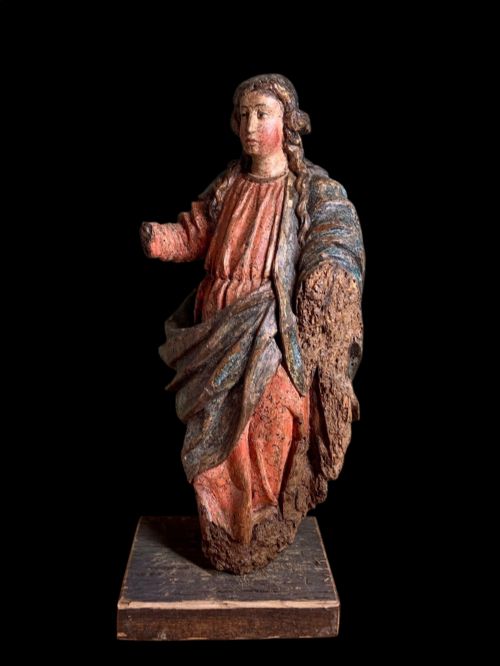
Surfaces were frequently finished with gesso layers to receive polychrome paint or gold leaf decoration. Pigments brought figures to life with colour, while gilding highlighted drapery and haloes.
Listings feature woods including oak, limewood, applewood and walnut spanning the sixteenth to the nineteenth century.
Distinctions in quality
Quality rests upon the anatomical precision of the carving and the fluidity of the drapery folds. Master carvers captured movement and expression in the wood, whereas lesser hands produced stiff or static forms.
The survival of original polychrome paint and gesso adds significant merit. Pieces retaining their early surface decoration demonstrate higher craftsmanship than those stripped to bare wood or heavily repainted.
Franz Keller
The Carved Wood Saint Glossary
- Polychrome
- Painted in several colours. This surface treatment was applied over gesso to decorate medieval and baroque wood sculptures.
- Gesso
- A plaster mixture used as a smooth base for paint or gold leaf. It was applied directly to the carved wood substrate.
- Capipote
- A Spanish devotional figure with a carved head and hands attached to a wooden framework designed for clothing. These figures were dressed in real fabrics for religious processions.
- Limewood
- A pale timber favoured by continental carvers for its fine grain and lack of prominent knots. It allowed artisans to achieve deep, intricate undercut details.
- Giltwood
- Wood carved and coated with a thin layer of gold leaf. This technique illuminated ecclesiastical interiors and frames.
Carved Wood Saint: Frequently Asked Questions
How were these figures used?
These sculptures served as focal points for prayer in churches, monasteries and home altars. Many were carried in religious processions or placed within architectural niches.
Over time, some figures transitioned from active devotional objects into private collections and decorative displays.
How do I tell periods apart?
Early pieces from the fifteenth and sixteenth centuries often display rigid Gothic drapery and unpainted or heavily weathered oak surfaces. Seventeenth and eighteenth-century examples lean towards Baroque movement, dynamic poses and elaborate polychrome or gilt finishes.
Stylistic cues in the clothing, facial expressions and accompanying symbols help anchor each piece to its century of origin.
Are these pieces painted or bare wood?
Both treated and untreated surfaces appear across the inventory. Some pieces retain their original gesso and polychrome paint, while others were stripped down or carved solely in bare oak, limewood or applewood.
Finish depends entirely on the region and the specific workshop tradition that produced the sculpture.
How do I live with a carved wood saint?
These sculptures suit placement on plain sideboards, brackets or within architectural shelving where their form stands out. They require stable indoor humidity away from direct heat sources to protect the ancient timber and any remaining gesso.
Gentle dusting with a dry brush maintains the surface without disturbing fragile paint layers.