




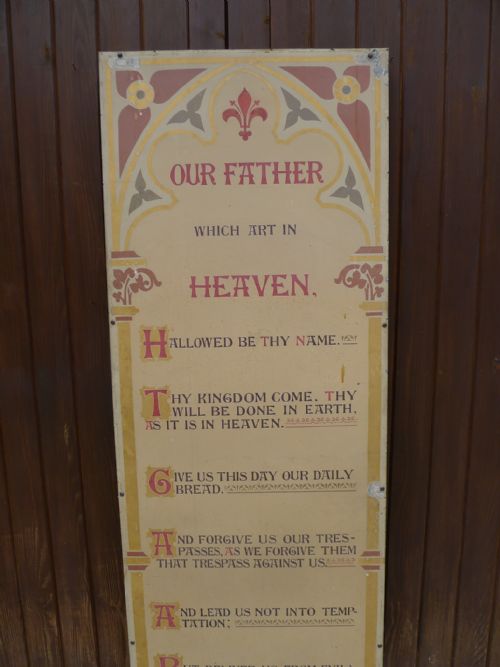
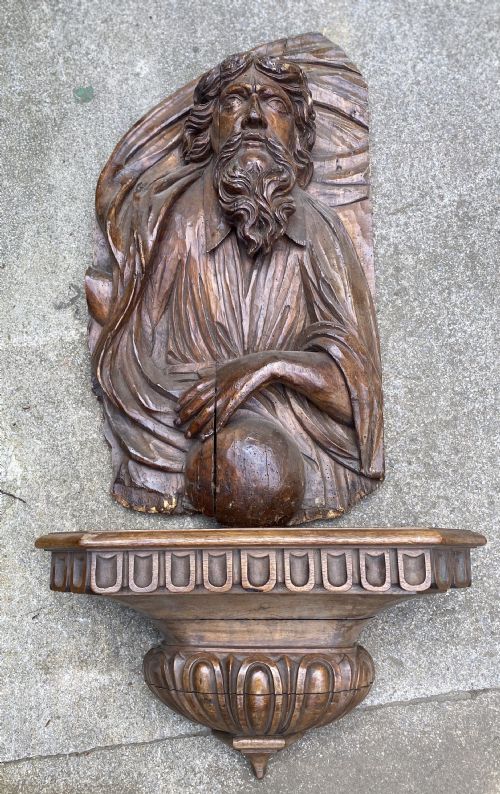
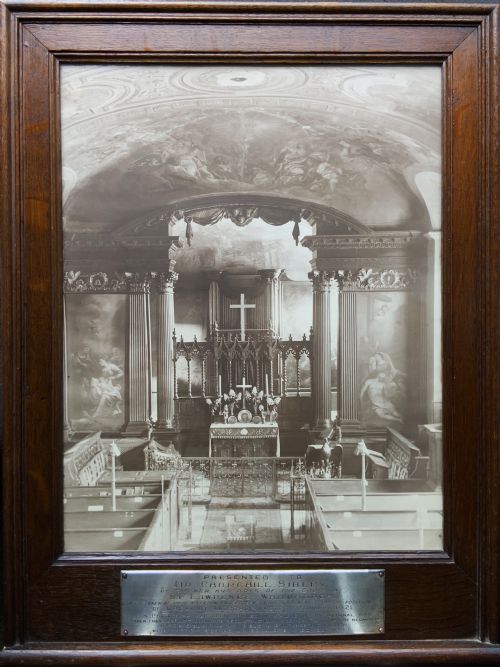


Ecclesiastical Wall Plaque
These ecclesiastical wall plaque pieces bring centuries of devotional art, carved wood, and religious history straight into domestic interiors.
Ecclesiastical Wall Plaque
An ecclesiastical wall plaque encompasses carved wooden panels, metal alms dishes, and religious reliefs intended for display. Buyers searching for an ecclesiastical wall plaque encounter devotional objects spanning from the seventeenth century through to the early twentieth century.
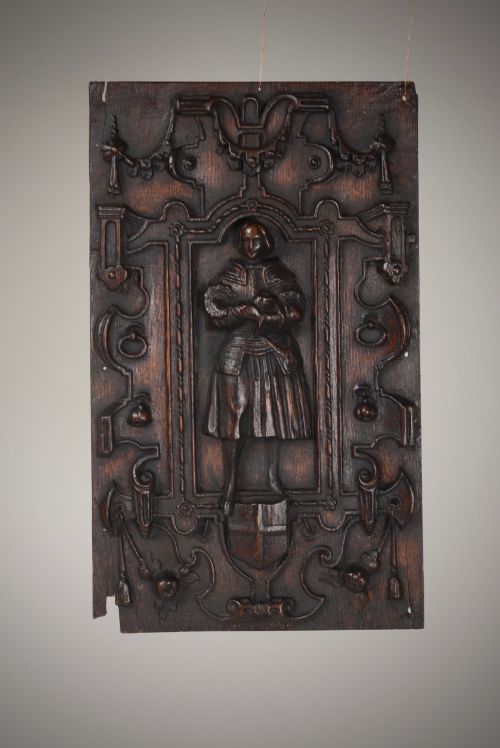
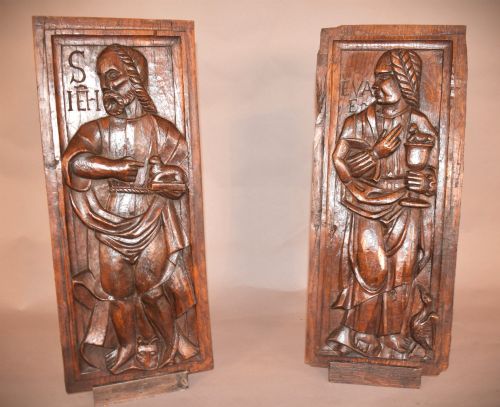
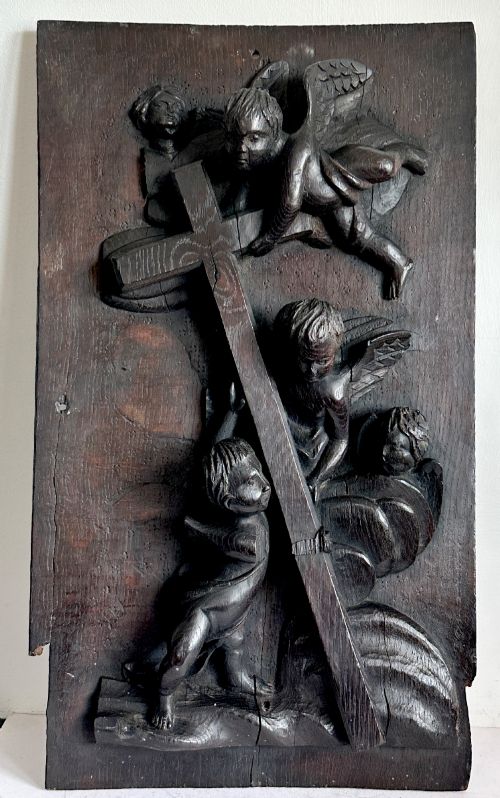
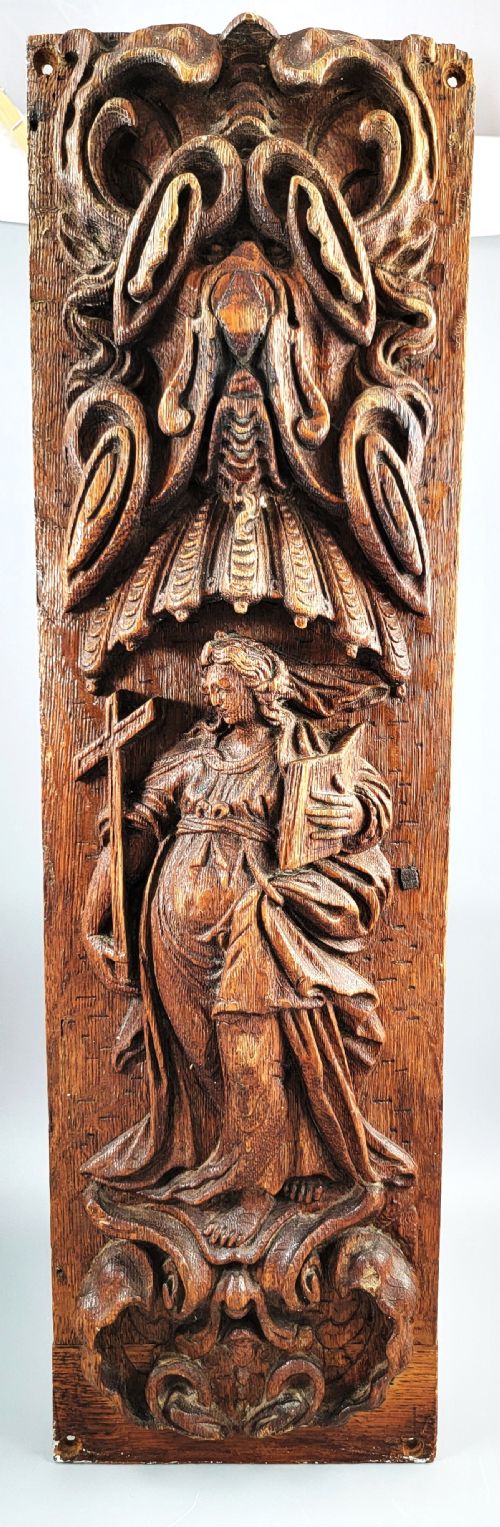
The selection ranges from carved oak panels depicting figures such as Joan of Arc and Christ to Spanish religious icons, brass alms dishes, and framed photographs mounted from church altars. These pieces originate from various European traditions, including German folk art, Flemish carving, and Spanish Colonial Revival styles.
How they were made
Makers utilised solid timbers such as oak and walnut, shaping them with hand chisels to create deep relief carvings of religious figures and allegorical scenes. Metalwork items like brass alms dishes relied on embossing techniques to press intricate patterns into the surface.
Other examples incorporate glass, paper, plaster, and paint, combining mixed media within shadowboxes or mounting sepia photographs directly onto church altar wood.
Ecclesiastical Wall Plaque Retail Price Guide 2026
Typical asking prices for ecclesiastical wall plaque among the pieces listed under this phrase on Sellingantiques today, from the lower quarter to the upper quarter. They describe what is for sale here now, not the wider market.
Listings feature periods spanning from the seventeenth century up to the 1920s, utilising materials such as oak, brass, glass, and plaster.
What varies in quality
Depth of carving and clarity of detail distinguish the execution of wooden panels, where confident chisel work brings figures and drapery into sharp relief. The choice of primary material also establishes the caliber of the piece, with dense hardwoods like oak and walnut providing stable ground for intricate forms.
Age and regional origin contribute to the character of each object, from seventeenth-century Baroque panels to later nineteenth-century memorials and folk art interpretations.
The Ecclesiastical Wall Plaque Glossary
- Alms dish
- A metal basin used in churches for collecting monetary offerings or displaying sacred items. These are frequently embossed with decorative motifs.
- Baroque
- An ornate artistic style spanning the seventeenth and early eighteenth centuries, characterised by dynamic movement and dramatic tension in carved figures.
- Relief
- A sculptural technique where figures project from a flat background. High relief creates strong shadows and distinct three-dimensional forms.
- Shadowbox
- A deep, glass-fronted framed box designed to protect and display three-dimensional objects or religious artefacts.
- Veil of Veronica
- A Christian relic depicting the likeness of Jesus miraculously impressed upon a cloth. It appears as a subject in devotional art.
Ecclesiastical Wall Plaque: Frequently Asked Questions
Where were these plaques displayed?
Many of these pieces originated inside churches, chapels, and tin tabernacles as devotional focal points, altarpieces, or hymn boards.
Over time, collectors and homeowners have moved them into private domestic interiors as wall art and architectural panels.
How do I care for antique wood panels?
Keep wooden carvings away from direct heat sources and sudden changes in temperature to prevent the timber from splitting.
Dust gently with a dry cloth and avoid applying modern polishes that might damage historic finishes.
What materials are common?
Oak and walnut appear frequently in the carved wooden panels, providing a durable base for deep sculptural work.
Brass, glass, paper, plaster, and paint also feature across alms dishes, memorial plaques, and framed religious texts.
How do I identify seventeenth-century pieces?
Seventeenth-century items often display Baroque styling, hand-carved oak construction, and subjects related to biblical narratives or allegories.
Tool marks and the natural ageing of the timber further indicate the period of manufacture.