


Ecclesiastical Carved Wooden Figure
An ecclesiastical carved wooden figure brings centuries of devotion into a room, fashioned from solid timber to portray saints, angels and holy figures.
Ecclesiastical Carved Wooden Figure
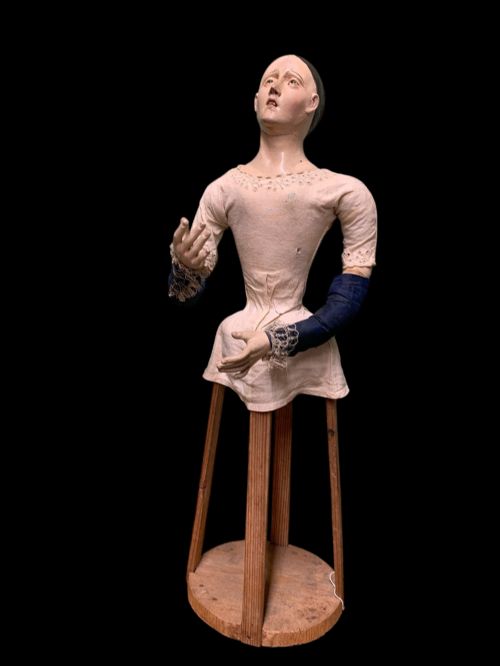
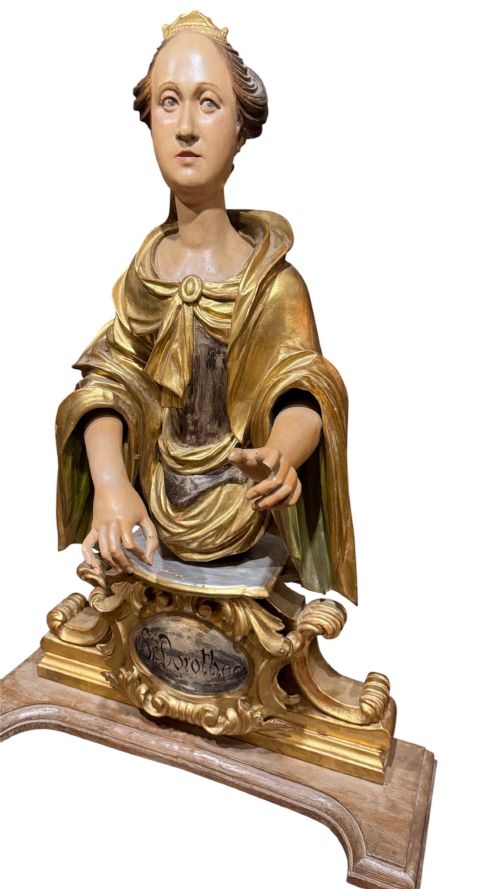
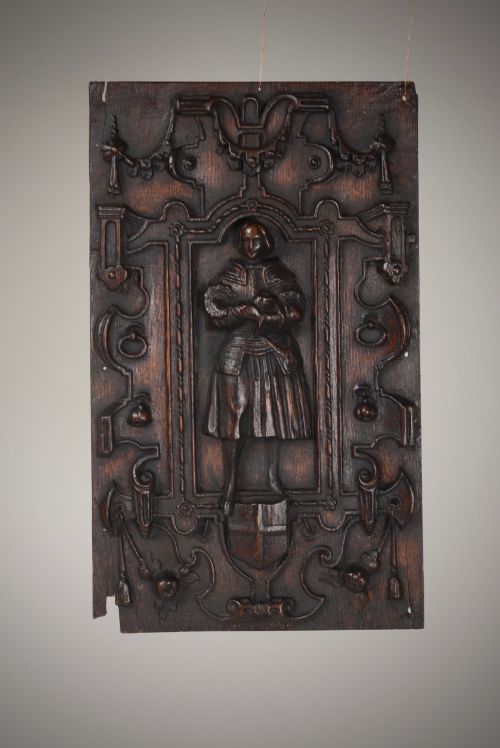
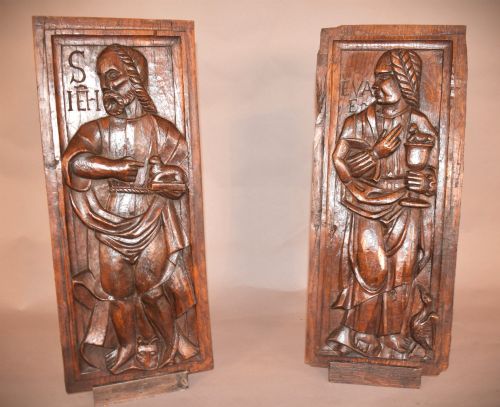
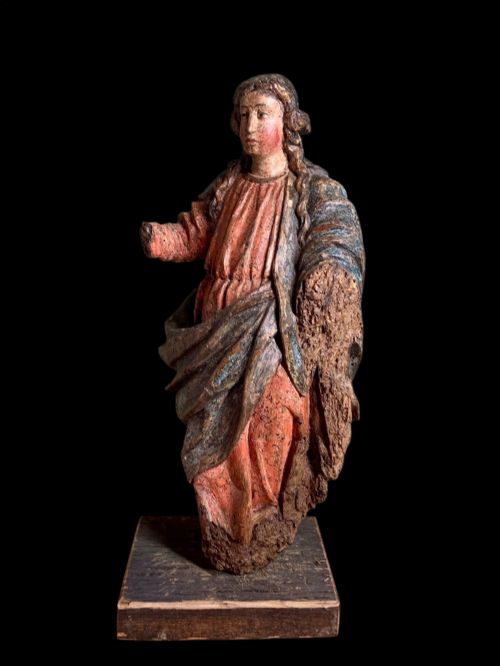
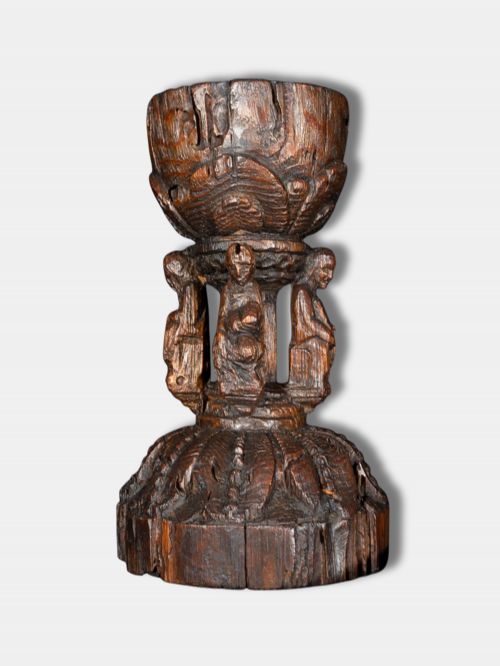
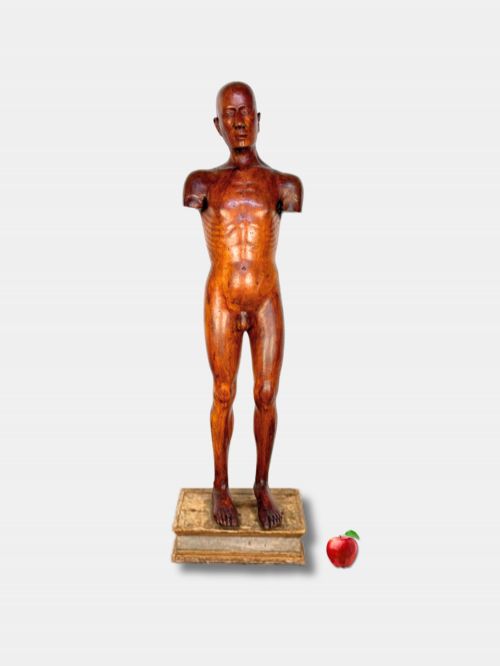
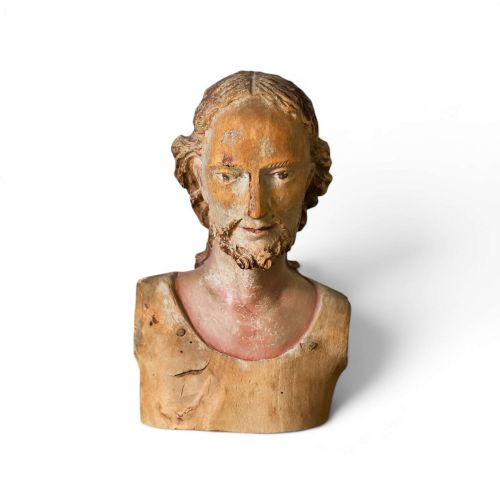
An ecclesiastical carved wooden figure serves as a devotional or architectural element, originating primarily from European churches, chapels and private shrines. These works take the form of freestanding statues, wall sculptures, wall panels and bust studies depicting saints, holy families and angelic hosts.
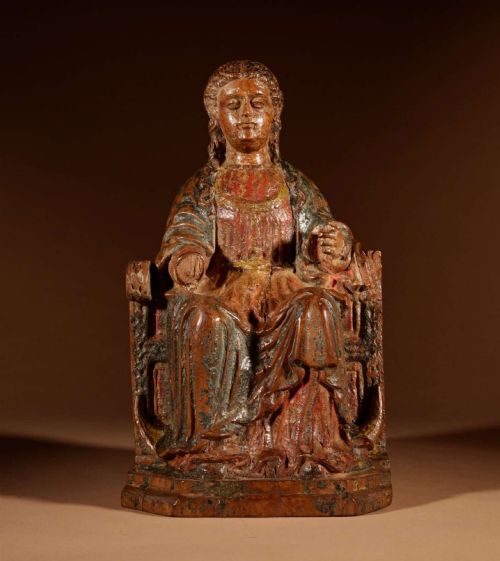
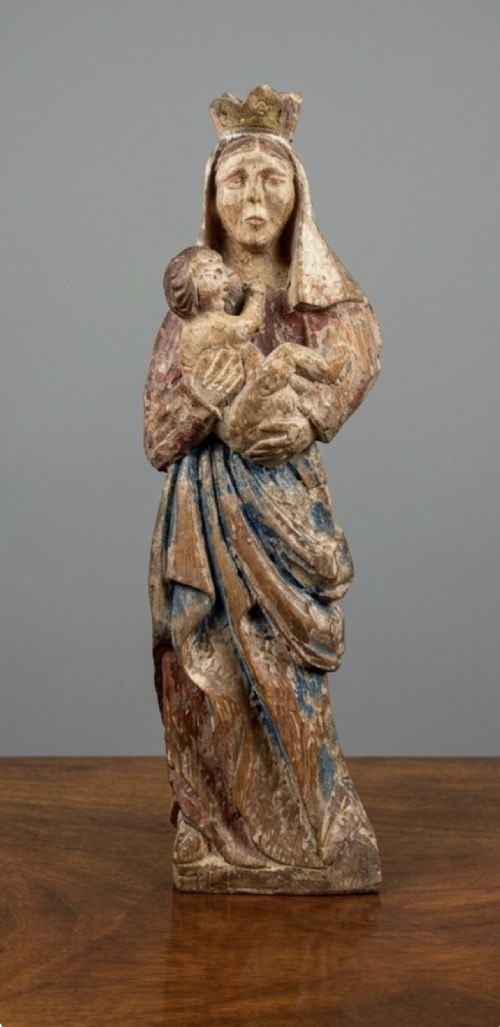
The selections encountered here span multiple centuries, ranging from pre-sixteenth century Gothic carvings to Baroque and nineteenth-century Gothic Revival interpretations. Buyers will frequently find oak, walnut and limewood representations of figures such as the Virgin Mary, Saint Anthony and various apostles.
How they were made
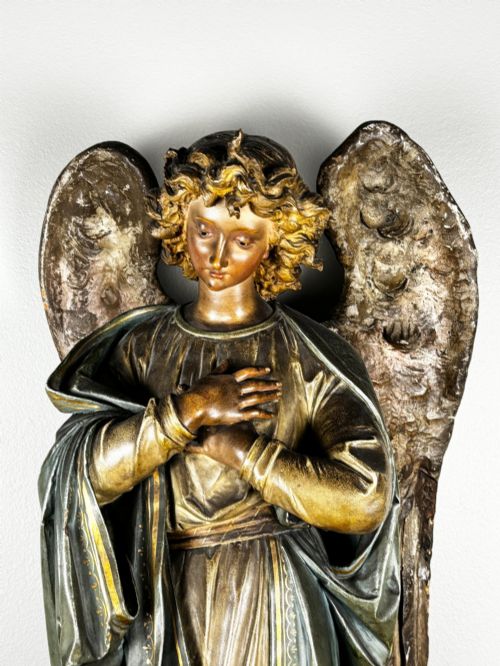
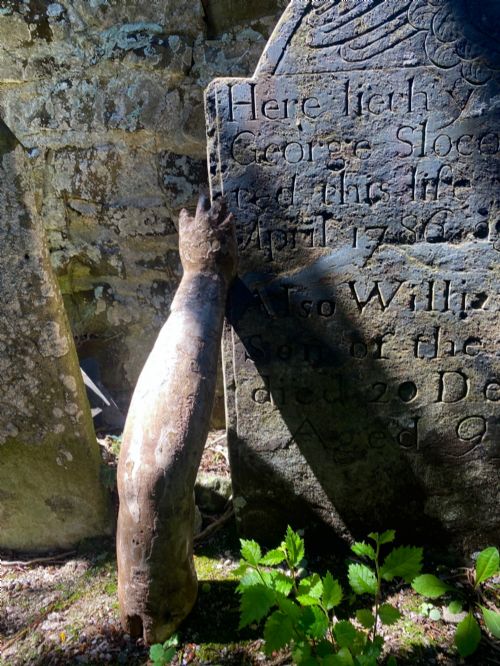
Surfaces were frequently finished with gesso preparations before receiving polychrome paint layers or applications of gold leaf to accentuate garments and haloes. Surviving fragments often display the subtle interplay of bare wood, aged paint and underlying chalk grounds.
Ecclesiastical Carved Wooden Figure Retail Price Guide 2026
Typical asking prices for ecclesiastical carved wooden figure among the pieces listed under this phrase on Sellingantiques today, from the lower quarter to the upper quarter. They describe what is for sale here now, not the wider market.
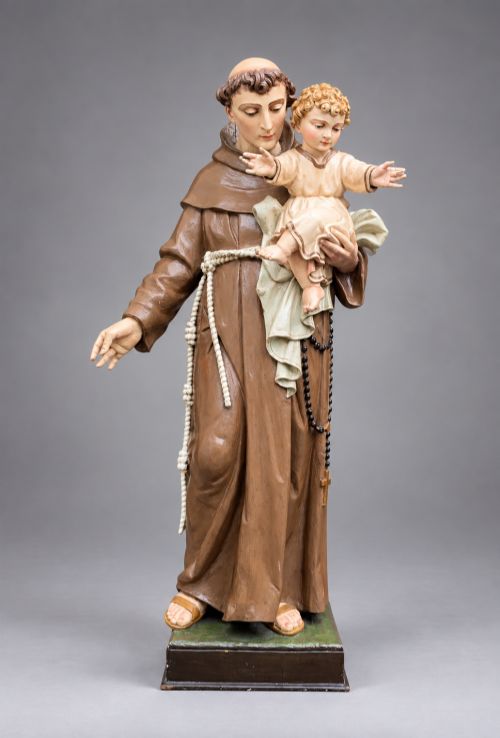
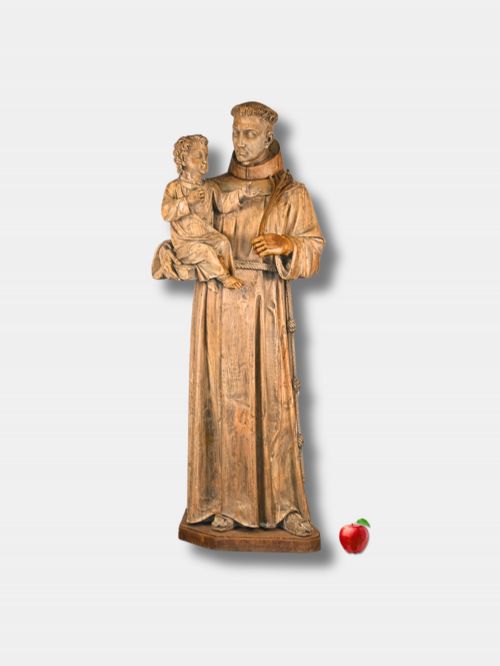
Saint Anthony appears frequently with the Christ child, offering a serene reminder of medieval domestic devotion.
What varies in quality
The preservation of original surface treatments, such as early polychrome paint and gilding, significantly elevates the artistic merit of a piece. Finer works retain their intended visual depth, whereas heavily restored surfaces can obscure the original hand of the carver.
The Ecclesiastical Carved Wooden Figure Glossary
- Polychrome
- Painted in several colours. This term describes wooden sculptures adorned with pigments to render lifelike flesh tones and garments.
- Gesso
- A white paint mixture consisting of a binder mixed with chalk, gypsum or pigment. It served as a smooth preparation layer for gilding and painting.
- Giltwood
- Wood that has been decorated with thin sheets of gold leaf. This technique imparted a luminous, divine radiance to ecclesiastical furnishings and statues.
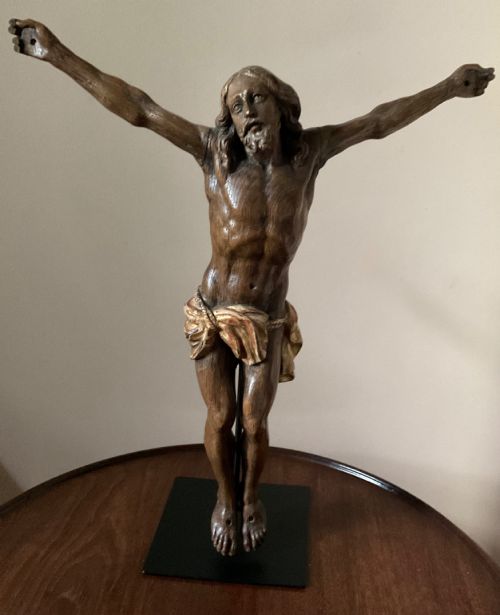
- Corpus Christi
- The body of Jesus Christ depicted on a cross. These carved wooden representations focus on the torso and figure during the crucifixion.
- Gothic
- An architectural and artistic style prevalent from the twelfth to the sixteenth century. It is characterised in sculpture by vertical emphasis, pointed forms and naturalistic drapery.
Ecclesiastical Carved Wooden Figure: Frequently Asked Questions
Where were these figures originally displayed?
These wooden carvings originated inside churches, abbeys and private chapels as focal points for prayer, architectural ornamentation or processional use. Many stood upon altars, within niches or as part of larger devotional altarpieces.
Over time, many pieces transitioned from sacred settings into domestic interiors as collectors began acquiring ecclesiastical art for its craftsmanship and historical presence.
How do I care for a wooden sculpture?
Maintain a stable indoor environment away from direct sunlight and sudden temperature shifts to protect the dry timber and delicate surface layers. Avoid applying modern polishes or cleaning agents directly onto painted or gilded wood.
Dust the surface gently with a soft, dry brush to prevent particulate buildup without disturbing fragile historic pigments or gesso grounds.
What is the difference between a panel and a statue?
Statues and freestanding sculptures are fully worked in the round or designed to be viewed from the front and sides as independent three-dimensional figures. Panels are flat or relief carvings intended to be mounted onto walls, furniture or larger architectural structures.
While statues portray standalone holy figures or groups, panels frequently narrate scenes or depict single saints within a framed wooden architecture.