


Wooden Sacred Art
Wooden sacred art brings devotion into the physical realm through centuries of hand-carved figures, icons, and altarpiece panels.
Wooden Sacred Art
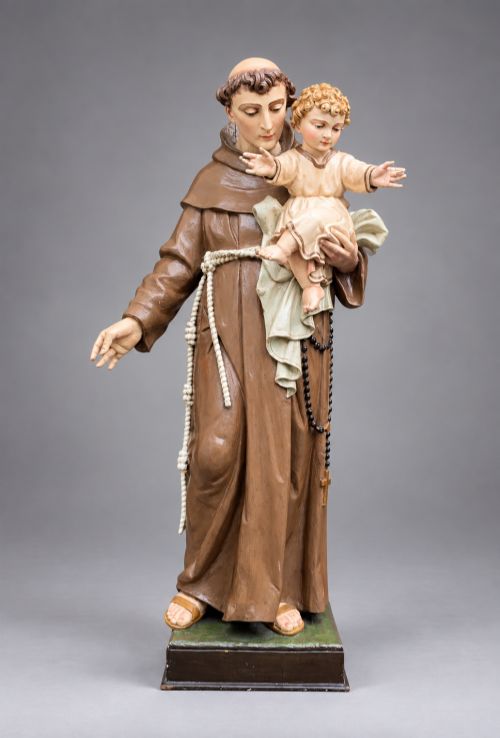
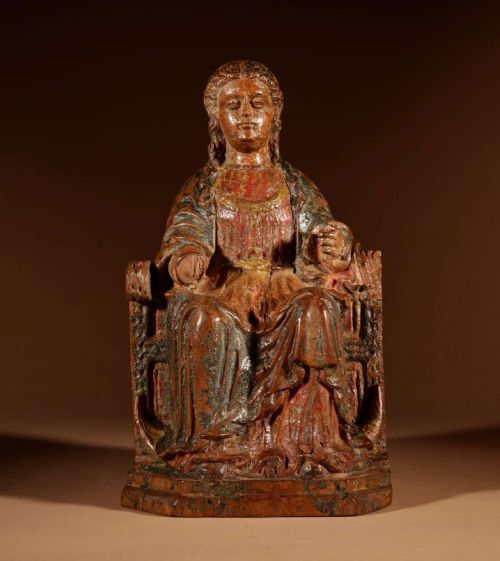
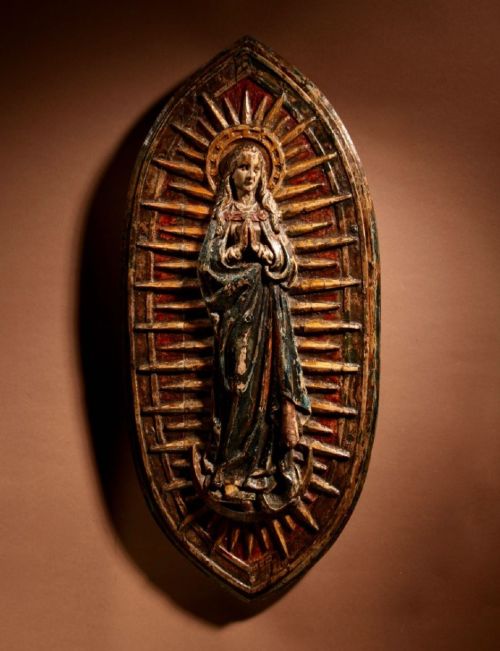
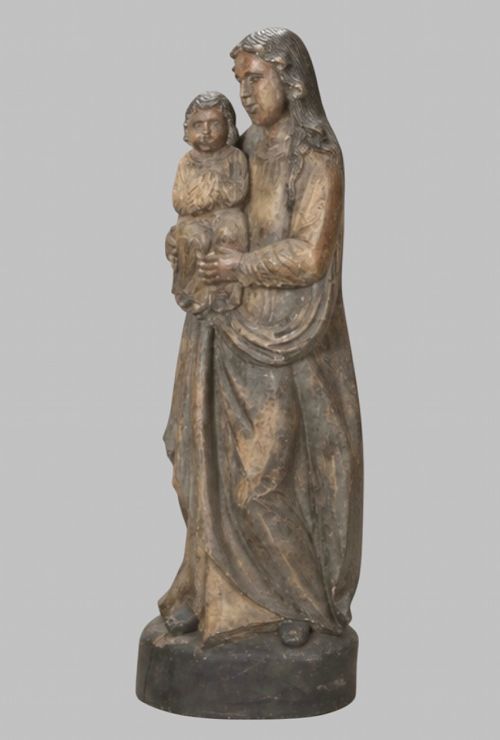
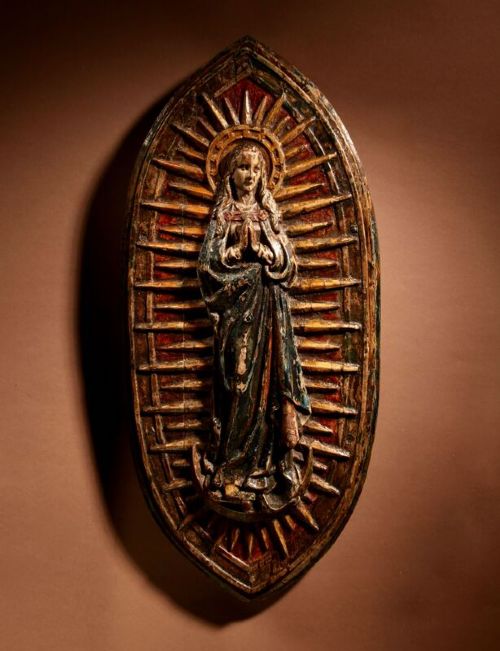
When you examine wooden sacred art, you encounter devotional objects created for worship, private contemplation, and ecclesiastical settings. These pieces range from medieval church panels and Renaissance saints to Baroque figures and later Russian icons.
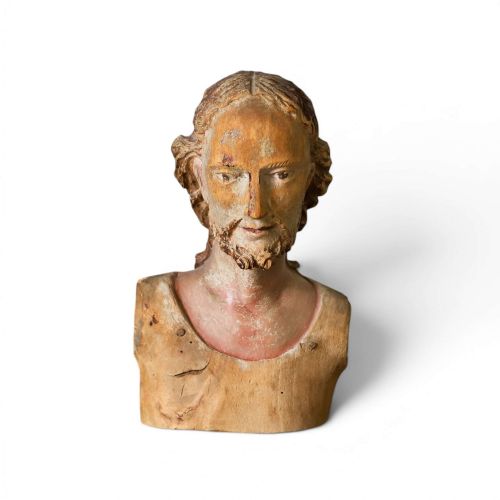
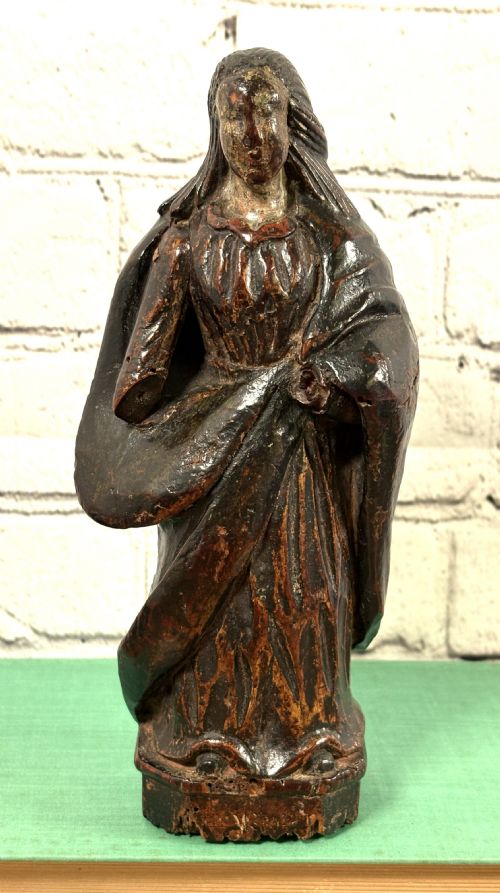
The selection on this page relies heavily on European traditions, featuring walnut, oak, and limewood sculptures alongside tempera and oil painted icons. Forms extend from life-sized Corpus Christi figures and Madonna and Child statues down to intimate wall panels.
Earlier examples often originate from church altarpieces or domestic shrines, carrying the wear of centuries of handling and prayer. Later nineteenth and early twentieth-century pieces continue these traditional religious motifs across various regional workshops.
What varies in quality
The distinction between ordinary devotional carvings and masterworks lies in the anatomical precision and expressive depth of the carving. Superior pieces display naturalistic drapery folds, sensitive facial expressions, and dynamic postures that bring the subject to life.
Survival of original surface treatments also dictates distinction, as pieces retaining their early polychrome paint or gilding command greater appreciation. The crispness of detail in the tool marks demonstrates the sculptor's mastery over materials like limewood or oak.
Listings span multiple centuries, uniting pre-sixteenth-century Gothic panels with twentieth-century Russian icons and carved skulls.
Franz Keller·Volga Masters
The Wooden Sacred Art Glossary
- Polychrome
- Decorated in a variety of colours. This technique involved applying paint directly to wood or over a gesso ground to render figures lifelike.
- Corpus Christi
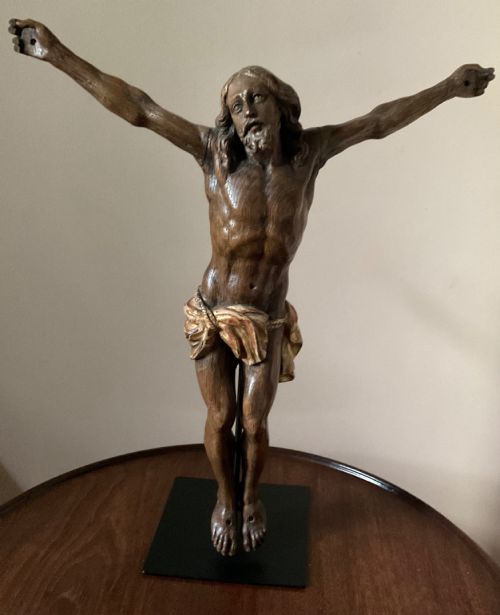
- Latin for the body of Christ. The term specifically denotes a sculptural representation of Jesus on the cross.
- Icon
- A religious work of art, most commonly painted on a wooden panel. These devotional images stem primarily from Eastern Orthodox traditions.
- Gesso
- A paint mixture consisting of a neutral binder mixed with chalk, gypsum, or pigment. Artisans used it to prepare wooden surfaces for gilding and painting.
- Altarpiece
- A structure depicting religious subject matter displayed above and behind an altar. Central panels from these large structures frequently survive as standalone sculptures.
- Tempera
- A permanent, fast-drying painting medium consisting of coloured pigment mixed with a water-soluble binder. Icon painters relied on this method for fine detail work.
Wooden Sacred Art: Frequently Asked Questions
What is a Corpus Christi figure?
A Corpus Christi figure represents the physical body of Jesus Christ, most commonly detached from a larger crucifix. These sculptures range from small portable devotional objects to life-sized church figures.
Carvers paid close attention to anatomical suffering, muscular tension, and drapery folds to evoke deep emotional resonance in the viewer.
How should I care for old wood carvings?
Keep wooden sacred art away from direct heat sources, strong sunlight, and rapid humidity fluctuations to prevent the timber from splitting. Stable indoor environments preserve both the ancient wood and any delicate historic surface paint.
Avoid applying modern polishes or cleaning agents to antique polychrome or gilt surfaces, using only a soft, dry brush for dusting.
What are Russian Orthodox icons painted on?
Russian Orthodox icons are traditionally painted on prepared wooden panels using egg tempera or oil mediums. Artisans frequently built up the composition over a gesso ground, sometimes adding silver or gilt metal rizas.
These panels served as focal points for prayer within domestic settings or churches, absorbing decades of candle smoke and handling.