
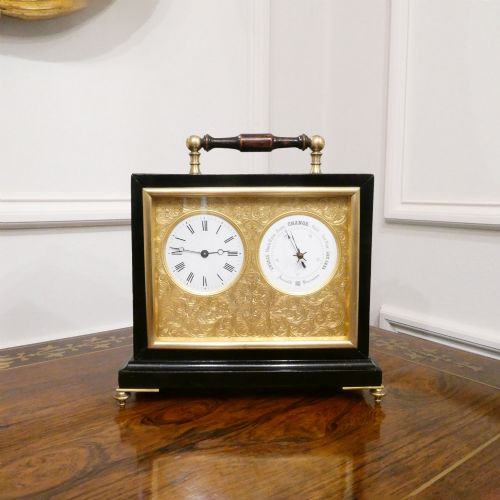
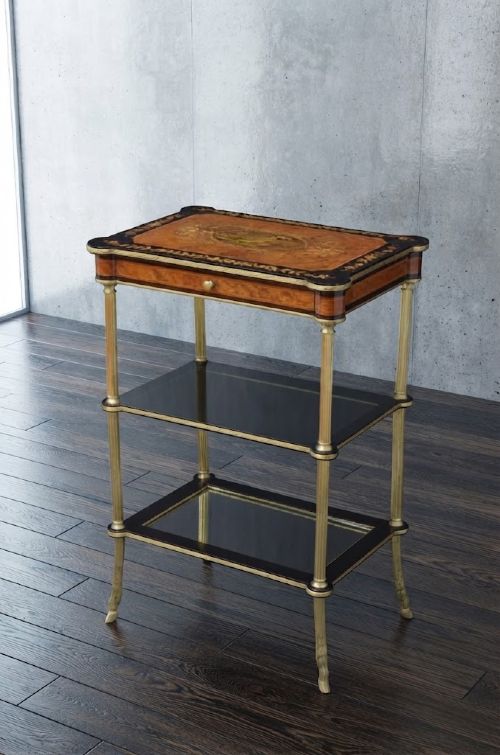
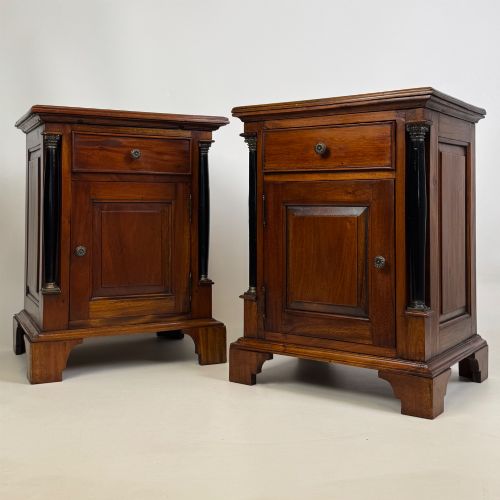
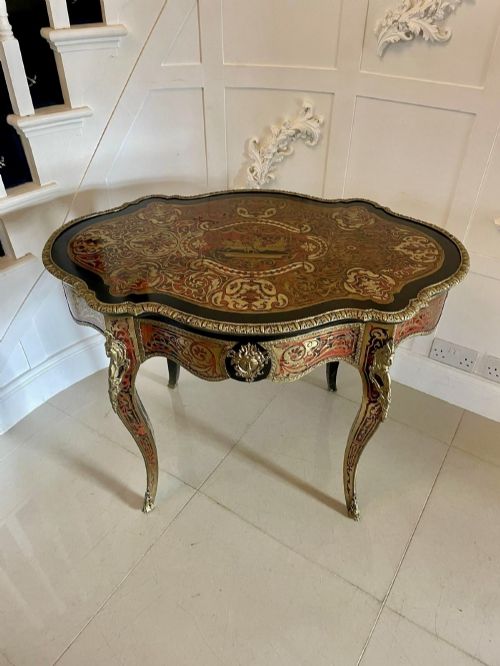
Ebonized Table
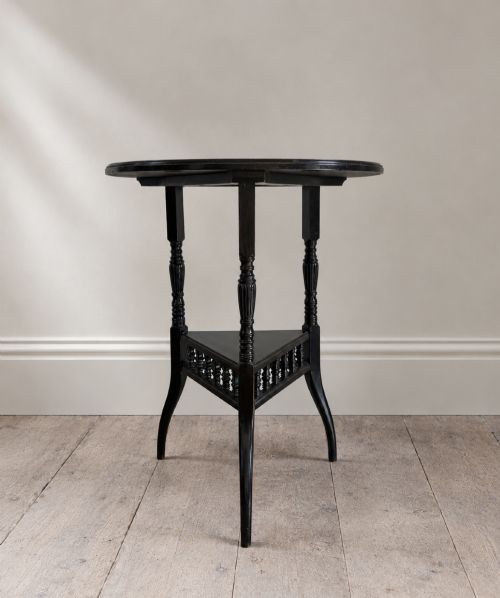
An ebonized antique table brings deep, dark finishes and striking form to a room, drawing the eye through contrast.
Ebonized Table
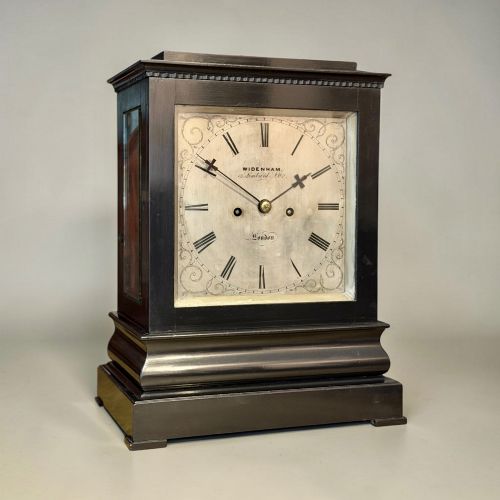
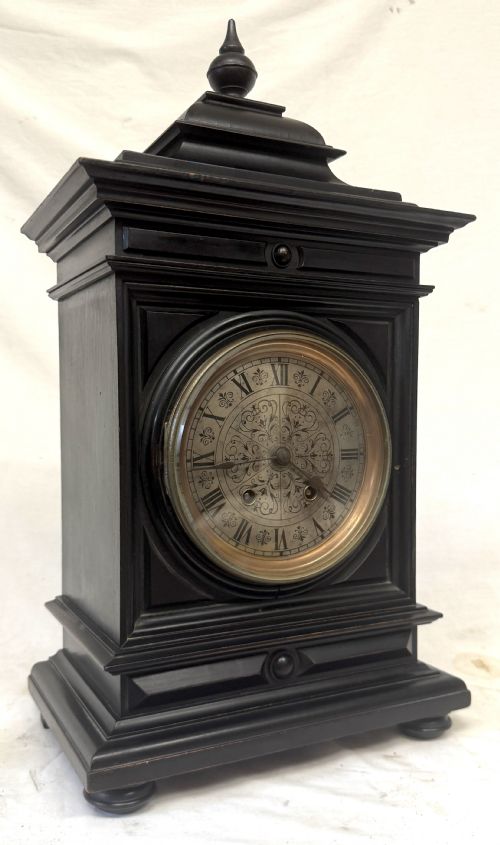
An ebonized antique table spans several centuries of design, with Victorian and nineteenth-century examples appearing most frequently alongside Regency and Edwardian pieces.
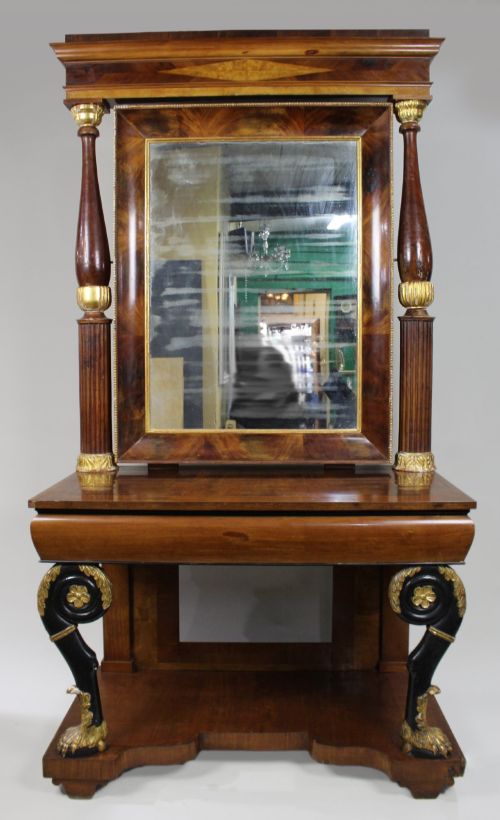
Makers produced these dark tables in forms ranging from side tables and occasional tables to centre tables, writing desks, and console tables.
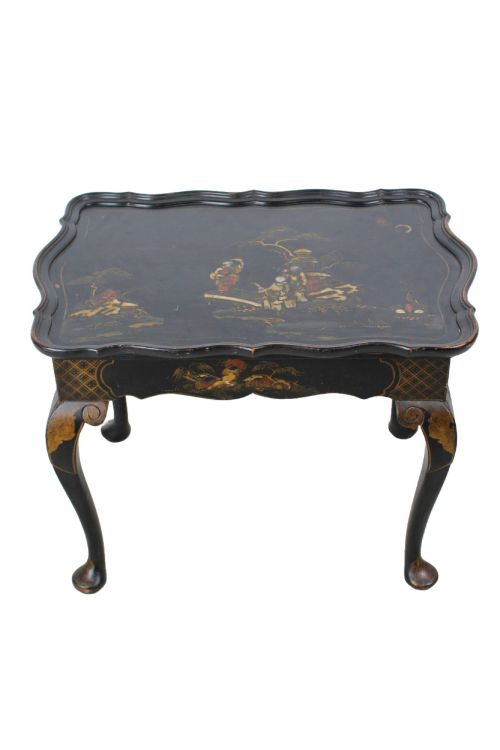
The aesthetic movement and Anglo-Japanese styles heavily influenced many of these designs, creating sleek silhouettes finished in black to mimic exotic hardwoods.
Materials and Technique
Craftsmen typically darkened fruitwoods, walnut, or mahogany using chemical staining, paint, or polish to achieve a solid black surface resembling ebony.
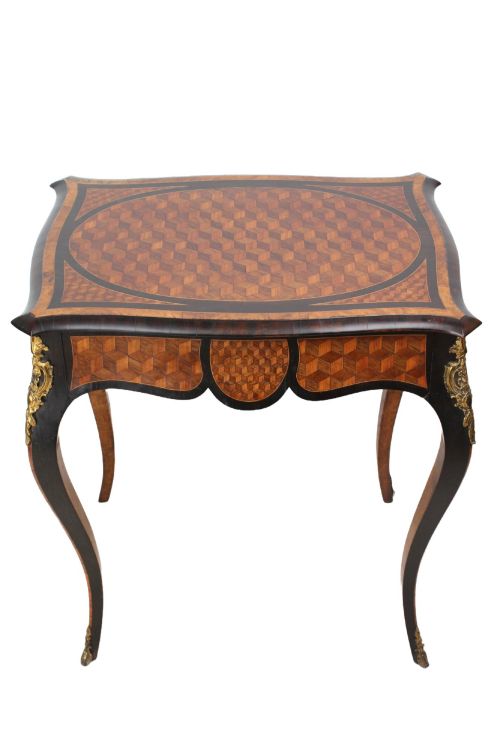
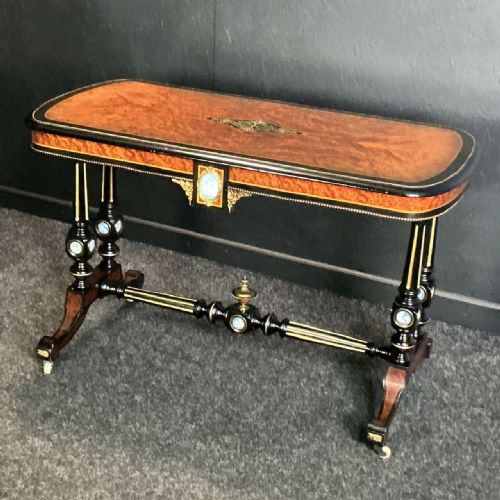
Many surfaces incorporate contrasting inlay, brass mounts, or parcel gilding, while others utilise painted chinoiserie or marquetry details.
Evaluating the Pieces
The distinction between ordinary and exceptional pieces lies in the precision of the joinery and the integrity of the ebonized finish.
Finer examples display careful attention to detail in applied brass, ivory, or wood inlay rather than purely painted decoration.
JAS Shoolbred·Jackson and Graham·Edwards and Roberts·Waring and Gillow·Hindley and Sons
The Ebonized Table Glossary
- Ebonised
- Wood treated with stain, dye, or paint to imitate the dark, dense grain of true ebony. This finish became particularly fashionable during the Victorian and Aesthetic periods.
- Parcel Gilt
- Woodwork or metal decorated with small sections of applied gold leaf. This technique often highlights carved details on legs or borders.
- Aesthetic Movement
- A late nineteenth-century design style emphasising visual beauty over narrative subject matter. Pieces from this movement frequently display Japanese influences and ebonised surfaces.
- Console Table
- A table designed to stand against a wall, frequently secured with brackets. These often feature decorative marble tops or elaborate gilt mounts.
- Centre Table
- A freestanding table intended to be viewed from all sides in the middle of a room. Victorian and French examples often incorporate walnut or amboyna alongside ebonised wood.
Ebonized Table: Frequently Asked Questions
What is an ebonized antique table?
An ebonized antique table is a wooden piece finished with a dark coating to simulate solid ebony. These tables appeared across multiple periods, most notably the Victorian era.
Cabinetmakers utilised this dark finish to create strong visual contrast, often pairing the black surfaces with gilt highlights or inlaid brass.
How do I care for ebonized wood?
Care for an ebonized surface by dusting it gently with a soft cloth and avoiding harsh chemical cleaning products. Direct sunlight can fade dark finishes over time.
Maintain stable indoor humidity levels to protect the underlying timber and prevent any decorative inlay from loosening.
Where should I place a centre table?
A centre table stands freely in the middle of a room rather than against a wall. These pieces function well in large hallways or drawing rooms.
Because they are finished on all sides, they allow for 360-degree viewing and often feature detailed marquetry or polished wood.
How do I identify Victorian ebonized furniture?
Victorian ebonized pieces often feature revival styles, heavy brass mounts, or influences from the Aesthetic movement. Inspect the secondary woods beneath the finish for clues to the age.
Cabinetmakers working during this period frequently combined ebonized timber with walnut, amboyna, or porcelain plaques.