



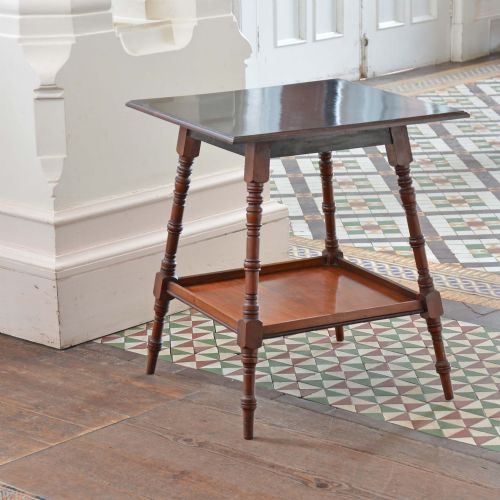


Ebonised Wooden Plant Stand
An ebonised wooden plant stand brings dark polish and architectural height to a room, holding botanical displays with nineteenth-century poise.
Ebonised Wooden Plant Stand
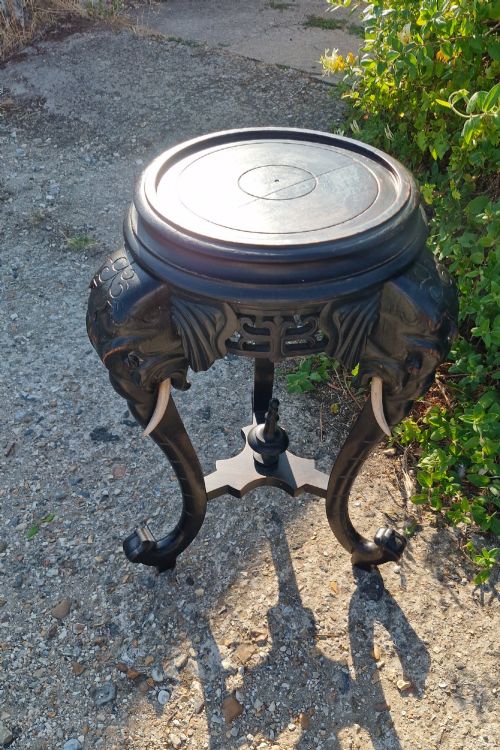
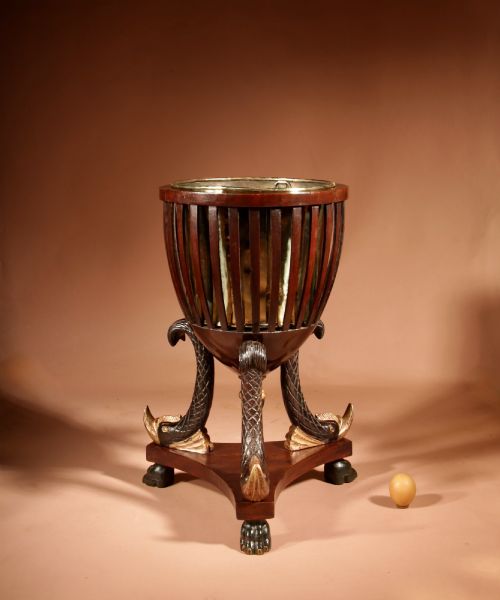
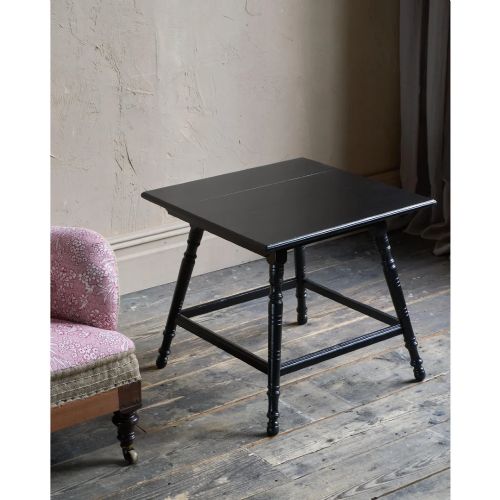
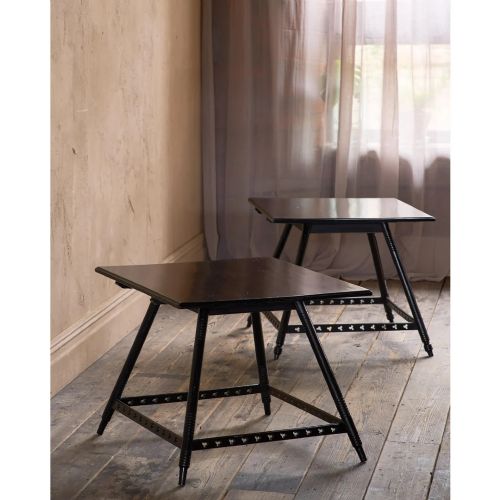
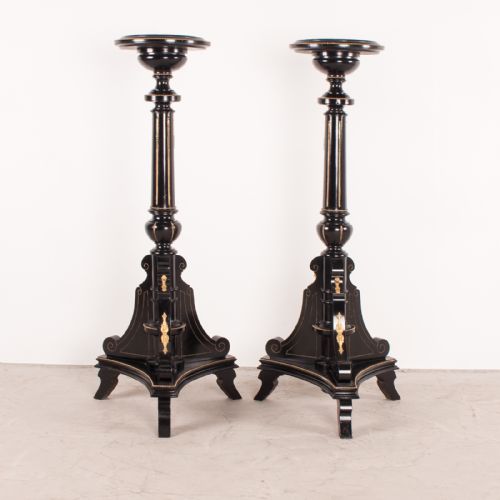
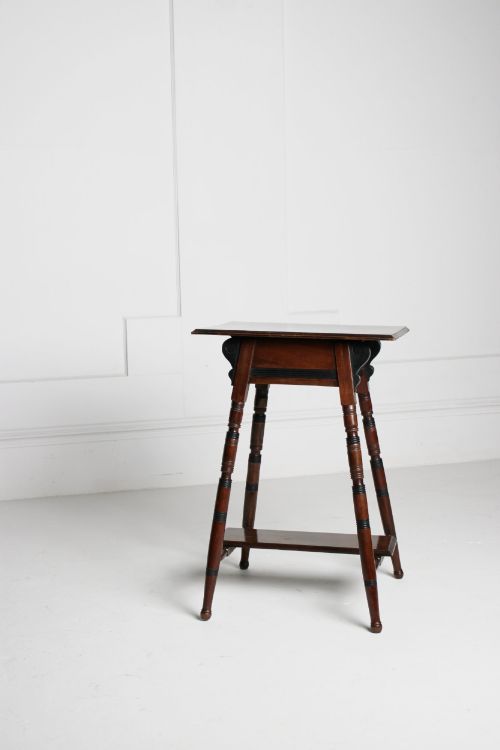
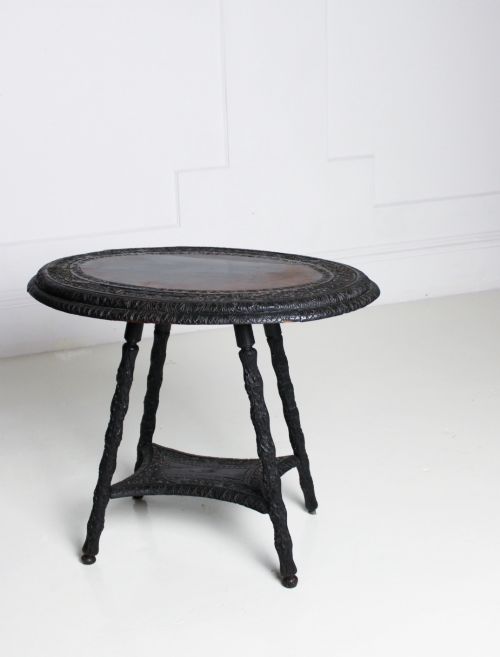
An ebonised wooden plant stand serves to elevate jardinières, torcheres, and pedestals across various nineteenth-century and early twentieth-century designs. You will encounter Victorian and Aesthetic Movement pieces alongside Anglo-Indian, Moorish Revival, and Japanese forms.
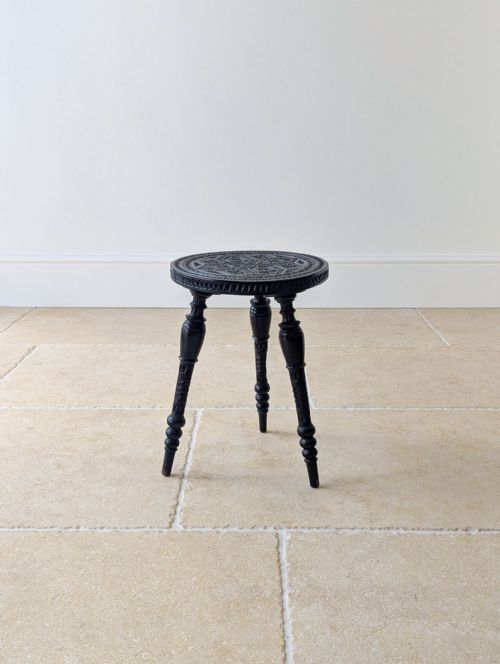
The selection ranges from small chip-carved occasional tables and octagonal stands to tall columns and sculptural animal figures. These items function equally well as lamp tables, side tables, or display plinths for decorative arts.
How they were made
Craftsmen used hardwoods like walnut, mahogany, elm, and rosewood, applying an ebonising finish to imitate costly ebony. Many surfaces feature hand-carved detailing, incised patterns, parcel gilding, and occasional marble inserts.
Joinery methods reflect the period, utilising turned columns, pegged joints, and fitted panels. Workshops incorporated brass mounts and intricate marquetry inlay on select French and English examples.
Listings feature ebonised wood, walnut, and mahogany across nineteenth-century Victorian, Aesthetic Movement, and Anglo-Indian styles.
What varies in quality
Quality rests in the crispness of the hand-carved ornamentation and the depth of the ebonised finish on the wood. Pieces bearing documented maker attributions display superior cabinet-making compared to unbranded utilitarian items.
Proportion and structural integrity distinguish finer pedestals and torcheres. Well-balanced forms with intact original surfaces command greater appreciation than heavily restored or later altered pieces.
Hindley and Sons·Druce and Co London·Liberty and Co·Gillow and Co
The Ebonised Wooden Plant Stand Glossary
- Ebonised
- Wood finished with a black stain or paint to replicate expensive ebony. This technique was popular in nineteenth-century furniture design.
- Torchere
- A tall, slender stand designed to support a lamp or candle, often adapted for plants. These stands feature prominent vertical columns.
- Aesthetic Movement
- A late nineteenth-century design style focusing on art for art's sake. Pieces from this movement often incorporate Japanese motifs and ebonised surfaces.
- Jardiniere
- An ornamental pot or stand for holding plants and flowers. They appear in carved wood and ceramic-compatible forms.
Ebonised Wooden Plant Stand: Frequently Asked Questions
How do I style a plant stand?
Place a tall torchere in an empty corner to add vertical interest to a room. Pair smaller occasional tables beside seating to hold ceramics or reading lamps.
Ensure the weight of the botanical display matches the sturdy capacity of the base. Avoid damp conditions that might harm historical ebonised finishes.
Are these stands suitable for heavy pots?
Most nineteenth-century pedestals and columns were built from solid hardwoods to support substantial weight. Heavier marble-topped tables provide stable platforms for larger botanical arrangements.
Inspect the leg joints and base construction before placing very heavy planters on antique surfaces. Lighter occasional tables suit smaller potted plants.
How do I identify an Aesthetic Movement piece?
Look for ebonised wood combined with incised gilt decoration and Japanese-inspired motifs. These designs emphasise clean geometric lines and artistic craftsmanship.
Maker marks from firms like Liberty or Gillow often accompany these distinctive nineteenth-century forms.