

Ebonised Wood Stand
An ebonised wood stand brings deep dark finish and striking silhouette to an interior, channelling nineteenth-century aesthetic taste.
Ebonised Wood Stand
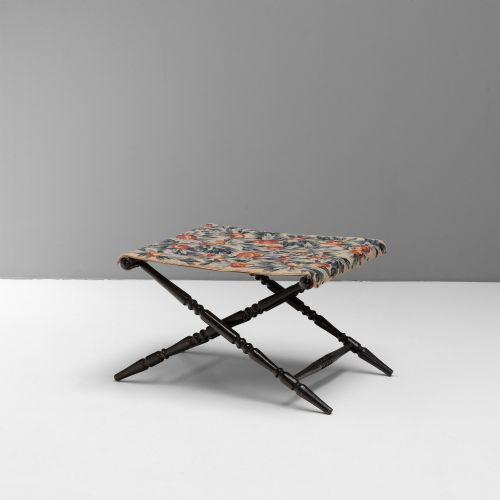
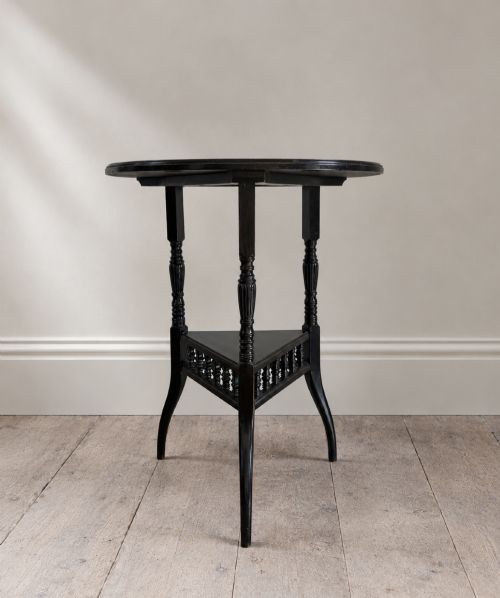
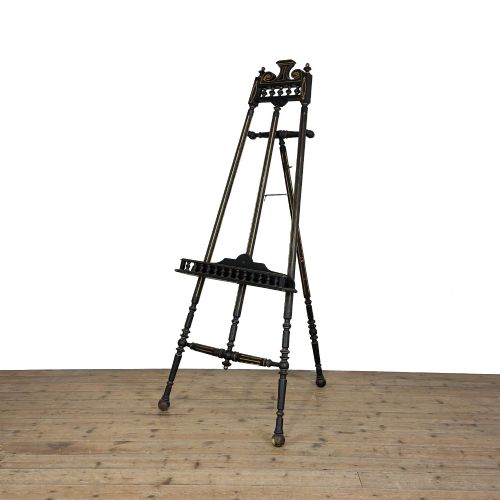
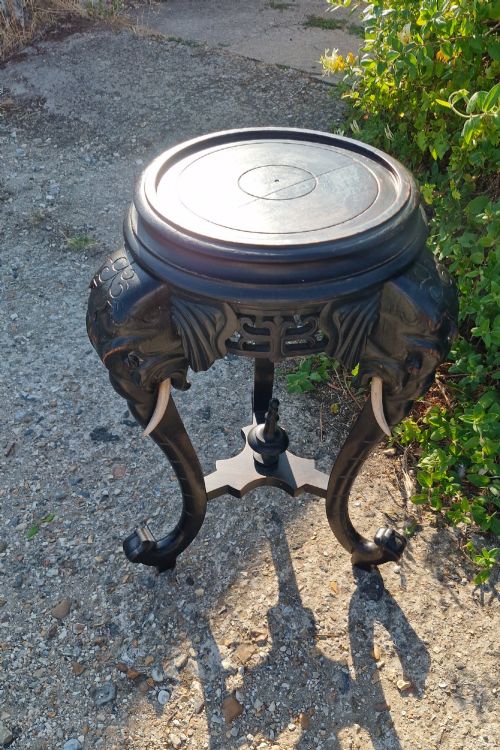
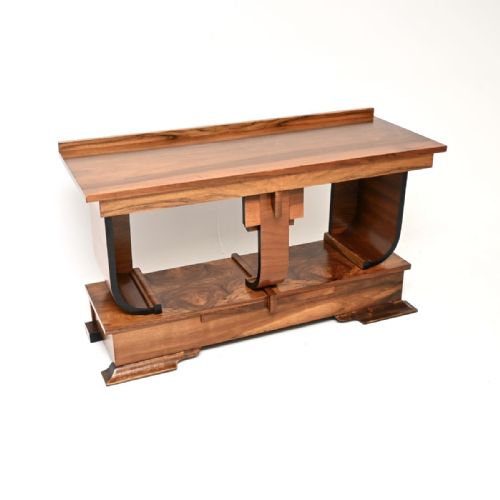
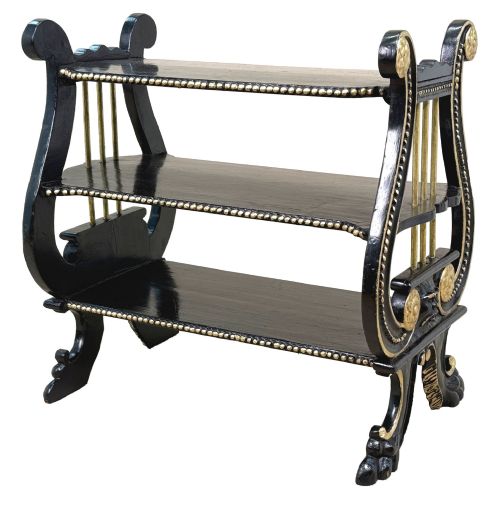
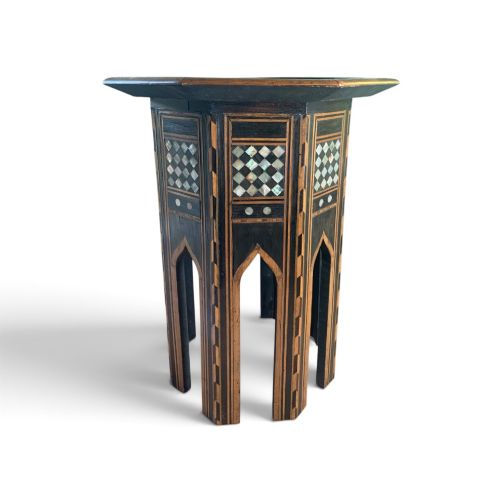
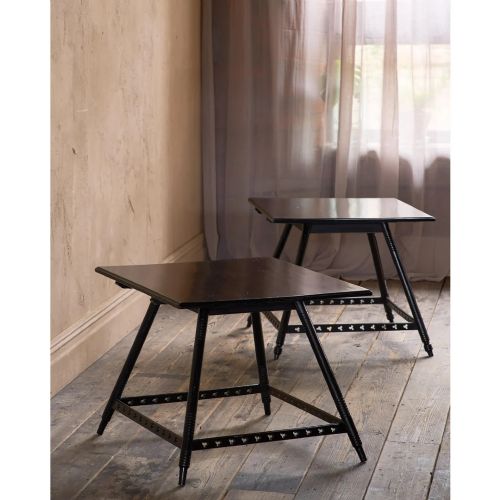
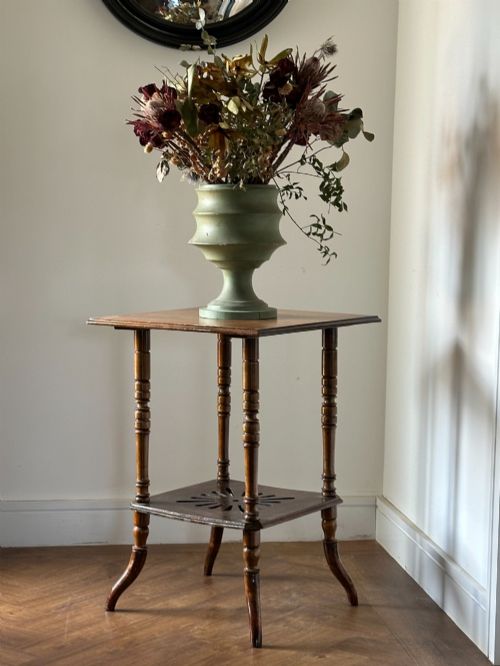
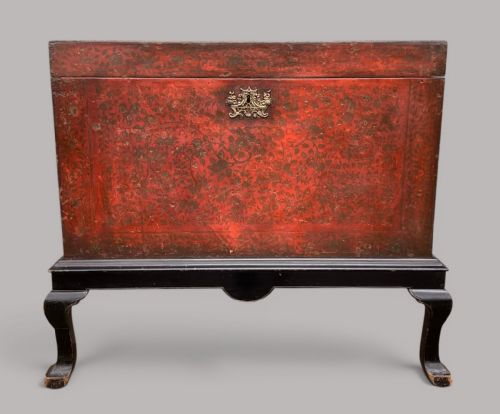
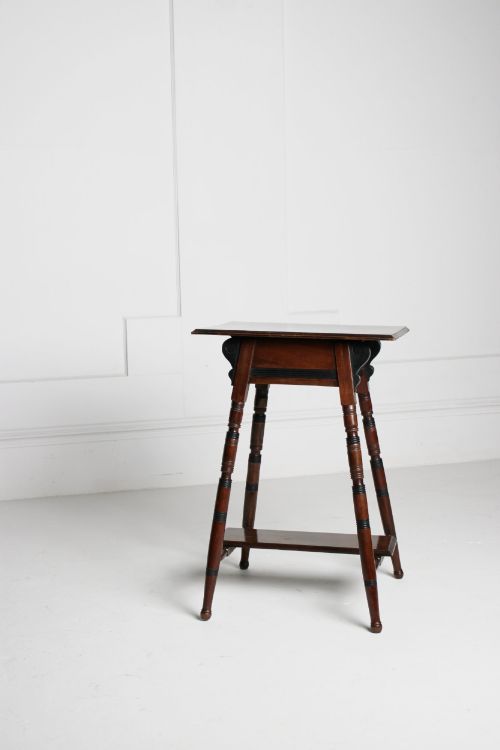
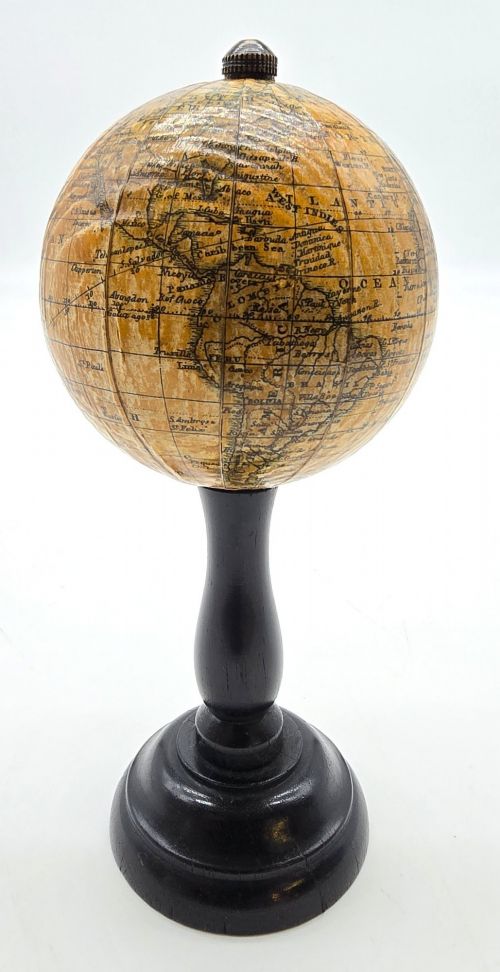
An ebonised wood stand encompasses diverse support furniture such as torchères, occasional tables, pedestals and plant stands originating largely in the nineteenth century. Victorian and Edwardian examples dominate the selection, often reflecting distinct design movements like the Aesthetic style or Moorish Revival.
Makers and designers influenced by Japanese art and Anglo-Japanese principles shaped many of these items, producing geometric frameworks and parcel-gilded surfaces. Pieces range from tall display columns to low side tables designed to hold ceramics, lamps or plants.
Materials and Construction
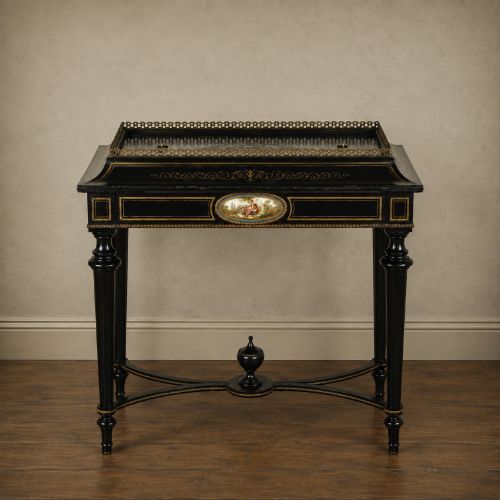
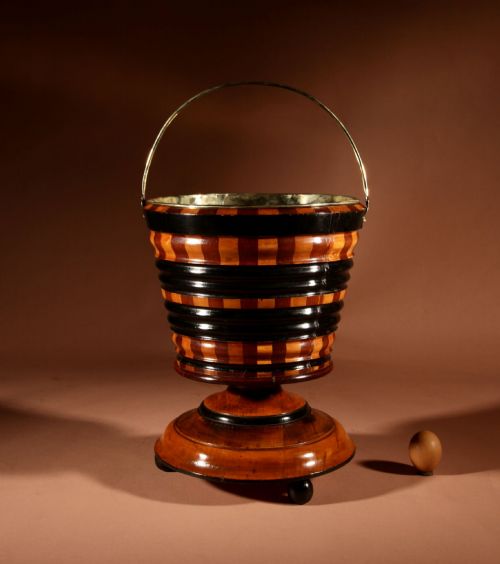
Constructed primarily from hardwood treated with a dark stain or polish to mimic ebony, these supports occasionally incorporate secondary timbers like walnut or mahogany. Surface ornamentation frequently involves parcel-gilding, painted porcelain plaques, or bone and marquetry inlay.
Bentwood techniques appear in utility stands from the early twentieth century, utilising steamed timber to achieve curved structural profiles. Joinery methods reflect period cabinet-making standards, employing stable framing to support elevated weights such as vases and globes.
Design styles present across the inventory include Aesthetic Movement, Moorish Revival, Arts and Crafts, and Anglo-Japanese.
Assessing Craftsmanship
Refinement in surface finish separates standard items from exceptional examples, particularly in the depth of the ebonisation and the precision of parcel-gilding. Superior execution shows in crisp hand-carved details, intact inlay work, and balanced structural proportions.
The integration of artistic influences, such as authentic Aesthetic Movement or Liberty style characteristics, dictates the design hierarchy. Finer specimens display harmonious material combinations, including brass mounts or hand-painted ceramic elements.
Liberty & Co.·Gillow & Co.·Druce & Co London·Thonet
The Ebonised Wood Stand Glossary
- Ebonised
- Wood treated with stain, paint or polish to imitate the dark, dense appearance of ebony. This finish became especially popular during the Victorian era for decorative furniture.
- Torchère
- A tall, slender stand or pedestal designed to support a candle, lamp or decorative object. Originating in the seventeenth century, nineteenth-century versions often featured ebonised or carved ornament.
- Aesthetic Movement
- A nineteenth-century design current emphasising art for art's sake and incorporating Japanese artistic motifs. Ebonised woodwork frequently served as a backdrop for this style.
- Parcel-gilt
- Partially gilded with gold leaf or powder, highlighting specific carved details or mouldings against a dark background. It contrasts brightly with ebonised timber.
- Bentwood
- Wood that has been heated with steam to render it pliable, allowing manufacturers to bend it into curved structural shapes. This technique defined many twentieth-century coat and hat stands.
Ebonised Wood Stand: Frequently Asked Questions
What is an ebonised wood stand used for?
These supports serve primarily to elevate and display decorative objects, plants, lamps or small sculptures within a room. Their slender profiles allow them to occupy corners or tight spaces without dominating the floor plan.
Historically, homeowners used them to showcase imported ceramics, art pottery or bronze figures under optimal lighting conditions. Today, they function both as practical display surfaces and as sculptural elements that introduce dark vertical lines to an interior.
How do I date a Victorian ebonised stand?
Dating relies on examining stylistic cues, construction methods, and material combinations typical of the nineteenth century. Aesthetic Movement and Anglo-Japanese designs usually point toward the middle and late decades of the era.
硬件 and joinery details offer further clues, alongside any maker marks or retailer stamps found beneath the top surface. Comparing the decorative motifs, such as incised gilt lines or turned elements, helps narrow the period of manufacture.
How do I care for an ebonised finish?
Maintaining the surface requires gentle dusting with a soft, dry cloth to prevent micro-scratches on the dark polish. Avoiding abrasive cleaners and moisture ensures the black stain and any gilt highlights remain intact.
Applying microcrystalline wax periodically helps protect the timber and maintain a subtle sheen without attracting dust. Keeping the stand away from direct sunlight and dramatic humidity changes prevents the wood from drying or warping.