
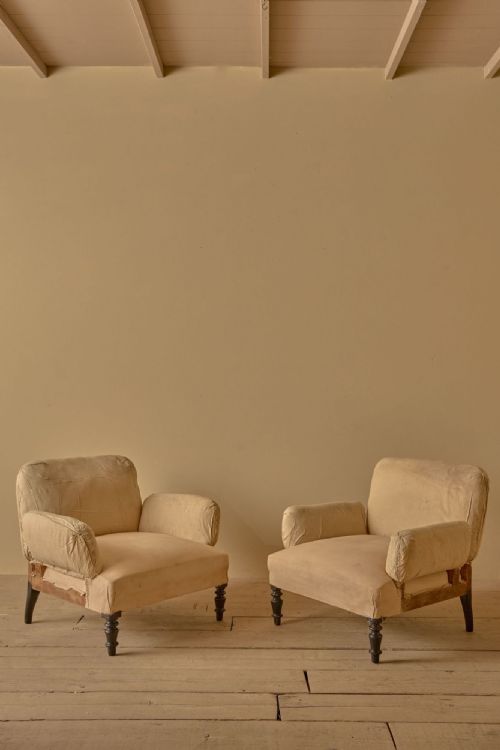
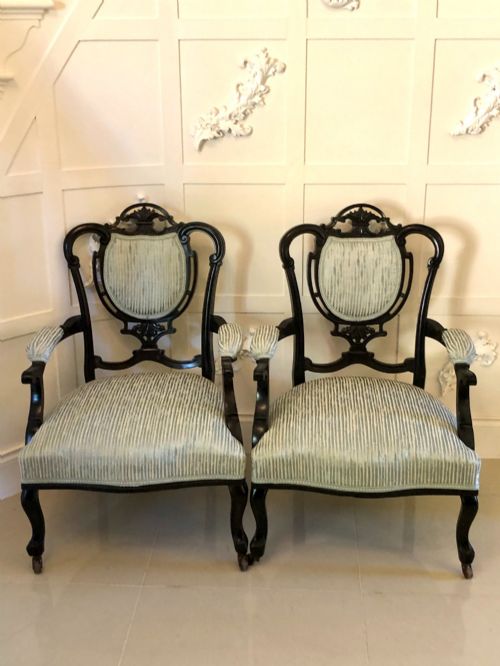
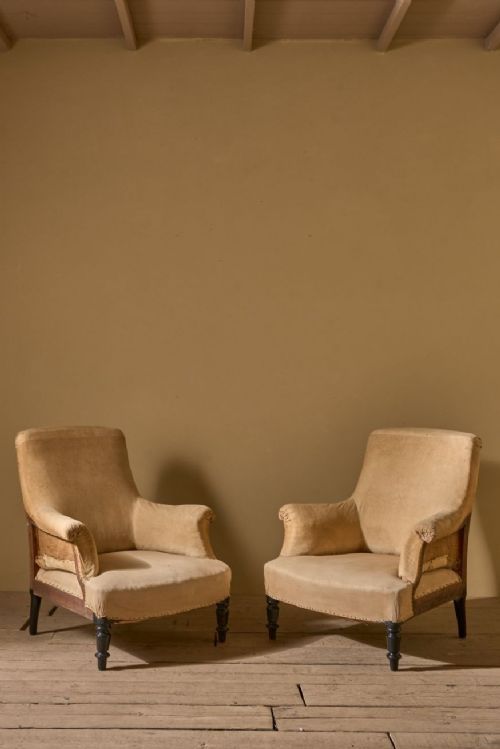
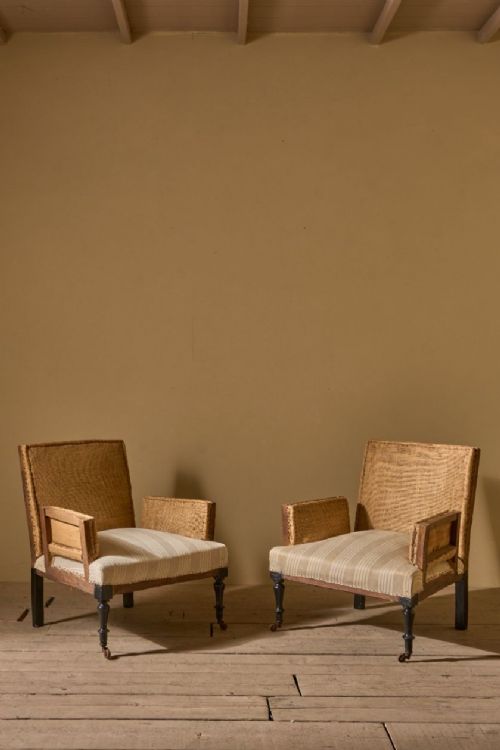

Ebonised Upholstered Chair
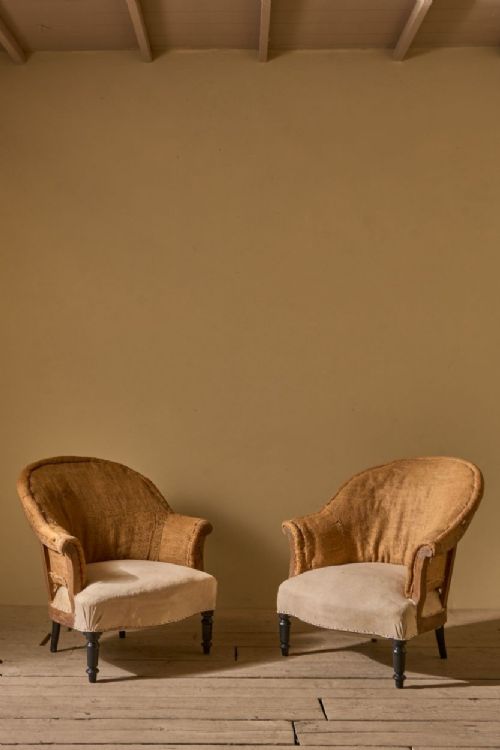
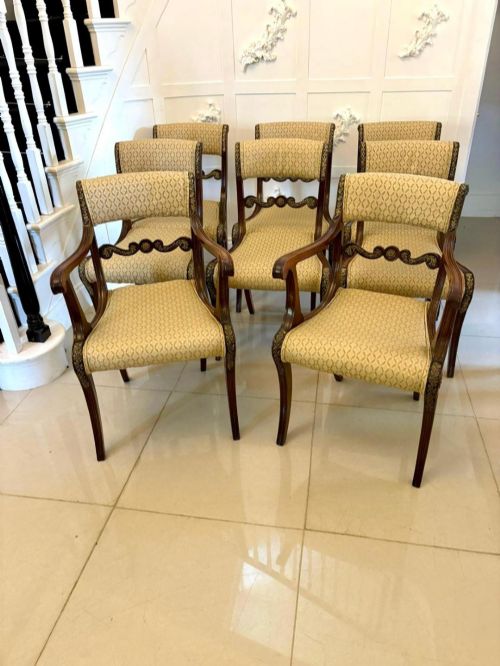
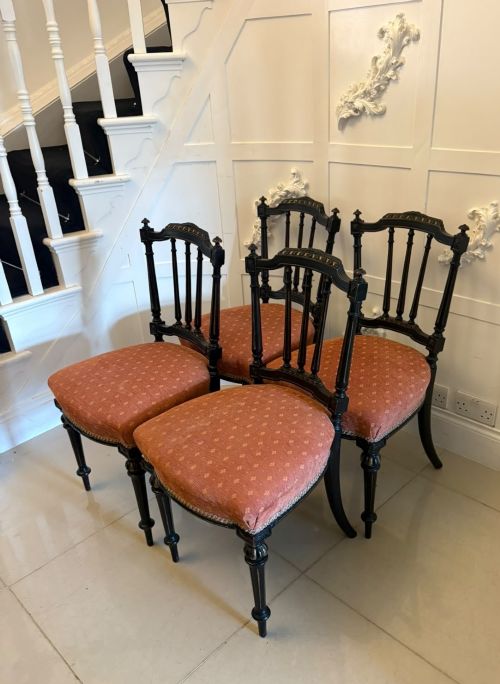
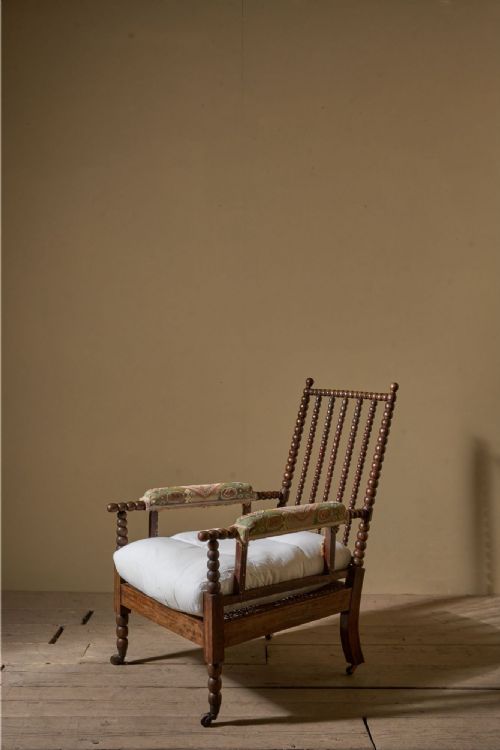
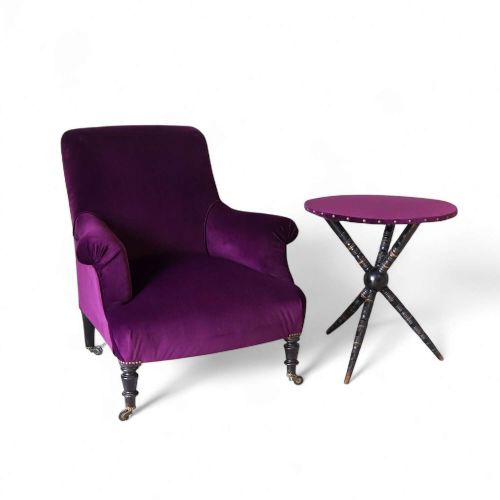
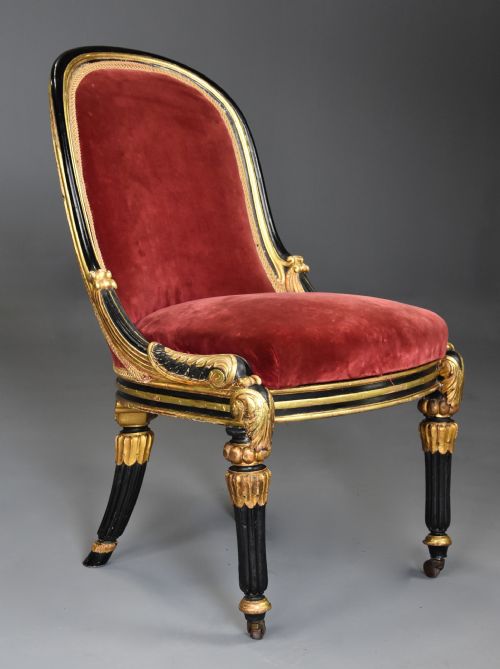
An ebonised upholstered chair brings dark wood and soft textiles together, offering a striking silhouette for the drawing room or bedroom.
Ebonised Upholstered Chair
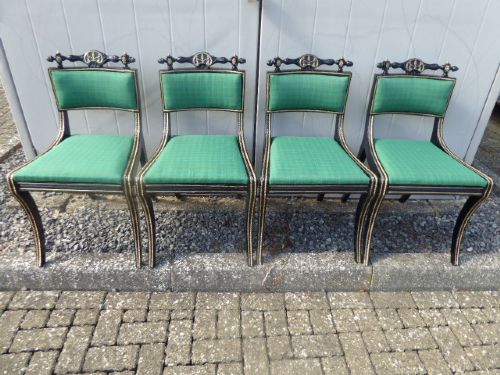
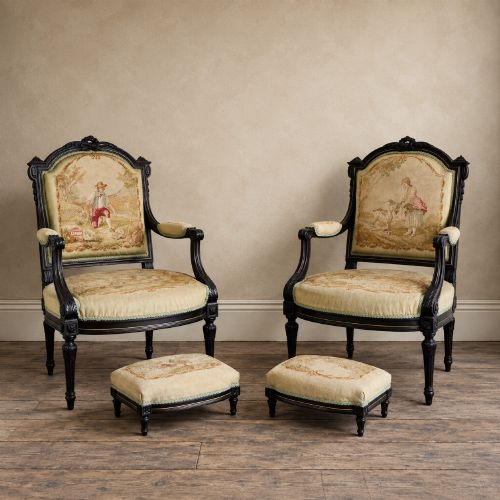
An ebonised upholstered chair brings together dark, darkened wood frames and cushioned seating, spanning dining rooms, salons, and bedrooms. These pieces appear frequently in nineteenth century and Victorian formats, alongside Regency and twentieth century examples.
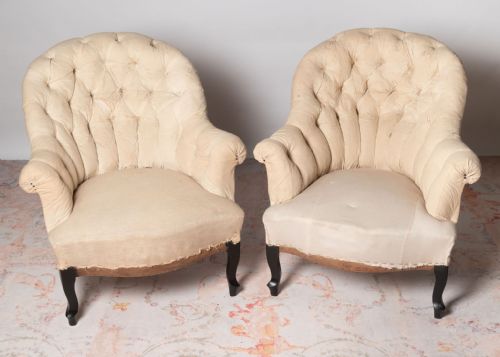
Armchairs, nursing chairs, and dining chairs dominate the selection, often accompanied by daybeds and side chairs. Many originate from French workshops or English makers, reflecting Victorian and Aesthetic Movement tastes.
Materials and construction
Frames utilise beech, oak, and mahogany, treated with dark ebonising finishes or simulated rosewood to mimic costly ebony. Gilt details and brass hardware frequently highlight the carved woodwork.
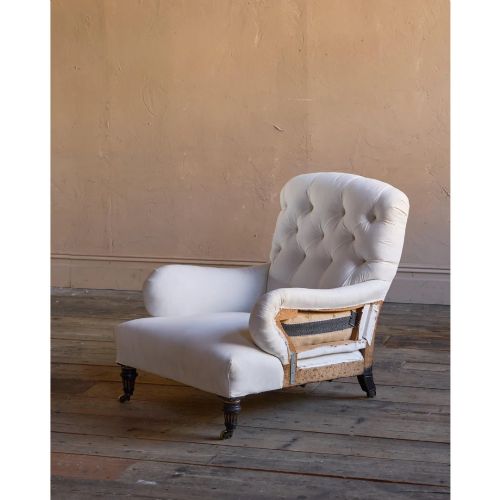
Upholstery relies on traditional stuffing secured with hessian and calico foundations, finished in velvet, fabric, or leather. Buttoning and decorative braid complete the textile work on arms and backs.
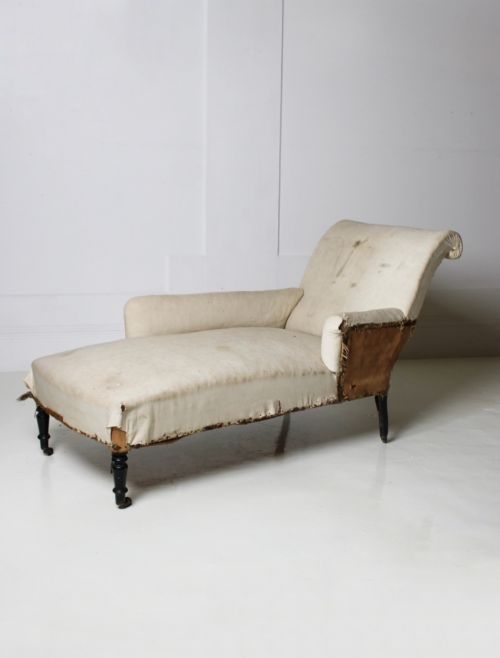
Napoleon III daybeds and slipper chairs reveal a Victorian dedication to lounging in absolute, buttoned-down comfort.
Distinctions in quality
Quality rests in the crispness of the ebonised finish and the depth of the timber carving, distinguishing simple bedroom pieces from exhibition standard dining sets. Original gilt highlights and structural joinery stability mark superior examples.
The sophistication of the upholstery frame, from plain square backs to high buttoned curved shapes and carved oak arms, determines the visual weight of the piece.
Lamb of Manchester
The Ebonised Upholstered Chair Glossary
- Ebonised wood
- Timber stained or painted black to imitate ebony. This finish became popular during the nineteenth century for furniture mimicking oriental styles.
- Nursing chair
- A low-seated armchair designed for comfort near the nursery hearth. These often feature buttoned upholstery and compact dimensions.
- Aesthetic Movement
- A nineteenth century style prioritising artistic design over narrative content. Pieces from this movement often incorporate ebonised frames and gilt detailing.
- Napoleon III
- A French design period spanning the mid nineteenth century. It encompasses richly upholstered seating, tub chairs, and buttoned armchairs.
Ebonised Upholstered Chair: Frequently Asked Questions
What is an ebonised upholstered chair?
An ebonised upholstered chair is a seat featuring timber stained black to resemble ebony, paired with fabric, velvet, or leather padding. These pieces date primarily from the nineteenth century.
They serve as functional seating and decorative accents across drawing rooms, bedrooms, and dining spaces.
How do I identify an Aesthetic Movement chair?
Aesthetic Movement chairs typically display ebonised wood frames, sometimes accented with gilt or subtle carving. They reflect late nineteenth century design priorities focused on artistic craftsmanship.
Look for slender legs, occasional brass castors, and simple geometric or buttoned upholstery forms.
Where were these chairs used in the home?
These chairs served various domestic roles depending on their form. Nursing chairs sat low for comfort, while dining chairs gathered around the table.
Salon armchairs and bedroom chairs provided occasional seating in private quarters and reception rooms alike.
Are these chairs suitable for daily use?
Many of these chairs remain robust enough for daily use, provided the frame joinery and internal webbing are secure. Antique upholstery foundations often benefit from professional restoration to ensure comfort.
Placing them out of direct sunlight preserves both the ebonised finish and the textile coverings.