

Ebonised Tea Table
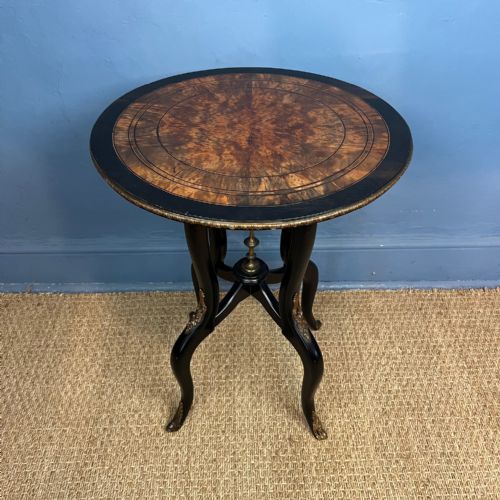
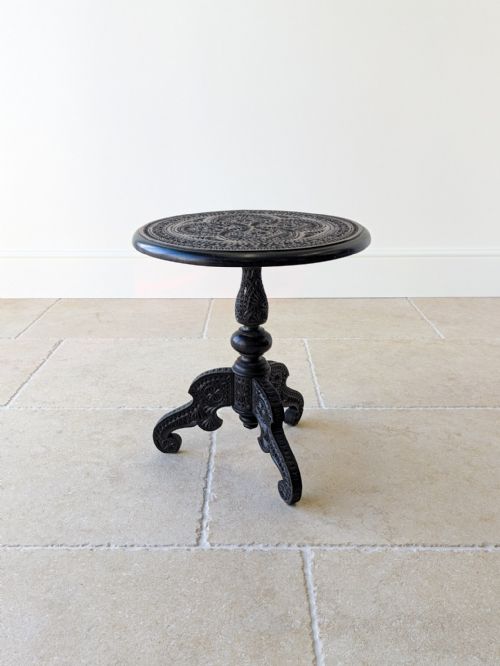
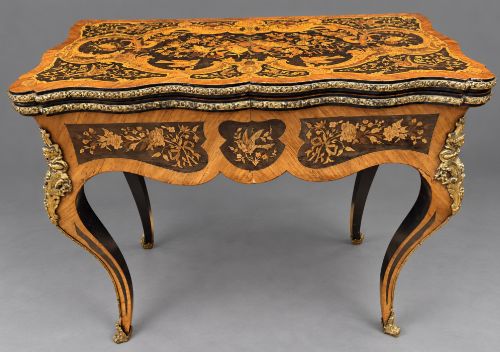
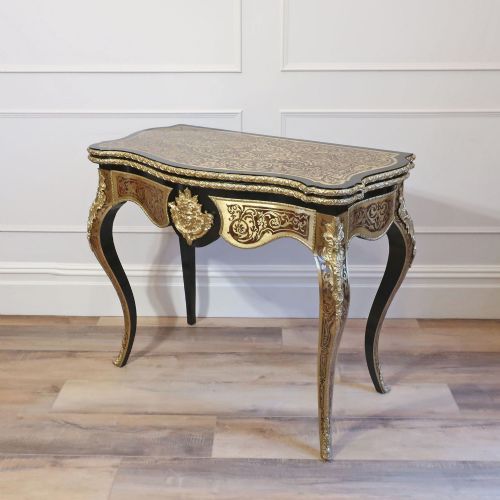
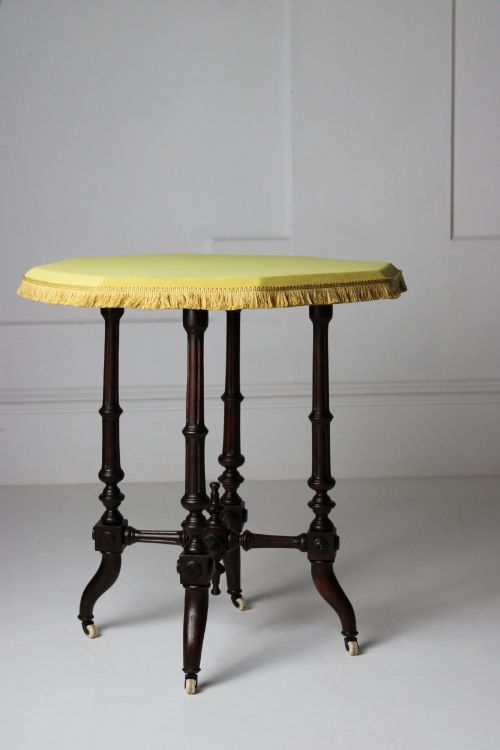
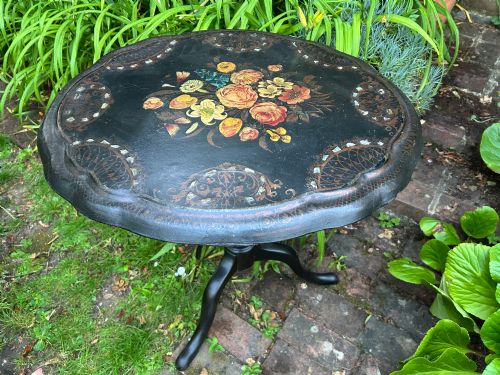
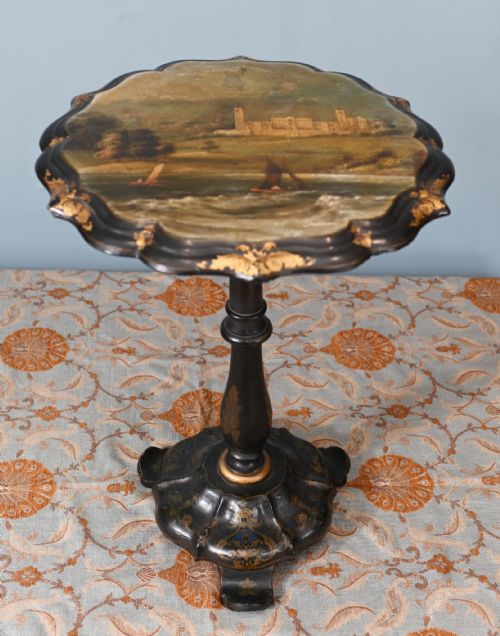
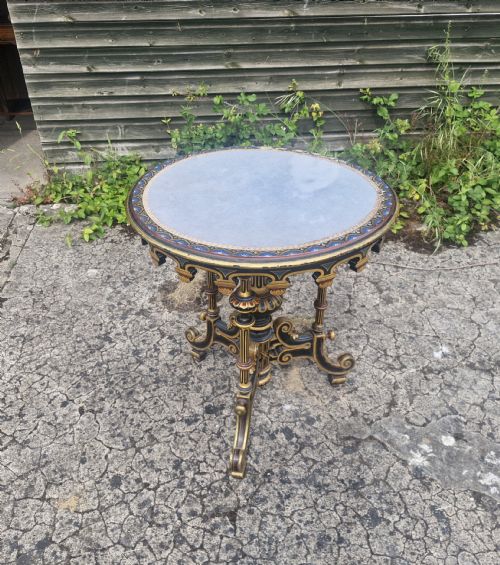
These ebonised tea tables combine dark surfaces with period craftsmanship, offering a striking centrepiece for any reception room.
Ebonised Tea Table
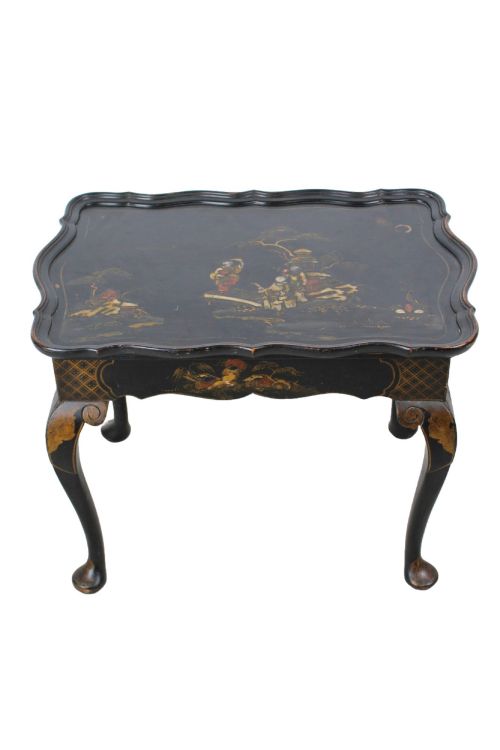
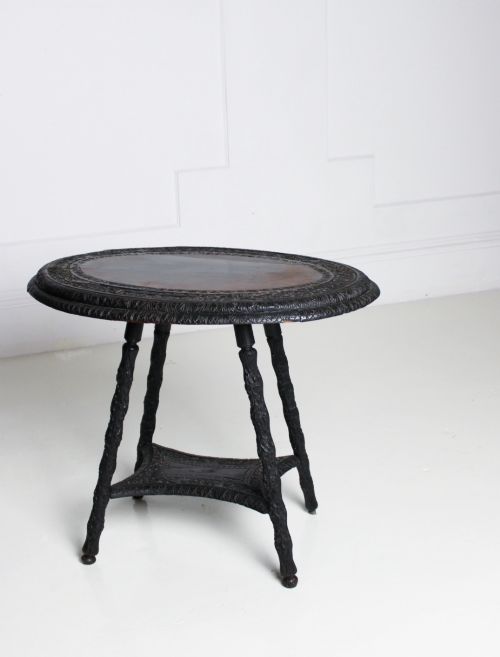
An ebonised tea table brings together dark wood finishes and formal entertaining history, appearing across Victorian, Edwardian, and nineteenth-century periods. These pieces serve primarily as occasional, side, centre, card, or Sutherland tables within domestic interiors.
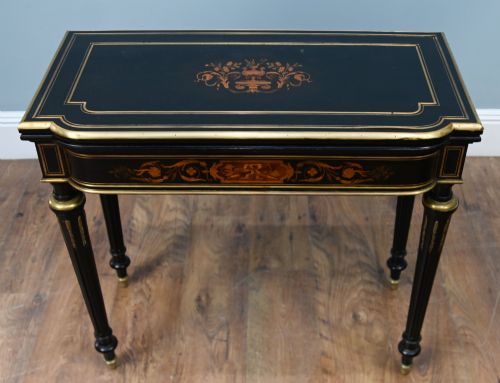
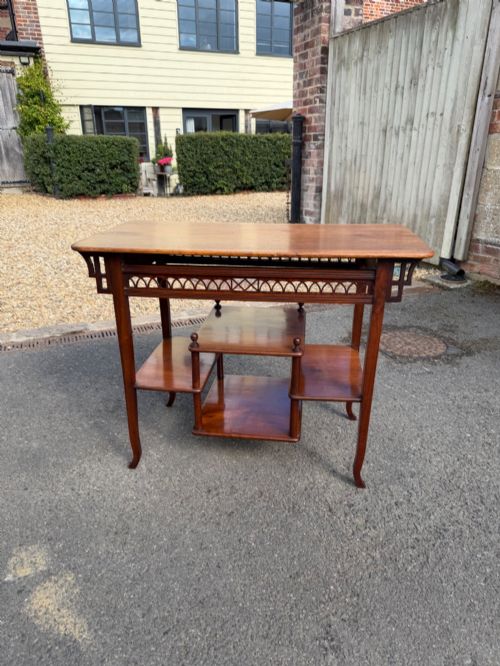
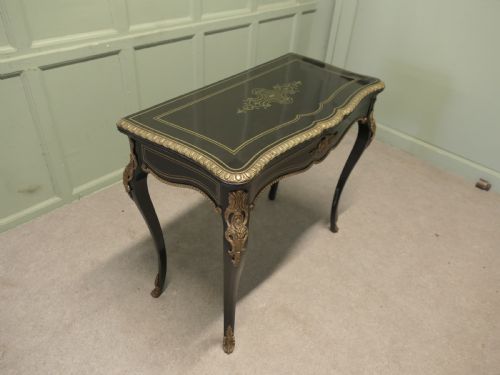
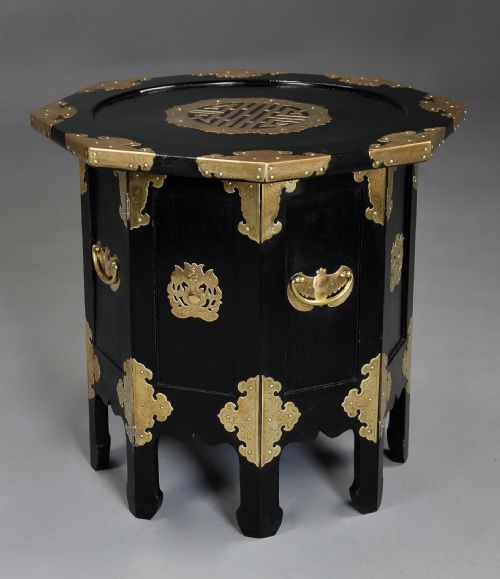
The aesthetic movement and Anglo-Moorish styles heavily influence the surviving examples, alongside Liberty style adaptations. Forms range from large octagonal centre tables to folding card tea tables and small mahogany drop-leaf designs.
How They Were Made
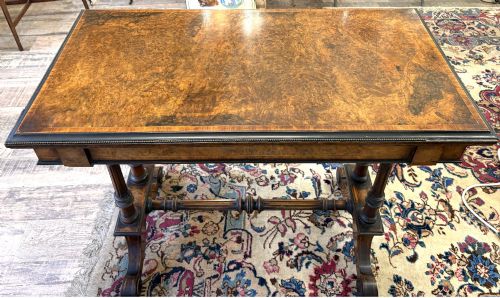
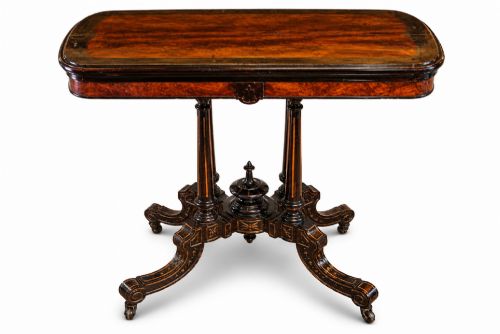
Joiners constructed these tables using ebonised wood, ebonised mahogany, and walnut, frequently incorporating burr walnut veneers. Metal components like brass add structural and decorative detail to the framework.
Artisans applied dark finishes to imitate costly ebony, sometimes combining the ebonised surfaces with gilt decoration, particularly on folding card tea tables.
Ebonised Tea Table Retail Price Guide 2026
Typical asking prices for ebonised tea table among the pieces listed under this phrase on Sellingantiques today, from the lower quarter to the upper quarter. They describe what is for sale here now, not the wider market.
Materials across the selection include ebonised wood, walnut, brass, and burr walnut.
What Varies in Quality
The distinction between standard production and superior craftsmanship lies in the execution of stylistic details, such as the intricacy of Anglo-Moorish fretwork or Aesthetic Movement carving. Material selection also dictates worth, where solid ebonised mahogany or figured burr walnut elevate the object above simpler constructions.
Makers known for high-tier output, including Bertram and Son, distinguish themselves through refined joinery and sophisticated proportion. The integration of complex mechanical functions, such as folding card table mechanisms or Sutherland drop-leaf actions, further separates ordinary pieces from masterworks.
Bertram and Son
The Ebonised Tea Table Glossary
- Ebonised
- Wood treated with stain or paint to resemble dense, black ebony. This dark finish gained immense popularity during the Victorian era.
- Aesthetic Movement
- A late nineteenth-century design style prioritising visual beauty over narrative subject matter. Pieces from this movement often feature ebonised surfaces and stylised motifs.
- Anglo-Moorish
- A hybrid design style combining British Victorian forms with Islamic architectural details. These tables frequently display intricate fretwork and exotic geometric patterns.
- Sutherland Table
- A narrow drop-leaf table with hinged flaps supported by pivoting legs. This clever space-saving design originated in the nineteenth century.
- Burr Walnut
- Wood sliced from walnut tree growths, producing swirling, highly decorative grain patterns. Cabinet makers used this prized material for tabletops and veneers.
Ebonised Tea Table: Frequently Asked Questions
What is an ebonised tea table?
An ebonised tea table is a dark-finished Victorian or Edwardian wooden table designed for parlour use, often linked to the Aesthetic Movement.
These pieces range from fixed octagonal centre tables to folding card and Sutherland tables.
How do I date an ebonised table?
Dating relies on stylistic clues like Aesthetic Movement motifs, Anglo-Moorish fretwork, and construction materials such as burr walnut.
Most surviving examples date from the 1870s through the Edwardian period.
Were these tables used for serving tea?
Many tables served as surfaces for tea service, while folding card tables accommodated evening games.
Their versatile designs also suited general display and occasional use in reception rooms.
What materials are used in these tables?
Craftsmen utilised ebonised wood and ebonised mahogany, alongside walnut and burr walnut veneers.
Brass hardware frequently appears as a decorative or functional addition.