


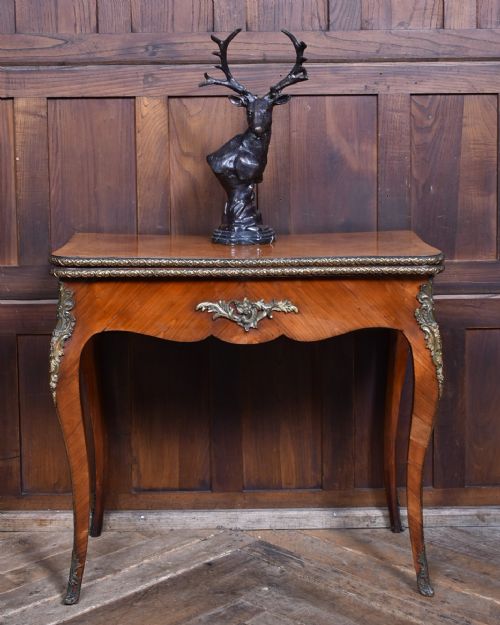

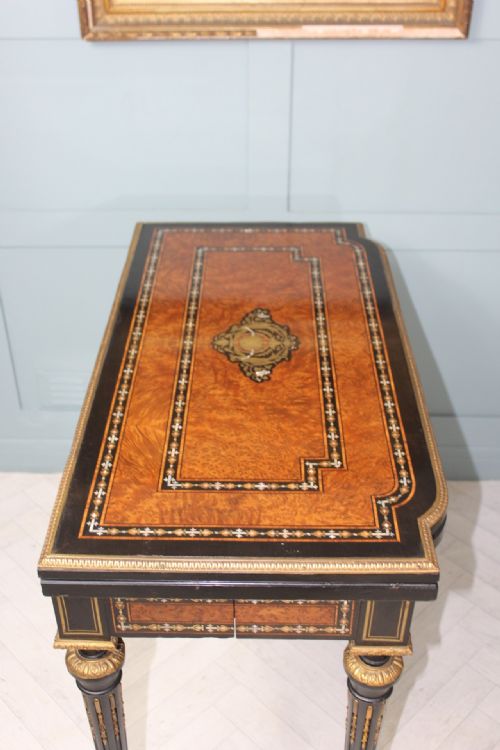
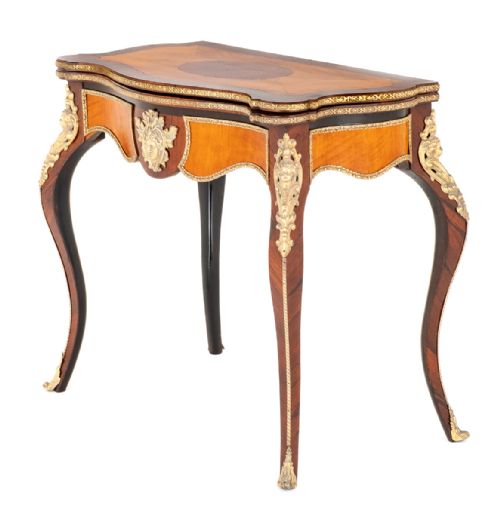

Brass Mounted Card Table
These brass mounted card table pieces bring folding surfaces of mahogany, rosewood, and kingwood together with crisp metal mounts for an elegant games room.
Understanding the brass mounted card table
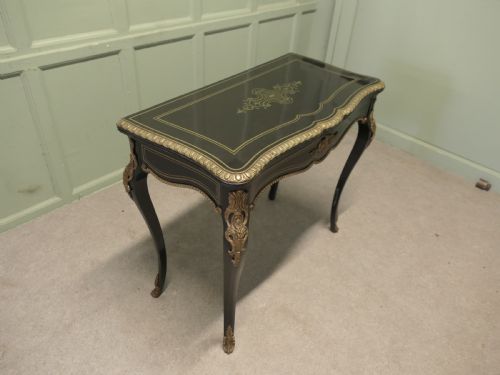
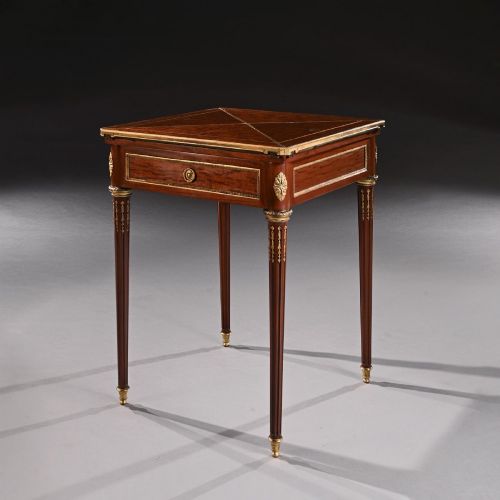
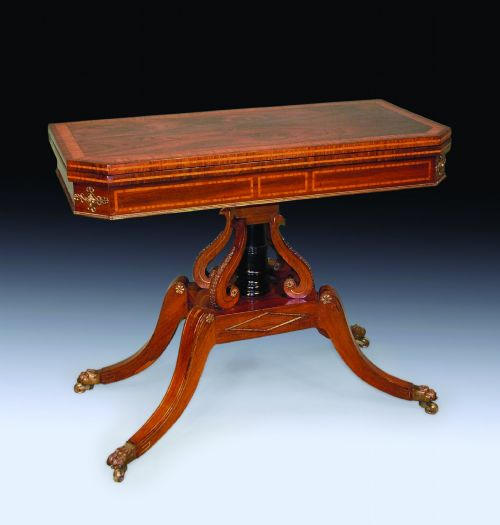
A brass mounted card table is a folding furniture form designed for social gaming, appearing across the Victorian, Regency, and Napoleon III periods in varied timber and metal combinations. These pieces typically present a fold-over top that reveals a baize-lined playing surface when opened.
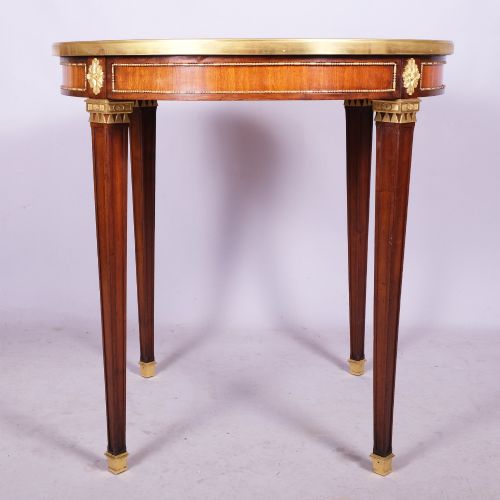
The versions most commonly met on this page span the nineteenth century, including French styles like Louis XVI Revival, Napoleon III, and Directoire alongside British Regency and Victorian interpretations. Makers and workshops from Paris and Britain utilised exotic timbers such as rosewood, mahogany, and ebonised wood for these adaptable surfaces.
Forms range from simple mahogany examples to intricately inlaid marquetry models adorned with mother-of-pearl and gilt-brass mounts. Whether built as a pair or as a singular games table, each piece combines domestic utility with decorative brass enrichment.
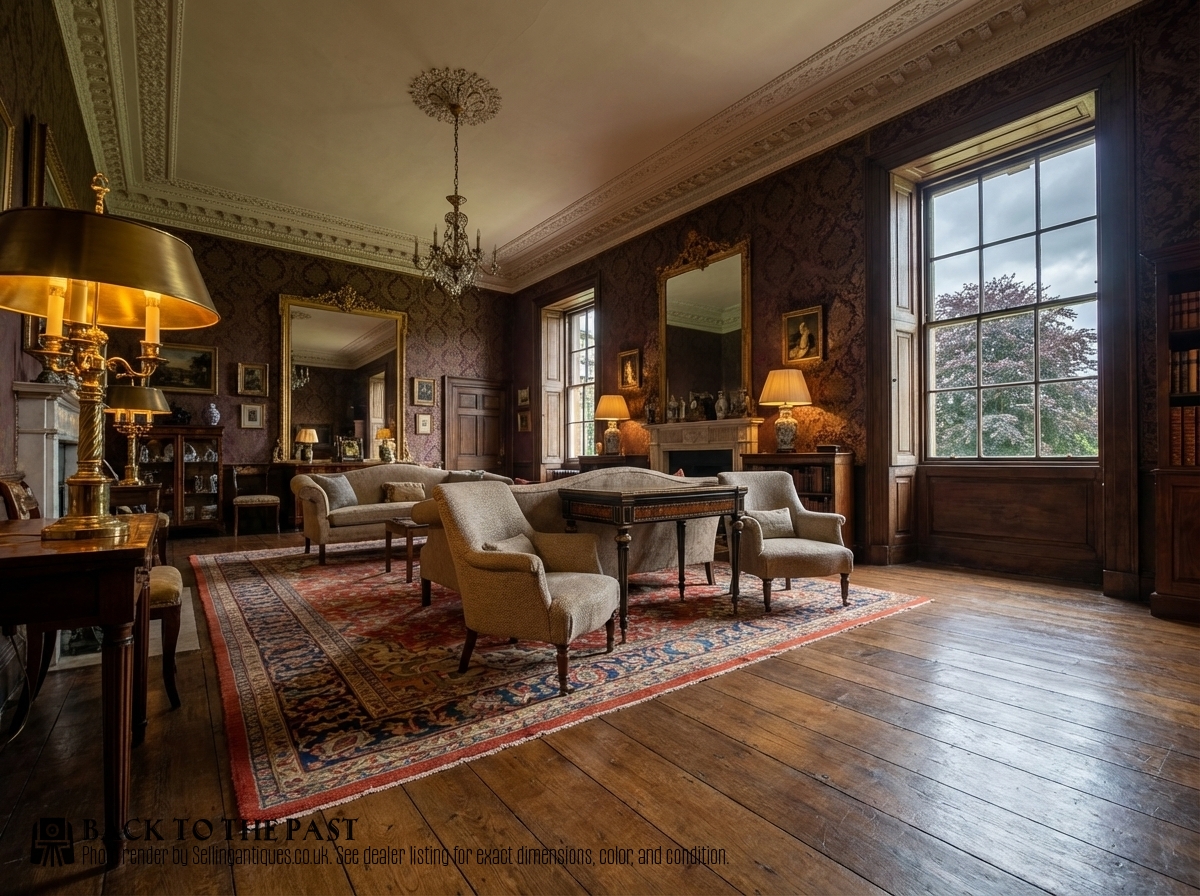
Materials and construction
Cabinetmakers constructed these tables using dense hardwoods like mahogany, rosewood, burr walnut, and kingwood, often over a secondary timber frame, alongside ebonised wood surfaces. Marquetry inlay, ebony detailing, and mother-of-pearl accents were frequently embedded directly into the primary timber tops.
Metalwork played a defining structural and decorative role, utilising brass stringing, gilt-brass mounts, and ormolu to edge and accent the woodwork. Hinges, rotating pivots, and folding mechanisms allowed the tops to turn and open smoothly while securing the dual-surface tops.
Retail Price Guide 2026
Typical UK retail prices for brass mounted card table, calculated from the Sellingantiques database of over a million retail prices indexed since 2003. This retail price guide relies exclusively on Sellingantiques data; no external sources or auction records are used, so the figures do not describe the wider market.
Listings feature mahogany, rosewood, kingwood, burr walnut, and ebonised wood paired with brass, ormolu, and mother-of-pearl.
Distinctions in craftsmanship
The distinction between standard and superior pieces rests on the precision of the timber selection and the integration of the metal mounts. Finely figured rosewood, burr walnut, and complex marquetry indicate elevated workshop standards, especially when paired with hand-chased ormolu and meticulous brass inlay.
Structural integrity in the folding and pivoting mechanisms dictates everyday utility, separating robustly engineered tables from simpler variants. The crispness of the ebonising, the depth of the mother-of-pearl work, and the balance of the brass mounts govern the visual success of the piece.
Antoine Lampre
The Brass Mounted Card Table Glossary
- Ormolu
- Gilded bronze used for decorative mounts and accents on furniture. It provides a bright metallic contrast to dark woods like mahogany and rosewood.
- Marquetry
- The art of applying decorative veneer pieces in various woods and materials to form intricate patterns. It frequently decorates French nineteenth-century surfaces.
- Ebonised
- Wood treated to resemble heavy, dark ebony. This finish was popular during the Napoleon III period and provides a stark backdrop for brass details.
- Directoire
- A transitional French style preceding the Empire period, characterised by restrained neoclassical lines and elegant proportions. Pieces from this era often feature subtle brass mounts.
- Kingwood
- A dense, beautifully figured South American timber with distinctive dark violet-brown grain. It was prized by cabinetmakers for fine marquetry and border work.
Frequently Asked Questions
What is a brass mounted card table?
A brass mounted card table is a folding piece of furniture designed for indoor games, featuring timber construction enriched with brass inlay or gilt-metal mounts.
These tables typically include a top that swivels and folds open to reveal a baize-lined playing surface.
How were these card tables used?
These tables served as functional furniture for card games, social gatherings, and parlour entertainment in nineteenth-century homes.
When closed, they functioned as side tables or console surfaces against a wall until needed for play.
How do I identify the period of a card table?
Dating relies on stylistic clues, timber choices, and specific decorative idioms such as Regency Greek key motifs or Napoleon III ebonising.
Cabinetmaking techniques and the specific mix of brass mounts and veneers help narrow the decade of production.
Are these tables sturdy enough for daily use?
Most surviving examples are structurally robust, built by nineteenth-century cabinetmakers using dense hardwoods like mahogany and rosewood.
Care should be taken with the pivoting and folding mechanisms when opening the top to protect the original hinges and timber joints.