


Ebonised Lamp Stand
An ebonised lamp stand brings dark, dramatic wood finishes and structural height to a room, ranging from slender standard lamps to low occasional tables.
Ebonised Lamp Stand
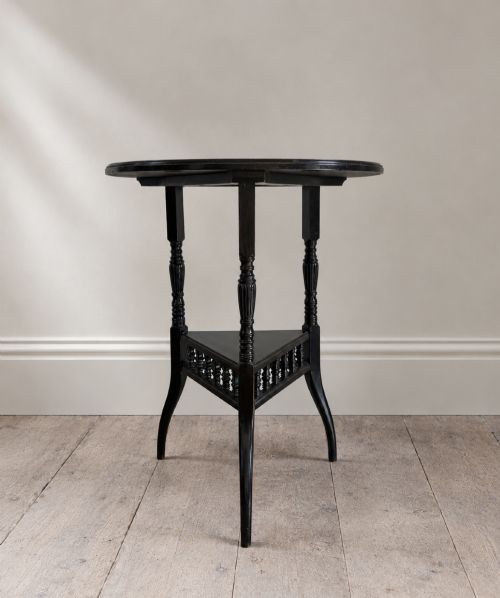
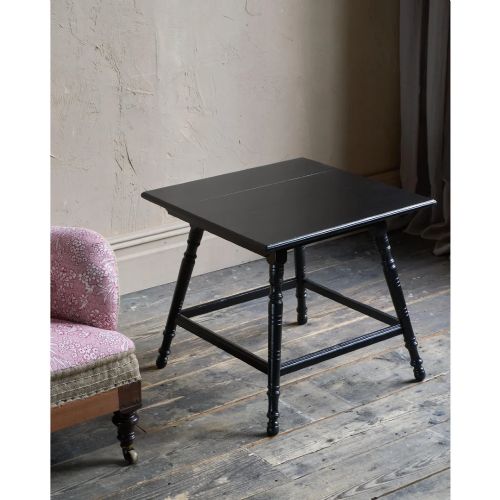
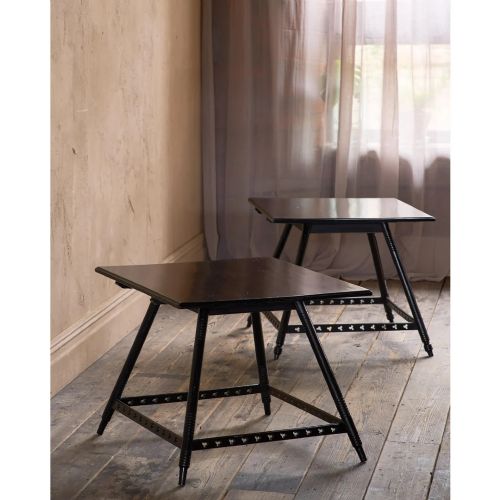
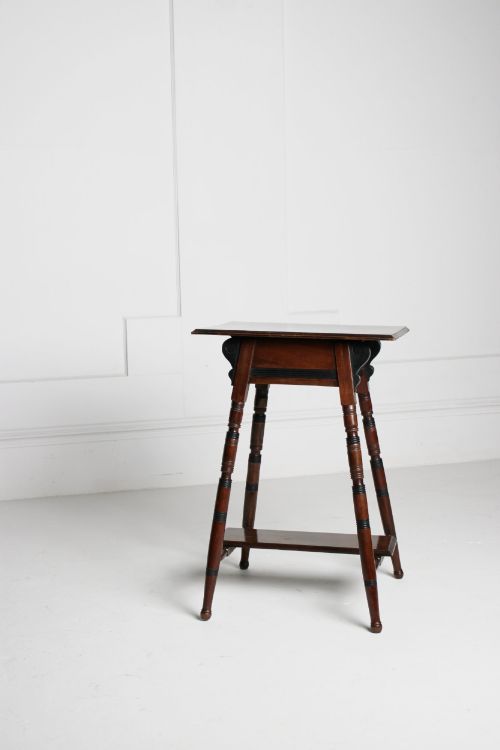
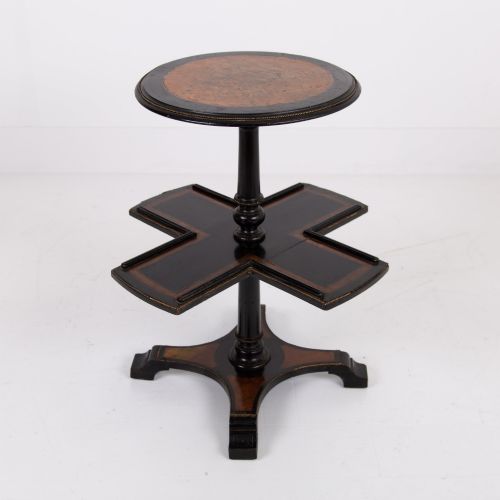
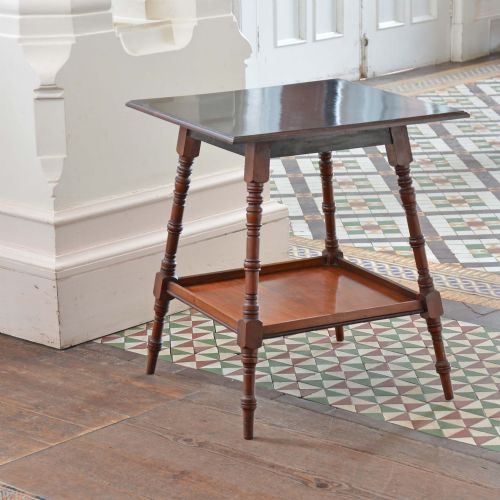
When you search for an ebonised lamp stand, you encounter a varied selection of dark-finished wooden furnishings designed to support illumination or display decorative objects. The inventory spans floor-standing standard lamps alongside occasional tables, side tables, and torcheres that function equally well as display surfaces for lighting.
The objects originate primarily across the nineteenth and early twentieth centuries, capturing shifts in design from Victorian and Aesthetic Movement tastes through to Arts and Crafts, Art Deco, and 1920s French styles. Many reflect global influences, including Anglo-Japanese aesthetics, Chinese imports, and Moorish or Hoshiarpur traditions.
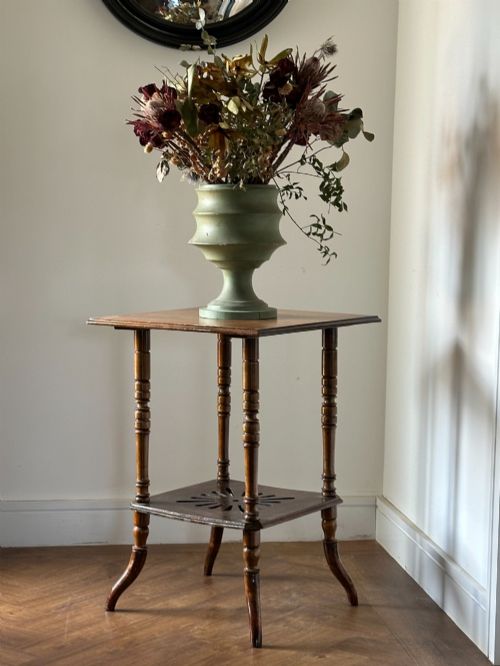
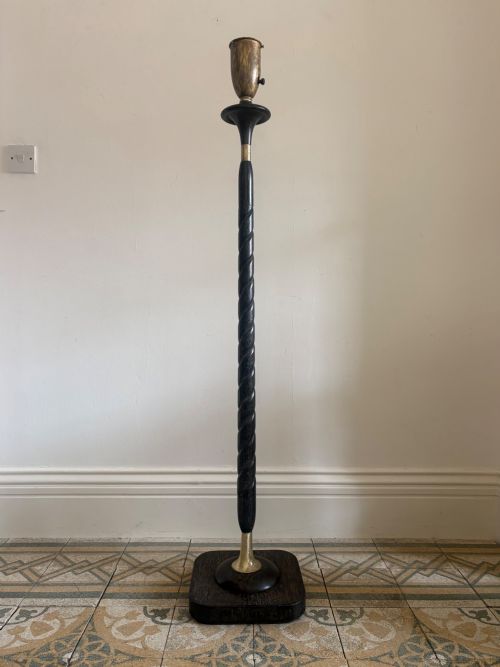
You are most likely to meet pieces constructed from ebonised wood and hardwood, frequently paired with secondary materials such as brass, marble, walnut, and rosewood. Forms range from simple circular and square occasional tables to barley twist floor lamps and tall pedestals.
How they were made
Maker's workshops utilised dense timbers such as hardwood, walnut, mahogany, and rosewood, applying an ebonising process to simulate the rich, dark appearance of genuine ebony. This treatment involved staining or painting the wood surface to achieve a deep black finish, sometimes accented with parcel gilt or hand-painted details.
Construction techniques combined traditional joinery with decorative inlays, incorporating materials like bone, marquetry, brass fittings, and inset marble tops. Floor standards and torcheres often integrated turned wooden elements, such as barley twist columns, or adjustable brass mechanics for lighting control.
Some Victorian tables doubled as gentle gypsies, ready to pack up their portable charm.
What varies in quality
The standard of craftsmanship is visible in the depth and durability of the ebonised finish and the precision of any applied marquetry, bone inlay, or hand-painted ornamentation. Superior examples display crisp turning on columns and sturdy joinery that maintains structural integrity under weight.
Material selection also dictates value, with secondary elements like solid marble tops, heavy brass fittings, and fine timbers such as rosewood or walnut elevating the piece beyond standard hardwood constructions.
Hindley and Sons·Druce and Co London·Humphrey Hopper·Liberty and Co
The Ebonised Lamp Stand Glossary
- Ebonised
- Wood treated with a dark stain or finish to imitate ebony. This technique was widely utilised during the Victorian and Aesthetic periods.
- Torchere
- A tall ornamental stand designed to hold a lamp or candle. These pieces often feature slender pedestals and elevated platforms.
- Marquetry
- Decorative veneer applied to furniture in geometrical patterns or pictorial designs. Makers frequently incorporated contrasting woods and bone.
- Barley Twist
- A column or leg carved in a spiral rotation resembling a twisted rope. This turned detail appears frequently on nineteenth and early twentieth-century standards.
- Aesthetic Movement
- A late nineteenth-century design style emphasising visual beauty over narrative content. Pieces often show Japanese influence and ebonised surfaces.
Ebonised Lamp Stand: Frequently Asked Questions
What is an ebonised lamp stand?
An ebonised lamp stand is a piece of furniture finished in a dark, ebony-simulating stain, specifically designed to support lighting or display decorative items. These objects include both vertical floor-standing standards and low occasional tables.
The category encompasses diverse historical styles, ranging from nineteenth-century Victorian designs to Arts and Crafts and 1920s French pieces. They serve as functional furnishings that also introduce strong graphic lines to an interior.
How were these stands used historically?
Historically, these stands held oil lamps, candles, or early electric standard lamps to illuminate specific areas of a room. Table-height versions functioned as occasional surfaces beside seating.
Taller torcheres and plant stands were positioned in corners or hallways to display decorative objects, urns, or floral arrangements, elevating them to eye level.
How do I style an ebonised stand today?
An ebonised stand works effectively as a contrasting accent piece against lighter walls or neutral upholstery. Use floor lamps beside reading chairs or place smaller tables next to sofas.
Because the dark finish is visually grounding, these pieces anchor a room's decor while providing practical surfaces for modern lamps or curated objects.
How do I tell Victorian from later pieces?
Victorian examples often feature heavier proportions, elaborate turned wood, or rich inlays such as bone and marquetry. They frequently align with the Aesthetic Movement or high Victorian tastes.
Later pieces from the 1920s or Art Deco periods typically exhibit cleaner lines, geometric forms, or alternative pairings with chrome and solid oak.