

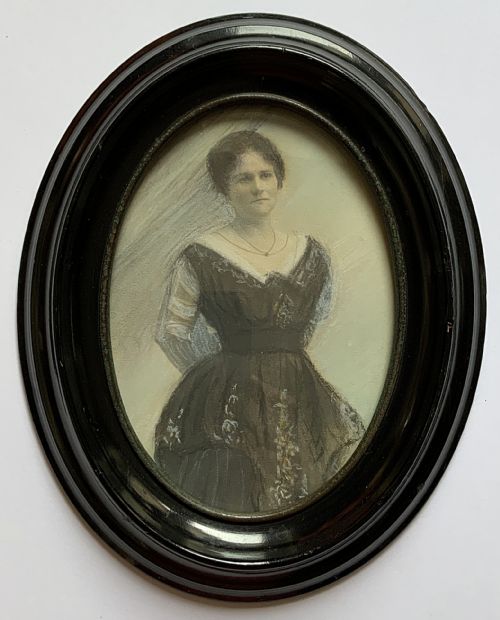
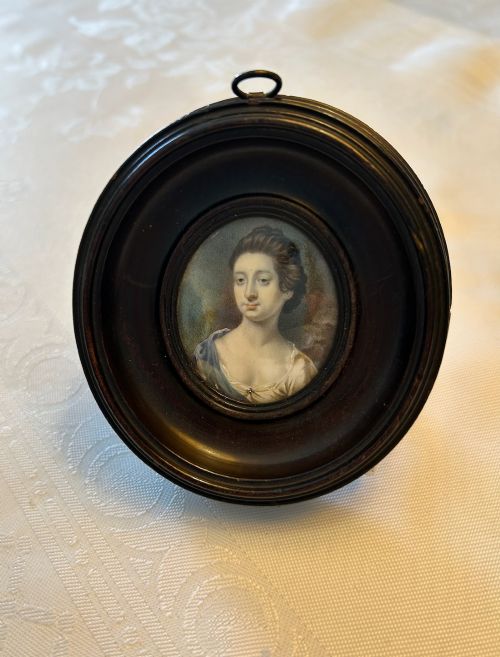


Ebonised Framed Watercolour
These ebonised framed watercolour works combine dark timber mouldings with delicate paper studies, offering a traditional focal point for panelled walls.
Ebonised Framed Watercolour
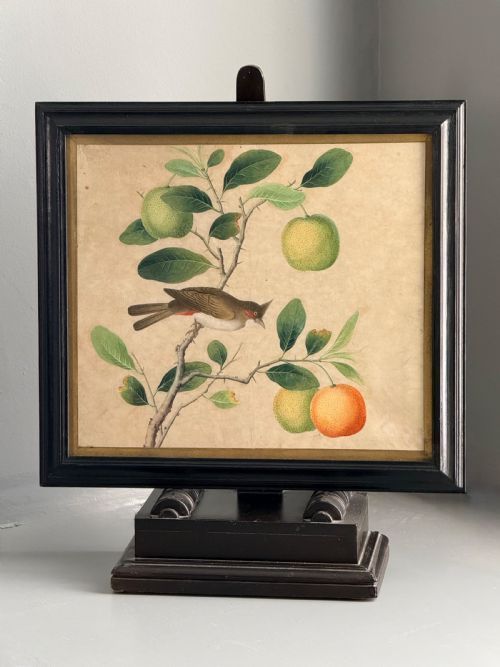
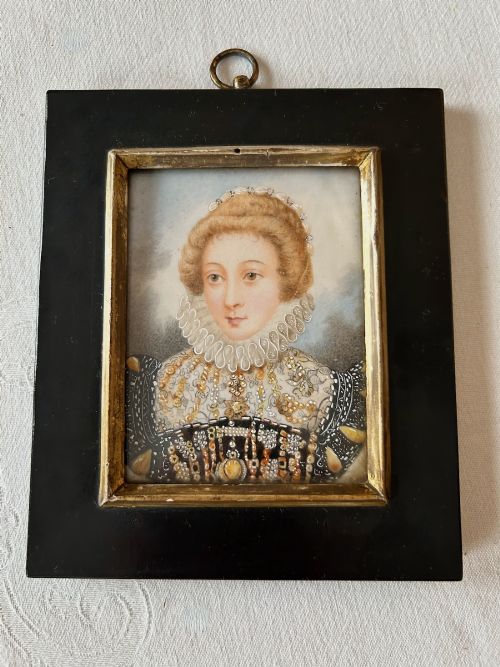
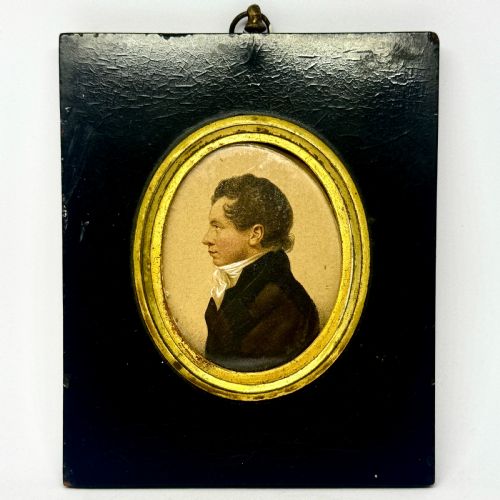
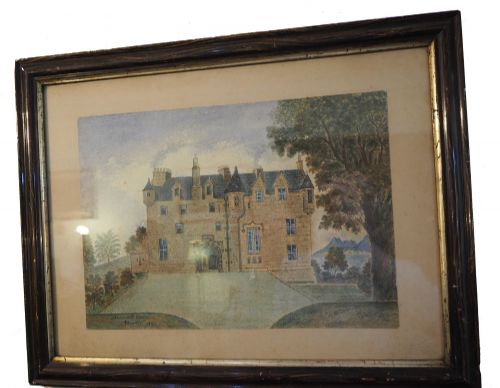
An ebonised framed watercolour typically presents a miniature portrait, landscape or study executed on paper, card or pith paper, set behind protective glass within a dark, darkened wood housing. These pieces span the eighteenth, nineteenth and early twentieth centuries, capturing subjects from British and European portraiture to Chinese export scenes.
The most common formats on this page are miniature portrait paintings and oval studies originating from the Georgian, Regency and Victorian eras. Makers utilised dark wood frames to provide a sharp contrast that draws the eye directly to the painted pigments within.
How they were made
Artisans prepared supports of paper, card or delicate pith paper, applying watercolours, gouache or pastel pigments by hand. Portrait miniatures often required fine brushes to capture minute facial details and textiles.
The dark frames were typically constructed from wood finished with ebonising stains or black polish to imitate costly ebony. Many examples incorporate glass protection and deep giltwood mounts or brass fittings to enhance the visual depth of the artwork.
Ebonised Framed Watercolour Retail Price Guide 2026
Typical asking prices for ebonised framed watercolour among the pieces listed under this phrase on Sellingantiques today, from the lower quarter to the upper quarter. They describe what is for sale here now, not the wider market.
The selection includes British and European portrait miniatures, folk art studies, landscapes, and Chinese export paintings on pith paper.
What varies in quality
The integrity and originality of the dark wooden frame also influence the overall standard, alongside the preservation of the original glass and mounting materials. Untouched nineteenth-century framing adds substantive character compared to later replacements.
Henri Fradelle·Archibald Skirving·Jeremiah Steele·N Millett
The Ebonised Framed Watercolour Glossary
- Ebonised wood
- Timber treated with stain, dye or polish to simulate solid ebony. This dark finish was especially popular during the Regency and Victorian periods for framing works on paper.
- Pith paper
- A delicate material prepared from the cellular pith of the Tetrapanax papyrifer plant. It receives watercolour and gouache pigments with a distinctive velvety texture.
- Portrait miniature
- A small-scale painting executed with immense detail. These works were frequently produced on ivory, card or paper during the eighteenth and nineteenth centuries.
- Giltwood mount
- A carved or moulded wooden border finished with gold leaf or metallic paint. It sits inside the outer frame to separate the dark wood from the watercolour.
- Gouache
- An opaque watercolour medium composed of pigment mixed with a binding agent and white filler. It creates flat, dense areas of colour on paper supports.
Ebonised Framed Watercolour: Frequently Asked Questions
How should I hang an ebonised framed watercolour?
Keep these works away from direct sunlight to prevent the watercolour pigments and paper supports from fading over time. Ambient moisture should also be controlled to protect the paper and the wooden frames.
Group them on neutral walls where the dark timber borders can provide a strong visual contrast. Smaller portrait miniatures work well in intimate spaces or arranged in small gallery groups.
Are these frames original to the watercolours?
Many pieces retain their original ebonised wood frames, particularly those dating from the Georgian and Victorian eras. Period framing often displays minor surface wear that reflects age and handling.
Examine the backboards and fixings for signs of period construction, such as old nails or hand-cut backing papers. Original glass may exhibit slight bubbles or imperfections typical of early manufacturing.
What is pith paper?
Pith paper is a fragile, spongy material derived from plant stems, frequently utilised in Chinese export paintings during the nineteenth century. It absorbs watercolour and gouache to produce rich, velvety tones.
Because of its delicate nature, works on pith paper require secure framing behind glass to prevent crumbling or tearing. They represent a distinct category within nineteenth-century trade art.
How do I date an ebonised framed watercolour?
Dating relies on a combination of costume details in portraiture, painting techniques, and the construction methods of the frame. Georgian and Regency pieces often feature specific clothing styles and looser framing profiles.
Examine any inscriptions on the reverse of the backing board or paper. Material choices, such as the use of card versus early pith paper, also help narrow down the period.