
Framed Equestrian Portrait
A framed equestrian portrait captures the noble stance of a horse and rider in oils, pastels, or mezzotints, bringing centuries of sporting heritage to your wall.
Framed Equestrian Portrait
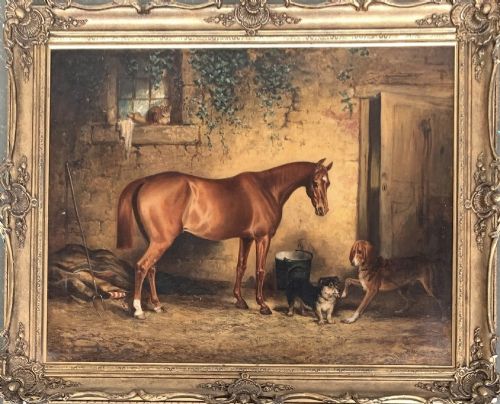
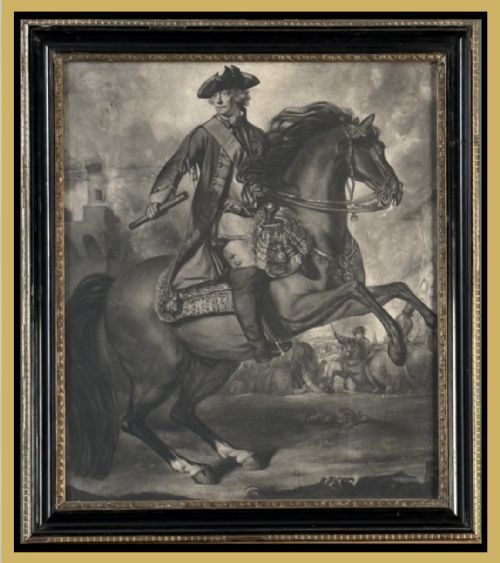
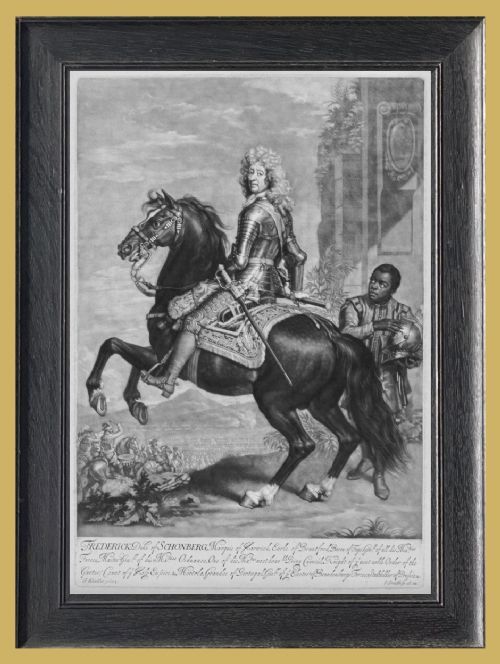
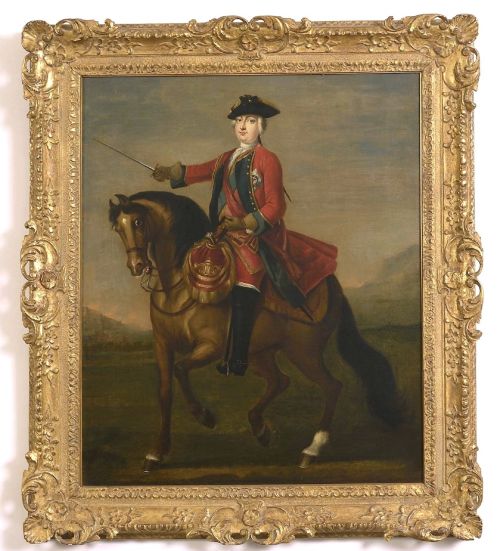
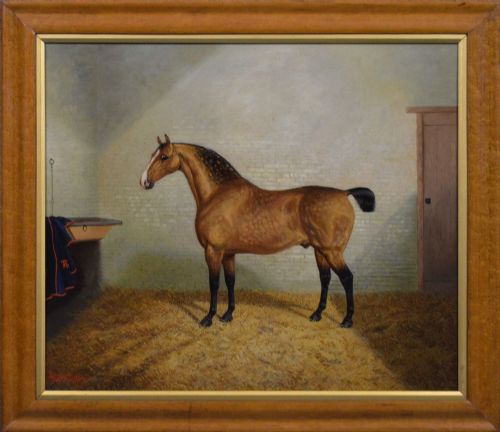
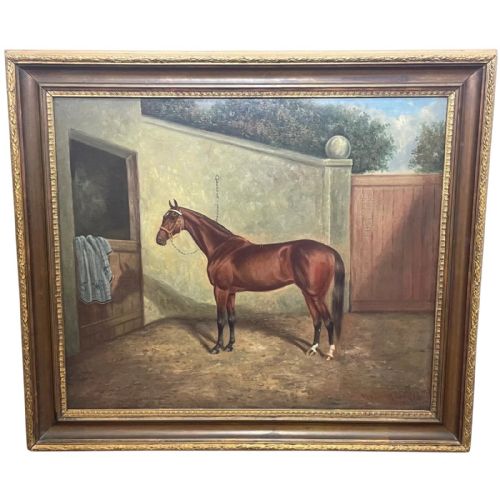
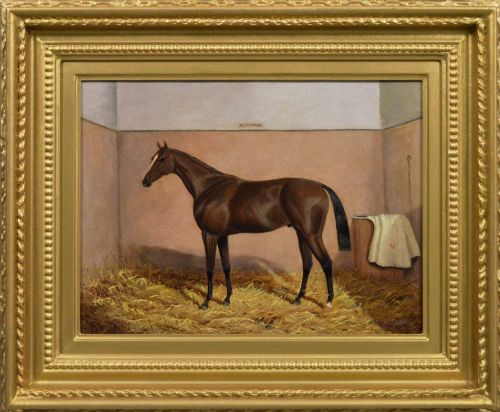
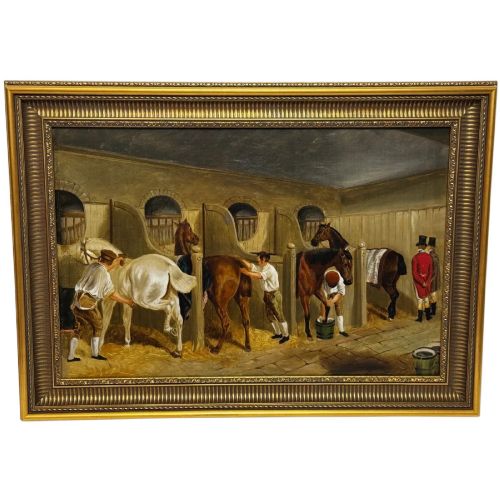
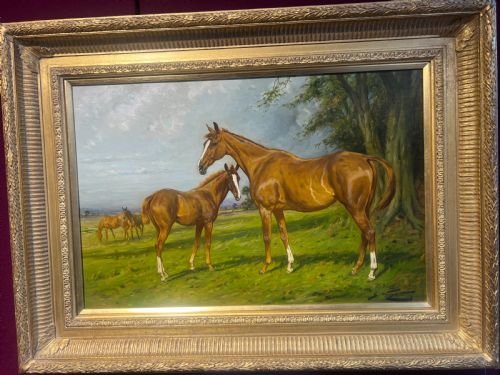
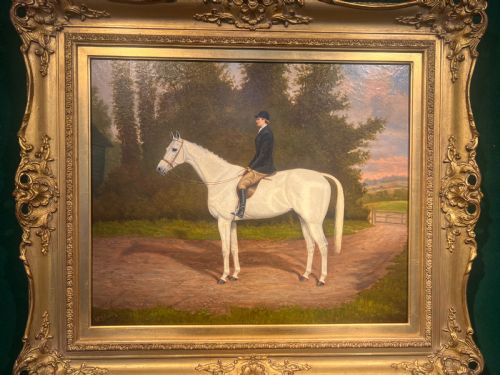
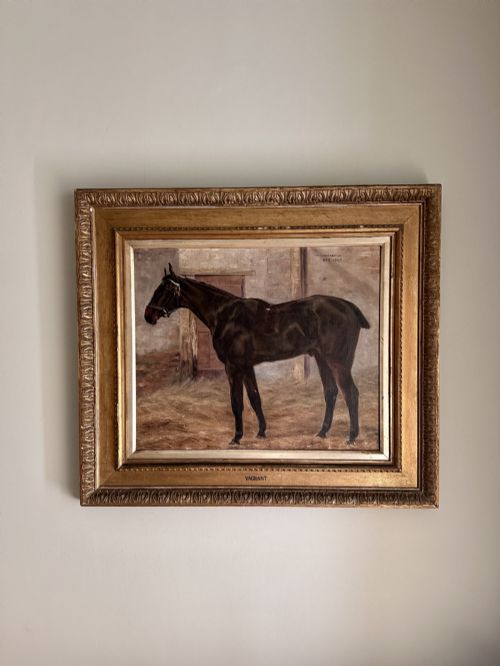
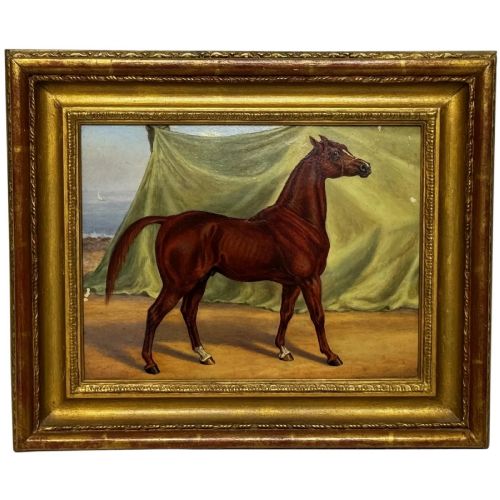
A framed equestrian portrait focuses on horses and riders, ranging from majestic racehorses to working hunters captured in domestic stables or open landscapes. These works reflect a long British tradition of sporting art, documenting prized thoroughbreds, military figures, and local race winners.
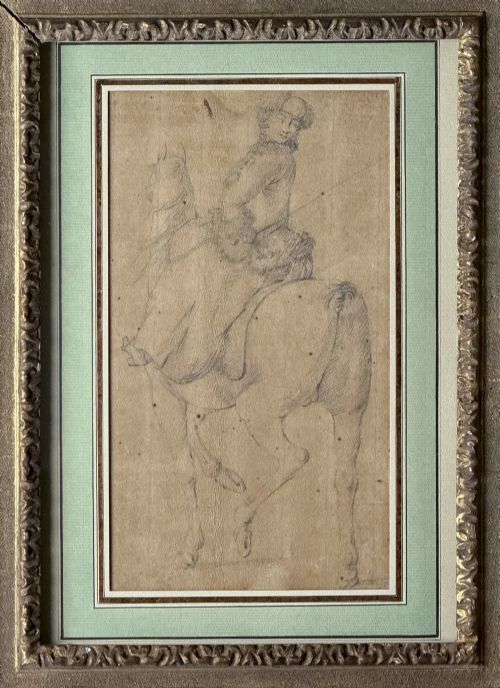
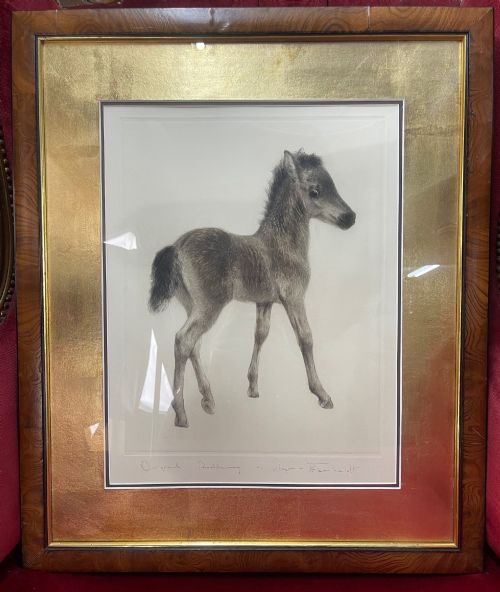
The selections available span multiple centuries, with Victorian and 19th-century canvases forming the core of the group alongside 18th-century pieces and mid-20th-century studies. Buyers encounter various scales, from intimate framed drawings on paper to large oil paintings housed in ornate giltwood frames.
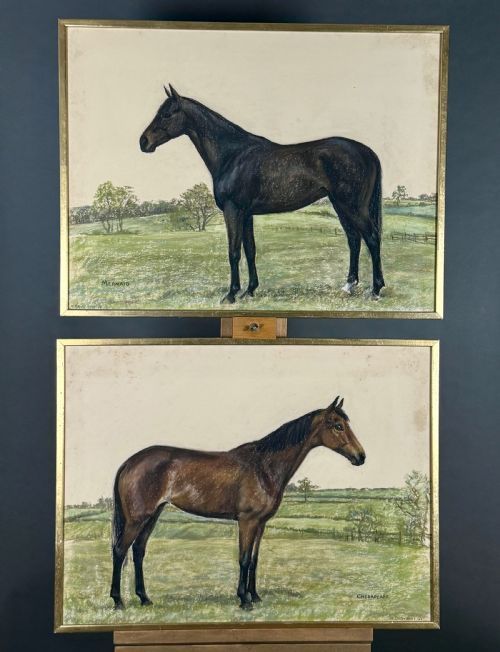
Subjects include named champions like Spion Kop and Flying Fox alongside anonymous mares, stable views, and hunting scenes. Each piece places the animal firmly at the centre of the composition, often recording specific bloodlines, owners, or historic racing venues.
What varies in quality
Anatomical accuracy and proportion separate standard decorative works from master equine studies, as skilled painters captured the precise shift of muscle and bone in motion. The rendering of light across a horse's coat and the perspective of the surrounding landscape reveal the hand of a trained artist.
Provenance and documentation elevate certain pieces, particularly when a canvas names the specific horse, jockey, or estate, linking the artwork to historical racing records. The preservation of the original paint surface, free from heavy restoration or stable grime, dictates the visual clarity of the portrait.
Several horses captured on canvas share wall space with nineteenth-century steam locomotives and royal jockeys.
Henry Barraud·Edward Fisher·John Smith·Kurt Meyer Eberhardt·Albert Clark·Fred Fitzpatrick·Ernest Payne·Edward Priestley·Thomas Walker Bretland·John Ferneley Senior
The Framed Equestrian Portrait Glossary
- Mezzotint
- A printmaking process where the copper plate is roughened to achieve rich dark tones and subtle gradations of light. This technique was frequently utilised in the eighteenth century to reproduce painted portraits.
- Giltwood
- Wood that has been coated with a thin layer of gold leaf or gilt powder. It is commonly found on traditional picture frames surrounding nineteenth-century oil paintings.
- Drypoint
- A printmaking technique where an image is incised directly into a metal plate with a sharp needle. This creates a distinctive velvety line when inked and pressed onto paper.
- Provenance
- The documented history of ownership of an artwork from its creation to the present day. Detailed provenance often includes exhibition records and estate sales.
- Stallion
- An uncastrated adult male horse, frequently chosen as the subject for commemorative portraits of prized breeding stock and race winners.
Framed Equestrian Portrait: Frequently Asked Questions
How do I identify the age of an equestrian painting?
Dating relies heavily on the style of the clothing, the construction of the wooden stretcher bars, and the type of canvas or paper utilised. Clues also appear in the framing techniques and handwritten inscriptions on the reverse of the work.
Comparing the depicted horse breed types and racing tackle to known historical eras provides further chronological markers. Pigment analysis and artist signatures, when present, narrow the timeline down to specific decades.
Were these portraits always meant for domestic display?
Many sporting artworks were commissioned by owners to celebrate winning racehorses, successful hunting studs, or military achievements within country houses. They served as status symbols in libraries, halls, and dining rooms.
Smaller drawings and prints allowed a wider public to collect images of famous thoroughbreds and esteemed military commanders without acquiring a full-scale oil painting.
How should I care for an antique oil painting?
Keep canvases away from direct sunlight and maintain stable room temperatures to prevent the paint layer from cracking or the wood panel from warping. Gentle dusting with a soft, dry brush is sufficient for routine maintenance.
Avoid hanging pieces in damp environments such as unheated kitchens or rooms with high humidity. Professional conservators should handle any deep cleaning or structural repairs to the canvas and frame.
What is the difference between a study and a finished portrait?
Studies are typically quicker, more spontaneous works executed to capture the posture, expression, or musculature of a horse before beginning a larger composition. They often display visible pencil lines and looser brushstrokes.
Finished portraits present a highly polished, complete scene with detailed backgrounds, polished hooves, and precise tack. Both hold distinct appeal for collectors depending on their taste.