




Vintage Orientalist Wall Art
These vintage orientalist wall art pieces bring historic scenes and detailed portraiture from distant lands straight into your home.
Vintage Orientalist Wall Art
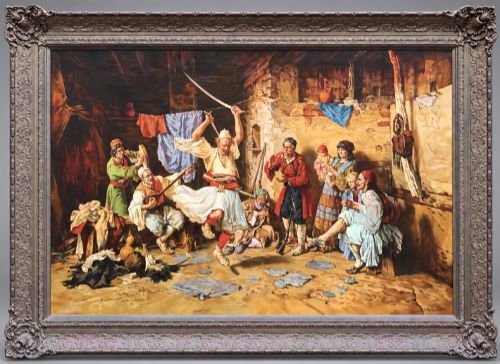
Vintage orientalist wall art encompasses framed paintings, watercolours, prints, and carved plaques produced across the nineteenth and twentieth centuries. These works frequently depict landscapes, architectural scenes, and character studies inspired by travel and cultural exchange across regions such as North Africa, the Middle East, and Asia.
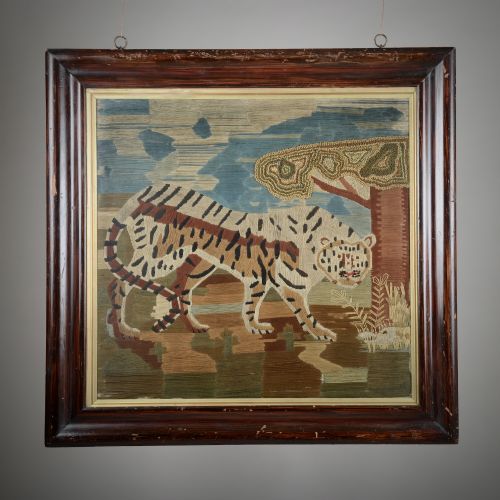
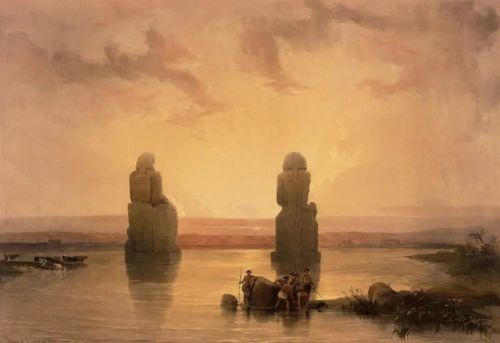
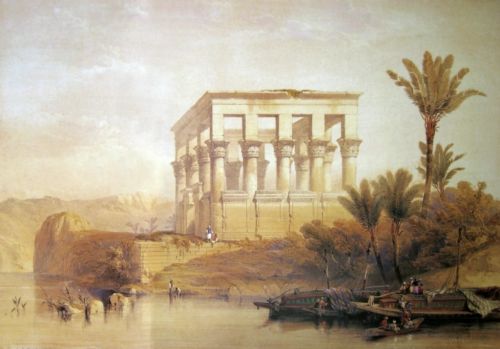
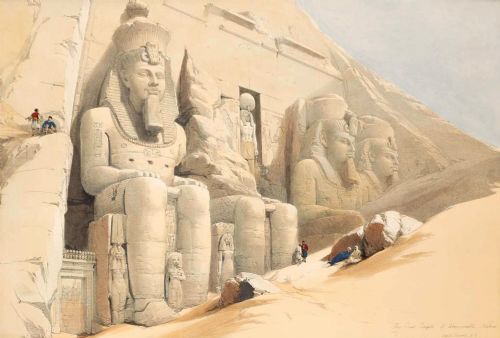
The selections available here range from nineteenth-century oil paintings and Victorian prints after David Roberts to early twentieth-century watercolours, gouache landscapes, and carved wooden plaques. Buyers will encounter diverse physical forms, including framed prints, oil on panel portraits, and textile works.
Originating across multiple periods spanning the 1800s through the mid-twentieth century, these items reflect varied perspectives of distant cultures through European and regional artistry. The category includes everything from photographic prints of famous paintings to original watercolours and architectural dioramas.
How they were made
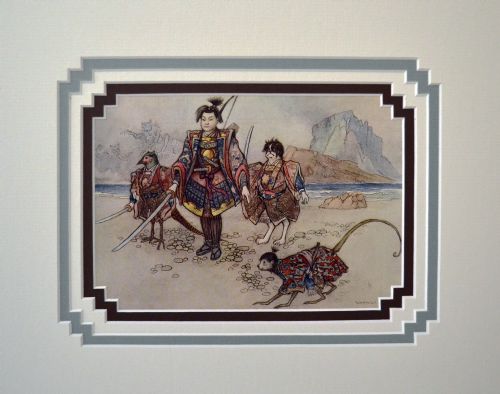
Makers utilised canvas, paper, wood, and glass as the primary supports for these artworks, applying oil paint, watercolour, gouache, and ink by hand. Many pieces incorporate specialised techniques such as encaustic on canvas, photogravure, and coloured lithography.
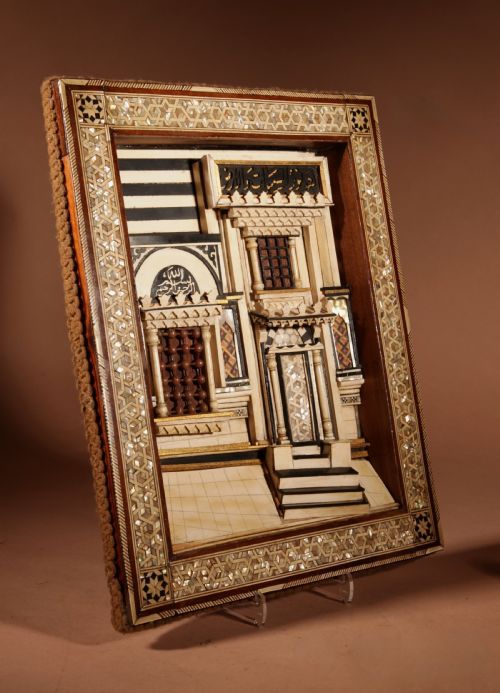
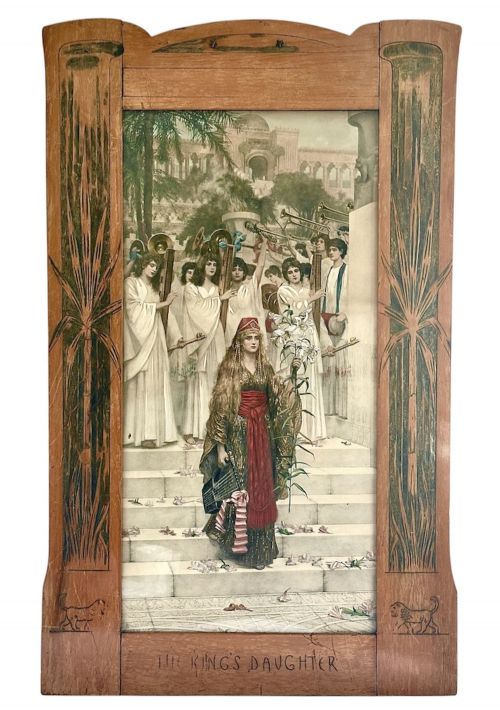
Carved wooden plaques and relief architectural dioramas demonstrate skilled carpentry and joinery, occasionally enhanced with bone inlay or intricate surface details. Framing often involves ebonised wood or period-appropriate surrounds that complement the graphic or painted surface.
Vintage Orientalist Wall Art Retail Price Guide 2026
Typical asking prices for vintage orientalist wall art among the pieces listed under this phrase on Sellingantiques today, from the lower quarter to the upper quarter. They describe what is for sale here now, not the wider market.
The selection includes nineteenth and twentieth-century pieces executed in oil, watercolour, gouache, and ink on canvas, paper, and wood.
What varies in quality
The finesse of the brushwork or carving defines the upper tier of these works, distinguishing master hand-painted oils and detailed watercolours from mass-produced prints or simpler decorative items. Original compositions by documented artists command greater attention than reproduction lithographs.
The integrity of the underlying materials, from high-grade canvas and heavy paper to solid carved wood and bone inlay, establishes longevity. Preserved original framing and stable pigment condition further elevate the standing of an individual piece.
David Roberts·Herbert Gustave Schmaltz·Warwick Goble·Otto Pilny·Abdul Kadir Al Rassam·Alexandre Decamps·Richard Wilson
The Vintage Orientalist Wall Art Glossary
- Lithography
- A printing process using a flat stone or metal plate on which image areas are receptive to ink and non-image areas are repellent. This technique enabled the mass production of coloured prints in the nineteenth century.
- Gouache
- An opaque water-based paint consisting of pigment, water, and a binding agent such as gum arabic. It produces a dense, matte finish frequently combined with watercolour in landscape studies.
- Photogravure
- A printmaking technique producing a photographic image on a copper plate, which is then etched and printed using ink. It captures tonal gradations with exceptional fidelity.
- Encaustic
- A painting method utilising heated beeswax mixed with coloured pigments. The resulting mixture is applied to a surface such as canvas or wood and then reheated to fuse the medium.
- Diorama
- A three-dimensional partial scene built within a shallow box or frame. These architectural pieces present detailed physical relief models of building facades.
Vintage Orientalist Wall Art: Frequently Asked Questions
How do I hang heavy framed wall art safely?
Ensure your wall fixings match the weight and substrate of the wall, utilising proper wall plugs and screws for plaster or masonry. Heavy framed paintings and wood plaques require sturdy picture wire and dual anchor points to distribute the load evenly.
Check that the hanging hardware screwed into the wooden frame remains secure and stable before mounting. Professional picture hanging hooks provide reliable support for substantial oil paintings and framed dioramas.
What is the best lighting for watercolour paintings?
Display watercolours away from direct sunlight to prevent the fading of delicate pigments and paper supports. Low-intensity LED lighting with UV filtering offers safe illumination without generating excessive heat.
Position lights at an angle to reduce glare on glass-fronted frames while ensuring the entire surface remains clearly visible. Consistent, indirect ambient light preserves the subtle tones of nineteenth-century watercolours.
How can I tell a print from an original painting?
Examine the surface of the artwork under a magnifying glass to check for the continuous brushstrokes characteristic of oil paint or gouache. Prints typically display dot patterns, uniform ink application, or plate marks from the printing press.
Inspect the texture of the support, as original paintings show raised pigment layers on canvas or board. Prints lie flat against the paper or show indentations from engraving processes.