

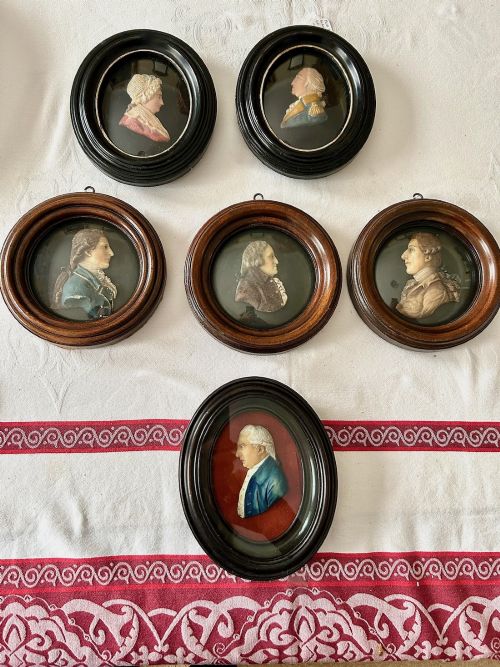
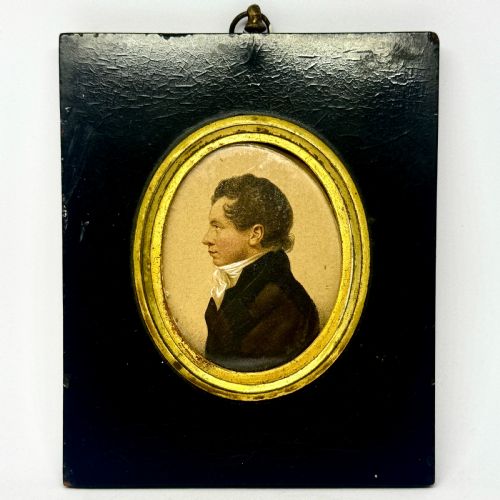


Ebonised Framed Profile Portrait
An ebonised framed profile portrait captures a likeness in miniature, offering a direct glimpse into Georgian and Regency life.
Ebonised Framed Profile Portrait
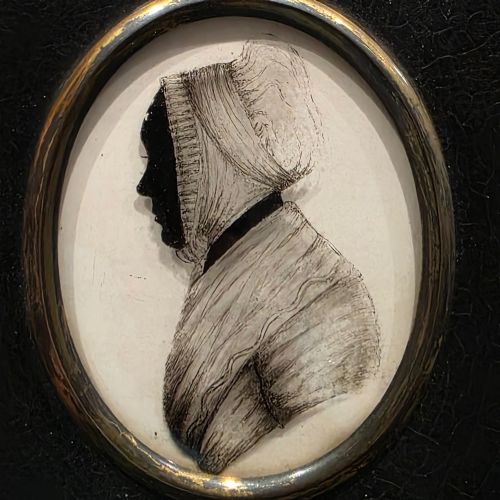
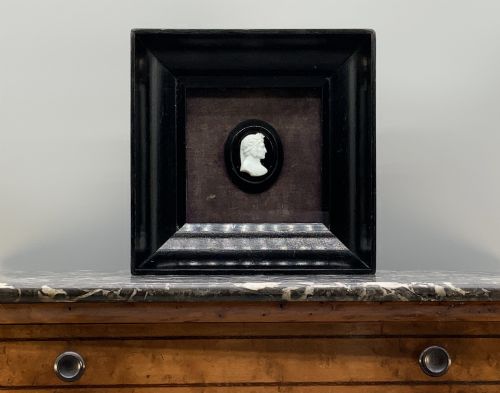
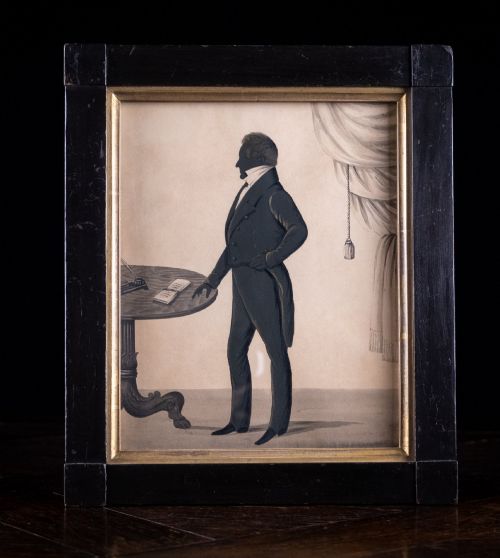
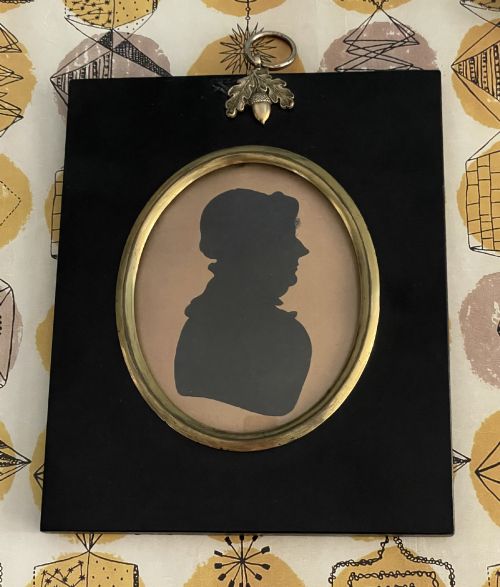
An ebonised framed profile portrait takes the form of a silhouette, a painted miniature, or a carved plaque showing a subject from the side. These works date primarily from the Georgian, Regency, and nineteenth-century periods, capturing sitters with striking economy.
The pieces on this page appear in various formats, including reverse painting on glass, cut paper, and watercolour on card or ivory. Frames of blackened wood enclose these likenesses, often accented with brass fittings or gilt highlights.
How they were made
Techniques ranged from delicate paper cutting and reverse painting on glass to detailed miniature painting and carved ivory bas-relief. Brass components frequently secured or adorned the framing structure.
Listings feature works spanning the Georgian and Regency periods, utilising materials such as glass, brass, paper, and ivory.
What varies in quality
The distinction between standard examples and superior pieces rests on the precision of the profile's execution and the clarity of the sitter's likeness. Master practitioners captured personality and expression with very few brushstrokes or precise cutting.
The quality of the materials, such as the depth of the ebonised finish on the wood and the preservation of the original glass or brass mount, influences the overall character of the piece.
George Atkinson·James Gillespie·Thomas London·John Miers·Jeremiah Steele
The Ebonised Framed Profile Portrait Glossary
- Ebonised wood
- Timber treated to resemble ebony, providing a deep black finish common in framing during the Georgian and Regency eras.
- Silhouette portrait
- A likeness depicted in profile, usually filled in with a solid dark colour or cut from paper.
- Reverse painting on glass
- An art form where the image is applied directly to the back of a glass panel so the front presents the finished composition.
- Pressed glass paste
- Moulded glass used to create cameo reliefs or decorative plaques, imitating carved stone.
Ebonised Framed Profile Portrait: Frequently Asked Questions
How do I date a profile portrait?
Dating relies heavily on the costume, hairstyle, and framing style of the subject. Georgian and Regency pieces often show specific clothing cuts and bonnet shapes characteristic of those decades.
The materials used, such as the specific type of ebonised wooden frame or the use of ivory, also provide reliable clues to the period of manufacture.
Were these portraits meant to be hung or kept on desks?
Most framed profile portraits were designed to hang on walls, often grouped in arrangements within a parlour or study. Smaller miniature formats were sometimes housed in travel cases or kept on surfaces.
Their primary function was to commemorate family members or notable dignitaries of the era.
What is the difference between a cut silhouette and a painted one?
A cut silhouette involves snipping black paper to form the profile, which is then mounted against a contrasting light background. A painted silhouette uses dark pigment applied directly to card, plaster, or glass.
Painted versions often include fine gilt detailing to accentuate clothing or hair, which is absent in simple paper cuts.
How should I display these portraits at home?
These portraits look best displayed away from direct sunlight to protect fragile watercolours and paper from fading. Grouping several framed profiles together creates a traditional gallery effect.
Ensure they hang on steady walls where fluctuations in humidity and temperature remain minimal.