



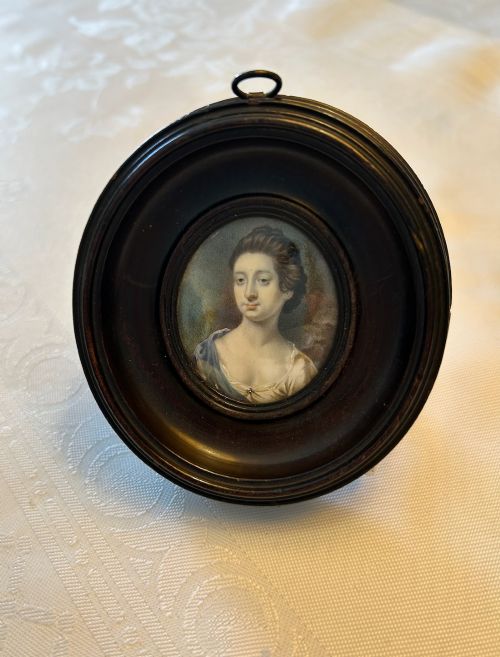
Ebonised Frame Wall Painting
An ebonised frame wall painting brings together dark, polished wood and historic artistry, offering collectors a striking contrast that defines period interiors.
Ebonised Frame Wall Painting
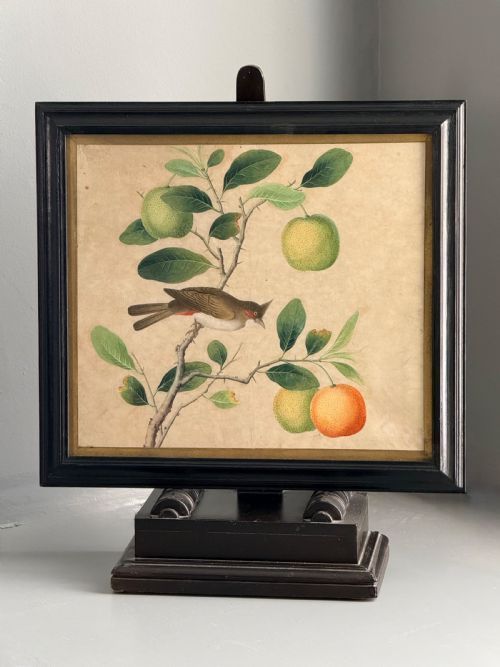
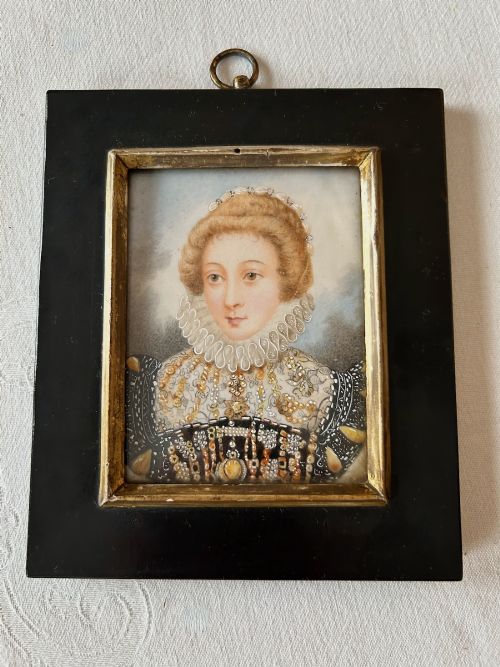
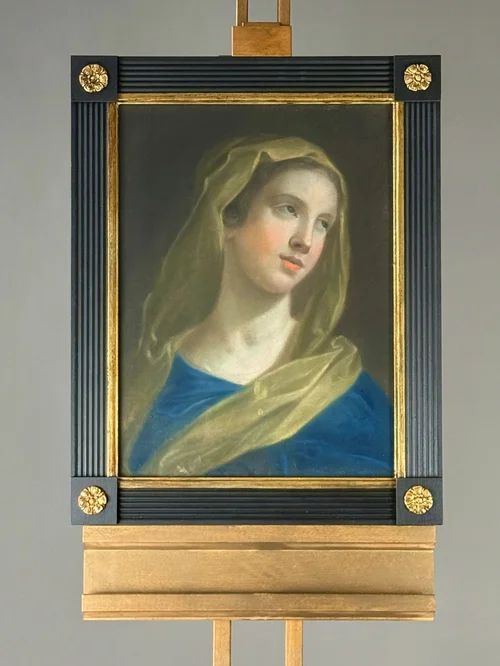
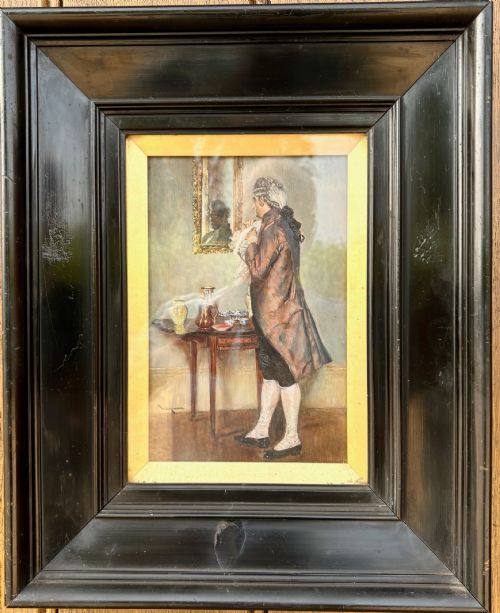
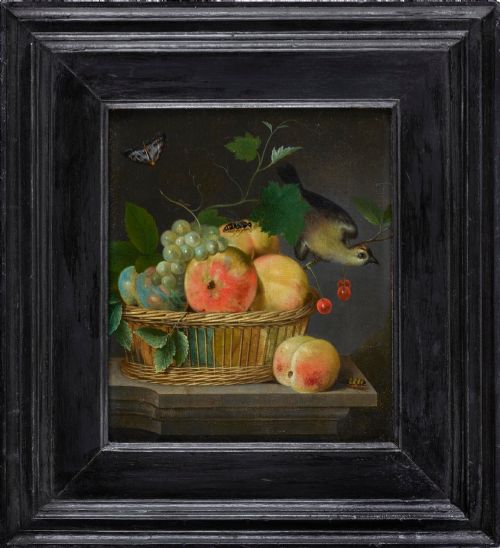
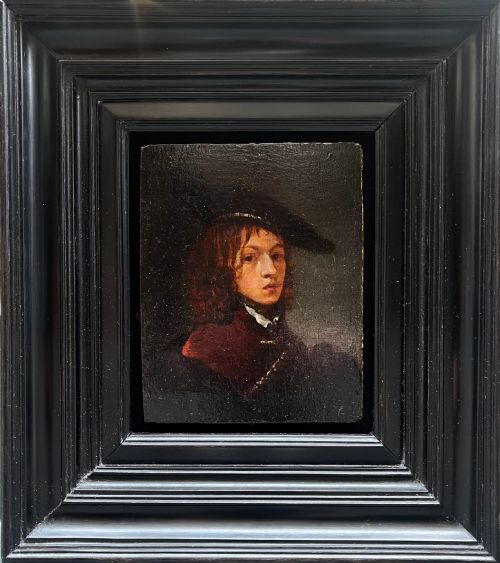
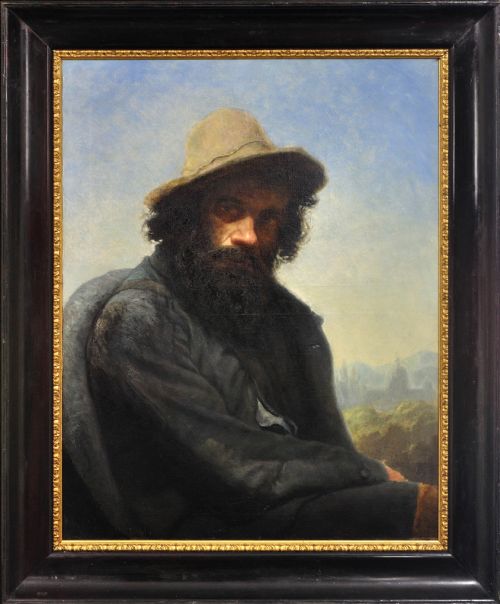
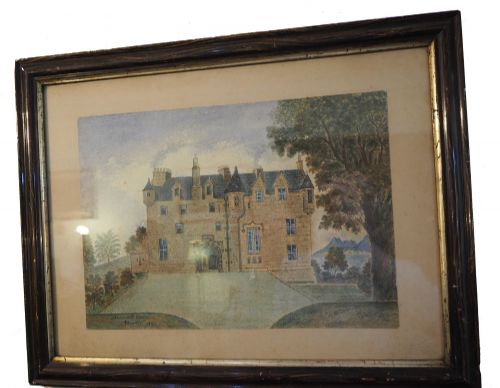
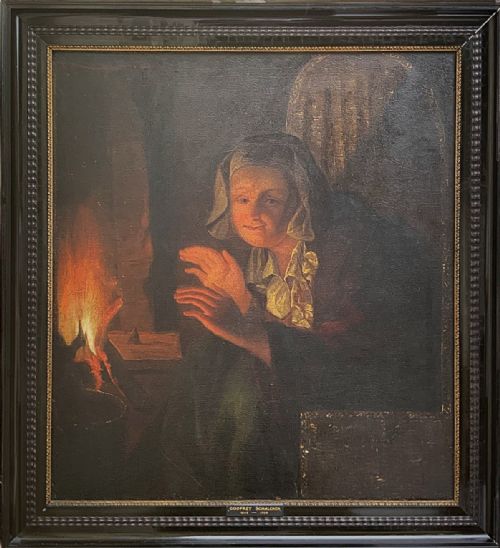
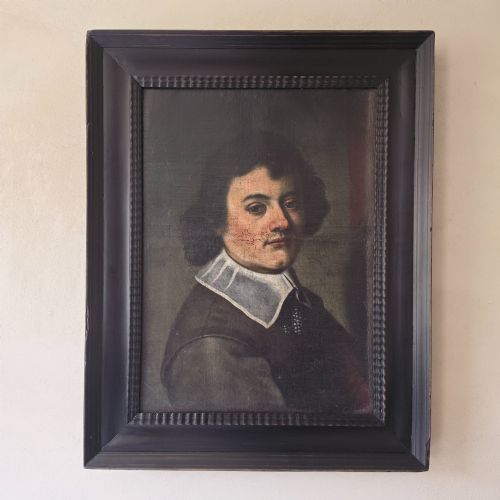
An ebonised frame wall painting comprises historic artworks enclosed within dark, darkened timber mouldings designed to create a strong visual boundary. When searching for an ebonised frame wall painting, collectors encounter various forms ranging from miniature portraits to landscapes spanning the 16th century through to the Edwardian era.
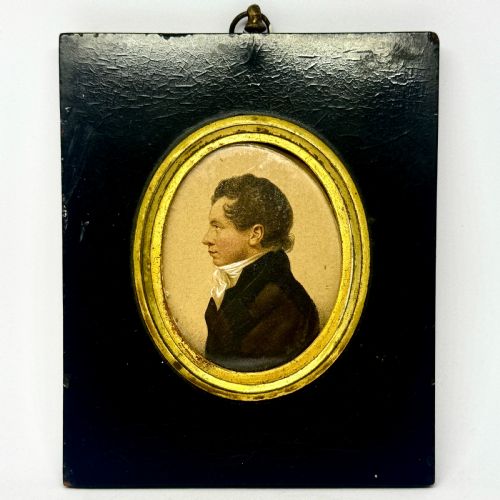
The selections on this page incorporate media such as oil on canvas, watercolour, gouache on pith paper, and reverse glass prints housed within wooden or ebonised wood surrounds. These pieces reflect diverse styles including Georgian, Regency, Victorian, Dutch Golden Age, and the Aesthetic Movement.
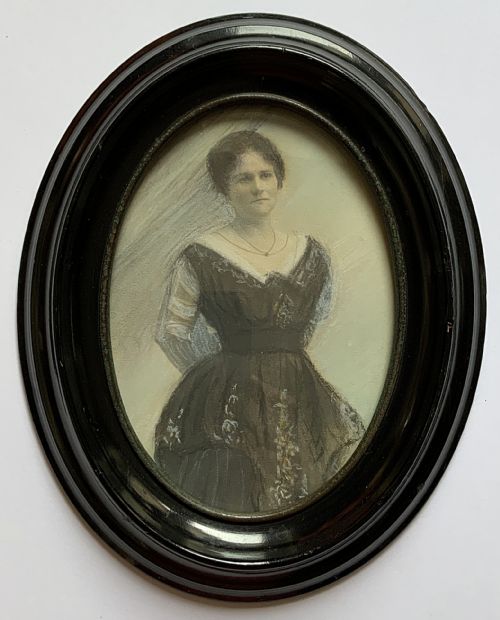
The physical form varies from intimate oval portrait miniatures to substantial oil paintings and framed watercolours. Such diversity allows buyers to integrate these dark-framed works into both traditional and contemporary wall spaces.
Materials and construction
Makers constructed these works using timber treated to achieve a deep black finish, often complemented by internal giltwood mounts, gold leaf accents, or brass details. Paintings themselves utilised oil on canvas, watercolour, pastel, and gouache applied to paper, board, or glass.
The creation of the surround involved precise woodworking and painting techniques to simulate ebony, a practice common in periods such as the Victorian Aesthetic Movement and the Georgian era. Glazing and protective glass often accompanied delicate watercolours and reverse glass prints to preserve the pigment beneath.
Some paintings capture historical figures alongside lapwings and fruit baskets, proving that past artists took their inspiration from both nobility and backyard birds.
Assessing quality and execution
The distinction between standard examples and superior pieces rests upon the precision of the artwork's execution and the integrity of the framing technique. Masterful brushwork in oil or watercolour and the depth of the ebonised finish elevate an object above simpler decorative items.
Condition plays a role in evaluation, particularly regarding the preservation of the painted surface, the stability of the wood, and the retention of original gilding or mounts. Pieces attributed to documented schools or identifiable artists demonstrate higher refinement in both composition and material preparation.
Henri Fradelle·Sebastiaan Vrancx·Benedetto LutI·W D Almond·Gaspar Peeter Verbruggen·Godfried Schalcken·Albin Mattenheimer·James de Rijk·George Atkinson
The Ebonised Frame Wall Painting Glossary
- Ebonised wood
- Timber treated with stain, paint, or chemical processes to imitate expensive ebony wood. This finish creates a dense black surface that emphasises lighter gilt elements within the frame.
- Reverse glass painting
- An artistic technique where the image is painted directly onto the back of a glass panel and viewed from the front. This method produces a glossy surface finish seen in Georgian and later decorative works.
- Portrait miniature
- A small, highly detailed portrait painting created on materials such as ivory, vellum, or paper. These portable artworks frequently appeared in snug protective frames during the Georgian and Victorian periods.
- Giltwood
- Wood that has been coated with a thin layer of gold leaf or gold paint. It frequently appears alongside ebonised framing to provide reflective contrast.
- Aesthetic Movement
- A late 19th-century design style emphasising decorative arts and visual beauty over narrative subject matter. Pieces from this movement often utilise ebonised and gilded surfaces.
Ebonised Frame Wall Painting: Frequently Asked Questions
What periods do these paintings come from?
The pieces span several centuries, with examples originating from the 16th, 17th, 18th, 19th, and early 20th centuries. Styles represented include the Dutch Golden Age, Georgian, Regency, Victorian, and Aesthetic Movement.
Buyers will find that earlier works often feature religious or portrait subjects, while later 19th-century and Edwardian pieces introduce landscapes and botanical studies within similar dark frames.
How do I care for an ebonised frame?
Maintenance involves keeping the wooden frame and the artwork away from direct sunlight and excessive moisture. Gentle dusting with a dry, soft cloth preserves the dark finish without stripping the treatment.
Avoid using liquid polish or harsh chemical cleaners on the ebonised surface or the painted artwork, as these substances can damage historic materials and degrade the timber.
Are these paintings original historic works?
The selection includes original period paintings, watercolours, and reverse glass prints created by various European and American schools. Some listings also feature period studies or later copies produced in the manner of earlier masters.
Reviewing the specific period and material details in each listing helps identify whether a piece is a contemporary creation of its stated era or an interpretation of an earlier style.
How were reverse glass paintings displayed?
Reverse glass paintings were typically housed in secure wall frames to protect the fragile glass panel from impact. The technique protected the paint layer from atmospheric dust while creating a luminous surface sheen.
Collectors usually hang these pieces on interior walls using traditional picture wire or dedicated wall brackets suited to the weight of the glass and wooden surround.